The 33 strategies of war by Robert Greene Summary

Overview of The 33 strategies of war
Master strategist Robert Greene's "The 33 Strategies of War" transforms ancient military wisdom into modern success tactics. Endorsed by Ray Dalio and business leaders, this controversial bestseller reveals psychological warfare principles that billionaires secretly use. What battlefield strategy will transform your career tomorrow?
- Declare inner war on mental chaos to master strategic thinking
- Avoid frontal attacks by targeting enemy flanks for bloodless victories
- Infuse urgency with the Death Ground Strategy to eliminate retreat options
- Leverage Blitzkrieg speed to overwhelm enemies before they prepare defenses
- Build alliances based on mutual interest not quantity for strategic advantage
- Control the dynamic by forcing opponents into emotional overreactions
- Deploy calculated passivity to dominate conflicts while appearing submissive
- Disrupt enemy alliances through divide-and-conquer psychological warfare tactics
- Master grand strategy by sacrificing battles to win overarching wars
- Infiltrate enemy minds through subtle communication and perception management
- Exploit soft flanks instead of direct assaults to minimize resistance
- Weaponize patience through fait accompli tactics exploiting short attention spans
About the Author of The 33 strategies of war
Robert Greene, author of The 33 Strategies of War, is a bestselling authority on power dynamics, human behavior, and strategic thinking. A University of Wisconsin–Madison graduate in classical studies, Greene synthesizes historical military tactics and psychological insights to help readers navigate modern conflicts, drawing from figures like Sun Tzu and Carl von Clausewitz.
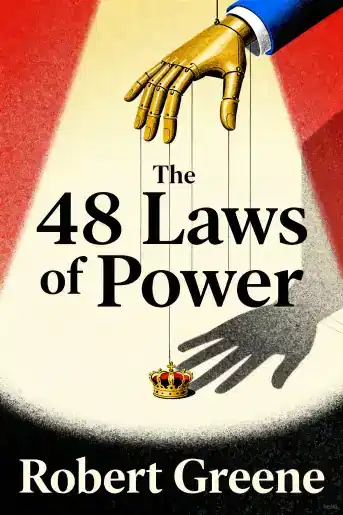
His career spans roles as a Hollywood writer, translator, and collaborator with rapper 50 Cent on The 50th Law. Greene’s seminal work, The 48 Laws of Power (1998), revolutionized the self-help genre with its unflinching analysis of manipulation and control, selling over 1.2 million copies in the U.S. alone and permeating pop culture.
His other influential titles, including The Art of Seduction, Mastery, and The Laws of Human Nature, blend historical case studies with actionable advice, earning features in The New York Times, Forbes, and TED Talks. Translated into 17 languages, Greene’s works are studied by entrepreneurs, executives, and creatives seeking tactical advantage.
FAQs About The 33 strategies of war
What is The 33 Strategies of War by Robert Greene about?
The 33 Strategies of War explores timeless military tactics adapted for personal and professional conflicts. Robert Greene distills strategies from historical figures like Sun Tzu and Napoleon, framing them as psychological tools for modern challenges such as business rivalries, social dynamics, and self-mastery. Key themes include controlling opponents through deception, leveraging speed, and thinking in terms of long-term “grand strategy”.
Who should read The 33 Strategies of War?
This book suits executives, entrepreneurs, and anyone navigating competitive environments. It’s particularly valuable for readers interested in leadership, conflict resolution, or historical case studies. Greene’s mix of philosophy and actionable advice also appeals to fans of his prior works like The 48 Laws of Power and Mastery.
Is The 33 Strategies of War worth reading?
Yes, for those seeking tactical frameworks to outmaneuver opponents. The book’s historical anecdotes and psychological insights make complex strategies accessible. However, critics argue some analogies between warfare and daily life feel forced, so readers should adapt lessons contextually.
What are the key strategies in The 33 Strategies of War?
Notable strategies include:
- Grand Strategy: Prioritize long-term goals over short-term wins.
- Blitzkrieg: Overwhelm opponents with rapid, decisive action.
- Controlled Dynamics: Dictate the terms of engagement to unsettle rivals.
- Intelligence Gathering: Study adversaries’ weaknesses through observation.
How does The 33 Strategies of War compare to Greene’s The 48 Laws of Power?
While 48 Laws focuses on accumulating influence, 33 Strategies emphasizes conflict management. The latter borrows more heavily from military history and offers structured frameworks for active competition, making it a practical companion to Greene’s broader philosophy on power.
What are the most impactful quotes from The 33 Strategies of War?
- “The greatest victory is to defeat the enemy without ever fighting”: Advocates psychological warfare over direct confrontation.
- “Speed is the essence of war”: Stresses destabilizing opponents through rapid, unpredictable moves.
How can The 33 Strategies of War be applied to business?
The book’s lessons help leaders neutralize competitors, manage teams, and negotiate deals. For example, the “Blitzkrieg” tactic translates to launching products faster than rivals, while “Controlled Dynamics” advises setting agendas in meetings to dominate discussions.
What are common criticisms of The 33 Strategies of War?
Critics argue that equating warfare to everyday life can promote unethical behavior. Some strategies, like deliberate deception, may backfire in trust-based relationships. Additionally, the dense historical examples require patience to unpack.
How does Greene use historical figures in The 33 Strategies of War?
Case studies include:
- Alexander the Great’s adaptability in shifting battle plans.
- Miyamoto Musashi’s psychological duels to unbalance opponents.
- Erwin Rommel’s use of terrain to compensate for weaker forces.
Why is The 33 Strategies of War relevant in 2025?
In an era of AI-driven competition and remote work politics, the book’s focus on mental resilience and strategic foresight remains vital. Its lessons on managing information overload and social media conflicts resonate with modern professionals.
What books complement The 33 Strategies of War?
Pair with:
- Sun Tzu’s The Art of War for foundational military philosophy.
- Ryan Holiday’s The Daily Stoic for mindset discipline.
- Niccolò Machiavelli’s The Prince for ruthless pragmatism.
How does The 33 Strategies of War address failure?
Greene frames setbacks as tactical retreats, advocating the “Death Ground Strategy”—burning bridges to eliminate escape routes and force relentless focus. Historical examples include Hernán Cortés destroying his ships to motivate conquest.
Feel the book through the author's voice
Turn knowledge into engaging, example-rich insights
Capture key ideas in a flash for fast learning
Enjoy the book in a fun and engaging way
Key Themes in The 33 strategies of war
Quotes from The 33 strategies of war
Declare war on your enemies.
Having enemies brings unexpected gifts.
Your past successes can become your greatest obstacle.
Life is an endless series of battles, and your greatest opponent is often yourself.
Characters in The 33 strategies of war
Quick Summary Mode - Read or listen to The 33 strategies of war Summary in 9 Minutes

Break down key ideas from The 33 strategies of war into bite-sized takeaways to understand how innovative teams create, collaborate, and grow.

Flash Card Mode - Top 7 Insights from The 33 strategies of war in a Nutshell

Distill The 33 strategies of war into rapid-fire memory cues that highlight key principles of candor, teamwork, and creative resilience.

Fun Mode - The 33 strategies of war Lessons Told Through 24-Min Stories

Experience The 33 strategies of war through vivid storytelling that turns innovation lessons into moments you'll remember and apply.
Personalize Mode - Read or listen to The 33 strategies of war Summary in 0 Minutes

Ask anything, pick the voice, and co-create insights that truly resonate with you.

From Columbia University alumni built in San Francisco
"Instead of endless scrolling, I just hit play on BeFreed. It saves me so much time."


"I never knew where to start with nonfiction—BeFreed’s book lists turned into podcasts gave me a clear path."


"Perfect balance between learning and entertainment. Finished ‘Thinking, Fast and Slow’ on my commute this week."
"Crazy how much I learned while walking the dog. BeFreed = small habits → big gains."
"Reading used to feel like a chore. Now it’s just part of my lifestyle."

"Feels effortless compared to reading. I’ve finished 6 books this month already."
"BeFreed turned my guilty doomscrolling into something that feels productive and inspiring."

"BeFreed turned my commute into learning time. 20-min podcasts are perfect for finishing books I never had time for."
"BeFreed replaced my podcast queue. Imagine Spotify for books — that’s it. 🙌"

"It is great for me to learn something from the book without reading it."
"The themed book list podcasts help me connect ideas across authors—like a guided audio journey."
"Makes me feel smarter every time before going to work"
From Columbia University alumni built in San Francisco
"Instead of endless scrolling, I just hit play on BeFreed. It saves me so much time."
"I never knew where to start with nonfiction—BeFreed’s book lists turned into podcasts gave me a clear path."
"Perfect balance between learning and entertainment. Finished ‘Thinking, Fast and Slow’ on my commute this week."
"Crazy how much I learned while walking the dog. BeFreed = small habits → big gains."
"Reading used to feel like a chore. Now it’s just part of my lifestyle."
"Feels effortless compared to reading. I’ve finished 6 books this month already."
"BeFreed turned my guilty doomscrolling into something that feels productive and inspiring."
"BeFreed turned my commute into learning time. 20-min podcasts are perfect for finishing books I never had time for."
"BeFreed replaced my podcast queue. Imagine Spotify for books — that’s it. 🙌"
"It is great for me to learn something from the book without reading it."
"The themed book list podcasts help me connect ideas across authors—like a guided audio journey."
"Makes me feel smarter every time before going to work"
"Instead of endless scrolling, I just hit play on BeFreed. It saves me so much time."
"I never knew where to start with nonfiction—BeFreed’s book lists turned into podcasts gave me a clear path."
"Perfect balance between learning and entertainment. Finished ‘Thinking, Fast and Slow’ on my commute this week."
"Crazy how much I learned while walking the dog. BeFreed = small habits → big gains."
"Reading used to feel like a chore. Now it’s just part of my lifestyle."
"Feels effortless compared to reading. I’ve finished 6 books this month already."
"BeFreed turned my guilty doomscrolling into something that feels productive and inspiring."
"BeFreed turned my commute into learning time. 20-min podcasts are perfect for finishing books I never had time for."
"BeFreed replaced my podcast queue. Imagine Spotify for books — that’s it. 🙌"
"It is great for me to learn something from the book without reading it."
"The themed book list podcasts help me connect ideas across authors—like a guided audio journey."
"Makes me feel smarter every time before going to work"
"Instead of endless scrolling, I just hit play on BeFreed. It saves me so much time."
"I never knew where to start with nonfiction—BeFreed’s book lists turned into podcasts gave me a clear path."
"Perfect balance between learning and entertainment. Finished ‘Thinking, Fast and Slow’ on my commute this week."
"Crazy how much I learned while walking the dog. BeFreed = small habits → big gains."
"Reading used to feel like a chore. Now it’s just part of my lifestyle."
"Feels effortless compared to reading. I’ve finished 6 books this month already."
"BeFreed turned my guilty doomscrolling into something that feels productive and inspiring."
"BeFreed turned my commute into learning time. 20-min podcasts are perfect for finishing books I never had time for."
"BeFreed replaced my podcast queue. Imagine Spotify for books — that’s it. 🙌"
"It is great for me to learn something from the book without reading it."
"The themed book list podcasts help me connect ideas across authors—like a guided audio journey."
"Makes me feel smarter every time before going to work"

Get the The 33 strategies of war summary as a free PDF or EPUB. Print it or read offline anytime.