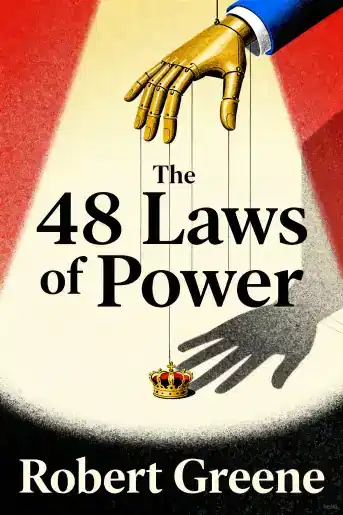
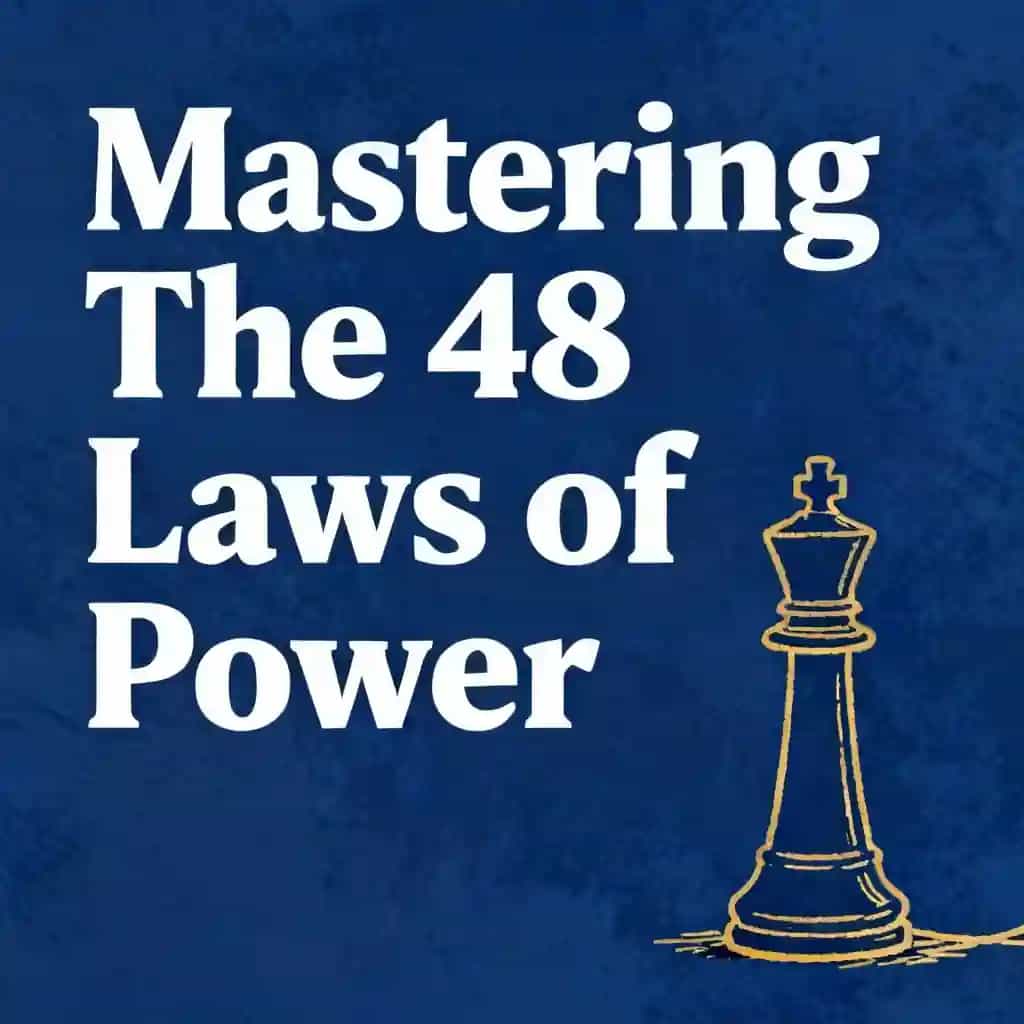
Mastering the Game: Decoding The 48 Laws of Power
Explore the thin line between strategic wisdom and ruthless manipulation as we break down Robert Greene’s controversial laws of influence. Learn how to navigate modern power dynamics without becoming a pawn in someone else's game.

Best quote from Mastering the Game: Decoding The 48 Laws of Power
Power itself is amoral—it’s just a social game we’re all playing whether we like it or not. The real strategy isn't about what should happen, but about what does happen when human egos are involved.
Generated by Shashank
48 lwas of power

Frequently Asked Questions
This law is based on the psychological reality that everyone, especially those in positions of power, has insecurities. If you display your brilliance too aggressively, you may inadvertently trigger fear or resentment in your superior, making them feel inadequate by comparison. The script notes that while you might think hard work leads to promotion, making a boss look bad can actually make you a target. The strategic approach is to make your superiors appear more capable by attributing your successes to their guidance or vision.
The script highlights a significant tension between modern values of transparency and Greene’s laws, such as "Conceal Your Intentions" and "Always Say Less Than Necessary." Greene argues that being an open book makes you predictable and deprives you of leverage. While transparency can build trust, strategic silence can create an aura of mystery and prevent you from saying something foolish. The podcast suggests a balanced approach: use talkativeness to gain status when emerging as a leader, but employ silence to gather intelligence once you are established.
Reputation is described as a "force multiplier" that can do half your work before you even enter a room. Law 5 emphasizes guarding your reputation with your life because perception often shapes reality more than actual talent does. Additionally, Law 6 suggests courting attention at all costs, arguing that it is better to be slandered or controversial than to be ignored. The goal is to appear "larger than life," though the script warns that this must be done subtly to avoid appearing insecure or desperate for validation.
The surrender tactic, from Law 22, involves transforming weakness into power by refusing to fight a losing battle for the sake of "honor." By surrendering, you deny your opponent the satisfaction of crushing you and buy yourself time to recoup, maneuver, and eventually undermine them. The script explains that pride is often an expensive trait that leads to ruin; instead, "playing the sucker" or appearing weaker than you are can cause an opponent to relax their guard, allowing you to operate more effectively in the background.
The script suggests that while these laws can provide short-term wins and "cheat codes" for navigating power dynamics, they often come with a "long-term wreckage" trade-off. For example, taking credit for others' work (Law 7) might make you look powerful today but will eventually drive away talent and destroy trust. Living entirely by these laws can lead to a life of paranoia and isolation. The podcast concludes that the laws are best used as a "lens" for self-defense and understanding human manipulation rather than a rigid blueprint for ethical leadership.
From Columbia University alumni built in San Francisco
"Instead of endless scrolling, I just hit play on BeFreed. It saves me so much time."


"I never knew where to start with nonfiction—BeFreed’s book lists turned into podcasts gave me a clear path."


"Perfect balance between learning and entertainment. Finished ‘Thinking, Fast and Slow’ on my commute this week."
"Crazy how much I learned while walking the dog. BeFreed = small habits → big gains."
"Reading used to feel like a chore. Now it’s just part of my lifestyle."

"Feels effortless compared to reading. I’ve finished 6 books this month already."
"BeFreed turned my guilty doomscrolling into something that feels productive and inspiring."

"BeFreed turned my commute into learning time. 20-min podcasts are perfect for finishing books I never had time for."
"BeFreed replaced my podcast queue. Imagine Spotify for books — that’s it. 🙌"

"It is great for me to learn something from the book without reading it."
"The themed book list podcasts help me connect ideas across authors—like a guided audio journey."
"Makes me feel smarter every time before going to work"
From Columbia University alumni built in San Francisco
"Instead of endless scrolling, I just hit play on BeFreed. It saves me so much time."
"I never knew where to start with nonfiction—BeFreed’s book lists turned into podcasts gave me a clear path."
"Perfect balance between learning and entertainment. Finished ‘Thinking, Fast and Slow’ on my commute this week."
"Crazy how much I learned while walking the dog. BeFreed = small habits → big gains."
"Reading used to feel like a chore. Now it’s just part of my lifestyle."
"Feels effortless compared to reading. I’ve finished 6 books this month already."
"BeFreed turned my guilty doomscrolling into something that feels productive and inspiring."
"BeFreed turned my commute into learning time. 20-min podcasts are perfect for finishing books I never had time for."
"BeFreed replaced my podcast queue. Imagine Spotify for books — that’s it. 🙌"
"It is great for me to learn something from the book without reading it."
"The themed book list podcasts help me connect ideas across authors—like a guided audio journey."
"Makes me feel smarter every time before going to work"
"Instead of endless scrolling, I just hit play on BeFreed. It saves me so much time."
"I never knew where to start with nonfiction—BeFreed’s book lists turned into podcasts gave me a clear path."
"Perfect balance between learning and entertainment. Finished ‘Thinking, Fast and Slow’ on my commute this week."
"Crazy how much I learned while walking the dog. BeFreed = small habits → big gains."
"Reading used to feel like a chore. Now it’s just part of my lifestyle."
"Feels effortless compared to reading. I’ve finished 6 books this month already."
"BeFreed turned my guilty doomscrolling into something that feels productive and inspiring."
"BeFreed turned my commute into learning time. 20-min podcasts are perfect for finishing books I never had time for."
"BeFreed replaced my podcast queue. Imagine Spotify for books — that’s it. 🙌"
"It is great for me to learn something from the book without reading it."
"The themed book list podcasts help me connect ideas across authors—like a guided audio journey."
"Makes me feel smarter every time before going to work"
"Instead of endless scrolling, I just hit play on BeFreed. It saves me so much time."
"I never knew where to start with nonfiction—BeFreed’s book lists turned into podcasts gave me a clear path."
"Perfect balance between learning and entertainment. Finished ‘Thinking, Fast and Slow’ on my commute this week."
"Crazy how much I learned while walking the dog. BeFreed = small habits → big gains."
"Reading used to feel like a chore. Now it’s just part of my lifestyle."
"Feels effortless compared to reading. I’ve finished 6 books this month already."
"BeFreed turned my guilty doomscrolling into something that feels productive and inspiring."
"BeFreed turned my commute into learning time. 20-min podcasts are perfect for finishing books I never had time for."
"BeFreed replaced my podcast queue. Imagine Spotify for books — that’s it. 🙌"
"It is great for me to learn something from the book without reading it."
"The themed book list podcasts help me connect ideas across authors—like a guided audio journey."
"Makes me feel smarter every time before going to work"