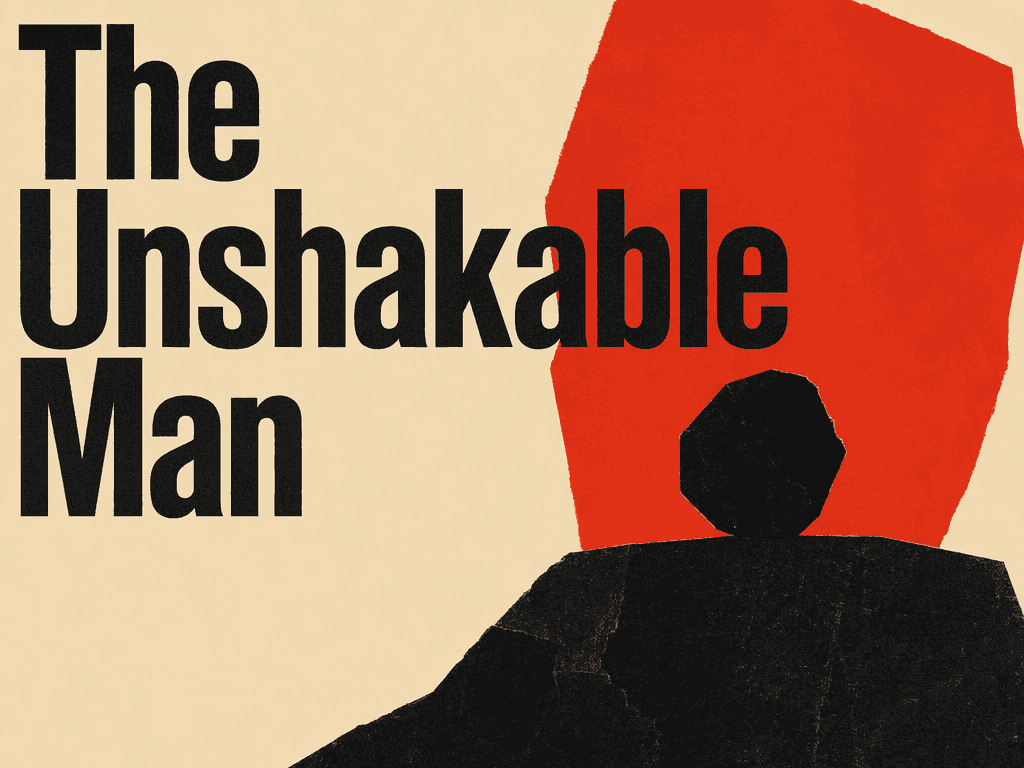
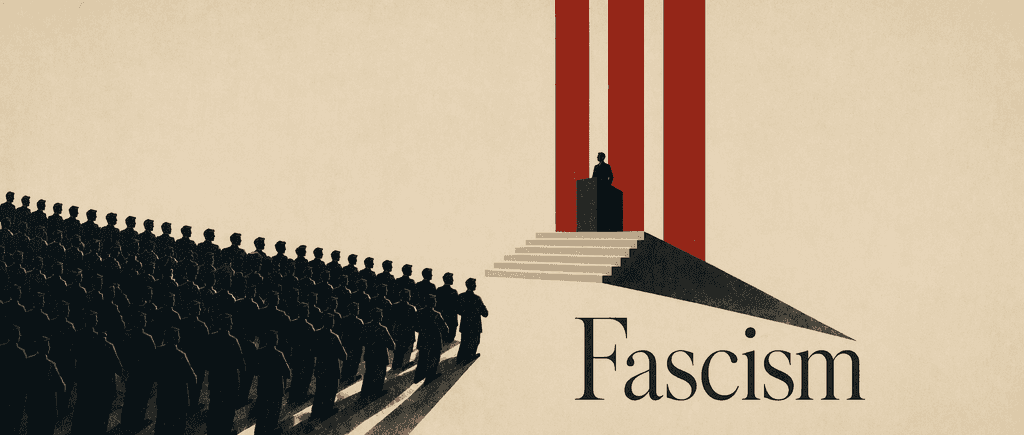
Authoritarian Moment
How the Left Weaponized America's Institutions Against Dissent
Overview of Authoritarian Moment
In "The Authoritarian Moment," Ben Shapiro challenges conventional wisdom: America's greatest threat isn't right-wing extremism but left-wing institutional capture. This NYT bestseller sparked fierce debates about free speech while exposing how elite coastal progressives silence opposition across universities, corporations, and culture.

Key Themes in Authoritarian Moment
- institutional ideological conformity
- cancel culture mechanics
- left-wing authoritarianism
- silencing political dissent
- cultural institutional capture
Quotes from Authoritarian Moment
Democracy is extraordinarily fragile.
The system held.
They went quiet but didn't go away.
Silence is violence.
Characters in Authoritarian Moment
- Ben ShapiroAuthor and political commentator
- Theodor AdornoSociologist who developed the F-scale
- Lucian ConwayResearcher of left-wing authoritarianism
- Mike PenceVice President who upheld constitutional duties
About the Author
About the Author of Authoritarian Moment
Benjamin Aaron Shapiro, bestselling author of The Authoritarian Moment and a leading conservative political commentator, combines razor-sharp analysis with unapologetic critiques of progressive ideologies in this political nonfiction work. A Harvard Law graduate and former Breitbart News editor-at-large, Shapiro draws on his experience as co-founder of The Daily Wire media empire and his nationally syndicated column—launched at age 17—to dissect themes of cultural shifts, free speech battles, and governmental overreach. His previous New York Times bestsellers, including The Right Side of History (2019) and How to Destroy America in Three Easy Steps (2020), established him as a formidable voice in defending Western values.
Host of The Ben Shapiro Show, one of America’s top-rated podcasts with millions of weekly downloads, Shapiro extends his influence through daily commentary and viral social media engagement. His 16 published books, blending legal insight with cultural analysis, have collectively sold over 2 million copies. The Right Side of History alone spent 18 weeks on bestseller lists, cementing Shapiro’s status as a defining figure in modern conservative thought.
Download Summary of Authoritarian Moment
Get the Authoritarian Moment summary as a free PDF or EPUB. Print it or read offline anytime.
FAQs About This Book
The Authoritarian Moment argues that progressive elites weaponize institutions like media, academia, and corporations to suppress dissent and enforce ideological conformity. Shapiro claims the left uses "The Science" as a political tool, silences opponents through cancel culture, and pressures corporations to adopt woke policies. The book frames these tactics as threats to free speech and traditional American values.
This book targets conservatives, political enthusiasts, and readers concerned about censorship, cancel culture, or the politicization of institutions. It appeals to those seeking a critique of progressive activism’s influence on public policy, corporate behavior, and media narratives.
Worth reading for its provocative analysis of ideological polarization, though critics argue it oversimplifies complex issues. Supporters praise its examination of "woke authoritarianism," while detractors view it as partisan rhetoric. The book sparked debate for linking leftist policies to systemic coercion.
- Politicized Science: Institutions use “The Science” to shut down debate (e.g., COVID-19 policies)
- Corporate Compliance: Companies adopt progressive agendas to avoid public shaming
- Institutional Capture: Media and academia marginalize conservative voices
- Freedom vs. Conformity: Shapiro advocates resisting ideological coercion to preserve free discourse
Shapiro describes it as a movement that demands ideological purity, punishes dissent through cancel culture, and leverages institutional power to reshape societal norms. He argues it prioritizes conformity over debate, using terms like “settled science” or “hate speech” to delegitimize opponents.
- Public Health: Officials tying COVID-19 policies to social justice activism.
- Corporate Wokeness: Businesses firing employees for non-progressive views.
- Media Bias: Outlets framing conservative ideas as “dangerous” or “extremist”.
Critics accuse Shapiro of cherry-picking examples, ignoring right-wing authoritarianism, and conflating progressive advocacy with tyranny. Some reviewers call the book alarmist, arguing it dismisses legitimate concerns about inequality and systemic bias.
The book contends that "woke" policies on college campuses, social media censorship, and corporate speech codes exemplify modern authoritarianism. Shapiro frames these trends as attacks on First Amendment principles, relevant to 2025 discussions about tech regulation and academic freedom.
Shapiro urges rejecting compliance with ideological demands, advocating for viewpoint diversity in institutions, and rebuilding cultural norms that prioritize debate over cancellation. He emphasizes grassroots resistance to "coercive conformity."
- “The dirty secret of our woke authoritarians is that they are the minority.”
- “Buried in authoritarianism is always one deep flaw: its insecurity.”
These lines underscore Shapiro’s argument that progressive elites lack public support and rely on coercion.
Unlike The Right Side of History (focused on Western values) or How to Destroy America (cultural critique), this book specifically analyzes institutional power dynamics. It continues Shapiro’s tradition of blending historical analysis with contemporary political commentary.
Progressives argue it exaggerates left-wing influence while downplaying threats like far-right extremism. Others criticize its dismissal of systemic racism and LGBTQ+ advocacy as “authoritarian.” The debate reflects broader cultural divides over free speech and equality.