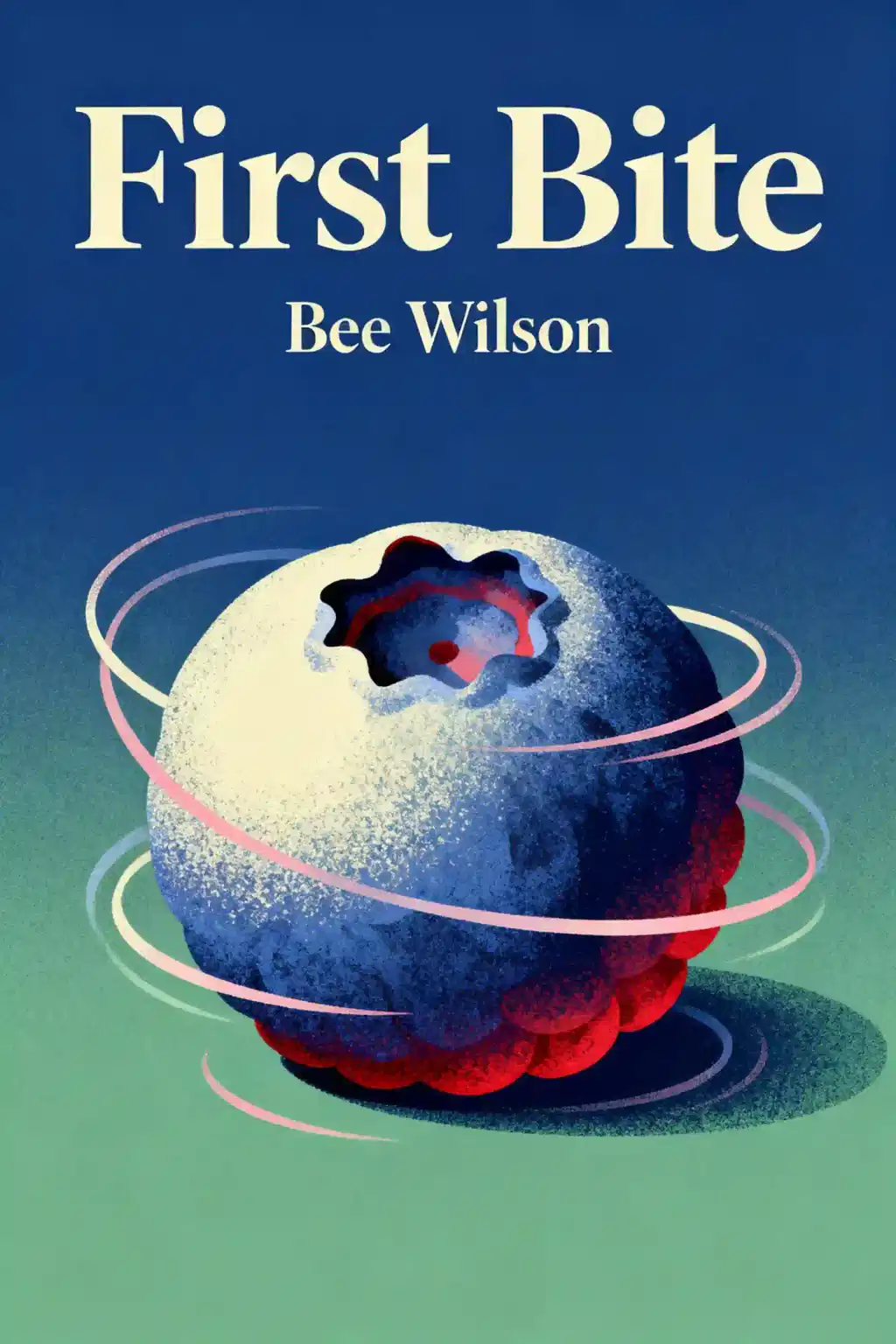
First Bite: How We Learn to Eat by Bee Wilson Summary

Overview of First Bite
"First Bite" reveals how our eating habits are learned, not innate. Winner of the Andre Simon Prize, this revolutionary book shows why children fear vegetables and how adults can rewrite their food stories. The Wall Street Journal called its premise "liberating, generous and ultimately optimistic."
- Taste preferences are learned behaviors shaped by family and culture, not DNA.
- Childhood food exposure determines adult eating habits more than genetic predispositions.
- “Kid food” norms are cultural constructs, not biological necessities for picky eaters.
- Japan’s dietary evolution proves entire societies can adopt healthier food traditions.
- Food neophobia (fear of new foods) can be unlearned through gradual, positive exposure.
- Parental pressure to “clean plates” often backfires, creating negative food relationships.
- Sweet cravings stem from psychological conditioning, not just evolutionary survival instincts.
- Anosmia patients reveal how memory, not just taste, drives food preferences.
- Kuwait’s youth obesity crisis demonstrates environmental factors overpowering biological signals.
- Mindful eating rewires neural pathways to prefer nutrient-dense foods over processed cravings.
- Prisoners’ food nostalgia highlights emotional connections surpassing mere nutritional needs.
- Bee Wilson argues food education should focus on pleasure, not nutritional guilt.
About the Author of First Bite
Beatrice Dorothy “Bee” Wilson, acclaimed food historian and award-winning author of First Bite: How We Learn to Eat, merges culinary anthropology with behavioral psychology in this exploration of how eating habits form.
A Cambridge-educated PhD and six-time Fortnum & Mason Award winner, Wilson draws on two decades of food journalism for The Wall Street Journal and The Guardian to dissect cultural, familial, and neurological influences on diet. Her expertise extends to kitchen technology (Consider the Fork) and modern food systems (The Way We Eat Now), with work translated into 15+ languages including Japanese and Turkish.
A co-founder of the sensory education charity TastEd, Wilson combines academic rigor with practical advocacy, appearing on BBC’s The Food Programme and earning a 2019 Guild of Food Writers investigative award. First Bite received the André Simon Memorial Fund’s Special Commendation and was hailed by The New York Times as “the definitive guide to eating psychology.” Her debut cookbook The Secret of Cooking (2023) further cements her status as a bridge between scholarly insight and everyday kitchen wisdom.
FAQs About First Bite
What is First Bite: How We Learn to Eat about?
First Bite explores how cultural, familial, and psychological factors shape our eating habits, arguing that taste preferences are learned rather than innate. Bee Wilson combines food science, history, and global examples—from Japanese dietary patterns to Kuwaiti childhood obesity—to show how societies and individuals can adopt healthier relationships with food.
Who should read First Bite: How We Learn to Eat?
This book is ideal for parents, nutritionists, and anyone intrigued by food psychology. It offers actionable insights for addressing picky eating in children and reassesses adult dietary habits through the lens of cultural and emotional influences.
Is First Bite by Bee Wilson worth reading?
Yes. Wilson’s blend of rigorous research, engaging storytelling, and practical advice—such as strategies to retrain palates—makes it a standout. Critics praise its fresh perspective on breaking cycles of unhealthy eating, though some note a heavy focus on childhood habits.
How does culture influence eating habits according to First Bite?
Wilson highlights how cultural norms dictate food choices: Japan’s emphasis on variety and balance contrasts with Kuwait’s processed-food reliance. These examples underscore how societal shifts, like postwar Japan adopting healthier school lunches, can reshape national diets.
What does “taste is a learned skill” mean in First Bite?
The phrase challenges the notion of fixed preferences, showing how exposure and tradition shape tastes. For example, children raised on diverse flavors are more likely to enjoy vegetables, while “kid food” marketing reinforces limited diets in Western cultures.
How does Bee Wilson suggest changing unhealthy food habits?
Wilson advocates gradual exposure to new foods, mindful eating practices, and policy changes. She cites Japan’s post-WWII dietary reforms and sensory education programs in schools as models for systemic and individual change.
What are key quotes from First Bite: How We Learn to Eat?
- “We are not born knowing what to eat.” Wilson emphasizes learned eating behaviors.
- “A child who only eats cornflakes reflects parental norms, not preference.” This critiques the “kid food” phenomenon.
What are criticisms of First Bite?
Some reviewers find the book’s focus on childhood eating overly detailed, noting less guidance for adults. However, its evidence-based approach to reshaping habits is widely praised.
How does First Bite compare to Bee Wilson’s other books?
Unlike Consider the Fork (food technology history) or The Way We Eat Now (modern diet trends), First Bite delves into psychology, making it a primer on how eating behaviors form.
Why is First Bite relevant in 2025?
With global obesity rates rising and ultra-processed foods dominating diets, Wilson’s insights into habit change and cultural adaptation remain critical for addressing public health challenges.
What role does memory play in food preferences, per First Bite?
Wilson explains how comfort foods—like a prisoner craving apple pie—tie to emotional memories. These associations reinforce preferences, but mindfulness can help reprogram them.
How does First Bite address picky eating in children?
The book advises introducing diverse flavors early, avoiding “kid food” traps, and modeling adventurous eating. Wilson cites success stories from sensory education initiatives like TastEd.
Feel the book through the author's voice
Turn knowledge into engaging, example-rich insights
Capture key ideas in a flash for fast learning
Enjoy the book in a fun and engaging way
Key Themes in First Bite
Quotes from First Bite
Children primarily eat what's available to them.
Familiarity triggers affection while disliking stems from fear of novelty.
Counterproductive strategies like 'eat vegetables to get dessert' create an over-justification effect.
Parents of unhealthy eaters typically believed tastes were fixed and unchangeable—'set in stone'.
Characters in First Bite
Quick Summary Mode - Read or listen to First Bite Summary in 8 Minutes

Break down key ideas from First Bite into bite-sized takeaways to understand how innovative teams create, collaborate, and grow.

Flash Card Mode - Top 10 Insights from First Bite in a Nutshell

Distill First Bite into rapid-fire memory cues that highlight key principles of candor, teamwork, and creative resilience.

Fun Mode - First Bite Lessons Told Through 22-Min Stories

Experience First Bite through vivid storytelling that turns innovation lessons into moments you'll remember and apply.
Personalize Mode - Read or listen to First Bite Summary in 0 Minutes

Ask anything, pick the voice, and co-create insights that truly resonate with you.

From Columbia University alumni built in San Francisco
"Instead of endless scrolling, I just hit play on BeFreed. It saves me so much time."


"I never knew where to start with nonfiction—BeFreed’s book lists turned into podcasts gave me a clear path."


"Perfect balance between learning and entertainment. Finished ‘Thinking, Fast and Slow’ on my commute this week."
"Crazy how much I learned while walking the dog. BeFreed = small habits → big gains."
"Reading used to feel like a chore. Now it’s just part of my lifestyle."

"Feels effortless compared to reading. I’ve finished 6 books this month already."
"BeFreed turned my guilty doomscrolling into something that feels productive and inspiring."

"BeFreed turned my commute into learning time. 20-min podcasts are perfect for finishing books I never had time for."
"BeFreed replaced my podcast queue. Imagine Spotify for books — that’s it. 🙌"

"It is great for me to learn something from the book without reading it."
"The themed book list podcasts help me connect ideas across authors—like a guided audio journey."
"Makes me feel smarter every time before going to work"
From Columbia University alumni built in San Francisco
"Instead of endless scrolling, I just hit play on BeFreed. It saves me so much time."
"I never knew where to start with nonfiction—BeFreed’s book lists turned into podcasts gave me a clear path."
"Perfect balance between learning and entertainment. Finished ‘Thinking, Fast and Slow’ on my commute this week."
"Crazy how much I learned while walking the dog. BeFreed = small habits → big gains."
"Reading used to feel like a chore. Now it’s just part of my lifestyle."
"Feels effortless compared to reading. I’ve finished 6 books this month already."
"BeFreed turned my guilty doomscrolling into something that feels productive and inspiring."
"BeFreed turned my commute into learning time. 20-min podcasts are perfect for finishing books I never had time for."
"BeFreed replaced my podcast queue. Imagine Spotify for books — that’s it. 🙌"
"It is great for me to learn something from the book without reading it."
"The themed book list podcasts help me connect ideas across authors—like a guided audio journey."
"Makes me feel smarter every time before going to work"
"Instead of endless scrolling, I just hit play on BeFreed. It saves me so much time."
"I never knew where to start with nonfiction—BeFreed’s book lists turned into podcasts gave me a clear path."
"Perfect balance between learning and entertainment. Finished ‘Thinking, Fast and Slow’ on my commute this week."
"Crazy how much I learned while walking the dog. BeFreed = small habits → big gains."
"Reading used to feel like a chore. Now it’s just part of my lifestyle."
"Feels effortless compared to reading. I’ve finished 6 books this month already."
"BeFreed turned my guilty doomscrolling into something that feels productive and inspiring."
"BeFreed turned my commute into learning time. 20-min podcasts are perfect for finishing books I never had time for."
"BeFreed replaced my podcast queue. Imagine Spotify for books — that’s it. 🙌"
"It is great for me to learn something from the book without reading it."
"The themed book list podcasts help me connect ideas across authors—like a guided audio journey."
"Makes me feel smarter every time before going to work"
"Instead of endless scrolling, I just hit play on BeFreed. It saves me so much time."
"I never knew where to start with nonfiction—BeFreed’s book lists turned into podcasts gave me a clear path."
"Perfect balance between learning and entertainment. Finished ‘Thinking, Fast and Slow’ on my commute this week."
"Crazy how much I learned while walking the dog. BeFreed = small habits → big gains."
"Reading used to feel like a chore. Now it’s just part of my lifestyle."
"Feels effortless compared to reading. I’ve finished 6 books this month already."
"BeFreed turned my guilty doomscrolling into something that feels productive and inspiring."
"BeFreed turned my commute into learning time. 20-min podcasts are perfect for finishing books I never had time for."
"BeFreed replaced my podcast queue. Imagine Spotify for books — that’s it. 🙌"
"It is great for me to learn something from the book without reading it."
"The themed book list podcasts help me connect ideas across authors—like a guided audio journey."
"Makes me feel smarter every time before going to work"

Get the First Bite summary as a free PDF or EPUB. Print it or read offline anytime.