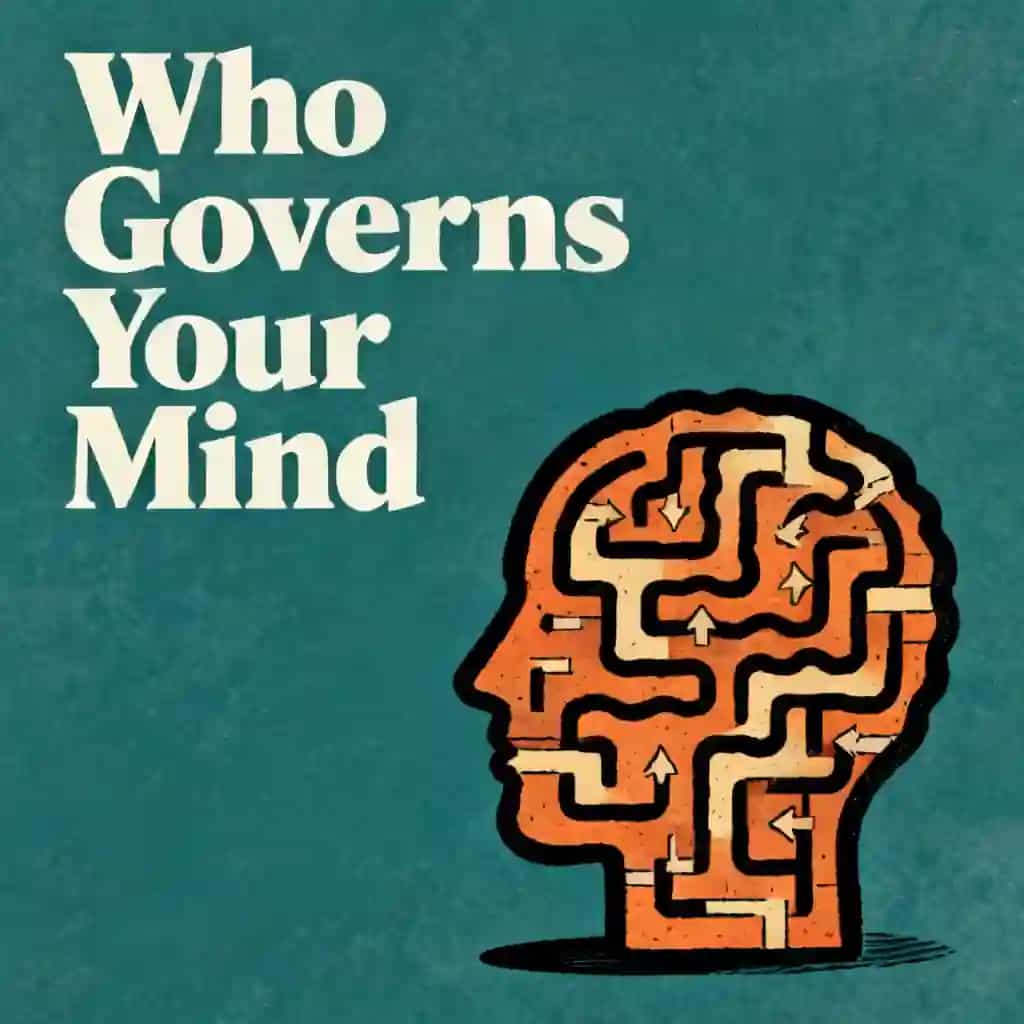
Public Opinion by Walter Lippmann Summary

Overview of Public Opinion
Walter Lippmann's 1922 masterpiece dissects how media shapes reality, introducing concepts still dominating today's discourse. Dubbed "the founding book of modern journalism," it captivated Theodore Roosevelt and entrepreneur Andrew Kortina, who immediately re-read it after finishing - a testament to its enduring brilliance.
- Public opinion forms through pseudo-environments of filtered reality, not direct experience
- Stereotypes act as mental shortcuts that distort objective facts and political decisions
- Media manufactures consent by crafting symbols that unify fragmented public sentiment
- Democracy relies on expert analysis to counter citizens’ cognitive limitations and biases
- News reporting creates emotional narratives while obscuring complex policy realities
- Political symbols exploit universal ideals to manipulate rather than inform voters
- Citizens vote based on leader trustworthiness rather than policy comprehension
- Organized intelligence systems must replace utopian myths of omnicompetent citizens
- Public discourse prioritizes simplified yes/no responses over nuanced problem-solving
- Journalism’s pseudo-environment shapes voter priorities through selective emphasis and exclusion
- Political loyalty stems from self-interest and cultural stereotypes, not rational debate
- Effective governance requires separating fact-finding experts from decision-making authorities
About the Author of Public Opinion
Walter Lippmann (1889–1974) was a Pulitzer Prize-winning journalist and political philosopher whose work reshaped modern media theory. He is best known as the author of Public Opinion.
Lippmann was a founding editor of The New Republic and former editor of the New York World. His career included influential roles in both journalism and policy advisory, including contributions to Woodrow Wilson’s Fourteen Points and the League of Nations.
Lippmann’s expertise in dissecting the interplay between media, democracy, and public perception made Public Opinion (1922) a foundational text in political communication. The book introduced concepts like the "pseudo-environment" and agenda-setting theory. Lippmann’s other notable works, such as The Phantom Public and The Good Society, further explore governance and societal structures.
His syndicated column "Today and Tomorrow," featured in the New York Herald-Tribune, reached millions globally and earned him two Pulitzer Prizes. Recognized for elevating journalistic standards, Harvard’s Nieman Foundation houses its journalism program in the Walter Lippmann House. Public Opinion remains essential reading in political science and media studies, cited for its enduring analysis of information ecosystems.
FAQs About Public Opinion
What is Public Opinion by Walter Lippmann about?
Public Opinion (1922) examines how media, stereotypes, and cognitive limitations shape collective beliefs in democratic societies. Lippmann argues people form perceptions through a "pseudo-environment" of mediated information rather than direct experience, leading to misinformed decisions. The book critiques the idealized view of an "omnicompetent citizen" and explores how elites and media narratives influence public consensus.
Who should read Public Opinion by Walter Lippmann?
This seminal work suits political science students, media professionals, and anyone studying propaganda, democracy, or mass communication. Lippmann’s insights remain relevant for understanding modern issues like misinformation, agenda-setting in journalism, and the ethics of public persuasion.
Is Public Opinion by Walter Lippmann worth reading?
Yes—it’s a foundational text in media theory and political communication. Lippmann’s concepts, like the "manufacture of consent" and the role of stereotypes, underpin modern discussions about media bias and democratic accountability. Critics praise its prescient analysis of how information ecosystems shape societal beliefs.
What are the main concepts in Public Opinion?
Key ideas include:
- Pseudo-environment: Mediated realities replacing direct experience.
- Stereotypes: Mental shortcuts that distort perceptions.
- Manufacture of consent: Elite-driven opinion engineering.
- Agenda-setting: Media’s power to prioritize issues for public discourse.
How does Walter Lippmann define the "pseudo-environment"?
Lippmann describes it as a subjective mental construct shaped by media, culture, and selective information. Individuals respond to this distorted "world inside their heads" rather than objective reality, creating gaps between perception and truth.
What does Lippmann say about stereotypes in Public Opinion?
He argues stereotypes simplify complex realities but perpetuate biases. They act as cognitive filters, shaping how people interpret events and defend their social identities. This leads to moralized, oversimplified views of public issues.
What is the "manufacture of consent" in Lippmann’s theory?
It refers to the strategic shaping of public opinion by elites using media and symbols. Lippmann contends this engineering is necessary in complex societies but raises ethical concerns about manipulation vs. informed democracy.
How does Public Opinion critique democracy?
Lippmann challenges the myth of a fully informed citizenry, arguing most lack time or expertise to grasp nuanced issues. He advocates for expert-guided governance but warns of risks in centralized narrative control.
What famous quotes come from Public Opinion?
- “The pictures inside people’s heads…”: Highlights how mental images replace direct knowledge.
- “The manufacture of consent…”: Describes opinion-shaping as a modern democratic tool.
How does Public Opinion relate to Edward Bernays’ work?
Both explore mass persuasion, but Lippmann focuses on democratic governance, while Bernays applies similar principles to commercial propaganda. Their ideas collectively underpin modern public relations and political communication.
Why is Public Opinion relevant in 2025?
Its analysis of media-filtered realities anticipates today’s challenges: AI-driven disinformation, algorithmic bubbles, and crisis trust in institutions. Lippmann’s framework helps dissect how narratives like climate change or polarization gain traction.
What are criticisms of Public Opinion?
Some argue Lippmann underestimates public reasoning capacity or overstates elite benevolence. Others note his skepticism of participatory democracy clashes with grassroots movements’ successes. Nevertheless, its diagnostic rigor remains influential.
Feel the book through the author's voice
Turn knowledge into engaging, example-rich insights
Capture key ideas in a flash for fast learning
Enjoy the book in a fun and engaging way
Key Themes in Public Opinion
Quotes from Public Opinion
For the most part we do not first see, and then define, we define first and then see.
The only feeling that anyone can have about an event he does not experience is the feeling aroused by his mental image of that event.
The subtlest and most pervasive of all influences are those which create and maintain the codes of prestige.
We don't first see and then define-we define first and then see.
Characters in Public Opinion
Quick Summary Mode - Read or listen to Public Opinion Summary in 9 Minutes

Break down key ideas from Public Opinion into bite-sized takeaways to understand how innovative teams create, collaborate, and grow.

Flash Card Mode - Top 10 Insights from Public Opinion in a Nutshell

Distill Public Opinion into rapid-fire memory cues that highlight key principles of candor, teamwork, and creative resilience.

Fun Mode - Public Opinion Lessons Told Through 20-Min Stories

Experience Public Opinion through vivid storytelling that turns innovation lessons into moments you'll remember and apply.
Personalize Mode - Read or listen to Public Opinion Summary in 0 Minutes

Ask anything, pick the voice, and co-create insights that truly resonate with you.

From Columbia University alumni built in San Francisco
"Instead of endless scrolling, I just hit play on BeFreed. It saves me so much time."


"I never knew where to start with nonfiction—BeFreed’s book lists turned into podcasts gave me a clear path."


"Perfect balance between learning and entertainment. Finished ‘Thinking, Fast and Slow’ on my commute this week."
"Crazy how much I learned while walking the dog. BeFreed = small habits → big gains."
"Reading used to feel like a chore. Now it’s just part of my lifestyle."

"Feels effortless compared to reading. I’ve finished 6 books this month already."
"BeFreed turned my guilty doomscrolling into something that feels productive and inspiring."

"BeFreed turned my commute into learning time. 20-min podcasts are perfect for finishing books I never had time for."
"BeFreed replaced my podcast queue. Imagine Spotify for books — that’s it. 🙌"

"It is great for me to learn something from the book without reading it."
"The themed book list podcasts help me connect ideas across authors—like a guided audio journey."
"Makes me feel smarter every time before going to work"
From Columbia University alumni built in San Francisco
"Instead of endless scrolling, I just hit play on BeFreed. It saves me so much time."
"I never knew where to start with nonfiction—BeFreed’s book lists turned into podcasts gave me a clear path."
"Perfect balance between learning and entertainment. Finished ‘Thinking, Fast and Slow’ on my commute this week."
"Crazy how much I learned while walking the dog. BeFreed = small habits → big gains."
"Reading used to feel like a chore. Now it’s just part of my lifestyle."
"Feels effortless compared to reading. I’ve finished 6 books this month already."
"BeFreed turned my guilty doomscrolling into something that feels productive and inspiring."
"BeFreed turned my commute into learning time. 20-min podcasts are perfect for finishing books I never had time for."
"BeFreed replaced my podcast queue. Imagine Spotify for books — that’s it. 🙌"
"It is great for me to learn something from the book without reading it."
"The themed book list podcasts help me connect ideas across authors—like a guided audio journey."
"Makes me feel smarter every time before going to work"
"Instead of endless scrolling, I just hit play on BeFreed. It saves me so much time."
"I never knew where to start with nonfiction—BeFreed’s book lists turned into podcasts gave me a clear path."
"Perfect balance between learning and entertainment. Finished ‘Thinking, Fast and Slow’ on my commute this week."
"Crazy how much I learned while walking the dog. BeFreed = small habits → big gains."
"Reading used to feel like a chore. Now it’s just part of my lifestyle."
"Feels effortless compared to reading. I’ve finished 6 books this month already."
"BeFreed turned my guilty doomscrolling into something that feels productive and inspiring."
"BeFreed turned my commute into learning time. 20-min podcasts are perfect for finishing books I never had time for."
"BeFreed replaced my podcast queue. Imagine Spotify for books — that’s it. 🙌"
"It is great for me to learn something from the book without reading it."
"The themed book list podcasts help me connect ideas across authors—like a guided audio journey."
"Makes me feel smarter every time before going to work"
"Instead of endless scrolling, I just hit play on BeFreed. It saves me so much time."
"I never knew where to start with nonfiction—BeFreed’s book lists turned into podcasts gave me a clear path."
"Perfect balance between learning and entertainment. Finished ‘Thinking, Fast and Slow’ on my commute this week."
"Crazy how much I learned while walking the dog. BeFreed = small habits → big gains."
"Reading used to feel like a chore. Now it’s just part of my lifestyle."
"Feels effortless compared to reading. I’ve finished 6 books this month already."
"BeFreed turned my guilty doomscrolling into something that feels productive and inspiring."
"BeFreed turned my commute into learning time. 20-min podcasts are perfect for finishing books I never had time for."
"BeFreed replaced my podcast queue. Imagine Spotify for books — that’s it. 🙌"
"It is great for me to learn something from the book without reading it."
"The themed book list podcasts help me connect ideas across authors—like a guided audio journey."
"Makes me feel smarter every time before going to work"

Get the Public Opinion summary as a free PDF or EPUB. Print it or read offline anytime.