Hope is not a strategy: the 6 keys to winning the complex sale by Rick Page Summary

Overview of Hope is not a strategy
In "Hope Is Not a Strategy," Rick Page reveals the complex science behind enterprise sales. Discover why Fortune 500 sales leaders consider this their secret weapon - a tactical blueprint that transforms wishful thinking into methodical deal-closing mastery.
- Replace hope with Rick Page’s R.A.D.A.R. framework for systematic complex sales wins.
- Influence buying committees by aligning solutions to operational pains and political gains.
- Qualify prospects early using ROI alignment and competitive positioning to avoid wasted effort.
- Shape buyer criteria proactively instead of reacting to pre-set evaluation checklists.
- Build mutual trust through advisory relationships that prioritize client success over quick sales.
- Master “algebraic democracy” to navigate multi-stakeholder decision-making dynamics in enterprise deals.
- Convert technical users into champions by linking solutions to their career advancement goals.
- Avoid “quote and hope” proposals through ongoing needs discovery and process control.
- Differentiate using financial impact projections tailored to executive-level strategic priorities.
- Treat sales as team sport with coordinated messaging across technical and C-suite contacts.
- Recognize when to walk away by scoring opportunities on authority-budget-need-time (ABNT) factors.
- Embed post-sale value tracking to transform transactional wins into long-term partnership platforms.
About the Author of Hope is not a strategy
Rick Page, author of the #1 sales bestseller Hope Is Not a Strategy, is a globally recognized authority in complex sales methodologies and sales force effectiveness. A seasoned sales strategist with over three decades of experience, Page founded The Complex Sale, a consulting firm that has trained sales teams across 50+ countries in winning high-stakes deals.
His expertise stems from leadership roles at Dun & Bradstreet Software, where he directed global sales training programs, and his MBA from the University of North Carolina at Chapel Hill.
Hope Is Not a Strategy distills Page’s proven framework for navigating intricate sales processes, emphasizing strategic planning over wishful thinking—a philosophy refined through his work with Fortune 500 companies and startups alike. The book has become essential reading in sales training programs worldwide and established Page as a sought-after speaker at international sales conferences. His follow-up works further explore advanced tactics in competitive selling and decision-maker alignment.
Page’s methodologies continue to shape modern sales practices, with his firm’s clients attributing over $2 billion in closed deals to his strategies.
FAQs About Hope is not a strategy
What is Hope is Not a Strategy: The 6 Keys to Winning the Complex Sale about?
Rick Page’s Hope is Not a Strategy provides a systematic approach to managing complex B2B sales. It outlines six proven strategies: linking solutions to client pain points, prospect qualification, building competitive advantage, navigating decision-making processes, selling to key stakeholders, and maintaining strategic control. The book emphasizes solving client problems over product pitches and introduces the RADAR framework for managing sales cycles.
Who should read Hope is Not a Strategy?
This book is essential for B2B sales professionals, consultants, and business development teams in competitive industries like software, professional services, or enterprise solutions. It’s particularly valuable for non-sales experts (e.g., engineers or consultants) who need to position technical solutions strategically.
Is Hope is Not a Strategy worth reading in 2025?
Yes. Despite being published in 2002, its focus on strategic problem-solving over transactional selling remains relevant for complex sales environments. Readers praise its actionable tools like opportunity qualification checklists and competitive positioning tactics, which adapt well to modern challenges like virtual selling and multi-stakeholder deals.
What is the RADAR framework in Hope is Not a Strategy?
RADAR is Rick Page’s methodology for managing sales cycles: Resolve client pain points, Anticipate objections, Differentiate from competitors, Accelerate or decelerate deal momentum, and Reinforce value post-sale. It helps sales teams maintain control and adapt to shifting client priorities.
How does Hope is Not a Strategy approach competitive sales tactics?
The book advises building “competitive preference” early by aligning solutions with urgent client needs and reframing competitors’ strengths as weaknesses. Page stresses proactive objection handling and leveraging third-party validation to position your offering as the low-risk choice.
What are the six keys to winning complex sales?
- Link solutions to client pain/gain
- Qualify prospects rigorously
- Build competitive preference
- Map decision-making processes
- Engage power stakeholders
- Maintain strategic control through adaptive planning.
How does Hope is Not a Strategy differ from other sales books?
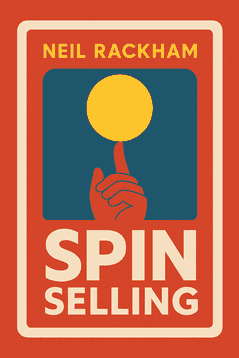
Unlike transactional sales guides, Page focuses on multi-step, committee-driven deals common in enterprise sales. It complements methodologies like SPIN Selling but adds tools for managing protracted cycles, political dynamics, and competitor counterattacks.
What are common criticisms of Hope is Not a Strategy?
Some reviewers note its examples feel dated for digital-first sales contexts. However, its core principles—like diagnosing client pain and controlling deal velocity—translate effectively to modern remote selling when paired with CRM analytics.
How does Rick Page’s background influence the book?
Drawing on 30+ years in enterprise software sales and consulting, Page combines tactical frameworks (e.g., opportunity qualification scorecards) with real-world insights on managing stakeholder politics and post-sale relationships.
Can Hope is Not a Strategy help with RFP responses?
Yes. The book’s chapter on “Selling to Power” explains how to influence RFP criteria before formal bids begin. It also provides strategies for differentiating proposals and managing evaluation committees.
What key quotes define Hope is Not a Strategy?
- “Hope is not a strategy, action is”: Emphasizes proactive deal management over passive optimism.
- “You don’t win deals—you help clients avoid losing”: Stresses risk mitigation as a buying motivator.
How does the book address long-term client relationships?
Later chapters advocate for “account farming” over “hunting”—focusing on expanding trusted partnerships through consistent value delivery, cross-selling aligned with client roadmaps, and co-developing success metrics.
Feel the book through the author's voice
Turn knowledge into engaging, example-rich insights
Capture key ideas in a flash for fast learning
Enjoy the book in a fun and engaging way
Key Themes in Hope is not a strategy
Quotes from Hope is not a strategy
"They don't decide how to decide until they can't decide."
Concentration of force is strategy's first principle.
"Show up and throw up."
Mismatching talent to roles can devastate sales effectiveness.
Characters in Hope is not a strategy
Quick Summary Mode - Read or listen to Hope is not a strategy Summary in 10 Minutes

Break down key ideas from Hope is not a strategy into bite-sized takeaways to understand how innovative teams create, collaborate, and grow.

Flash Card Mode - Top 10 Insights from Hope is not a strategy in a Nutshell

Distill Hope is not a strategy into rapid-fire memory cues that highlight key principles of candor, teamwork, and creative resilience.

Fun Mode - Hope is not a strategy Lessons Told Through 25-Min Stories

Experience Hope is not a strategy through vivid storytelling that turns innovation lessons into moments you'll remember and apply.
Personalize Mode - Read or listen to Hope is not a strategy Summary in 0 Minutes

Ask anything, pick the voice, and co-create insights that truly resonate with you.

From Columbia University alumni built in San Francisco
"Instead of endless scrolling, I just hit play on BeFreed. It saves me so much time."


"I never knew where to start with nonfiction—BeFreed’s book lists turned into podcasts gave me a clear path."


"Perfect balance between learning and entertainment. Finished ‘Thinking, Fast and Slow’ on my commute this week."
"Crazy how much I learned while walking the dog. BeFreed = small habits → big gains."
"Reading used to feel like a chore. Now it’s just part of my lifestyle."

"Feels effortless compared to reading. I’ve finished 6 books this month already."
"BeFreed turned my guilty doomscrolling into something that feels productive and inspiring."

"BeFreed turned my commute into learning time. 20-min podcasts are perfect for finishing books I never had time for."
"BeFreed replaced my podcast queue. Imagine Spotify for books — that’s it. 🙌"

"It is great for me to learn something from the book without reading it."
"The themed book list podcasts help me connect ideas across authors—like a guided audio journey."
"Makes me feel smarter every time before going to work"
From Columbia University alumni built in San Francisco
"Instead of endless scrolling, I just hit play on BeFreed. It saves me so much time."
"I never knew where to start with nonfiction—BeFreed’s book lists turned into podcasts gave me a clear path."
"Perfect balance between learning and entertainment. Finished ‘Thinking, Fast and Slow’ on my commute this week."
"Crazy how much I learned while walking the dog. BeFreed = small habits → big gains."
"Reading used to feel like a chore. Now it’s just part of my lifestyle."
"Feels effortless compared to reading. I’ve finished 6 books this month already."
"BeFreed turned my guilty doomscrolling into something that feels productive and inspiring."
"BeFreed turned my commute into learning time. 20-min podcasts are perfect for finishing books I never had time for."
"BeFreed replaced my podcast queue. Imagine Spotify for books — that’s it. 🙌"
"It is great for me to learn something from the book without reading it."
"The themed book list podcasts help me connect ideas across authors—like a guided audio journey."
"Makes me feel smarter every time before going to work"
"Instead of endless scrolling, I just hit play on BeFreed. It saves me so much time."
"I never knew where to start with nonfiction—BeFreed’s book lists turned into podcasts gave me a clear path."
"Perfect balance between learning and entertainment. Finished ‘Thinking, Fast and Slow’ on my commute this week."
"Crazy how much I learned while walking the dog. BeFreed = small habits → big gains."
"Reading used to feel like a chore. Now it’s just part of my lifestyle."
"Feels effortless compared to reading. I’ve finished 6 books this month already."
"BeFreed turned my guilty doomscrolling into something that feels productive and inspiring."
"BeFreed turned my commute into learning time. 20-min podcasts are perfect for finishing books I never had time for."
"BeFreed replaced my podcast queue. Imagine Spotify for books — that’s it. 🙌"
"It is great for me to learn something from the book without reading it."
"The themed book list podcasts help me connect ideas across authors—like a guided audio journey."
"Makes me feel smarter every time before going to work"
"Instead of endless scrolling, I just hit play on BeFreed. It saves me so much time."
"I never knew where to start with nonfiction—BeFreed’s book lists turned into podcasts gave me a clear path."
"Perfect balance between learning and entertainment. Finished ‘Thinking, Fast and Slow’ on my commute this week."
"Crazy how much I learned while walking the dog. BeFreed = small habits → big gains."
"Reading used to feel like a chore. Now it’s just part of my lifestyle."
"Feels effortless compared to reading. I’ve finished 6 books this month already."
"BeFreed turned my guilty doomscrolling into something that feels productive and inspiring."
"BeFreed turned my commute into learning time. 20-min podcasts are perfect for finishing books I never had time for."
"BeFreed replaced my podcast queue. Imagine Spotify for books — that’s it. 🙌"
"It is great for me to learn something from the book without reading it."
"The themed book list podcasts help me connect ideas across authors—like a guided audio journey."
"Makes me feel smarter every time before going to work"

Get the Hope is not a strategy summary as a free PDF or EPUB. Print it or read offline anytime.