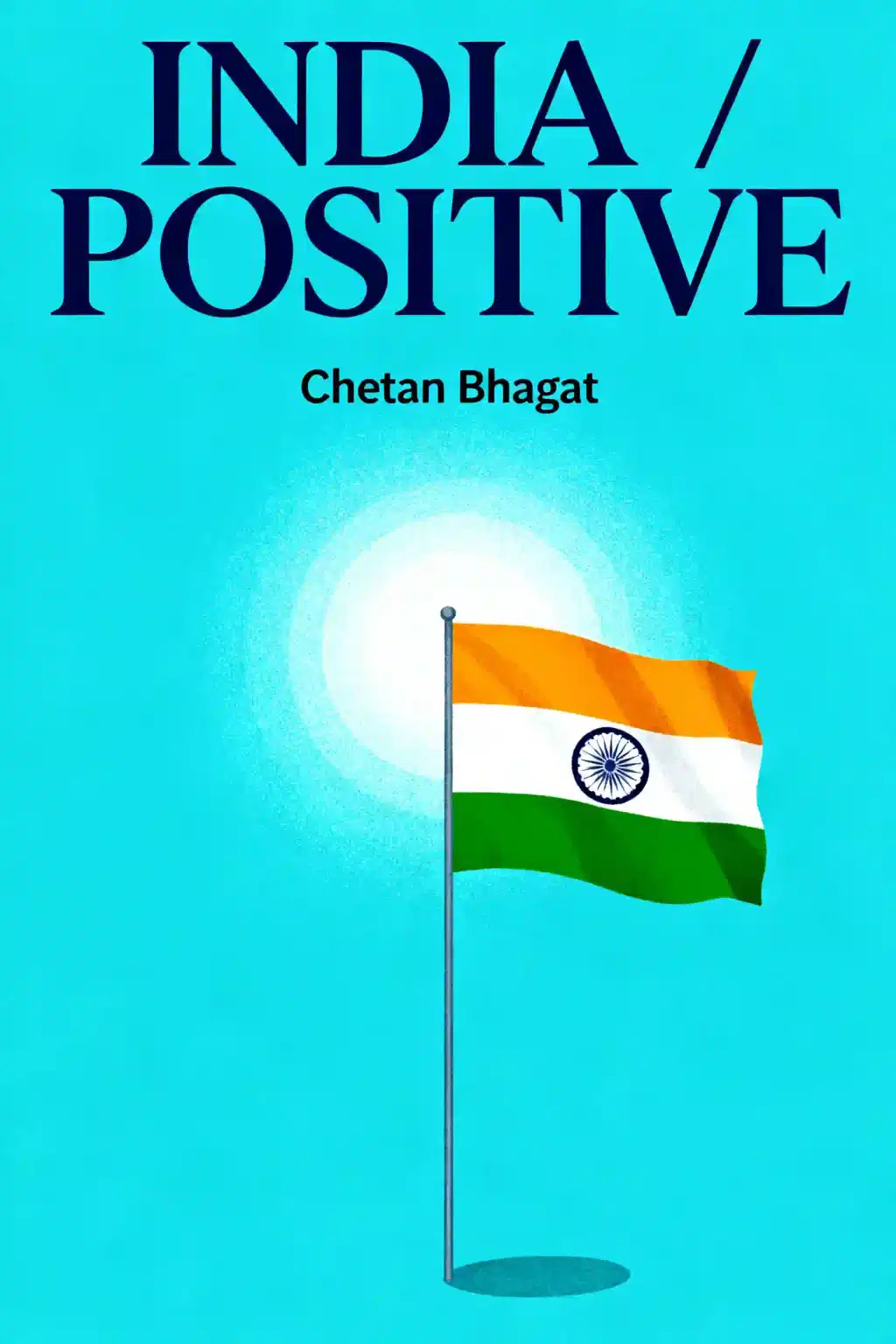
India Positive: New Essays and Columns by Chetan Bhagat Summary

Overview of India Positive
Chetan Bhagat's "India Positive" tackles India's pressing challenges with accessible solutions. Named among Time's 100 most influential people, Bhagat's perspective on education, corruption, and infrastructure has sparked nationwide conversations. Can ordinary citizens truly transform a nation of 1.3 billion?
- India's youth must drive systemic change through education reform and job creation.
- Citizens become "India Positive" by focusing on solutions over political blame.
- Social media warriors should combat misinformation with facts, not polarization.
- GST implementation needs simplification to boost entrepreneurship and economic growth.
- Casteism requires grassroots education initiatives alongside policy changes for equality.
- Corruption decreases when citizens demand transparency over accepting "how things work."
- Infrastructure development must prioritize sustainability over short-term political gains.
- Educational institutes need industry partnerships to bridge skill gaps.
- Political parties matter less than citizen-led accountability mechanisms.
- Economic progress requires balancing tech automation with labor-intensive job protection.
- Media literacy programs combat fake news more effectively than content bans.
- Urban-rural divide narrows through digital access and localized governance models.
About the Author of India Positive
Chetan Prakash Bhagat, the bestselling author of India Positive, is a leading voice in contemporary Indian social commentary. He combines sharp analysis with accessible prose to address the nation’s pressing challenges.
Born in New Delhi in 1974, Bhagat's background as an IIT Delhi and IIM Ahmedabad alumnus, coupled with his former career in investment banking, informs his data-driven yet relatable exploration of governance, youth empowerment, and economic progress.
A prolific columnist for The Times of India and Dainik Bhaskar, he extends his insights through TEDx talks, a popular YouTube channel, and motivational speaking engagements. His prior non-fiction works, including What Young India Wants and Making India Awesome, established him as a bridge between policy discourse and public understanding, while novels like 2 States and Five Point Someone (adapted into the blockbuster 3 Idiots) showcase his storytelling prowess.
Named among Time magazine’s 100 Most Influential People, Bhagat’s books have sold over 12 million copies globally, with translations in 20+ languages. India Positive continues his mission to spark actionable dialogue, blending grassroots observations with institutional reform strategies.
FAQs About India Positive
What is India Positive by Chetan Bhagat about?
India Positive is a collection of essays addressing India’s socio-economic challenges, including education, employment, corruption, casteism, and governance. Chetan Bhagat advocates for citizen-driven solutions, urging readers to become proactive “India Positive Citizens” to foster national progress. The book blends analysis with actionable ideas, emphasizing reforms in infrastructure, GST implementation, and social media accountability.
Who should read India Positive?
This book is ideal for Indian citizens, policymakers, students, and anyone invested in the country’s future. It appeals to readers seeking accessible insights into systemic issues and practical steps for personal and societal improvement. Bhagat’s straightforward style makes complex topics approachable for both casual readers and academic audiences.
Is India Positive worth reading?
Yes, particularly for those interested in India’s development. Bhagat’s essays offer concise, solution-oriented perspectives on pressing issues like job creation and educational reform. While critics argue it simplifies complex problems, its actionable frameworks and motivational tone make it a valuable primer for civic engagement.
What are the main themes in India Positive?
Key themes include:
- Citizen Responsibility: Encouraging individuals to drive change.
- Economic Reforms: Improving GST, infrastructure, and job markets.
- Social Equity: Tackling casteism and creating equal opportunities.
- Education: Building world-class institutions and skill development.
What does “India Positive Citizens” mean?
The term refers to proactive individuals who actively contribute to national progress. Bhagat argues that systemic change requires citizens to move beyond criticism, engage in civic duties, and advocate for accountability in governance and social norms.
How does India Positive address unemployment?
Bhagat emphasizes skill-based education, entrepreneurship, and public-private partnerships to boost job creation. He critiques outdated academic curricula and advocates for vocational training aligned with industry needs to empower India’s youth.
What solutions does Chetan Bhagat propose for corruption?
The book suggests leveraging technology for transparent governance, simplifying legal processes, and fostering a cultural shift where citizens reject bribery. Bhagat highlights the role of social media in holding leaders accountable.
How does India Positive compare to Chetan Bhagat’s fiction?
Unlike his novels (Five Point Someone, 2 States), India Positive is non-fiction, focusing on real-world issues rather than storytelling. It retains Bhagat’s accessible style but replaces romantic plots with policy critiques and civic advocacy.
What criticisms exist about India Positive?
Some argue the book oversimplifies systemic issues and leans heavily on individual responsibility without addressing structural inequalities. However, supporters praise its pragmatic tone and ability to spark dialogue among younger readers.
Why is India Positive relevant in 2025?
As India navigates global economic shifts and technological advancements, Bhagat’s ideas on education reform, job creation, and citizen activism remain timely. The essays provide a foundation for addressing ongoing challenges like AI-driven unemployment and political polarization.
What are key quotes from India Positive?
- “We need to stand up and be India Positive Citizens.” Highlights the book’s core message of proactive citizenship.
- “Progress happens when we stop complaining and start contributing.” Encourages practical engagement over passive criticism.
How does India Positive differ from other books on India’s development?
Bhagat avoids academic jargon, using relatable analogies and concise essays to reach a broader audience. Unlike Amartya Sen’s theoretical approaches, India Positive prioritizes grassroots-level actions and mindset shifts.
What actionable steps does the book recommend?
- Advocate for transparent governance.
- Support skill-based education initiatives.
- Reject caste-based discrimination in daily interactions.
- Use social media responsibly to amplify constructive dialogue.
Feel the book through the author's voice
Turn knowledge into engaging, example-rich insights
Capture key ideas in a flash for fast learning
Enjoy the book in a fun and engaging way
Key Themes in India Positive
Quotes from India Positive
The government in power doesn't matter as much as we think.
Being India Positive isn't about blind patriotism or propaganda.
Our education system remains broken.
No single party has all the answers.
Characters in India Positive
Quick Summary Mode - Read or listen to India Positive Summary in 9 Minutes

Break down key ideas from India Positive into bite-sized takeaways to understand how innovative teams create, collaborate, and grow.

Flash Card Mode - Top 7 Insights from India Positive in a Nutshell

Distill India Positive into rapid-fire memory cues that highlight key principles of candor, teamwork, and creative resilience.

Fun Mode - India Positive Lessons Told Through 25-Min Stories

Experience India Positive through vivid storytelling that turns innovation lessons into moments you'll remember and apply.
Personalize Mode - Read or listen to India Positive Summary in 0 Minutes

Ask anything, pick the voice, and co-create insights that truly resonate with you.

From Columbia University alumni built in San Francisco
"Instead of endless scrolling, I just hit play on BeFreed. It saves me so much time."


"I never knew where to start with nonfiction—BeFreed’s book lists turned into podcasts gave me a clear path."


"Perfect balance between learning and entertainment. Finished ‘Thinking, Fast and Slow’ on my commute this week."
"Crazy how much I learned while walking the dog. BeFreed = small habits → big gains."
"Reading used to feel like a chore. Now it’s just part of my lifestyle."

"Feels effortless compared to reading. I’ve finished 6 books this month already."
"BeFreed turned my guilty doomscrolling into something that feels productive and inspiring."

"BeFreed turned my commute into learning time. 20-min podcasts are perfect for finishing books I never had time for."
"BeFreed replaced my podcast queue. Imagine Spotify for books — that’s it. 🙌"

"It is great for me to learn something from the book without reading it."
"The themed book list podcasts help me connect ideas across authors—like a guided audio journey."
"Makes me feel smarter every time before going to work"
From Columbia University alumni built in San Francisco
"Instead of endless scrolling, I just hit play on BeFreed. It saves me so much time."
"I never knew where to start with nonfiction—BeFreed’s book lists turned into podcasts gave me a clear path."
"Perfect balance between learning and entertainment. Finished ‘Thinking, Fast and Slow’ on my commute this week."
"Crazy how much I learned while walking the dog. BeFreed = small habits → big gains."
"Reading used to feel like a chore. Now it’s just part of my lifestyle."
"Feels effortless compared to reading. I’ve finished 6 books this month already."
"BeFreed turned my guilty doomscrolling into something that feels productive and inspiring."
"BeFreed turned my commute into learning time. 20-min podcasts are perfect for finishing books I never had time for."
"BeFreed replaced my podcast queue. Imagine Spotify for books — that’s it. 🙌"
"It is great for me to learn something from the book without reading it."
"The themed book list podcasts help me connect ideas across authors—like a guided audio journey."
"Makes me feel smarter every time before going to work"
"Instead of endless scrolling, I just hit play on BeFreed. It saves me so much time."
"I never knew where to start with nonfiction—BeFreed’s book lists turned into podcasts gave me a clear path."
"Perfect balance between learning and entertainment. Finished ‘Thinking, Fast and Slow’ on my commute this week."
"Crazy how much I learned while walking the dog. BeFreed = small habits → big gains."
"Reading used to feel like a chore. Now it’s just part of my lifestyle."
"Feels effortless compared to reading. I’ve finished 6 books this month already."
"BeFreed turned my guilty doomscrolling into something that feels productive and inspiring."
"BeFreed turned my commute into learning time. 20-min podcasts are perfect for finishing books I never had time for."
"BeFreed replaced my podcast queue. Imagine Spotify for books — that’s it. 🙌"
"It is great for me to learn something from the book without reading it."
"The themed book list podcasts help me connect ideas across authors—like a guided audio journey."
"Makes me feel smarter every time before going to work"
"Instead of endless scrolling, I just hit play on BeFreed. It saves me so much time."
"I never knew where to start with nonfiction—BeFreed’s book lists turned into podcasts gave me a clear path."
"Perfect balance between learning and entertainment. Finished ‘Thinking, Fast and Slow’ on my commute this week."
"Crazy how much I learned while walking the dog. BeFreed = small habits → big gains."
"Reading used to feel like a chore. Now it’s just part of my lifestyle."
"Feels effortless compared to reading. I’ve finished 6 books this month already."
"BeFreed turned my guilty doomscrolling into something that feels productive and inspiring."
"BeFreed turned my commute into learning time. 20-min podcasts are perfect for finishing books I never had time for."
"BeFreed replaced my podcast queue. Imagine Spotify for books — that’s it. 🙌"
"It is great for me to learn something from the book without reading it."
"The themed book list podcasts help me connect ideas across authors—like a guided audio journey."
"Makes me feel smarter every time before going to work"

Get the India Positive summary as a free PDF or EPUB. Print it or read offline anytime.