BeFreed
    Categories>Psychology>Manipulation is quieter than you think

    Manipulation is quieter than you think

    40 分钟
    |
    |
    2026年3月31日
    PsychologySelf-GrowthCommunication

    When care feels like control, it’s hard to trust your gut. Learn to spot subtle tactics like love bombing and reclaim your reality with clear boundaries.

    Manipulation is quieter than you think
    选择讲述方式

    同一期节目,多种聆听方式。

    围绕《Manipulation is quieter than you think》的相同观点,选择适合你的声音、深度和节奏,随时切换。

    逐字稿与章节

    第 1 章

    The Subtle Art of Hidden Control

    Lena: You know, Miles, I was thinking about how we often picture manipulation as this big, cinematic villain move, but it’s usually so much quieter than that. It can actually look like someone being incredibly caring or attentive, which is why it’s so confusing when you’re left with that lingering sense of unease.

    Miles: Exactly, Lena. It’s that "hidden hand" guiding you rather than an open hand offering a choice. What’s really eye-opening is that according to recent research from early 2026, people who use these tactics—whether it’s emotional manipulation or Machiavellianism—actually tend to perceive their own relationships as lower in quality. It’s a cycle that ends up hurting everyone involved.

    Lena: That is such a powerful reframe. It’s not just about "bad" people; it’s about these patterns, like love bombing or gaslighting, that slowly erode our self-trust. Let’s explore how these subtle tactics actually work and how we can start naming them to reclaim our own reality.

    第 2 章

    The Foundations of Influence and the Architecture of Choice

    Miles: It really is about that erosion of self—that slow, quiet wearing away of your own internal compass. When we talk about the foundation of manipulation, we have to look at what some researchers call the "Manipulation Formula." I was looking at some analysis from the Dark Psychology Lab earlier this year—early 2026—and they break it down into a literal equation: Trust plus Information plus Leverage plus Psychological Confusion plus Dependency. When you add all those up, you get Control.

    Lena: A literal formula. That’s chilling, Miles. It makes it sound so clinical—like a project someone is working on rather than a relationship. But it makes sense. You can’t really manipulate someone who doesn’t trust you, right? You need that initial "in."

    Miles: Exactly. Trust is the baseline. It’s what lowers your defenses and makes you emotionally accessible. And once that door is open, the next step is Information Gathering. The manipulator isn't just getting to know you to be a good friend—they’re "mapping your vulnerabilities." They’re looking for your fears, your need for approval, or those old unresolved traumas. In the industry, they sometimes call this "vulnerability mapping."

    Lena: Vulnerability mapping—that sounds like they’re literally looking for the cracks in the armor. It’s so predatory when you put it that way. But for the person experiencing it, it probably just feels like deep, intense interest. Like, "Wow, this person really wants to know the real me."

    Miles: Right! And that’s the trap. They use that information to find your "leverage points." Leverage is the critical variable. Without an emotional or psychological pressure point, manipulation doesn't really have any teeth. It’s the difference between someone suggesting an idea and someone steering your behavior by tugging on a string they know will make you move.

    Lena: So, if trust and information are the setup, leverage is the actual mechanism. But how does the "psychological confusion" part fit in? Is that where things like gaslighting come into play?

    Miles: Spot on. Psychological confusion is the "heavy artillery." It’s designed to distort your perception of reality so much that you stop trusting your own eyes and ears. You start relying on the manipulator to tell you what’s true, what’s reasonable, and even how you’re supposed to feel. This creates a state of dependency where the manipulator becomes your only source of "truth."

    Lena: It’s like they’re building a private world where they make all the rules. And because they’ve gathered all that info on your vulnerabilities, they know exactly which rules will keep you stuck. It’s not just a one-time lie—it’s a structured process.

    Miles: It really is a sequence. You have the "Illusion of Safety" at the start—maybe using things like "mirroring," where they copy your values and language to make you feel like you’ve found a soulmate. Then comes the "Push-Pull" dynamic—unpredictable warmth followed by sudden coldness. That "intermittent reinforcement" is incredibly powerful. It works just like a slot machine. You keep playing—or in this case, keep trying to please them—because you’re waiting for that next "payout" of affection.

    Lena: It’s addictive. Your brain literally gets hooked on the relief of them being "nice" again. I think it’s important for our listeners to realize that if they feel like they’re on an emotional rollercoaster, it might not be because the relationship is "passionate." It might be because it’s being engineered to keep them off balance.

    Miles: That’s a vital distinction. Healthy relationships have consistency. Manipulation thrives on ambiguity. If you’re constantly second-guessing a person’s intentions or your own memory of a conversation, that’s a major red flag. It’s that "unfinished feeling"—that sense that the ground is always shifting under your feet.

    Lena: And once that ground starts shifting, they start moving the goalposts, don't they? I remember reading that this tactic—moving the goalposts—is a way to keep someone striving for a standard they can never actually reach.

    Miles: Exactly. You do what they asked, you change the behavior they complained about, and suddenly… it’s not enough. The standard has changed. The agreement has been altered after the fact. It keeps you in a chronic state of trying to live up to a vaguely defined ideal, which makes you much easier to control because you’re always the one "at fault."

    Lena: It’s exhausting. It’s like running a race where the finish line keeps receding. And the whole time, you’re told you’re just not running fast enough. It really highlights how these tactics aren’t just "mean"—they’re strategic. They’re designed to maintain a power imbalance where one person’s needs always overshadow the other’s autonomy.

    Miles: That’s the core of it. Influence is part of every human interaction, but it becomes manipulation when it bypasses your informed, voluntary choice. It’s covert. It prioritizes control over connection. And for the listener sitting there wondering, "Is it me?"—the answer is usually no. The confusion you’re feeling is a natural response to a system that’s designed to punish your independence.

    继续学习本期节目

    在 BeFreed 中把本期节目的观点带入更完整的引导式学习体验。

    第 3 章

    The Engineering of Choice and the Illusion of Autonomy

    Lena: You know, Miles, that idea of "covert influence" really sticks with me. It’s not just about one person lying to another in a room. It’s about how our entire environment can be designed to nudge us in a certain direction without us even realizing we’re being pushed.

    Miles: It’s a huge part of what’s happening today, especially in the digital world. We’re living in an age where choice is being "engineered." Think about the concept of "Dark Patterns" in user interface design. I was reading a study published just a few months ago, in February 2026, about how social media platforms use these patterns to secretly serve the provider's interests at the user’s expense.

    Lena: "Dark Patterns"—that sounds like something out of a sci-fi novel. But I bet we encounter them every single day. Is that like those pop-ups that make it almost impossible to find the "cancel" button?

    Miles: Exactly! Or those "consent banners" for cookies that are designed to be so confusing and tedious that you just click "accept all" to make them go away. That’s "deceptive design." It induces decision fatigue and exploits your cognitive biases to get you to give up your data or your privacy.

    Lena: So, they’re literally making the "wrong" choice the easiest one to make. It’s like they’re exhausting us into compliance.

    Miles: That’s a perfect way to put it—exhausting us into compliance. The research calls it a "toxic three-stage pathway." It starts with "Cognitive and Behavioral Manipulation" where these designs exploit things like "scarcity" or "urgency"—you know, those "Only 2 items left in stock!" warnings that aren't always true. That leads to "Emotional Distress"—feelings of frustration and betrayal. And finally, it ends in "Trust and Autonomy Erosion." You stop feeling like you’re the one in control of your digital life.

    Lena: It’s the same formula we talked about earlier, just scaled up for the internet. Instead of one person mapping your vulnerabilities, it’s an algorithm mapping the vulnerabilities of billions of people at once.

    Miles: Right, and it’s not just about getting you to buy a pair of shoes. It’s about the "Engineering of Consent." There’s a fascinating historical line here. Back in the early 20th century, Edward Bernays—often called the founder of modern propaganda—argued that consent isn't natural; it’s something that can be "manufactured." He believed that if you design the perception properly, society will move in the direction you want while believing they made the decision themselves.

    Lena: That’s terrifying. "Manufacturing consent." It makes freedom feel like an illusion. If the framework of reality is being reshaped by algorithms and micro-targeting, how do we even know what’s "real" anymore?

    Miles: That’s the question of the century, Lena. In the digital age, social engineering has evolved beyond just a "phishing email." It’s an intervention in the very architecture of how information flows to us. Technical systems determine which stories we see, which "expert" opinions confirm our biases, and which outrage-bait headlines keep us scrolling.

    Lena: And it’s all optimized for "engagement," right? Not truth. I saw a report from early 2025 that estimated there are over 5.3 billion social media accounts worldwide. That’s a massive "fertile environment" for what they call "disinformation" to spread.

    Miles: Staggering scale. And because algorithms reward emotional intensity, the content that gets the most "reach" is the stuff that triggers fear or moral outrage. Our brains are literally wired for it. Our amygdala—that threat-detection center—lights up when we see something that violates our values. Social media platforms know this, and their research has shown that "heightened emotional content" is directly linked to more time spent on the platform.

    Lena: So they’re literally profitizing our outrage. It’s like they’ve built a machine that runs on our worst impulses. And the more we engage, the more the machine learns how to trigger us next time.

    Miles: Exactly. It’s a feedback loop. And it’s not just "the algorithm" doing it by accident. There are bot networks and "manufactured consensus" at play too. Have you heard of "astroturfing"? It’s when someone uses thousands of fake bot accounts to create the perception of grassroots support for an idea or a political party.

    Lena: Like "fake popularity." If I see ten thousand people liking a post, my brain naturally thinks, "There must be something to this." I’m more likely to trust it because "the crowd" trusts it.

    Miles: That’s "Social Proof," and it’s one of the oldest tricks in the book. But now it’s automated. During the German elections in early 2025, they found thousands of bots created just weeks before the vote, all spamming the same political content. It makes a minority opinion look like a massive movement.

    Lena: It’s a "regime of perception," isn't it? We think we’re making free choices, but we’re actually operating inside a "deliberately constructed environment." It makes me think about how we protect ourselves. If the "invisible governance model" of the modern age is social engineering, where does that leave our autonomy?

    Miles: It leaves us in a position where "critical thinking" is a survival skill. We have to realize that the most dangerous vulnerability isn't technical—it’s the erosion of a "shared reference framework for truth." If we don't know what to trust, we either believe everything or we believe nothing. Both of those extremes make us incredibly easy to manipulate.

    Lena: Belief or cynicism—both are just different ways of giving up. I think that’s why naming these patterns is so empowering. Once you see the "Dark Pattern" or the "manufactured outrage," it loses some of its power over you. You’re not just a "data point" anymore; you’re an observer.

    Miles: That’s the first step to reclaiming your agency. Recognizing that your attention is the most valuable thing you own—and that there’s a multi-trillion-dollar industry designed to take it from you without your consent.

    第 4 章

    The Invisible Battlefield of the Mind

    Lena: Miles, we've been talking about these digital platforms as a kind of "governance model," but it gets even more intense when we look at how military and state actors are thinking about this. I've been seeing this term "Cognitive Warfare" popping up in a lot of strategic documents from early 2026.

    Miles: It’s the new frontier of conflict. NATO and other allied thinkers are now treating the human mind as a formal "battlespace." It’s a shift from kinetic warfare—where you destroy things with bombs—to cognitive warfare, where you destroy an adversary's "coherent sense-making."

    Lena: "Destroying sense-making"—that sounds like a fancy way of saying they want to make people so confused and divided that they can't even agree on what's happening, let alone how to respond to it.

    Miles: That’s exactly it. The goal isn't military destruction; it's the "erosion of legitimacy" and the "paralysis of decision-making." If you can engineering enough doubt and trigger enough emotionally charged divisions, a society will essentially collapse from the inside. It’s "death by a thousand cuts," but the cuts are all psychological.

    Lena: It makes me think about that "Syrian chemical weapons" example from a few years ago. I remember reading how a coordinated narrative strategy—just flooding the zone with contradictory stories—delayed international action for months. It wasn't about "winning" the argument; it was just about making the truth feel "contested" long enough to win on the ground.

    Miles: Exactly! That’s a classic example of "doubt amplification." In that environment, "seeing is no longer believing." We’ve entered what UNESCO calls a "crisis of knowing." And with deepfakes becoming a daily reality in 2025 and 2026, that crisis is only getting deeper.

    Lena: Deepfakes are so scary because they don't even have to be "perfect" to work. They just have to push someone who’s already leaning in a certain direction a little bit further, right?

    Miles: Right. Research shows that deepfakes rarely change people’s minds. Instead, they "radicalize existing views." If you already hate a politician, a deepfake of them saying something awful just "confirms" what you already believe. It exploits your confirmation bias. The scariest part is the "liar’s dividend"—where real, legitimate news gets dismissed as "fake" because people know deepfakes exist.

    Lena: So the mere existence of the technology makes the truth harder to defend. It creates a "trust collapse" where nobody knows what foundation to verify reality on.

    Miles: And this is where "Psychological Operations," or PSYOP, gets really interesting. There’s a huge misunderstanding that "everything is a psyop" now. But professional PSYOP is actually a highly regulated, legally bounded military capability. It’s governed by doctrine and law.

    Lena: Wait, so you’re saying there’s a difference between "governed influence" and "ungoverned manipulation"?

    Miles: A massive difference. PSYOP is intentional, has a chain of command, and is directed at foreign audiences to achieve specific military goals—like getting soldiers to surrender or reducing civilian chaos. But what we’re seeing on social media—the algorithmic amplification of outrage—is mostly ungoverned. It’s driven by market incentives and engagement metrics, not by a military commander.

    Lena: That’s a really important distinction. If we blame the military for every viral trend we hate, we’re missing the real source of the problem—the platforms themselves and the algorithms that profit from our division.

    Miles: Exactly. PSYOP is governed; cognitive warfare is not. And the "architecture of trust" is what’s really under attack. There’s a concept called "Emotionally Based Strategic Communications"—EBSC—that’s being proposed as a way for societies to defend themselves against this.

    Lena: "Defensive cognitive warfare"—that sounds like a psychological shield. How does it work?

    Miles: It’s about using AI and cognitive neuroscience to "sense the emotional climate" of a population and then design communications that reinforce "societal cohesion." Instead of letting an adversary trigger fear or anger, you proactively build "emotional literacy" and "cognitive sovereignty."

    Lena: "Cognitive sovereignty"—I love that. The right to control your own attention and judgment. But isn't there a risk there? If a government is trying to "positively reconfigure collective emotions," couldn't that become its own form of manipulation?

    Miles: That’s the "paradox of trust," Lena. In technical systems, we’re moving toward a "Zero Trust" model where every interaction is verified. But if we apply that to human relationships, social capital erodes. We need a "shared reference framework for truth" to function as a democracy. The goal of something like EBSC is to "inoculate" people against manipulation—like a vaccine for the mind.

    Lena: "Psychological inoculation." I've heard of that. You expose people to a "weakened form" of a manipulation tactic so they can recognize it and resist it later. It’s like teaching someone how the "Dark Patterns" work so they don't fall for them.

    Miles: Exactly. It’s about building "resilience" rather than just "blocking content." Because in the algorithmic age, you can't block everything. The only real defense is a public that is "emotionally and cognitively sophisticated" enough to see the strings being pulled.

    Lena: It feels like we’re in a race between the "architects of perception" who want to guide us invisibly and our own ability to "wake up" to the architecture. The most radical defense isn't a better firewall—it’s the "courage to question" the very framework of reality we’re being served.

    Miles: You hit the nail on the head. Freedom in the age of social engineering isn't just about making choices; it’s about "defending the independence of our relationship to truth." If we lose that, we lose everything else.

    继续学习本期节目

    在 BeFreed 中把本期节目的观点带入更完整的引导式学习体验。

    第 5 章

    The Subtle Language of Weaponized Warmth

    Lena: Miles, we've talked about the "big" stuff—algorithms, military strategy, cognitive warfare. But I want to bring it back down to the human level. I keep thinking about how manipulation can wear such a "warm face." You know, those people who seem incredibly kind, but somehow you always end up feeling "drained" or "wrong" after talking to them.

    Miles: That’s often called "weaponized warmth" or "dark patterns" of human behavior. It’s a specialized form of influence that uses kindness as a "license for cruelty." I was reading about this recently—it’s fascinating and disturbing. One of the most common ways this happens is through "weaponized honesty."

    Lena: "Weaponized honesty"? Like, "I’m just being honest because I care about you," but then they say something that absolutely gut-punches you?

    Miles: Exactly. They position themselves as the "brave truth-teller." They say things like, "Someone has to tell you the truth," which strips them of any responsibility for the impact of their words. It’s "brutal honesty" where the focus is entirely on the "brutal" part, but because it’s wrapped in the language of "care," you’re expected to feel grateful for the insult.

    Lena: It’s so disarming. If you get upset, they can just say, "Wow, I was just trying to help. You’re being so sensitive." It’s a form of gaslighting, really. They’re redefining their cruelty as a "gift."

    Miles: And it doesn't stop there. Another subtle one is "undermining help." This is when someone consistently steps in to "help" you with things you’re perfectly capable of doing yourself. They finish your sentences, they redo your work with a "knowing smile," or they volunteer for tasks you didn't ask for help with.

    Lena: Oh, I know that feeling. It looks like support on the surface, but cumulatively, it’s sending a message: "You need me. You can’t handle this on your own."

    Miles: Right. It’s "learned helplessness." If someone reinforces the belief that you’re incompetent enough times—even if they do it "kindly"—you eventually stop believing in your own ability. It’s a way of engineering "dependency" without ever saying an unkind word.

    Lena: It’s so insidious because pushing back makes you look like the "ungrateful" one. "Why are you being so mean to me? I was just trying to help!" It’s a perfect trap.

    Miles: It really is. And they use "strategic self-disclosure" to set it up. In the beginning of a relationship, they’ll "over-share" struggles or "traumas"—stuff that feels very vivid and vulnerable. This triggers a human impulse to "reciprocate," so you start sharing your real secrets and vulnerabilities.

    Lena: But their vulnerability was "carefully chosen," wasn't it? It was a hook.

    Miles: Exactly. It was "research." Later on, those things you shared in confidence start resurfacing. Maybe as "concern" in front of other people, or as "leverage" during a conflict. The intimacy was real to you, but to them, it was just "vulnerability mapping."

    Lena: This is making me rethink so many interactions. Even "asking questions" can be a tool, right? I think I've heard it called "Socratic manipulation."

    Miles: Yes! Using questions to "plant seeds of doubt." Instead of saying, "That’s a bad idea," they ask, "Have you really thought this through?" or "Do you think she actually has your best interests at heart?" Each question sounds "thoughtful," but together, they erode your confidence in your own judgment.

    Lena: And the doubt feels like it’s your own! You think you arrived at the conclusion that your friend is untrustworthy, but you were actually "guided" there step by step.

    Miles: It’s "erosion" rather than an "explosion." And they often top it off with "the selfless martyr" routine. They do "real" favors for you, but they make sure every sacrifice is "documented and emotionally charged." It creates a "covert contract"—an unspoken ledger of debt that you’re expected to pay back with "compliance."

    Lena: "I gave up so much for you." It’s not love; it’s a "transaction receipt." It makes me realize that "genuine generosity" releases expectation the moment the gift is given. If you feel "indebted" or "guilty" after a favor, that’s a huge signal.

    Miles: Trust that signal, Lena. Your instincts are often detecting these patterns before your conscious mind can name them. If you feel "vaguely accountable" or like you "owe someone a report on your life" because of their "concern," that’s not a flaw in your thinking. That’s your brain recognizing a "net" being cast over you.

    Lena: It’s about reclaiming the "right to your own reality." We’re so conditioned to be "polite" and "grateful," but manipulators exploit those healthy social instincts. Learning to say, "I’m not comfortable with that," or "I didn't ask for help with this," is a massive act of self-defense.

    Miles: It really is. And it starts with trusting that "gut feeling" that something doesn't add up. You deserve relationships where honesty feels "safe" rather than "sharp," and where help makes you feel more capable, not less.

    第 6 章

    The Tactics of the Dark Triad

    Lena: Miles, we've been circling around these patterns, but I want to dive into the specific "personality types" that often use them. You mentioned the "Dark Triad" earlier—narcissism, psychopathy, and Machiavellianism. It sounds like a supervillain team-up, but these are actual traits we encounter in everyday life, right?

    Miles: Absolutely. They aren't just "clinical labels"; they're "strategies of interpersonal interaction." Machiavellianism, for instance, is characterized by being "cold, calculating, and oriented toward power and control" rather than the well-being of others. A Machiavellian person sees relationships as "instrumental"—you’re a tool for them to get what they want, whether that’s money, status, or just a sense of dominance.

    Lena: And they’re often "charming and attractive" at first, which is how they get close to people. It’s that "Illusion of Safety" we talked about. But once they’re in, they start using "Gaslighting" as their primary weapon.

    Miles: Right. Gaslighting is the core of reality distortion. "No, you’re remembering it wrong. It was only a joke; you’re too sensitive." When you hear that enough, you stop trusting your own memory. You start doubting objective truth. Machiavellians use this to keep you "off balance" and "dependent" on their version of events.

    Lena: It’s so insidious because it’s often followed by "Love-Bombing" then "Pulling Back." That’s the "Intermittent Reinforcement" trap. They flood you with attention and gifts to secure your commitment, and then—the second you’re hooked—they withdraw.

    Miles: It’s a "slot machine" relationship. The unpredictability is what makes it so hard to walk away. You’re always waiting for that next "payout" of the person they seemed to be at the beginning. And while you’re waiting, they start using "Guilt" as "emotional leverage."

    Lena: "After everything I’ve done for you..." or "You’re acting just like your father." They find your "guilt button" and they press it every time they need to turn a conflict to their advantage. It turns your "vulnerabilities into leverage."

    Miles: Exactly. And then there’s "Triangulation." This is a classic "Dark Triad" move where they bring a "third person" into the dynamic to create jealousy or insecurity. "They all think you’re too loud," or "I asked my friends and they agree with me." It’s designed to "isolate" you and make you feel like the "odd one out" in your own life.

    Lena: It’s "social proof" used for bullying. "Everyone agrees I’m right and you’re wrong." It’s so effective because it makes you feel like you’re "losing your support network."

    Miles: And it can escalate into "Projection" and "Blame Shifting." This is where they attribute their own negative behaviors to you. If they’re the ones being manipulative, they’ll accuse you of manipulating them. It "inverts reality" and derails any productive conversation because you’re suddenly busy "defending yourself" against things they are actually doing.

    Lena: It’s "DARVO," right? Deny the behavior, Attack the person confronting you, and Reverse the Victim and Offender roles. Suddenly, you’re apologizing for being upset that they lied to you.

    Miles: It’s a "strategic sequence." And for some people, this isn't even "conscious planning." It’s a "learned behavioral pattern" that has worked for them since childhood. It’s like a "conditioned reflex"—it’s efficient, practiced, and very difficult to detect in real time.

    Lena: That’s a really important point, Miles. It’s not always a "calculated move" by a "mastermind." Sometimes it’s just how they’ve learned to survive or get what they want. But the "impact" on the other person is the same—erosion of self, chronic anxiety, and hypervigilance.

    Miles: Living in a "state of hypervigilance"—always "walking on eggshells"—is a major sign that manipulation is at play. Your body is staying in a "stress response" because it knows the environment isn't safe, even if the words being said are "kind."

    Lena: And the long-term effects are real. Low self-esteem, depression, and even "PTSD-like symptoms." It’s not "just a bad relationship"; it’s "prolonged psychological pressure."

    Miles: That’s why "Awareness is the first defense." Recognizing that these aren't "isolated misunderstandings," but "coordinated strategies of control." Once you name the "Triangulation" or the "Gaslighting," you stop trying to "fix" the relationship with "logic" and start "protecting your own well-being."

    Lena: Logic doesn't work on someone who’s using "Psychological Confusion" as a tool. You can’t "reason" someone out of a position they didn't "reason" themselves into. They’re using "emotions" as a weapon, not a bridge.

    Miles: Exactly. The goal isn't "mutual understanding"; it’s "control." And once you realize that, the "shame" and "confusion" start to lift. You’re not "crazy"—you’re being "targeted." And you have the right to set "clear, firm boundaries" to protect your own reality.

    继续学习本期节目

    在 BeFreed 中把本期节目的观点带入更完整的引导式学习体验。

    第 7 章

    The Power of Boundaries and Reclaiming Your Reality

    Lena: Miles, we've covered the "Dark Triad," the "Manipulation Formula," and even "Weaponized Warmth." It’s a lot to process. I can imagine some of our listeners might be feeling a bit overwhelmed, maybe even recognizing some of these patterns in their own lives right now.
    Miles: It’s a heavy realization, Lena. But it’s also the "beginning of freedom." Recognizing the pattern is the first step out of the "confusion" that manipulation creates. Naming it is how you start to "rebuild your self-trust."

    Lena: So, if someone realizes they’re in a manipulative dynamic, what’s the first thing they can do? It feels so daunting to "fight back" when your confidence has already been eroded.

    Miles: The first step isn't "confrontation"—it’s a "Reality Check." Because manipulation works by "isolating" you in the manipulator's version of events, you need an "outside perspective." Talk to a trusted friend, a therapist, or even just write down what was said and done. See it in "black and white."

    Lena: "Documenting conversations"—that’s so important, especially with "Gaslighting." If you have a record of what actually happened, it’s much harder for someone to tell you that you’re "imagining things."

    Miles: Exactly. Facts don't change, but "stories" do. Once you have that "grounding in reality," the next step is "Setting Small Boundaries." You don't have to overhaul your whole life in a day. Just start with things like, "I’m not comfortable discussing that right now," or "I need some space to think about this before I decide."

    Lena: "I need space to think." That’s such a powerful boundary because it breaks the "Urgency Pressure" that manipulators often use. They want you to decide now because they know if you have time to reflect, you might see the trap.

    Miles: Right! "Urgency" and "Scarcity" are classic social engineering tactics. By "slowing the conversation down," you reclaim your "autonomy." And pay attention to how they respond to that small boundary. Do they respect it, or do they "escalate" with guilt or anger?

    Lena: Their reaction to your "no" tells you everything you need to know about the relationship. If "no" is treated as a "betrayal," that’s a clear signal of control rather than connection.

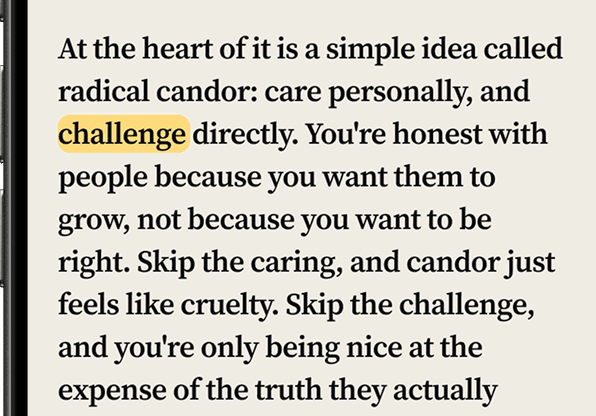
    Miles: Absolutely. And it’s important to "Respond Without Escalation." Manipulators often want you to get emotional, because "emotional arousal narrows perception." If they can get you to blow up, they can use "DARVO" to make your reaction the "problem." Stay calm, stay factual, and "return to the main topic" every time they try to deflect.

    Lena: "Returning to the topic"—I love that. "I understand you’re stressed, but we were talking about the promise you didn't keep." It keeps the focus on "accountability."

    Miles: And "Building Support Networks" is vital. Manipulation thrives on "isolation." Reconnect with friends and family that the manipulator might have "criticized" or "pushed away." Having a "diverse set of perspectives" helps you avoid that "filter bubble" of one person’s influence.

    Lena: It’s about "diversifying your sources of truth." And I think we have to mention "Professional Help" too. If the manipulation has become "serious emotional abuse," you might need a therapist who specializes in "trauma-informed care" to help you "rebuild your self-worth."

    Miles: Resilience isn't something you have to "do alone." Sometimes the most "assertive" thing you can do is "reach out for support." And for our listeners who might be dealing with "Dark Triad" personalities—remember that "cycles repeat" unless you are the one to break them.

    Lena: "Patterns don’t lie—people do." That’s a powerful truth to hold onto. If someone has a "pattern" of moving the goalposts or using the silent treatment, believe the "pattern" more than their latest "apology."

    Miles: And as you start to "reclaim your reality," don't be surprised if you feel a lot of "resentment" or "unease" at first. That "unfinished feeling"—that "FAQ of the mind"—is a normal "psychological aftereffect." It takes time for your "nervous system" to feel safe again after being "hypervigilant" for so long.

    Lena: "Trust yourself. Your instincts were never the problem." I think that’s the most "compassionate reframe" we can offer. Your confusion was a "natural response" to "hidden pressure." It wasn't a "flaw" in you; it was a "success" of the manipulation.

    Miles: You’re "breaking free" from a "regime of perception." It takes courage to "question the architecture" of your own life. But on the other side of that questioning is your "autonomy," your "confidence," and a "shared reference framework for truth" that actually belongs to you.

    Lena: It’s a journey back to "self-trust." And every "small boundary" you set is a "victory" on that invisible battlefield. You’re not just a "data point" or a "tool"—you’re a "sovereign human being" with the right to your own emotions and your own reality.

    第 8 章

    The Practical Playbook for Reclaiming Your Life

    Lena: Miles, we've walked through the "darkest corners" of manipulation—from "Dark Triad" traits to "Dark Patterns" online. But I want to spend some time on a "Practical Playbook." If someone is listening and thinking, "Okay, I see it. Now what?"—how do we give them a concrete "map" for their next steps?

    Miles: I love that. A "Playbook for Cognitive Sovereignty." The very first "play" is what I call "The 30-Second Rule." In the digital world, the goal is always "speed." If you see a headline or a post that makes you "furious" or "thrilled," pause. That emotional spike is exactly what it was designed to trigger. Wait at least 30 seconds before you "engage," "share," or "react."

    Lena: "Wait 30 seconds." It sounds so simple, but it "re-engages the prefrontal cortex," doesn't it? It moves us from "reactive" to "reflective."

    Miles: Exactly. It breaks the "Emotional Contagion" loop. The second play is "Source Checking—The Account Edition." When you see content that feels "too perfectly aligned" with your beliefs, look at who posted it. When was the account created? Is it a "real person," or does it have those generic bot-like patterns? If it was created in January 2025 right before an election—that’s a "red flag."

    Lena: And for "personal relationships," the "Source Check" is about "Impact over Intention." If someone says, "I was just trying to help," but the impact was that you felt "small" or "incompetent," trust the impact. Don't let their "stated intention" gaslight you into ignoring how you actually feel.

    Miles: "Trust impact over intention." That’s a game-changer. The third play is "Deliberate Diversification." We know algorithms create "Filter Bubbles." To break them, you have to "purposefully seek out opposing views." Not the extremists, but "thoughtful people who disagree with you." It "inoculates" you against the "us vs. them" narrative that manipulators love.

    Lena: It’s like "cross-training for your brain." You’re exposing yourself to "complexity" so the "over-simplified" propaganda doesn't work as well.

    Miles: Right. The fourth play is "Naming the Tactic." This is where "education is a shield." If someone uses "Weaponized Honesty" on you, name it—even just to yourself. "Oh, that’s weaponized honesty. They’re using the 'truth' to deliver a blow." Once you "label the pattern," it loses its "invisible power." It becomes an "observable behavior" rather than a "personal failure."

    Lena: It shifts from "What's wrong with me?" to "What's happening here?" And the fifth play—this is a big one—is "The Ledger Audit." Look at the "favors" and "generosity" in your life. Do they come with "invisible debt"? If you feel "guilty" for saying no to someone who "helped" you, take a look at that "ledger." "Genuine generosity" doesn't keep score.

    Miles: "Audit the invisible debt." That will free up so much "emotional labor." And the sixth play is "Reclaiming Your Language." Notice when you’re being steered by "we" language. "We should probably do this," or "I think we both know..." Ask yourself, "Is this a 'we' decision, or is it their decision that I’m being 'included' in to prevent me from disagreeing?"

    Lena: "Is the 'we' real?" That’s such a great question to ask. If "pushing back" on a "we" decision causes a "crisis," then it was never a "we" to begin with.

    Miles: Exactly. And the final play is "Self-Compassion as a Defense." Manipulators target your "self-doubt" and your "shame." If you can learn to be "kind to yourself" when you feel "confused" or "wrong," you become much harder to "destabilize." Shame is the "glue" that keeps you stuck in a manipulative dynamic. "Self-forgiveness" is the "solvent."

    Lena: "Shame is the glue; self-forgiveness is the solvent." Miles, that’s beautiful. It reminds us that "recovery" isn't about being "perfectly resistant" from now on—it’s about being "resilient." You might get "tricked" again, and that’s okay. The goal is to "see it faster" and "recover quicker" next time.

    Miles: It’s a "muscle" you build. And every time you "trust your gut" or "set a small boundary," you’re getting stronger. You’re moving from a "data point" to a "sovereign actor." And that’s the "ultimate win" in the age of social engineering.

    Lena: "Sovereignty is the win." I hope everyone listening takes at least "one of these plays" and tries it out this week. Whether it’s the "30-second rule" online or "auditing the ledger" in a relationship—you have the power to "reconfigure the architecture" of your own life.

    继续学习本期节目

    在 BeFreed 中把本期节目的观点带入更完整的引导式学习体验。

    第 9 章

    Reflections on the Architecture of Truth

    Miles: Lena, as we bring this to a close, I find myself thinking about that "final thought" we touched on—that "the scariest part of manipulation isn't that it exists, but that it works by making itself invisible."

    Lena: It’s the "hidden hand," Miles. Whether it’s a "Dark Pattern" on a website or a "guilt trip" from a loved one, it only works as long as we "don't see the mechanism." Once the mechanism is "exposed," the "spell" starts to break.

    Miles: That’s why "Clarity is a form of defense." We’ve spent this time "naming the patterns"—the "Gaslighting," the "Triangulation," the "Algorithmic Outrage." And my hope is that for our listeners, these aren't just "definitions" anymore. They’re "tools for recognition."

    Lena: "Naming is claiming," right? If you can name what’s happening to you, you can claim your "right to respond" differently. You’re no longer "powerless in the face of confusion." You’re "observing a tactic."

    Miles: And I want to leave everyone with a question to reflect on: "In your life right now, whose 'ledger' are you trying to balance? Is it your own, or is it a 'debt' that someone else manufactured to keep you compliant?"

    Lena: That’s a "deep one," Miles. "Audit the ledger." It’s such a practical way to start "unwinding" those "covert contracts." And remember, "healing isn't linear." There will be days where the "confusion" feels heavy again, and that’s okay. "Trusting yourself" is a practice, not a "destination."

    Miles: "Self-trust is a muscle." And you’ve already started "exercising" it just by listening to this and "reflecting" on these dynamics. The "architecture of truth" in your life is something you get to design. You don't have to live in a world "framed by someone else’s agenda."

    Lena: You are the "architect of your own perception." And that’s a "sovereign place" to be. Thank you all for "diving deep" with us today. It’s not easy "facing the shadows," but it’s the only way to "find the light."

    Miles: Take these "insights" and let them "simmer." Notice the "nudges" this week—both online and in person. And every time you "pause" or "question," know that you’re "defending your freedom."

    Lena: We're so glad you joined us for this conversation. It’s a "courageous thing" to "seek out clarity" in a "contested world." Be kind to yourselves, trust your instincts, and "reclaim your reality," one "small boundary" at a time.

    Miles: Absolutely. Your "attention" is your own. Your "emotions" are valid. And your "truth" is worth defending. Thanks for listening, everyone. Take care of yourselves out there.

    ★★★★★

    你已完成Manipulation is quieter than you think

    “坚持使用 23 天了,我每天都会打开它。它现在已经成为我的日常习惯。”

    jayallen

    Manipulation is quieter than you think最佳语录

    “

    Influence becomes manipulation when it bypasses your informed, voluntary choice; it is a structured process designed to distort your perception of reality so much that you stop trusting your own internal compass.

    ”
    F

    Generated by Freedee_3BDB661B

    输入问题

    Minipulation

    主持声音
    Lenaplay
    Milesplay
    知识来源
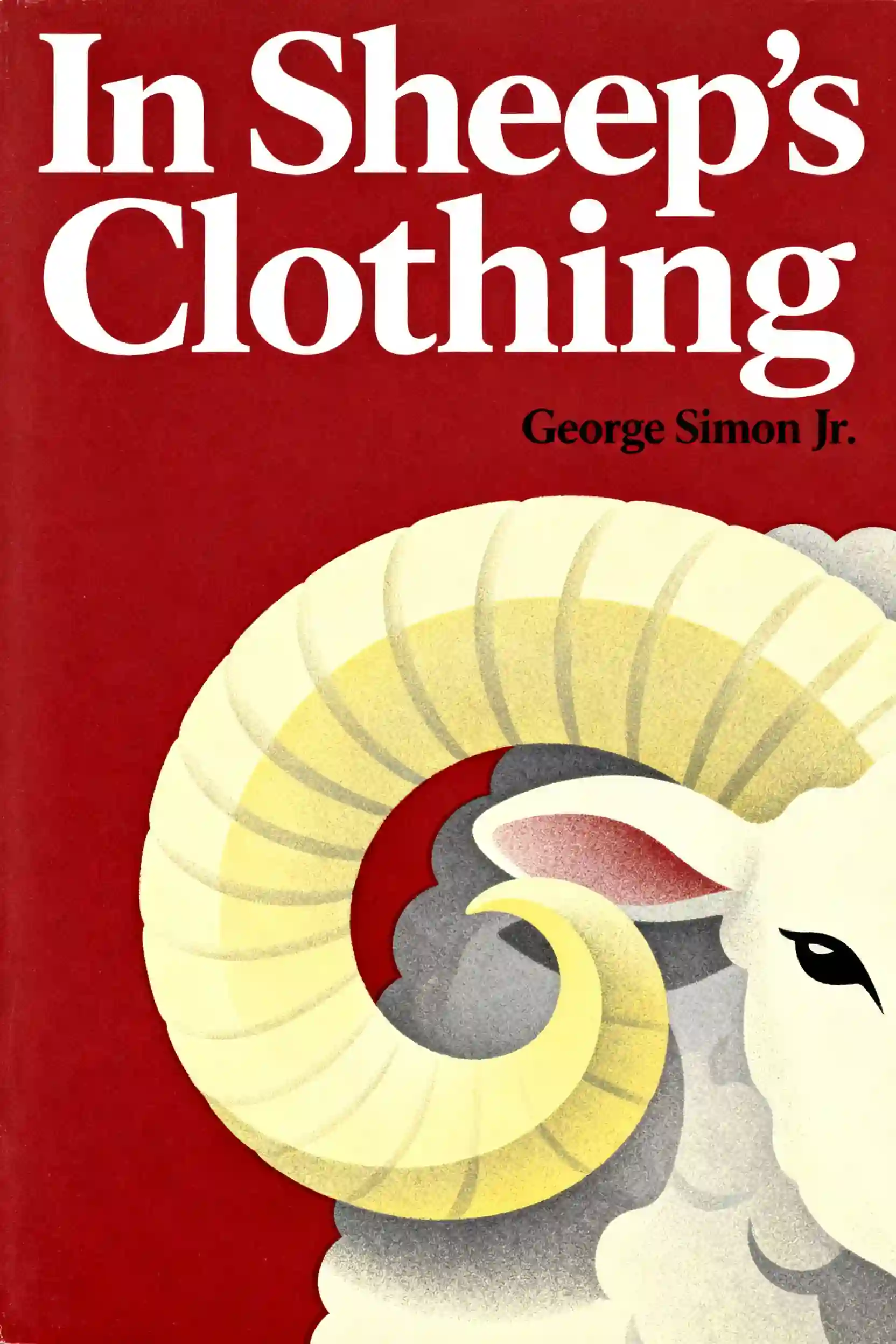
    In sheep's clothing
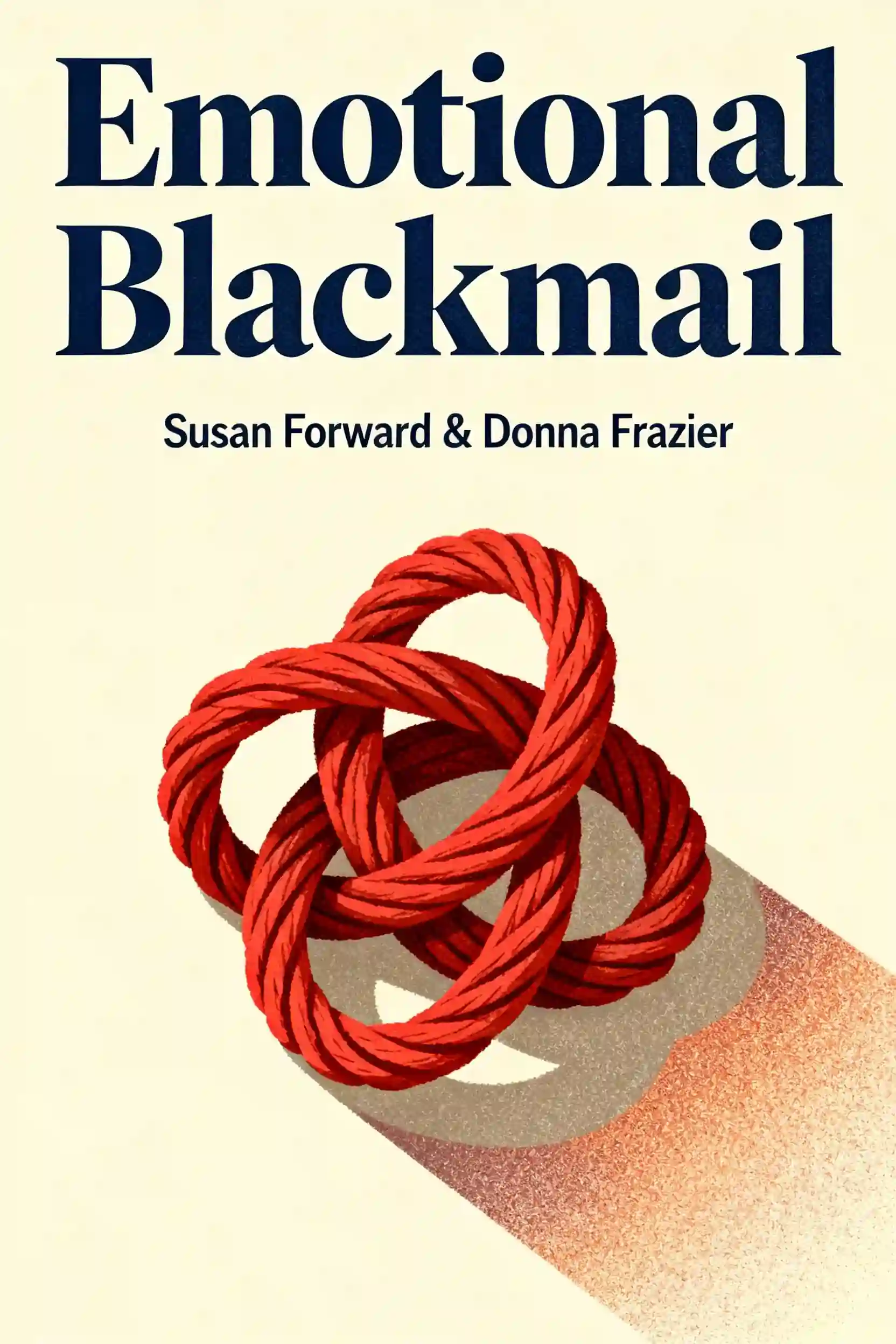
    Emotional Blackmail
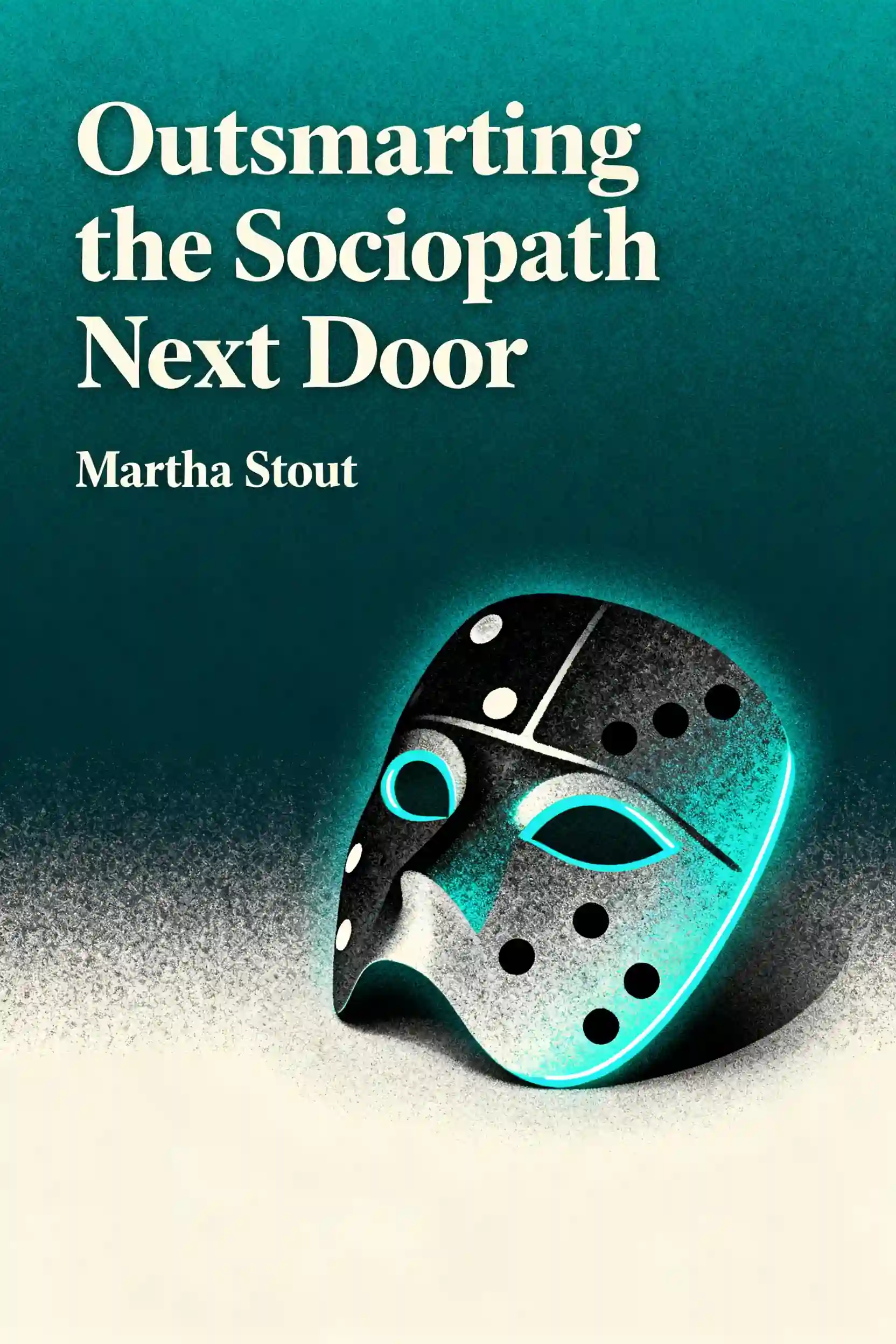
    Outsmarting the Sociopath Next Door
    The Invisible Battlefield
    Flipnosis
    Age of Propaganda

    常见问题

    The Manipulation Formula is a clinical breakdown of how influence is systematically converted into control within a relationship. It consists of five key variables: Trust, Information, Leverage, Psychological Confusion, and Dependency. Trust acts as the baseline to lower a person's defenses, while Information is gathered through "vulnerability mapping" to find emotional pressure points. When these are combined with tactics that distort reality and create a state of dependency, the manipulator effectively gains control over the other person’s actions and perceptions.
    Dark Patterns are deceptive user interface designs used by social media platforms and websites to nudge users into making choices that serve the provider's interests rather than their own. Examples include confusing "consent banners" for data tracking or hidden cancel buttons that induce decision fatigue. These designs exploit cognitive biases to exhaust users into compliance, eventually eroding their sense of autonomy and trust in their digital environment.

    Intermittent reinforcement is a "push-pull" dynamic where a manipulator provides unpredictable bursts of warmth followed by sudden coldness. This works similarly to a slot machine; the brain becomes hooked on the relief and chemical "payout" of affection after a period of withdrawal. This unpredictability keeps the victim constantly trying to please the manipulator in hopes of receiving the next sign of validation, making the relationship feel "passionate" when it is actually being engineered to keep them off balance.

    Cognitive Warfare is a modern strategic concept where military and state actors treat the human mind as a formal domain of conflict. Unlike traditional warfare that aims to destroy physical targets, cognitive warfare seeks to destroy an adversary's "coherent sense-making." By flooding the information environment with contradictory narratives and amplifying emotional divisions, the goal is to create a "crisis of knowing" that paralyzes a society’s ability to make decisions or agree on objective truths.

    Reclaiming cognitive sovereignty involves several practical strategies to break the cycle of manipulation. One key method is the "30-Second Rule," which suggests pausing for 30 seconds before reacting to emotionally charged content online to re-engage the reflective part of the brain. In personal relationships, "The Ledger Audit" helps individuals identify "covert contracts" where favors are used to create a sense of debt and compliance. Other tactics include naming the specific manipulation technique being used and setting small boundaries to test if the other person respects your autonomy.

    由哥伦比亚大学校友创建 | 源自旧金山

    BeFreed 汇聚全球求知若渴的学习者

    4.7

    平均评分

    7,840+ 条 App 评分

    BeFreed 社区

    说真的,我还没把这个 app 完全摸透,但用了这几天已经被惊艳到了… BeFreed 和我用过的任何学习类 app 都不在一个层级。它让人特别投入,还能实实在在地提升专注力,对刷手机停不下来的人来说太合适了!

    @ladyInfinity

    我买 BeFreed 正好 23 天,从那以后每天都在用。它已经完全融入了我的日常工作流和学习习惯。

    @jayallen

    说实话,这个 app 超出了我所有的预期。我可以让它就任何主题生成音频,无论是什么,效果都很惊艳。我的专业领域是心理治疗方向,而且是多学科交叉的,但它给出的内容非常准确。

    @Raguipa

    我最感激的是它大大减少了我刷手机的时间——花在搜索上的时间少了,吸收信息的时间多了。完整有声书、播客加上学习计划的组合,真的很出色。

    @colonyofcreatorsNGO

    我做 PhotoReading 快速学习讲师已经 24 年了… 书籍、阅读和学习就是我的本行,而 BeFreed 用一种创新的方式,把知识变得特别容易吸收,做得非常出色。

    @BeFreed user

    它不只是一个书籍摘要 app。我用过「有趣」这个阅读模式,比传统方式的摘要好得多,理解观点也更容易,光这一点就值回票价。

    @austinakon

    我爱这个 app。用了几天,完全停不下来。作为开始,再好不过了。

    @jcrules328

    我真的很喜欢这个产品;已经试用了大概一个月,感觉挖到宝了。它特别好用,因为我可以用 BeFreed 创建自己想学的主题,声音也很棒,旁白选择多到用不完。

    @DanielCZ

    说真的,我还没把这个 app 完全摸透,但用了这几天已经被惊艳到了… BeFreed 和我用过的任何学习类 app 都不在一个层级。它让人特别投入,还能实实在在地提升专注力,对刷手机停不下来的人来说太合适了!

    @ladyInfinity

    我买 BeFreed 正好 23 天,从那以后每天都在用。它已经完全融入了我的日常工作流和学习习惯。

    @jayallen

    说实话,这个 app 超出了我所有的预期。我可以让它就任何主题生成音频,无论是什么,效果都很惊艳。我的专业领域是心理治疗方向,而且是多学科交叉的,但它给出的内容非常准确。

    @Raguipa

    我最感激的是它大大减少了我刷手机的时间——花在搜索上的时间少了,吸收信息的时间多了。完整有声书、播客加上学习计划的组合,真的很出色。

    @colonyofcreatorsNGO

    我做 PhotoReading 快速学习讲师已经 24 年了… 书籍、阅读和学习就是我的本行,而 BeFreed 用一种创新的方式,把知识变得特别容易吸收,做得非常出色。

    @BeFreed user

    它不只是一个书籍摘要 app。我用过「有趣」这个阅读模式,比传统方式的摘要好得多,理解观点也更容易,光这一点就值回票价。

    @austinakon

    我爱这个 app。用了几天,完全停不下来。作为开始,再好不过了。

    @jcrules328

    我真的很喜欢这个产品;已经试用了大概一个月,感觉挖到宝了。它特别好用,因为我可以用 BeFreed 创建自己想学的主题,声音也很棒,旁白选择多到用不完。

    @DanielCZ

    我特别喜欢它能把有用的信息和想法浓缩成 8-15 分钟的播客式音频。我本来不太爱听播客,因为废话太多,但它把这些全都去掉了。

    @BeFreed user

    我正在读博士的最后阶段,需要读大量不熟悉的材料… 用 BeFreed,只要输入一个提示,app 就会帮你找到源材料并生成一期音频播客。我觉得 BeFreed 的流程比 NotebookLM 更顺畅。

    @Brad

    我经常在做早餐、散步、通勤的时候上 YouTube 找点东西听,而 BeFreed 提供了更有针对性的选择,没有广告,也没有废话!

    @BeFreed user

    这个平台最棒的地方是它的多面性。真的没有任何主题是它讲不了的,你丢给它什么它都能处理… 很少能找到一个毫无限制、又真正兑现承诺的学习工具。

    @jayallen

    BeFreed 太棒了。界面好用,让我花在找功能上的时间更少,花在学习上的时间更多。有声书、播客和学习计划的组合是天才设计,彻底改变了我的日常。

    @BeFreed user

    一开始我花了点时间才弄明白怎么生成意大利语的播客,然后就——哇!太棒了!我可以让它讲解任何一个话题,它讲得又好又聪明!

    @matteo77

    BeFreed 已经成了我每天都用的有声书 app… 我最喜欢的是,把自己的文字放进去,它就能生成随时随地都能听的音频。

    @kotanzu1

    我特别喜欢它能把有用的信息和想法浓缩成 8-15 分钟的播客式音频。我本来不太爱听播客,因为废话太多,但它把这些全都去掉了。

    @BeFreed user

    我正在读博士的最后阶段,需要读大量不熟悉的材料… 用 BeFreed,只要输入一个提示,app 就会帮你找到源材料并生成一期音频播客。我觉得 BeFreed 的流程比 NotebookLM 更顺畅。

    @Brad

    我经常在做早餐、散步、通勤的时候上 YouTube 找点东西听,而 BeFreed 提供了更有针对性的选择,没有广告,也没有废话!

    @BeFreed user

    这个平台最棒的地方是它的多面性。真的没有任何主题是它讲不了的,你丢给它什么它都能处理… 很少能找到一个毫无限制、又真正兑现承诺的学习工具。

    @jayallen

    BeFreed 太棒了。界面好用,让我花在找功能上的时间更少,花在学习上的时间更多。有声书、播客和学习计划的组合是天才设计,彻底改变了我的日常。

    @BeFreed user

    一开始我花了点时间才弄明白怎么生成意大利语的播客,然后就——哇!太棒了!我可以让它讲解任何一个话题,它讲得又好又聪明!

    @matteo77

    BeFreed 已经成了我每天都用的有声书 app… 我最喜欢的是,把自己的文字放进去,它就能生成随时随地都能听的音频。

    @kotanzu1

    查看更多网络上关于 BeFreed 的讨论
    129.7K19.5K
    55.2K19.2K
    154.2K10827355
    48.1K2.5K
    81.2K6.6K
    82.3K1.8K
    开启你的学习之旅,就是现在
    BeFreed 应用
    BeFreed

    个性化学习,无所不能

    DiscordLinkedIn
    精选书籍摘要
    Crucial ConversationsThe Perfect MarriageInto the WildNever Split the DifferenceAttachedGood to GreatSay Nothing
    热门分类
    Self HelpCommunication SkillRelationshipMindfulnessPhilosophyInspirationProductivity
    名人书单
    Elon MuskCharlie KirkBill GatesSteve JobsAndrew HubermanJoe RoganJordan Peterson
    获奖作品
    Pulitzer PrizeNational Book AwardGoodreads Choice AwardsNobel Prize in LiteratureNew York TimesCaldecott MedalNebula Award
    精选主题
    ManagementAmerican HistoryWarTradingStoicismAnxietySex
    年度最佳书籍
    2025 Best Non Fiction Books2024 Best Non Fiction Books2023 Best Non Fiction Books
    精选作者
    Chimamanda Ngozi AdichieGeorge OrwellO. J. SimpsonBarbara O'NeillWinston ChurchillCharlie Kirk
    BeFreed 与其他应用对比
    BeFreed vs. Other Book Summary AppsBeFreed vs. ElevenReaderBeFreed vs. ReadwiseBeFreed vs. Anki
    学习工具
    Knowledge VisualizerAI Podcast Generator
    更多信息
    关于我们arrow
    定价arrow
    常见问题arrow
    博客arrow
    招聘arrow
    合作伙伴arrow
    大使计划arrow
    目录arrow
    BeFreed
    Try now
    © 2026 BeFreed
    使用条款隐私政策
    BeFreed

    个性化学习,无所不能

    DiscordLinkedIn
    精选书籍摘要
    Crucial ConversationsThe Perfect MarriageInto the WildNever Split the DifferenceAttachedGood to GreatSay Nothing
    热门分类
    Self HelpCommunication SkillRelationshipMindfulnessPhilosophyInspirationProductivity
    名人书单
    Elon MuskCharlie KirkBill GatesSteve JobsAndrew HubermanJoe RoganJordan Peterson
    获奖作品
    Pulitzer PrizeNational Book AwardGoodreads Choice AwardsNobel Prize in LiteratureNew York TimesCaldecott MedalNebula Award
    精选主题
    ManagementAmerican HistoryWarTradingStoicismAnxietySex
    年度最佳书籍
    2025 Best Non Fiction Books2024 Best Non Fiction Books2023 Best Non Fiction Books
    学习工具
    Knowledge VisualizerAI Podcast Generator
    精选作者
    Chimamanda Ngozi AdichieGeorge OrwellO. J. SimpsonBarbara O'NeillWinston ChurchillCharlie Kirk
    BeFreed 与其他应用对比
    BeFreed vs. Other Book Summary AppsBeFreed vs. ElevenReaderBeFreed vs. ReadwiseBeFreed vs. Anki
    更多信息
    关于我们arrow
    定价arrow
    常见问题arrow
    博客arrow
    招聘arrow
    合作伙伴arrow
    大使计划arrow
    目录arrow
    BeFreed
    Try now
    © 2026 BeFreed
    使用条款隐私政策

    相似内容

    Unmasking Manipulation's Control 书籍封面
    FlipnosisThe Art of SeductionThe Invisible Battlefield: Dark Psychology and Mind Control TacticsAge of Propaganda
    17 sources
    Unmasking Manipulation's Control
    Explore how manipulation tactics work and how to defend against them, from gaslighting to love bombing. Learn to recognize when someone is trying to control your thoughts and actions.
    46 min
    Psychological manipulation and how to protect yourself 书籍封面
    How to Analyze PeopleIn sheep's clothingThe Invisible BattlefieldAge of Propaganda
    24 sources
    Psychological manipulation and how to protect yourself
    Struggling with people who use guilt or charm to control you? Learn to spot manipulation tactics and stay calm to reclaim your emotional boundaries.
    34 min
    The Mechanics of Manipulation 书籍封面
    Manipulation (psychology)Signs of Manipulation - Mental HealthPsychological inoculation improves resilience against misinformation on social media - PMCHow to Turn Off Manipulation | Psychology Today
    8 sources
    The Mechanics of Manipulation
    Ever feel pressured to agree against your gut? Learn to spot underhanded tactics in real-time and use practical frameworks to protect your autonomy.
    781 min
    The Subtle Tests of Everyday Manipulation 书籍封面
    12 Manipulation Tactics Hiding in Everyday Conversations That Smart People MissWhy psychologists pay attention to these common phrases: Psychologists say these 8 phrases can reveal hidden manipulation tactics - Why these everyday expressions deserve a second thought - The Economic TimesWhat Is Emotional Manipulation? 9 "Harmless" Lines Say It AllWhy psychologists pay attention to these common phrases: Psychologists say these 8 phrases can reveal hidden manipulation tactics - Why these everyday expressions deserve a second thought - The Economic Times
    7 sources
    The Subtle Tests of Everyday Manipulation
    Manipulation often starts with quiet tests of your boundaries. Learn to spot these conversational traps and protect your energy with clear pushback.
    594 min
    Lifting the Fog of Manipulation 书籍封面
    PropagandaCommon Manipulative Tactics - National Mental Health Helpline | Free & Confidential | 866-903-3787Manipulation (psychology)How to Defend Yourself Against Manipulation | Psychology Today
    6 sources
    Lifting the Fog of Manipulation
    Struggling to trust your own memory after a difficult talk? Learn to spot the subtle tactics of emotional control and reclaim your sense of reality.
    22 min
    Love or Manipulation? Spotting Red Flags and Setting Boundaries 书籍封面
    The Art of SeductionEmotional BlackmailHow to Analyze PeopleAtomic Attraction
    27 sources
    Love or Manipulation? Spotting Red Flags and Setting Boundaries
    Distinguish between genuine affection and calculated control. Learn to identify love bombing, resist gaslighting, and reclaim your reality with expert strategies for emotional protection.
    30 min
    Toxic manipulation and how to protect your peace 书籍封面
    Toxic ParentsPOWER: Surviving and Thriving After Narcissistic Abuse: A Collection of Essays on Malignant Narcissism and Recovery from Emotional AbuseGaslighting: Recognize Manipulative and Emotionally Abusive People--and Break FreeYou Can Thrive After Narcissistic Abuse
    22 sources
    Toxic manipulation and how to protect your peace
    When a manipulator invades your space, fear is a natural warning. Learn to spot patterns of coercion and set boundaries to reclaim your reality.
    30 min
    Dark Psychology: Why Manipulation Feels Like Support 书籍封面
    In sheep's clothingThe narcissist you knowSurrounded by PsychopathsOut of Character
    25 sources
    Dark Psychology: Why Manipulation Feels Like Support
    Manipulation isn't always loud; it often starts with kindness. Learn to spot the subtle 5-step formula used to gain leverage and reclaim your autonomy.
    33 min

    Recommended Learning Plans

    Defeating Dark Psychology and Manipulation
    学习计划

    Defeating Dark Psychology and Manipulation

    In an era of complex social dynamics, understanding the mechanics of covert influence is essential for maintaining mental sovereignty. This plan is ideal for individuals seeking to safeguard their emotional well-being and professionals navigating high-stakes interpersonal environments.

    1 h 30 m•3 章节
    The Counter-Manipulation Strategist
    学习计划

    The Counter-Manipulation Strategist

    In an era of subtle influence, understanding the mechanics of psychological control is essential for maintaining personal autonomy. This plan is designed for professionals and individuals seeking to safeguard their mental space against predatory behavior and emotional tactics.

    1 h 45 m•3 章节
    Revenging a manipulator
    学习计划

    Revenging a manipulator

    This plan is essential for anyone seeking to break free from toxic cycles and reclaim their autonomy. It provides a strategic roadmap for victims of manipulation to transform into empowered survivors through psychological mastery and boundary setting.

    5 h 14 m•4 章节
    The Master Manipulator's Field Guide
    学习计划

    The Master Manipulator's Field Guide

    In high-stakes environments, psychological safety is often threatened by calculated manipulators. This guide is essential for professionals seeking to identify toxic behaviors and build resilient defenses to protect their careers.

    1 h 30 m•3 章节
    The Dark Psychology Observer
    学习计划

    The Dark Psychology Observer

    In an era of complex social dynamics, understanding the mechanics of manipulation is essential for personal safety and professional integrity. This plan is designed for anyone seeking to protect their boundaries and navigate interactions with high-conflict or deceptive individuals effectively.

    1 h 36 m•4 章节
    Mental Self-Defense and Manipulation Detection
    学习计划

    Mental Self-Defense and Manipulation Detection

    In an era of increasing psychological influence, protecting your mental autonomy is essential for personal and professional safety. This guide is designed for professionals and digital citizens who want to sharpen their intuition and build robust defenses against predatory behavior.

    1 h 36 m•4 章节
    The Mechanics of Influence and Defense
    学习计划

    The Mechanics of Influence and Defense

    In an era of constant social engineering, understanding the psychological drivers of manipulation is essential for personal safety and professional integrity. This plan is ideal for individuals looking to sharpen their social intuition and build resilient boundaries against covert influence.

    1 h 30 m•3 章节
    Reclaim Your Reality
    学习计划

    Reclaim Your Reality

    This plan is essential for individuals navigating high-conflict relationships or manipulative environments. It provides the tools needed to decode psychological traps and regain control over one's personal narrative.

    1 h 30 m•3 章节