BeFreed
    Categories>Psychology>Dark Psychology: Why Manipulation Feels Like Support

    Dark Psychology: Why Manipulation Feels Like Support

    33 分钟
    |
    |
    2026年3月23日
    PsychologyRelationshipsSelf-Growth

    Manipulation isn't always loud; it often starts with kindness. Learn to spot the subtle 5-step formula used to gain leverage and reclaim your autonomy.

    Dark Psychology: Why Manipulation Feels Like Support
    选择讲述方式

    同一期节目,多种聆听方式。

    围绕《Dark Psychology: Why Manipulation Feels Like Support》的相同观点,选择适合你的声音、深度和节奏,随时切换。

    逐字稿与章节

    第 1 章

    The Illusion of Control Explained

    Lena: You know, Miles, I was thinking about the last time I bought something I definitely didn't need just because the salesperson was so incredibly charming. It felt like I was in control, but looking back, I’m not so sure.

    Miles: It’s interesting how that works, right? Most of us think manipulation is this loud, obvious thing, but the research shows the most dangerous tactics are actually refined to make you feel grateful toward the person using them. It’s not about fear; it’s about using things like generosity or "love bombing" to create a debt you didn't even know you owed.

    Lena: That is so counterintuitive. You’re saying the control doesn't feel like control—it feels like support or even love?

    Miles: Exactly. It’s a systematic process that starts with building trust and gathering your vulnerabilities to use as leverage later.

    Lena: So we really need a playbook to spot these patterns before they escalate. Let’s break down the specific "Manipulation Formula" and the five-step sequence these tactics follow.

    第 2 章

    The Manipulation Formula and the Operational Core of Leverage

    Miles: Building on that point, Lena—to really get how this works, we have to look at the "Manipulation Formula." It’s something researchers at the Dark Psychology Lab have been deconstructing to show how these dynamics actually function. Think of it as an equation: Trust plus Information plus Leverage plus Psychological Confusion plus Dependency plus the Manipulator’s Character Traits equals Control.

    Lena: Wow, that’s a lot of variables. It sounds like a perfect storm when all those pieces align.

    Miles: It is, but here is the kicker—the most critical variable in that entire string is leverage. Trust might give them access to you, and information might help them be more precise, but leverage is the actual engine. It’s the emotional, social, or psychological pressure point that converts mere influence into directional control.

    Lena: So leverage is the "why" behind the "how"? It’s what actually moves the needle?

    Miles: Exactly. Without leverage, a manipulator is just someone with a personality you might not like. But once they identify a fear of loss, an insecurity, or a deep-seated need for approval, they have a handle. They can start pulling. And what’s fascinating—and pretty chilling—is that the other elements in the formula are there to stabilize that leverage or make it invisible.

    Lena: It’s like they’re building a scaffold around you, and you’re so busy looking at the nice Trust and Information planks that you don’t notice the Leverage hook being attached to your backpack.

    Miles: That is a perfect analogy. And because leverage is the core, the most effective way to regain your autonomy is to identify and remove that leverage. If they’re using your fear of being "difficult" against you, the defense is learning that being difficult is sometimes necessary. You neutralize the hook.

    Lena: That makes sense, but how do they find the hook in the first place? You mentioned "Information Gathering" as part of the sequence. Does that happen right at the start?

    Miles: It’s the second major move. After they’ve used "Trust Building" to lower your defenses—making you feel safe and emotionally accessible—they move into what’s essentially a mapping phase. They aren't just chatting; they’re looking for "weak points." Fears, unresolved trauma, or even just your specific need for validation.

    Lena: It’s like they’re running a diagnostic on your personality.

    Miles: Precisely. And they often use "Strategic Self-Disclosure" to get you to open up. They’ll share a personal "secret" or a past trauma first. It feels like intimacy, right? Like you’re bonding. But in reality, it’s a calculated move to trigger reciprocity. Since they shared, you feel a psychological push to share something equally vulnerable back.

    Lena: And now they have the map. They know exactly where the pressure points are.

    Miles: Right. And once they have that, they move to stage three: Emotional Activation. This is where they stop using logic and start targeting your feelings. They trigger guilt, shame, or fear. Research shows that high emotional arousal actually narrows our perception and weakens our ability to think rationally. When you’re in a state of "emotional leverage," you start making reactive, impulsive decisions that align with their goals, often without realizing your hand is being forced.

    Lena: It’s like being in a fog. You’re just trying to get back to that feeling of "safety" from the trust-building phase, but the goalposts have moved.

    Miles: And that leads directly into stage four: Control of Reality Interpretation. This is the "heavy artillery" phase. Once you’re emotionally activated and dependent on them for stability, they start distorting the facts. Selective presentation, direct lies, or even gaslighting. They’re not just influencing your behavior anymore; they’re rewriting your perception of what’s actually happening.

    Lena: And finally, the dependency sets in?

    Miles: Exactly. Stage five is Dependency Reinforcement, often called the "push-pull" dynamic. They’ll be warm one minute and cold the next. It creates this unpredictable cycle of stress and relief. You start unconsciously adjusting your behavior just to avoid the discomfort of their withdrawal and to get back to that "high" of their approval. It’s a conditioned reflex, Miles. Practiced, efficient, and incredibly hard to detect when you’re in the middle of it.

    继续学习本期节目

    在 BeFreed 中把本期节目的观点带入更完整的引导式学习体验。

    第 3 章

    The Subtle Art of Vulnerability Mapping and Reaction Testing

    Lena: I’m stuck on this idea of "Vulnerability Mapping." It feels so predatory, but I can see how it happens in everyday life. It’s not always some villain in a dark room, is it?

    Miles: Not at all. In many cases, it’s a learned behavioral pattern. For some people, these tactics have produced results since childhood, so it becomes an automatic response—almost like a conditioned reflex. They might use "Reaction Testing" with cold reading. They’ll throw out a subtle jab, a joke, or a bit of pressure just to see what destabilizes you.

    Lena: Like testing the fences in Jurassic Park?

    Miles: (Laughs) Exactly! They’re looking for where the electricity is thin. If they make a backhanded compliment disguised as praise and you get defensive, they’ve learned that your self-image is a pressure point. If they test a boundary by breaking a small rule and you don't say anything, they know you're prone to high compliance.

    Lena: And they use "Benjamin Franklin effect" moves too, right? Asking for small favors to build that initial rapport?

    Miles: Yes, it’s brilliant in a dark way. When you do a small favor for someone, your brain tries to resolve the cognitive dissonance by telling you, "I must like this person, otherwise why would I be helping them?" It lowers your guard for the deeper "Information Gathering" that comes next.

    Lena: So, let’s talk about that "planned vulnerability" you mentioned. If someone tells me a deep, dark secret on the second date or in the first week of a new job, should my "manipulation alarm" be going off?

    Miles: It’s definitely a data point to watch. In healthy relationships, vulnerability is earned over time. In manipulative dynamics, it’s front-loaded. It’s a tactic to accelerate attachment. They might use "Love Bombing"—intense attention and praise—to make you feel like you’ve found your soulmate or the perfect mentor. But really, they’re just mapping your needs so they can use them as leverage later.

    Lena: It’s interesting how "Mirroring" plays into this too. Copying your values, your style, even the way you talk. It creates this instant, fake similarity.

    Miles: Right. It makes you think, "Wow, we’re so alike!" which naturally makes you trust them more. And once that trust is established, they move into "Boundary Testing." They’ll push just a little bit—maybe show up late without an apology or "forget" a small promise. They’re profiling your reactions to predict which "buttons" will trigger the response they want later on.

    Lena: And if I don’t push back on the small stuff, I’m basically telling them the fence is down.

    Miles: Precisely. It’s a methodical process of finding where you’re soft so they know exactly where to apply the "Leverage" in stage three. They might use "Insecurity Amplification," where they identify a doubt you have about yourself and subtly reinforce it. Maybe a comment about your "sensitivity" or your "lack of experience," always framed as "just being honest" or "trying to help."

    Lena: It’s the "disguised as care" part that’s so tricky. It makes you feel like you’d be the "bad guy" for calling it out.

    Miles: That’s the "Social Shield" they build. If they have a reputation for being helpful and caring, any attempt you make to set a boundary looks like you’re being ungrateful or "difficult." They’ve arranged the board so that exposing them makes you look like the problem.

    Lena: So, it’s not just about what they do to you; it’s about how they manage how other people see the relationship.

    Miles: Exactly. And that leads into the more advanced social tactics, like "Triangulation"—pulling a third person into the mix to make you feel insecure or like you have to compete for the manipulator's attention. It keeps you off balance and focused on "earning" your way back into their good graces.

    第 4 章

    Reality Distortion and the Fog of Weaponized Ambiguity

    Lena: Miles, we have to talk about "Weaponized Ambiguity." That phrase stuck with me from the source materials. It sounds so... intentional.

    Miles: Because it is. This is where we move into the "Psychological Confusion" stage of the sequence. Instead of clear rules or direct feedback, a manipulator uses vague criticism and shifting meanings. You’re left guessing. "Did I do something wrong? Are they mad at me?" You end up spending all your mental energy trying to decode their behavior.

    Lena: It’s like trying to hit a target that moves every time you pull the trigger.

    Miles: And it’s often paired with "Information Starvation." They deliberately withhold context or explanations. You’re kept in the dark, which naturally makes you more dependent on their interpretation of events. If you don't have the full picture, you have to rely on the person who does—or who claims they do.

    Lena: That sounds like a setup for Gaslighting.

    Miles: It’s the foundation for it. Gaslighting isn't just lying; it’s a systematic rewriting of your reality. Denying things you saw, twisting conversations, or telling you that your memory is failing. Sociologist Paige Sweet’s research highlights that this is most effective when the manipulator has social credibility. If everyone else thinks they’re "great," you start to think you must be the one who’s losing it.

    Lena: And then there’s DARVO. I’ve seen that acronym pop up. Deny, Attack, Reverse Victim and Offender?

    Miles: Right. It’s a very specific defensive maneuver. When you finally work up the courage to confront them about their behavior, they immediately deny it, attack you for even bringing it up, and then somehow end up as the victim of your "accusations."

    Lena: So suddenly, I’m the one apologizing for hurting their feelings because I was upset that they lied to me.

    Miles: Exactly. Your reaction to their bad behavior becomes the "real problem." It’s a brilliant way to dodge accountability. And research shows it’s incredibly effective—observers often end up siding with the person using DARVO because the "attacker" (you) looks aggressive and the "victim" (the manipulator) looks hurt and reasonable.

    Lena: It’s a complete flip of the narrative. And if they use "Plausible Deniability" on top of that—making sure their intent is always "deniable"—it’s almost impossible to pin them down.

    Miles: That "deniable intent" is key. They’ll say something hurtful but frame it as a "joke," or they’ll "forget" a promise in a way that could be an honest mistake. If you call it out, you’re the one being "oversensitive" or "unforgiving." It creates this persistent state of psychological confusion where you can’t trust your own instincts anymore.

    Lena: Which leads perfectly into "Dependency Reinforcement." If I can’t trust myself, I have to trust them, right?

    Miles: That’s the trap. They use "Intermittent Reinforcement"—that unpredictable mix of warmth and coldness. It’s the same mechanism that drives gambling addiction. When the "win" (their approval) is unpredictable, you become hyper-focused on getting it. You’ll tolerate a lot of "losses" (their mistreatment) just to get back to that "high."

    Lena: It’s a literal addiction to the person who’s hurting you.

    Miles: It is. And they strengthen that with a "Negative Reinforcement Loop." They’ll create sustained tension or disapproval, and they only remove it once you comply with what they want. You learn to associate "giving in" with "emotional relief." It’s a powerful way to condition your behavior over time, leading to what researchers call "coercive control."

    继续学习本期节目

    在 BeFreed 中把本期节目的观点带入更完整的引导式学习体验。

    第 5 章

    The Dark Triad and the Personality Behind the Patterns

    Lena: We’ve been talking a lot about the tactics, but let’s look at who’s behind them. You mentioned the "Dark Triad"—Narcissism, Machiavellianism, and Psychopathy. I always thought those were just movie villain traits, but they’re actual psychological profiles, right?

    Miles: They are. And while they’re distinct, they share a "dark core" of interpersonal exploitation and a lack of empathy. Narcissists are driven by a need for admiration and status; they use charm and a "narcissistic facade" to manage their image. Machiavellians are the strategic planners—they see people as tools for personal gain and are willing to use deceit and long-term manipulation to get what they want.

    Lena: And the Psychopaths?

    Miles: They’re often characterized by emotional coldness and a lack of remorse. They can be incredibly charming—the "Dr. Jekyll and Mr. Hyde" effect—but they’re willing to use aggression or callous behavior to maintain power. What’s interesting is that these traits don't always lead to manipulation, but they significantly increase the probability that someone will use others as instruments for their own goals.

    Lena: I saw something in the research about "Machiavellianism in long-term relationships." It was a bit surprising—the idea that they might actually stay in a relationship just to have a stable context for exploitation.

    Miles: It’s a cynical take, but the data supports it. For a Machiavellian, a relationship isn't necessarily about connection; it can be about "securing opportunities." They use "deceptive mating strategies" and can even be quite good at "relational maintenance"—but only as a means to an end. It’s about keeping the power balance in their favor.

    Lena: That’s so different from how we usually think of "working on a relationship."

    Miles: Right. In a healthy relationship, maintenance is about equity and mutual satisfaction. For someone with Dark Triad traits, it can be a "dark maintenance behavior"—using things like jealousy induction or manipulation to regulate closeness or gain compliance when prosocial strategies fail.

    Lena: And the research shows this has a real impact on relational quality. Even the manipulators themselves often report lower satisfaction in their relationships.

    Miles: That’s an important point from the meta-analysis by Meredith Turner. Across thousands of participants, higher levels of manipulativeness—whether it’s trait Machiavellianism or just "emotional manipulation" skills—consistently correlate with lower relationship quality. It’s a lose-lose dynamic in the long run.

    Lena: But in the short term, they might feel like they’re winning because they’re getting their needs met.

    Miles: Exactly. Especially for "under-benefited" partners who feel the relationship is unfair. They might use manipulation as a way to "redress the balance" and get the attention or resources they feel they’re owed. It’s a functional strategy for them, even if it’s destructive to the bond.

    Lena: It’s interesting how "Emotional Intelligence" plays into this. I used to think EI was always a good thing, but the sources talk about a "dark side" of EI.

    Miles: Yeah, "Emotional Manipulation" is basically the use of emotional skills for self-interested outcomes. It requires high social processing and an understanding of how emotions work—not to connect, but to control. It’s about leveraging advanced emotional awareness to influence others in ways that serve your own interests.

    Lena: So, a "successful" manipulator might actually be very "emotionally intelligent"—they just lack the "affective empathy" to care about the harm they’re causing.

    Miles: You hit the nail on the head. They have the "cognitive empathy"—they understand what you’re feeling—but they don't feel it with you. That detachment is what allows them to be so methodical. They can watch your reaction to their "Push-Pull" tactics and adjust their strategy in real-time without being derailed by their own guilt.

    第 6 章

    Escalation from Covert Influence to Coercive Control

    Lena: We’ve talked about the subtle stuff, the "soft control." But how does it move from "vague ambiguity" to actual "coercion"? There’s a model for this escalation, right?

    Miles: There is. It usually starts with "Covert Manipulation"—the hints, the selective information, the emotional leverage. This is "soft control" because it bypasses your voluntary choice without you even knowing it’s happening. It’s easier to escalate once your "perception of normal" has already been altered.

    Lena: It’s that "slow erosion of self" we were talking about earlier.

    Miles: Exactly. Once they’ve built that dependency and reduced your resistance, they might move into "Overt Manipulation." This is "open pressure." They’ll use guilt, shame, or the "Silent Treatment" as a clear punishment for non-compliance. They don't need to be sneaky anymore because the leverage is already secured.

    Lena: And the final stage is "Coercion." That’s "hard control."

    Miles: Right. Coercion relies on explicit consequences—threats, intimidation, or dominance through authority. The formula becomes simple: "Do this, or else." Blackmail is a classic example. There’s no ambiguity left. But here’s the thing: experienced manipulators often prefer the covert stage. If they move too fast to coercion, it can trigger immediate resistance.

    Lena: Because it’s obvious! You can see a threat coming. You can’t always see a "guilt trip" until you’re already packed for the journey.

    Miles: Exactly. By building the dependency first, they make the "perceived cost" of leaving or resisting much higher. It’s like "Death by a Thousand Cuts." By the time they start using "Hard Tactics" like persistent monitoring or public shaming, you’re already so isolated and your self-trust is so low that fighting back feels impossible.

    Lena: And they use "Social Escalation Tactics" too—like "Smear Campaigns" or "Public Shaming" disguised as jokes.

    Miles: Yes. Systematic reputation damage is a powerful way to weaken your support network. If they can make your friends and family doubt your stability, you have nowhere else to turn. It’s a form of isolation that keeps you locked into the manipulative dynamic.

    Lena: It’s really important to distinguish this from healthy influence, though. We all influence each other, right?

    Miles: Absolutely. Social influence is a normal part of life. The line is crossed when it becomes "covert, bypasses informed choice, and prioritizes control over personal autonomy." Persuasion is transparent—you know someone is trying to convince you, and you’re free to say no. Manipulation is about "concealed control."

    Lena: Even "Nudging" can be okay if it’s transparent and respects your final decision.

    Miles: Right. Like a "warning sign" or providing information so you can make a better choice. That’s "positive shaping." Or "Contractual Influence," like a bank loan—the rules are clear, there’s no hidden agenda. It only becomes manipulation when there’s an element of deception or exploitation.

    Lena: So the "feeling" afterwards is a huge clue. That "unfinished feeling" or the sense of unease.

    Miles: Trust that feeling. Healthy conflict usually leaves you tired but "grounded" in the facts. Manipulative dynamics leave you "quietly destabilized," replaying events at night, second-guessing your own memory and intentions. That’s the "psychological aftereffect" of sustained ambiguity. It’s not "you"—it’s the process you were put through.

    继续学习本期节目

    在 BeFreed 中把本期节目的观点带入更完整的引导式学习体验。

    第 7 章

    Manipulation in the Workplace and the Power of Hierarchy

    Lena: We’ve looked at relationships, but the workplace seems like a prime environment for these "Dark Triad" traits. I mean, the drive for power and status—that’s basically the corporate ladder, isn't it?

    Miles: It is, and the research shows that individuals with these traits are often drawn to managerial roles. They’re "social chameleons" who can adopt the attitudes of those around them to build trust and earn a positive reputation early on. But once they gain power, the tactics change. They might start using "Abusive Supervision"—mistreating subordinates to maintain control and enhance their own image.

    Lena: I read about how "Political Skill" plays into this. It’s like a double-edged sword.

    Miles: Definitely. "Political Skill" is the ability to understand and influence others to achieve organizational or personal goals. A leader with high political skill can build social capital and trust. But someone with Dark Triad traits can use those same skills to "camouflage" their self-serving motives. They might look like a "charming, capable manager" on the outside while being exploitative and manipulative to their team.

    Lena: And the impact on the team is huge. "Organizational Citizenship Behavior"—the voluntary stuff we do to help our coworkers—basically disappears when there’s a "Dark Triad" leader in charge.

    Miles: Exactly. If you perceive your leader as narcissistic or psychopathic, your willingness to "go the extra mile" drops. Why would you invest your own resources to help someone who’s just going to take all the credit or use it as leverage against you? It’s a "resource conservation" strategy—you pull back to protect yourself.

    Lena: But here is a weird twist in the research: sometimes "Machiavellian" leaders actually increase OCB among other managers.

    Miles: That was such a fascinating finding! It seems that for those in middle management, a "Machiavellian" senior leader who is seen as "politically skilled" and able to "navigate the system" can be viewed as an asset. The managers might see that leader’s strategic moves as a way to "secure resources" for the unit.

    Lena: So, they’re willing to "invest" their OCB because they think the leader’s political competence will benefit them in the long run?

    Miles: Precisely. For managers, the question isn't "Does my leader care about me?" but "Can my leader effectively navigate the organization to get us what we need?" But for non-managerial employees, it’s all about "LMX"—the quality of the direct relationship. If they see the leader as "psychopathic" or "exploitative," the trust is gone, and so is the OCB.

    Lena: It’s so context-dependent. A trait that looks like "strategic brilliance" to a fellow manager might look like "callous manipulation" to an entry-level employee.

    Miles: And that’s why "Follower Perceptions" are so important. It’s not just about the leader’s traits; it’s about how those traits are "internalized" by the people working under them. If you feel like your leader is "emotionally unavailable" or "unsupportive," it depletes your cognitive and emotional resources. You enter "defensive mode" just to survive the workday.

    Lena: And then there’s "Workplace Mobbing." That sounds like the extreme end of this, where the whole group gets involved in the pressure.

    Miles: It is. It’s a form of "prolonged group psychological pressure." The manipulator might use "Triangulation" or "Smear Campaigns" to turn the whole team against one person. It’s "Divide and Conquer" at a structural level. It’s incredibly damaging because it strips away your entire support network at work.

    Lena: Knowing these patterns at work seems just as vital as knowing them in our personal lives. It’s about protecting your "Managerial Capital" and your mental well-being.

    Miles: Absolutely. And it starts with recognizing that "Political Skill" without "Affective Empathy" is a major red flag. If a leader is great at "networking" but "callous" to their direct reports, that’s a dynamic that will eventually lead to burnout and toxicity.

    第 8 章

    The Practical Playbook for Psychological Self-Defense

    Lena: Okay, Miles, we’ve covered the "what" and the "who." Now let’s get to the "how to stop it." If someone is listening and thinking, "Wait, this sounds like my boss" or "This feels like my partner," what is the first move in the "Practical Playbook"?

    Miles: The very first move is "Awareness and Naming." Manipulation only works when it’s invisible. Once you can name the pattern—"Oh, this is DARVO" or "They’re using weaponized ambiguity right now"—you start to regain your "Reality Anchor." You stop blaming yourself and start looking at the process.

    Lena: "Naming it is the first step out of the confusion." I love that. What’s the next step?

    Miles: "Identify and Neutralize the Leverage." Remember the formula? The manipulator needs a "handle" to pull. You have to figure out what they’re using against you. Is it your fear of being "unreliable"? Your need for their approval? Once you see the hook, you can start to unhook yourself. It might mean learning to be okay with them being "disappointed" in you.

    Lena: That’s hard, though. Especially if they’ve been "Love Bombing" you or using "Intermittent Reinforcement."

    Miles: It’s incredibly hard because your nervous system is literally conditioned to want their approval. That’s why you have to "Slow Down Your Decisions." Manipulators love creating "Artificial Urgency." "Decide now or it’s gone!" "I need an answer right this second!" By slowing down, you give your rational brain a chance to catch up with your emotional reactions.

    Lena: "Trust patterns, not words." That seems like a big one too.

    Miles: Huge. A manipulator will always have a great "explanation" or a "reason" for their behavior. But if you look at the long-term pattern, the truth is in the results, not the excuses. If you always end up feeling guilty and they always end up getting what they want, that’s the pattern. Ignore the "Selective Confessions" and the "Strategic Self-Disclosure"—look at the directional control.

    Lena: And "Setting Boundaries," of course. But how do you do that with someone who’s an expert at "Boundary Testing"?

    Miles: You have to use "Assertive Communication" and "Consistent Consequences." It’s not about being aggressive; it’s about being clear. "I can’t discuss this when you’re using that tone. Let’s talk tomorrow." And then—this is the key—you have to actually stop the conversation. If you stay and fight, you’re just giving them more "Emotional Activation" to work with.

    Lena: So, "don't join the drama."

    Miles: Exactly. "Grey Rocking" is a common term for this—becoming as boring and unreactive as a grey rock. If they can’t get an "emotional rise" out of you, they lose their leverage. They might try to escalate at first, but eventually, they’ll look for a more "reactive" target.

    Lena: What about "External Validation"?

    Miles: Essential. Manipulation thrives in isolation. You need to talk to "Trusted Third Parties"—friends, family, or a therapist who isn't in the manipulator's "Social Shield." They can provide a "Reality Check" and help you see the distortions that you’ve become accustomed to.

    Lena: And for the workplace—"Keep Records."

    Miles: Yes. Especially with "Gaslighting" or "Weaponized Ambiguity." Write down what was said, the dates, and the context. When they try to tell you "that never happened," you have your own "Reality Anchor" to look back on. It’s not just for HR; it’s for your own sanity.

    Lena: "Self-Care" isn't just a bubble bath here—it’s "Psychological Maintenance."

    Miles: Right. It’s about rebuilding your "Self-Trust" and "Self-Esteem" which have been systematically eroded. Spend time with people who treat you with "Transparent Persuasion" and "Consensual Influence." Remind yourself what a healthy, equitable dynamic actually feels like.

    继续学习本期节目

    在 BeFreed 中把本期节目的观点带入更完整的引导式学习体验。

    第 9 章

    Recovery and the Path Back to Self-Trust

    Lena: We’re getting close to the end, Miles, and I’m thinking about the "aftermath." Even after you’ve spotted the manipulation and maybe even left the relationship or the job, that "unfinished feeling" can linger for a long time.

    Miles: It can, and that’s a normal part of the process. Sustained manipulation targets your nervous system and your sense of self. Recovery isn't just about "getting over it"—it’s about "reclaiming your reality." You might find yourself still "rethinking and second-guessing" your reactions or intentions. That’s the "psychological aftereffect" working its way out.

    Lena: Naming the pattern really does seem to be the key to letting go of that "unfinished feeling."

    Miles: It is. When you can see it as a "process" that was done to you, rather than a "failure" of you, the shame starts to lift. You realize that your confusion was a "normal response to hidden pressure." You weren't "weak" or "stupid"—you were being systematically targeted by someone using a very effective playbook.

    Lena: It’s interesting how "Closure" is something we always want, but the research says with these types of personalities, we almost never get it.

    Miles: Because for a manipulator, "Closure" means losing control. They’d rather leave things in "Weaponized Ambiguity" to keep a foot in the door. You have to "create your own closure" by deciding that you no longer need their "version" of events to validate your own.

    Lena: That’s a powerful move. "Deciding your version is enough."

    Miles: And focusing on "Relational Quality" going forward. Look for "Equity" and "Transparency." Healthy relationships are judged by the "fairness of partners' contributions and rewards." If it feels like a partnership where your autonomy is respected, you’re on the right track.

    Lena: I love the idea of "Knowledge as a Tool." Once you’ve seen these patterns, you can’t "un-see" them. It’s like having a map of a minefield.

    Miles: Exactly. You’re not just "recovering"—you’re "arming" yourself for the future. You’ll spot the "Love Bombing" earlier. You’ll recognize the "Selective Disclosure" for what it is. You’ll be much quicker to set a boundary when someone starts "Boundary Testing." You’ve turned a painful experience into a "Defense Manual."

    Lena: And for anyone still in the middle of it—it’s okay that you didn't see it in the moment. Manipulation is "designed to look like nothing." It’s built into the ambiguity.

    Miles: Right. Don't beat yourself up for being a "good person" who trusted someone. That capacity for trust is a strength—the manipulator just tried to turn it into a vulnerability. The goal now is to keep the trust but add a "filter" of awareness.

    Lena: "Clarity and understanding are the first steps out of the fog."

    Miles: Well said, Lena. And as you rebuild that "Self-Trust," you’ll find that the world starts to feel "grounded" again. The "nighttime replaying" stops. The "fog" clears. You’re back in the driver’s seat of your own life.

    第 10 章

    Closing Reflections and the Power of Informed Autonomy

    Lena: So, Miles, as we bring this to a close, I’m struck by how much of this comes down to "Informed Choice." Manipulation is basically the theft of that choice, isn't it?

    Miles: It really is. It’s about bypassing your "informed, voluntary decision-making" and substituting it with someone else’s agenda. Whether it’s through "Emotional Blackmail," "Gaslighting," or "Intermittent Reinforcement," the goal is the same: to make you act in a way that serves the manipulator, often at your own expense.

    Lena: But by deconstructing the "Manipulation Formula" and seeing the "Sequence of Actions," we’re essentially giving that choice back to the listener.

    Miles: That’s the hope. Knowledge truly is power in this context. Once you understand the "Mechanism of Manipulation"—the role of "Leverage," the "Trust Building" phase, the "Dependency Reinforcement"—the "spells" start to break. The tactics lose their "invisible" power when you have a name for them.

    Lena: I think the biggest takeaway for me is that "feeling" of resentment or unease. That’s not something to ignore or "rationalize away." It’s actually our most reliable "manipulation detector."

    Miles: Absolutely. If a relationship consistently leaves you feeling "smaller," "confused," or "doubting your own worth," pay attention to that. It doesn't matter how "generous" or "charming" the other person seems on the surface. Look at the "Relational Quality" and the "Directional Control."

    Lena: And remember—you have every right to "move forward as the healthy person you are." You don't owe anyone your autonomy.

    Miles: Building on that—be patient with yourself. If you’ve been through a cycle of "Coercive Control" or "Narcissistic Abuse," healing takes time. Rebuilding "Self-Trust" is a process of "death by a thousand small, healthy choices." Each boundary you set, each time you trust your own memory, you’re taking a piece of yourself back.

    Lena: It’s about moving from "Reactive" to "Assertive." From "Confusion" to "Clarity."

    Miles: And using "Support Networks"—friends, family, professionals—to help you "Verify Reality." You don't have to do it alone. In fact, the "External Perspective" is often the only way to see through the "Social Shield" a sophisticated manipulator has built.

    Lena: I’m definitely going to be more mindful of "Strategic Self-Disclosure" and "Love Bombing" from now on. Not to become cynical, but just to stay... informed.

    Miles: Exactly. It’s not about fear; it’s about "Awareness." It’s about being an "active psychological construction" of your own life, as the research on "Follower Perceptions" suggests. You’re the one who gets to decide what your "Reality Anchor" is.

    Lena: Thank you for this deep dive, Miles. It’s been incredibly enlightening—and empowering.

    Miles: It’s been my pleasure, Lena. To everyone listening, we hope this gives you a useful "Behavioral Psychological Map" for navigating your own relationships and workplaces. Take a moment today to reflect on your own "boundaries" and "leverage points." Are there any "hooks" you’ve noticed? Any "weaponized ambiguity" you’ve been trying to decode?

    Lena: Just naming it can be the start of something big. We really appreciate you joining us for this conversation. Take care of your "Mental Clarity" and trust your instincts—they’re there for a reason. Thank you for listening.

    ★★★★★

    你已完成Dark Psychology: Why Manipulation Feels Like Support

    “坚持使用 23 天了,我每天都会打开它。它现在已经成为我的日常习惯。”

    jayallen

    Dark Psychology: Why Manipulation Feels Like Support最佳语录

    “

    Manipulation only works when it’s invisible. Once you can name the pattern—whether it’s gaslighting, love bombing, or weaponized ambiguity—you start to regain your reality anchor and stop blaming yourself for a systematic process that was designed to bypass your conscious choice.

    ”
    D

    Generated by DEVILX99

    输入问题

    Dark psychology manipulation

    主持声音
    Lenaplay
    Milesplay
    知识来源
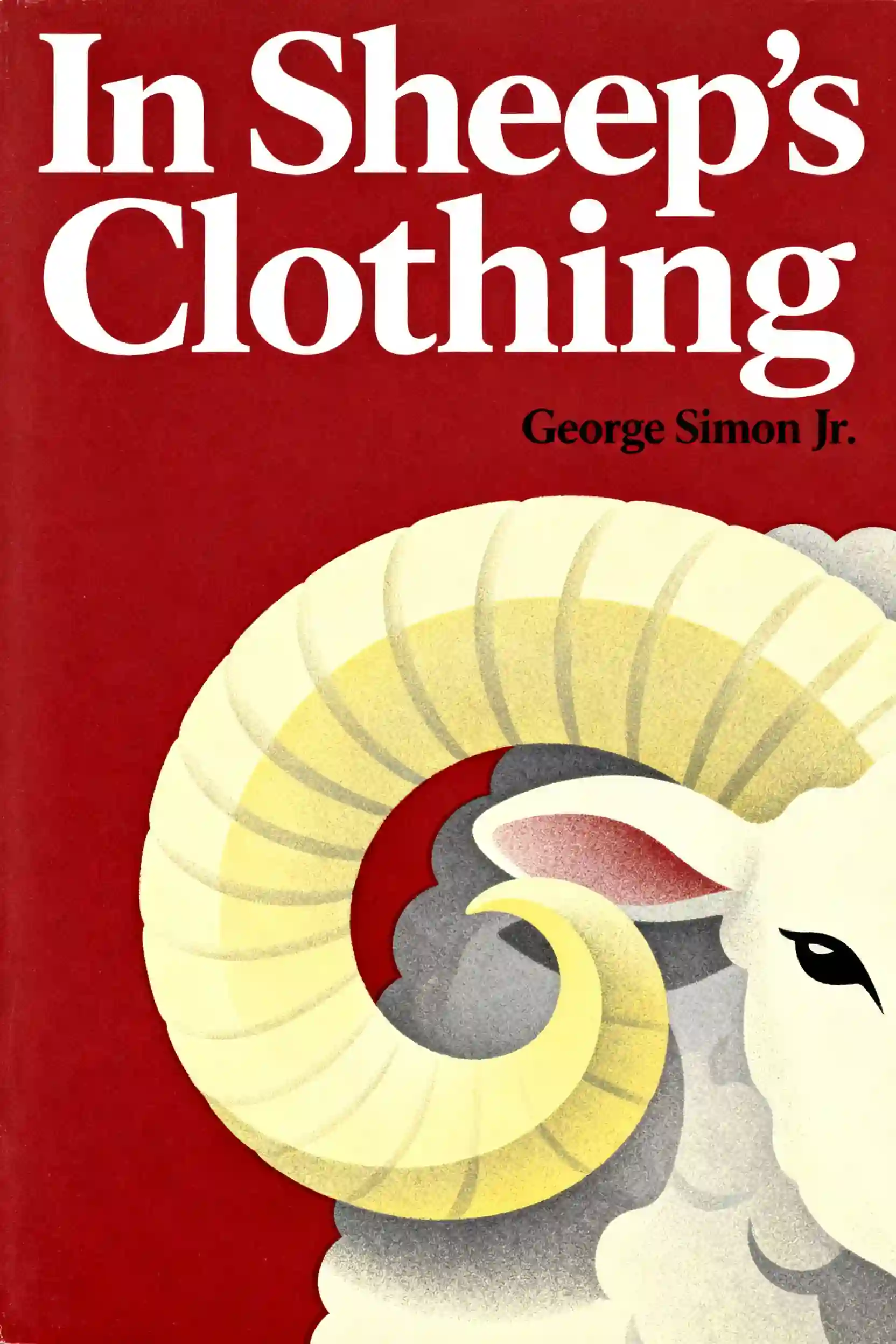
    In sheep's clothing
    The narcissist you know
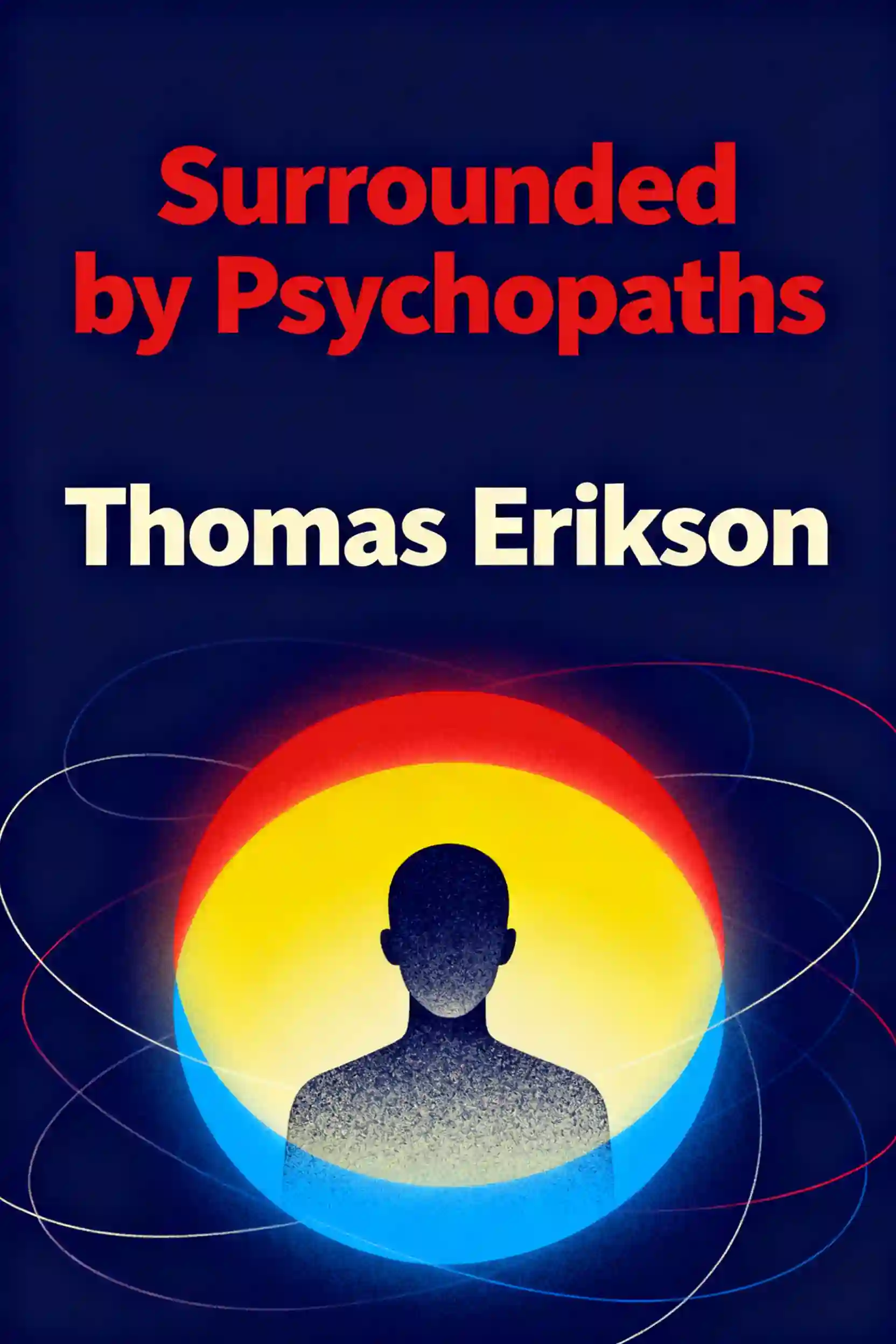
    Surrounded by Psychopaths
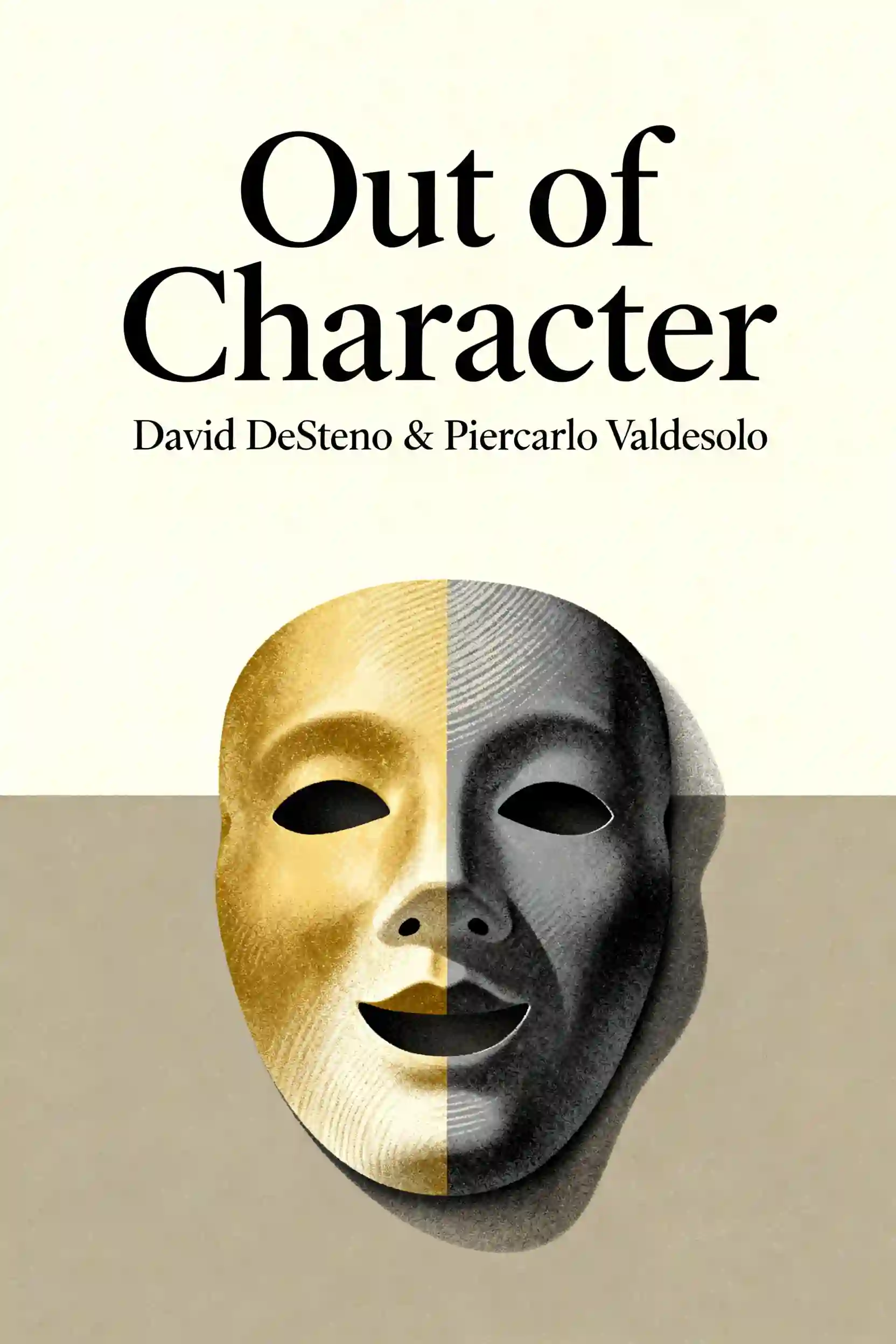
    Out of Character
    Outsmarting the Sociopath Next Door
    Emotional Blackmail

    常见问题

    The Manipulation Formula is a psychological equation used to understand how control is established: Trust + Information + Leverage + Psychological Confusion + Dependency + the Manipulator’s Character Traits = Control. While all elements play a role, leverage is the "engine" of the formula. It represents the emotional or psychological pressure point—such as a fear of loss or a need for approval—that allows a manipulator to convert simple influence into actual directional control over another person.

    Strategic Self-Disclosure is a tactic where a manipulator shares a personal secret or past trauma early in a relationship to create a false sense of intimacy. This move is designed to trigger the psychological principle of reciprocity, making the other person feel a push to share their own vulnerabilities in return. This allows the manipulator to "map" the victim's weaknesses and identify the specific pressure points they can use as leverage later on.

    The primary distinction lies in transparency and autonomy. Persuasion is a transparent process where you are aware that someone is trying to convince you, and you remain free to say no. Manipulation, however, is "concealed control" that bypasses informed choice. It often involves "Weaponized Ambiguity," where the manipulator uses vague criticism and shifting rules to keep the victim in a state of psychological confusion, making them dependent on the manipulator’s interpretation of reality.

    DARVO stands for Deny, Attack, and Reverse Victim and Offender. It is a defensive maneuver used by manipulators when confronted, where they deny their behavior and attack the person who brought it up until they successfully frame themselves as the victim. "Grey Rocking" is a defense strategy against this and other tactics; it involves becoming as unreactive and boring as a grey rock. By refusing to provide an emotional response, the victim neutralizes the manipulator's leverage, as there is no "emotional rise" to exploit.

    Intermittent Reinforcement is a cycle of unpredictable warmth and coldness that mirrors the mechanism of gambling addiction. Because the "win"—which in this case is the manipulator's approval—is unpredictable, the victim becomes hyper-focused on achieving it. This creates a powerful conditioned reflex where the victim begins to tolerate mistreatment and adjust their behavior just to avoid the discomfort of withdrawal and return to the "high" of the manipulator's validation.

    由哥伦比亚大学校友创建 | 源自旧金山

    BeFreed 汇聚全球求知若渴的学习者

    4.7

    平均评分

    7,840+ 条 App 评分

    BeFreed 社区

    说真的,我还没把这个 app 完全摸透,但用了这几天已经被惊艳到了… BeFreed 和我用过的任何学习类 app 都不在一个层级。它让人特别投入,还能实实在在地提升专注力,对刷手机停不下来的人来说太合适了!

    @ladyInfinity

    我买 BeFreed 正好 23 天,从那以后每天都在用。它已经完全融入了我的日常工作流和学习习惯。

    @jayallen

    说实话,这个 app 超出了我所有的预期。我可以让它就任何主题生成音频,无论是什么,效果都很惊艳。我的专业领域是心理治疗方向,而且是多学科交叉的,但它给出的内容非常准确。

    @Raguipa

    我最感激的是它大大减少了我刷手机的时间——花在搜索上的时间少了,吸收信息的时间多了。完整有声书、播客加上学习计划的组合,真的很出色。

    @colonyofcreatorsNGO

    我做 PhotoReading 快速学习讲师已经 24 年了… 书籍、阅读和学习就是我的本行,而 BeFreed 用一种创新的方式,把知识变得特别容易吸收,做得非常出色。

    @BeFreed user

    它不只是一个书籍摘要 app。我用过「有趣」这个阅读模式,比传统方式的摘要好得多,理解观点也更容易,光这一点就值回票价。

    @austinakon

    我爱这个 app。用了几天,完全停不下来。作为开始,再好不过了。

    @jcrules328

    我真的很喜欢这个产品;已经试用了大概一个月,感觉挖到宝了。它特别好用,因为我可以用 BeFreed 创建自己想学的主题,声音也很棒,旁白选择多到用不完。

    @DanielCZ

    说真的,我还没把这个 app 完全摸透,但用了这几天已经被惊艳到了… BeFreed 和我用过的任何学习类 app 都不在一个层级。它让人特别投入,还能实实在在地提升专注力,对刷手机停不下来的人来说太合适了!

    @ladyInfinity

    我买 BeFreed 正好 23 天,从那以后每天都在用。它已经完全融入了我的日常工作流和学习习惯。

    @jayallen

    说实话,这个 app 超出了我所有的预期。我可以让它就任何主题生成音频,无论是什么,效果都很惊艳。我的专业领域是心理治疗方向,而且是多学科交叉的,但它给出的内容非常准确。

    @Raguipa

    我最感激的是它大大减少了我刷手机的时间——花在搜索上的时间少了,吸收信息的时间多了。完整有声书、播客加上学习计划的组合,真的很出色。

    @colonyofcreatorsNGO

    我做 PhotoReading 快速学习讲师已经 24 年了… 书籍、阅读和学习就是我的本行,而 BeFreed 用一种创新的方式,把知识变得特别容易吸收,做得非常出色。

    @BeFreed user

    它不只是一个书籍摘要 app。我用过「有趣」这个阅读模式,比传统方式的摘要好得多,理解观点也更容易,光这一点就值回票价。

    @austinakon

    我爱这个 app。用了几天,完全停不下来。作为开始,再好不过了。

    @jcrules328

    我真的很喜欢这个产品;已经试用了大概一个月,感觉挖到宝了。它特别好用,因为我可以用 BeFreed 创建自己想学的主题,声音也很棒,旁白选择多到用不完。

    @DanielCZ

    我特别喜欢它能把有用的信息和想法浓缩成 8-15 分钟的播客式音频。我本来不太爱听播客,因为废话太多,但它把这些全都去掉了。

    @BeFreed user

    我正在读博士的最后阶段,需要读大量不熟悉的材料… 用 BeFreed,只要输入一个提示,app 就会帮你找到源材料并生成一期音频播客。我觉得 BeFreed 的流程比 NotebookLM 更顺畅。

    @Brad

    我经常在做早餐、散步、通勤的时候上 YouTube 找点东西听,而 BeFreed 提供了更有针对性的选择,没有广告,也没有废话!

    @BeFreed user

    这个平台最棒的地方是它的多面性。真的没有任何主题是它讲不了的,你丢给它什么它都能处理… 很少能找到一个毫无限制、又真正兑现承诺的学习工具。

    @jayallen

    BeFreed 太棒了。界面好用,让我花在找功能上的时间更少,花在学习上的时间更多。有声书、播客和学习计划的组合是天才设计,彻底改变了我的日常。

    @BeFreed user

    一开始我花了点时间才弄明白怎么生成意大利语的播客,然后就——哇!太棒了!我可以让它讲解任何一个话题,它讲得又好又聪明!

    @matteo77

    BeFreed 已经成了我每天都用的有声书 app… 我最喜欢的是,把自己的文字放进去,它就能生成随时随地都能听的音频。

    @kotanzu1

    我特别喜欢它能把有用的信息和想法浓缩成 8-15 分钟的播客式音频。我本来不太爱听播客,因为废话太多,但它把这些全都去掉了。

    @BeFreed user

    我正在读博士的最后阶段,需要读大量不熟悉的材料… 用 BeFreed,只要输入一个提示,app 就会帮你找到源材料并生成一期音频播客。我觉得 BeFreed 的流程比 NotebookLM 更顺畅。

    @Brad

    我经常在做早餐、散步、通勤的时候上 YouTube 找点东西听,而 BeFreed 提供了更有针对性的选择,没有广告,也没有废话!

    @BeFreed user

    这个平台最棒的地方是它的多面性。真的没有任何主题是它讲不了的,你丢给它什么它都能处理… 很少能找到一个毫无限制、又真正兑现承诺的学习工具。

    @jayallen

    BeFreed 太棒了。界面好用,让我花在找功能上的时间更少,花在学习上的时间更多。有声书、播客和学习计划的组合是天才设计,彻底改变了我的日常。

    @BeFreed user

    一开始我花了点时间才弄明白怎么生成意大利语的播客,然后就——哇!太棒了!我可以让它讲解任何一个话题,它讲得又好又聪明!

    @matteo77

    BeFreed 已经成了我每天都用的有声书 app… 我最喜欢的是,把自己的文字放进去,它就能生成随时随地都能听的音频。

    @kotanzu1

    查看更多网络上关于 BeFreed 的讨论
    129.7K19.5K
    55.2K19.2K
    154.2K10827355
    48.1K2.5K
    81.2K6.6K
    82.3K1.8K
    开启你的学习之旅,就是现在
    BeFreed 应用
    BeFreed

    个性化学习,无所不能

    DiscordLinkedIn
    精选书籍摘要
    Crucial ConversationsThe Perfect MarriageInto the WildNever Split the DifferenceAttachedGood to GreatSay Nothing
    热门分类
    Self HelpCommunication SkillRelationshipMindfulnessPhilosophyInspirationProductivity
    名人书单
    Elon MuskCharlie KirkBill GatesSteve JobsAndrew HubermanJoe RoganJordan Peterson
    获奖作品
    Pulitzer PrizeNational Book AwardGoodreads Choice AwardsNobel Prize in LiteratureNew York TimesCaldecott MedalNebula Award
    精选主题
    ManagementAmerican HistoryWarTradingStoicismAnxietySex
    年度最佳书籍
    2025 Best Non Fiction Books2024 Best Non Fiction Books2023 Best Non Fiction Books
    精选作者
    Chimamanda Ngozi AdichieGeorge OrwellO. J. SimpsonBarbara O'NeillWinston ChurchillCharlie Kirk
    BeFreed 与其他应用对比
    BeFreed vs. Other Book Summary AppsBeFreed vs. ElevenReaderBeFreed vs. ReadwiseBeFreed vs. Anki
    学习工具
    Knowledge VisualizerAI Podcast Generator
    更多信息
    关于我们arrow
    定价arrow
    常见问题arrow
    博客arrow
    招聘arrow
    合作伙伴arrow
    大使计划arrow
    目录arrow
    BeFreed
    Try now
    © 2026 BeFreed
    使用条款隐私政策
    BeFreed

    个性化学习,无所不能

    DiscordLinkedIn
    精选书籍摘要
    Crucial ConversationsThe Perfect MarriageInto the WildNever Split the DifferenceAttachedGood to GreatSay Nothing
    热门分类
    Self HelpCommunication SkillRelationshipMindfulnessPhilosophyInspirationProductivity
    名人书单
    Elon MuskCharlie KirkBill GatesSteve JobsAndrew HubermanJoe RoganJordan Peterson
    获奖作品
    Pulitzer PrizeNational Book AwardGoodreads Choice AwardsNobel Prize in LiteratureNew York TimesCaldecott MedalNebula Award
    精选主题
    ManagementAmerican HistoryWarTradingStoicismAnxietySex
    年度最佳书籍
    2025 Best Non Fiction Books2024 Best Non Fiction Books2023 Best Non Fiction Books
    学习工具
    Knowledge VisualizerAI Podcast Generator
    精选作者
    Chimamanda Ngozi AdichieGeorge OrwellO. J. SimpsonBarbara O'NeillWinston ChurchillCharlie Kirk
    BeFreed 与其他应用对比
    BeFreed vs. Other Book Summary AppsBeFreed vs. ElevenReaderBeFreed vs. ReadwiseBeFreed vs. Anki
    更多信息
    关于我们arrow
    定价arrow
    常见问题arrow
    博客arrow
    招聘arrow
    合作伙伴arrow
    大使计划arrow
    目录arrow
    BeFreed
    Try now
    © 2026 BeFreed
    使用条款隐私政策

    相似内容

    Dark Psychology and the Art of Manipulation 书籍封面
    [134846a6-f1d4-46e0-b99f-61654bb055d2:c0000] Dark Psychology: The Art Of Manipulation (Full Audiobook) p1-1[134846a6-f1d4-46e0-b99f-61654bb055d2:c0001] Dark Psychology: The Art Of Manipulation (Full Audiobook) p1-1[134846a6-f1d4-46e0-b99f-61654bb055d2:c0002] Dark Psychology: The Art Of Manipulation (Full Audiobook) p1-1[134846a6-f1d4-46e0-b99f-61654bb055d2:c0003] Dark Psychology: The Art Of Manipulation (Full Audiobook) p1-1
    18 sources
    Dark Psychology and the Art of Manipulation
    Manipulation often feels like your own choice. Learn how to recognize emotional hijacking and build a mental fortress to reclaim your autonomy.
    961 min
    Dark Psychology: 10 Manipulation Tricks That Feel Like Love 书籍封面
    The Art of SeductionFlipnosisInfluence is Your SuperpowerAge of Propaganda
    18 sources
    Dark Psychology: 10 Manipulation Tricks That Feel Like Love
    Uncover the hidden psychological tactics that make dangerous manipulators seem like heroes. Learn to spot the 10 patterns that turn control into gratitude and manipulation into love.
    23 min
    Dark Psychology: The Mechanics of Manipulation 书籍封面
    Dark Psychology: Definition, Techniques, and More - Psych CentralDark Psychology: Manipulation Tactics to Recognize and Neutralize | When Notes FlyDark Psychology: 11 Traits & Manipulation TacticsDark Psychology Definition in Psychology
    5 sources
    Dark Psychology: The Mechanics of Manipulation
    Kindness and responsibility are often used against us. Learn to spot the Dark Triad and gaslighting tactics to build a stronger defensive playbook.
    20 min
    Dark Psychology: Manipulation in Plain Sight 书籍封面
    Age of PropagandaThe Art of SeductionFlipnosisInfluence is Your Superpower
    22 sources
    Dark Psychology: Manipulation in Plain Sight
    Discover how manipulation tactics like gaslighting and love bombing appear in everyday relationships, workplaces, and media—and learn practical strategies to recognize and defend against these psychological techniques.
    42 min
    Dark Psychology: When Truth Becomes Manipulation 书籍封面
    The Art of SeductionFlipnosisInfluence is Your SuperpowerThe Art of Influencing Anyone
    22 sources
    Dark Psychology: When Truth Becomes Manipulation
    Explore the hidden world of psychological manipulation, from 'paltering' and emotional hijacking to digital deception and workplace predators. Learn to recognize and resist these everyday tactics.
    55 min
    Dark psychology and the five stages of control 书籍封面
    In sheep's clothingSurrounded by PsychopathsThe narcissist you knowFlipnosis
    22 sources
    Dark psychology and the five stages of control
    Manipulation often hides behind kindness. Learn how the dark triad and gaslighting work so you can spot these tactics and protect your mental well-being.
    26 min
    Dark Psychology: The Mechanics of Manipulation 书籍封面
    Dark Psychology: Manipulation Tactics to Recognize and Neutralize | When Notes FlyUnderstanding Dark Psychology and Manipulation TacticsDark Psychology: 11 Traits & Manipulation TacticsThe Ethics of Manipulation - Stanford Encyclopedia of Philosophy
    6 sources
    Dark Psychology: The Mechanics of Manipulation
    When empathy is weaponized, even the most conscientious people can be manipulated. Learn to spot the tactics of the Dark Tetrad and reclaim your autonomy.
    22 min
    Dark Psychology: The Mechanics of Manipulation 书籍封面
    Outsmarting the Sociopath Next DoorThe 48 laws of powerDark Psychology: 12 Tricks for Manipulation & Mind Control (and How to Avoid Them)20 Dark Psychological Tactics: Unveiling Manipulative Techniques
    8 sources
    Dark Psychology: The Mechanics of Manipulation
    Subtle psychological tactics can quietly strip away our autonomy. Learn to spot the signs of the Dark Triad to protect your mental well-being.
    24 min

    Recommended Learning Plans

    Dark Psychology Manipulation
    学习计划

    Dark Psychology Manipulation

    This learning plan is essential for anyone who wants to protect themselves from manipulation and make informed decisions in their relationships and professional life. It's particularly valuable for individuals who have experienced manipulation, professionals working in high-stakes environments, or anyone seeking to understand the darker aspects of human psychology to build stronger defenses and healthier interactions.

    4 h 23 m•4 章节
    The Mechanics of Dark Psychology
    学习计划

    The Mechanics of Dark Psychology

    Understanding the hidden drivers of human behavior is essential for personal safety in professional and social environments. This plan is designed for anyone looking to sharpen their intuition and build a robust defense against manipulative personality traits.

    1 h 30 m•3 章节
    Learn dark physcology tricks
    学习计划

    Learn dark physcology tricks

    This plan is essential for professionals and individuals seeking to safeguard themselves against predatory behavior while mastering advanced persuasion. It benefits anyone looking to improve their social intelligence and recognize manipulation in high-stakes environments.

    5 h 38 m•4 章节
    Dark Psychology Podcast: 500 Books Condensed
    学习计划

    Dark Psychology Podcast: 500 Books Condensed

    Dark psychology affects every aspect of our lives, from personal relationships to professional environments. This learning plan equips individuals with the knowledge to identify manipulation tactics, understand dark personality traits, and develop protective strategies against psychological influence.

    4 h 5 m•4 章节
    The Mechanics of Influence and Defense
    学习计划

    The Mechanics of Influence and Defense

    In an era of constant social engineering, understanding the psychological drivers of manipulation is essential for personal safety and professional integrity. This plan is ideal for individuals looking to sharpen their social intuition and build resilient boundaries against covert influence.

    1 h 30 m•3 章节
    Revenging a manipulator
    学习计划

    Revenging a manipulator

    This plan is essential for anyone seeking to break free from toxic cycles and reclaim their autonomy. It provides a strategic roadmap for victims of manipulation to transform into empowered survivors through psychological mastery and boundary setting.

    5 h 14 m•4 章节
    The Counter-Manipulation Strategist
    学习计划

    The Counter-Manipulation Strategist

    In an era of subtle influence, understanding the mechanics of psychological control is essential for maintaining personal autonomy. This plan is designed for professionals and individuals seeking to safeguard their mental space against predatory behavior and emotional tactics.

    1 h 45 m•3 章节
    To manipulate others
    学习计划

    To manipulate others

    This plan is essential for leaders and professionals who need to navigate complex social hierarchies and master the art of persuasion. It provides a comprehensive toolkit for understanding human motivation and protecting oneself from covert influence.

    5 h 5 m•4 章节