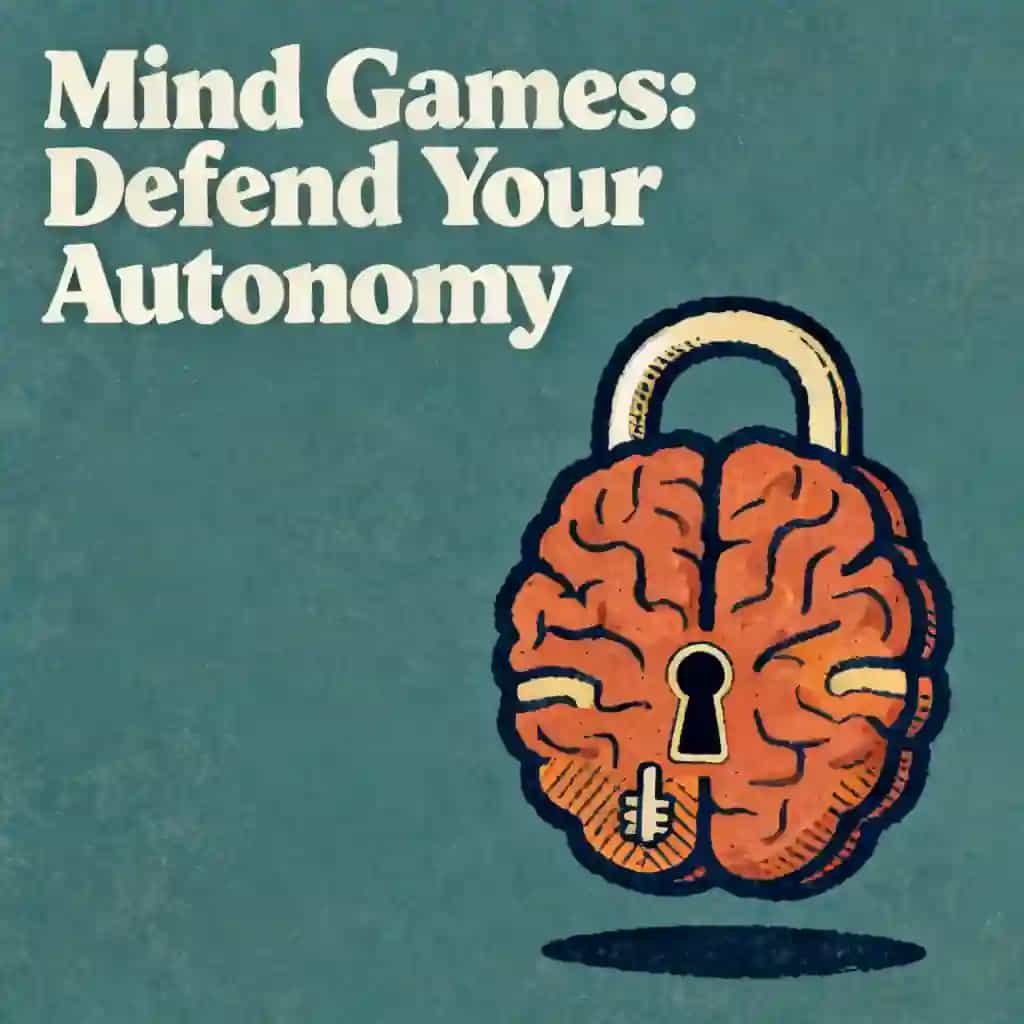
Lifting the Fog of Manipulation: Signs and Psychology
Explore the psychology of manipulation and learn to identify the signs of emotional control, deceptive behavior, and the confusing fog of gaslighting.

Lifting the Fog of Manipulation: Signs and Psychology最佳语录
Manipulation is a violation of emotional safety that treats people as causal levers to be pulled rather than individuals to be respected. Once you recognize the patterns, you move from a place of confusion to a place where you can see the strings being pulled.
Generated by Spencer
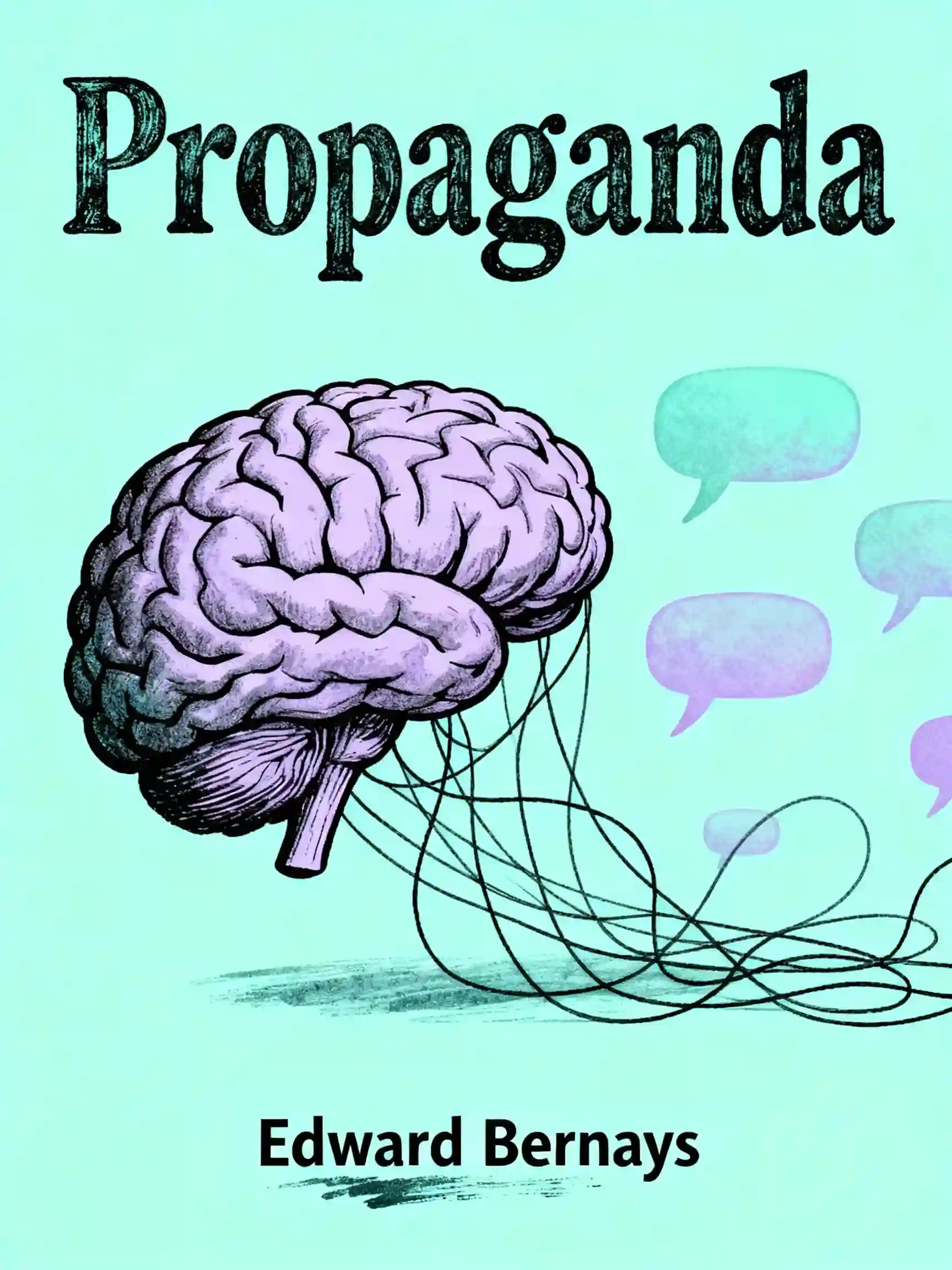
Manipulation






常见问题
In the field of psychology, manipulation is defined as a subtle or underhanded attempt to influence and control another person to serve one's own personal goals. Unlike a standard disagreement or an attempt to convince someone of a point, manipulation is inherently deceptive. It often occurs at the other person's expense, creating a dynamic where one individual's needs are prioritized through hidden tactics rather than open and honest communication.
A primary indicator of manipulation is a feeling of confusion often described as a heavy fog. You may enter a conversation intending to express a concern but leave feeling like you need to apologize for being too sensitive. This tactic causes you to doubt your own memories and perceptions of reality. When someone changes the rules of how you perceive the world to avoid accountability, it is a strong sign that psychological manipulation is occurring.
People utilize manipulative behaviors for various reasons, including the desire to maintain power or avoid being held accountable for their actions. These tactics can stem from a deep-seated fear of rejection or serve as a learned survival mechanism resulting from childhood trauma. Because these behaviors are often rooted in ancient human drives for control, the person using them might not even realize they are engaging in deceptive behavior to influence their partner or colleagues.
Manipulation feels much more personal than a standard argument because it involves more than just a disagreement over facts or opinions. In a healthy argument, both parties generally understand the rules of engagement. However, manipulation involves changing the rules of how a person perceives the world. It is a deceptive form of emotional control where one person's perspective is undermined to serve the influencer's personal aims, often leaving the other person feeling confused and silenced.
由哥伦比亚大学校友在旧金山创建
"Instead of endless scrolling, I just hit play on BeFreed. It saves me so much time."


"I never knew where to start with nonfiction—BeFreed’s book lists turned into podcasts gave me a clear path."


"Perfect balance between learning and entertainment. Finished ‘Thinking, Fast and Slow’ on my commute this week."
"Crazy how much I learned while walking the dog. BeFreed = small habits → big gains."
"Reading used to feel like a chore. Now it’s just part of my lifestyle."

"Feels effortless compared to reading. I’ve finished 6 books this month already."
"BeFreed turned my guilty doomscrolling into something that feels productive and inspiring."

"BeFreed turned my commute into learning time. 20-min podcasts are perfect for finishing books I never had time for."
"BeFreed replaced my podcast queue. Imagine Spotify for books — that’s it. 🙌"

"It is great for me to learn something from the book without reading it."
"The themed book list podcasts help me connect ideas across authors—like a guided audio journey."
"Makes me feel smarter every time before going to work"
 Ask ChatGPT
 Ask Claude
由哥伦比亚大学校友在旧金山创建
"Instead of endless scrolling, I just hit play on BeFreed. It saves me so much time."
"I never knew where to start with nonfiction—BeFreed’s book lists turned into podcasts gave me a clear path."
"Perfect balance between learning and entertainment. Finished ‘Thinking, Fast and Slow’ on my commute this week."
"Crazy how much I learned while walking the dog. BeFreed = small habits → big gains."
"Reading used to feel like a chore. Now it’s just part of my lifestyle."
"Feels effortless compared to reading. I’ve finished 6 books this month already."
"BeFreed turned my guilty doomscrolling into something that feels productive and inspiring."
"BeFreed turned my commute into learning time. 20-min podcasts are perfect for finishing books I never had time for."
"BeFreed replaced my podcast queue. Imagine Spotify for books — that’s it. 🙌"
"It is great for me to learn something from the book without reading it."
"The themed book list podcasts help me connect ideas across authors—like a guided audio journey."
"Makes me feel smarter every time before going to work"
"Instead of endless scrolling, I just hit play on BeFreed. It saves me so much time."
"I never knew where to start with nonfiction—BeFreed’s book lists turned into podcasts gave me a clear path."
"Perfect balance between learning and entertainment. Finished ‘Thinking, Fast and Slow’ on my commute this week."
"Crazy how much I learned while walking the dog. BeFreed = small habits → big gains."
"Reading used to feel like a chore. Now it’s just part of my lifestyle."
"Feels effortless compared to reading. I’ve finished 6 books this month already."
"BeFreed turned my guilty doomscrolling into something that feels productive and inspiring."
"BeFreed turned my commute into learning time. 20-min podcasts are perfect for finishing books I never had time for."
"BeFreed replaced my podcast queue. Imagine Spotify for books — that’s it. 🙌"
"It is great for me to learn something from the book without reading it."
"The themed book list podcasts help me connect ideas across authors—like a guided audio journey."
"Makes me feel smarter every time before going to work"
"Instead of endless scrolling, I just hit play on BeFreed. It saves me so much time."
"I never knew where to start with nonfiction—BeFreed’s book lists turned into podcasts gave me a clear path."
"Perfect balance between learning and entertainment. Finished ‘Thinking, Fast and Slow’ on my commute this week."
"Crazy how much I learned while walking the dog. BeFreed = small habits → big gains."
"Reading used to feel like a chore. Now it’s just part of my lifestyle."
"Feels effortless compared to reading. I’ve finished 6 books this month already."
"BeFreed turned my guilty doomscrolling into something that feels productive and inspiring."
"BeFreed turned my commute into learning time. 20-min podcasts are perfect for finishing books I never had time for."
"BeFreed replaced my podcast queue. Imagine Spotify for books — that’s it. 🙌"
"It is great for me to learn something from the book without reading it."
"The themed book list podcasts help me connect ideas across authors—like a guided audio journey."
"Makes me feel smarter every time before going to work"