BeFreed
    Categories>Psychology>Dark Psychology and the Art of Manipulation: Unconscious Mind Tactics

    Dark Psychology and the Art of Manipulation: Unconscious Mind Tactics

    16 分钟
    |
    |
    2026年8月16日
    PsychologySelf-Growth

    Explore how dark psychology and emotional manipulation target the unconscious mind to bypass rational decision-making and exploit behavioral patterns.

    Dark Psychology and the Art of Manipulation: Unconscious Mind Tactics
    选择讲述方式

    同一期节目,多种聆听方式。

    围绕《Dark Psychology and the Art of Manipulation: Unconscious Mind Tactics》的相同观点,选择适合你的声音、深度和节奏,随时切换。

    逐字稿与章节

    第 1 章

    The Invisible Script Governing Your Daily Choices

    Did you know that your unconscious mind governs the vast majority of your brain functions—everything from your heart rate and digestion to your deepest memories and creative sparks? It is the powerhouse of your existence, but it is also the primary playground for dark psychology. Most people like to believe they are the captains of their own ships, making rational decisions based on logic and personal values, but the reality is far more startling. Emotional manipulation is essentially a "temporal takeover" of your ability to think and act rationally. It happens when someone bypasses your conscious mind and hijacks your emotions to make you feel or behave in a way that serves their agenda. You might find yourself doing things you would normally never do, or feeling a sense of guilt that doesn't actually belong to you. This isn't just about bad luck in relationships—it is a sophisticated set of psychological strategies designed to instill a false sense of security and foster a trust that can later be exploited. The essence of manipulation isn't necessarily forcing you to do something against your will; it is about making you desire to act as the manipulator wishes. They identify your genuine desires and reshape them to align with their own objectives. If you have ever felt like you were acting out of someone else's script while still believing you were being yourself, you have experienced the core of dark psychology. Understanding this mechanism is the first step to reclaiming your autonomy, because the person with the most control over your emotions is the one who wins the game. We are going to peel back the layers of these hidden influence techniques to see exactly how they work, so you can build a psychological fortress that is virtually impenetrable.
    第 2 章

    Why Your Brain Is Hardwired For Emotional Hijacking

    To defend yourself, you have to understand why you have emotions in the first place—and why they are so vulnerable. Emotions aren't just random "feelings"—they are biological survival mechanisms that have developed over millennia. They are reflexive and instinctive, meaning they often happen before you even have a chance to think about them. This is because emotions fall under the "implicit" thought process, which operates independently of your rational, explicit mind. When a manipulator triggers fear, for example, they are tapping into a survival drive that demands caution or flight, often overriding your ability to see that there is no real danger. There are seven fundamental emotions that are recognized globally—anger, fear, contempt, disgust, happiness, sadness, and surprise—and each one signals a specific need. For instance, sadness prompts a need for support, while anger signals that a boundary has been crossed. A skilled manipulator reads these signals like a map. They use emotional bonds to extract information and identify your vulnerabilities, sometimes even feigning emotions themselves to destabilize your decisions. They know that if they can control how you feel, they can control how you think and act. This is why building emotional intelligence is just as important as being "book smart". If you aren't aware of your own emotional triggers, you are essentially leaving the keys to your psyche in the ignition for anyone to take. Manipulators look for people with unhealthy self-esteem who seek external validation, because they can temporarily soothe that emotional need to get you to lower your guard. Once that guard is down, the coercion begins. But once you realize that these tactics are just "mind games," you can start to change the rules of the engagement.
    继续学习本期节目

    在 BeFreed 中把本期节目的观点带入更完整的引导式学习体验。

    第 3 章

    The Toolkit of the Psychological Predator

    So, who exactly is the person on the other side of this equation? In the simplest terms, a manipulator is someone who uses others to influence the outcome of a situation to their own benefit. Their goals often involve seizing power, gaining total control in a relationship, or even taking credit for someone else's hard work. They use a specific set of tools to achieve this: deceit, guilt, lies, and false hope. One of the most common tactics is "projection," where the manipulator shifts their own shortcomings or errors onto you so that you end up carrying the burden of guilt while they look blameless. They might also use "intellectual bullying," overwhelming you with facts—which might not even be accurate—to position themselves as an authority you shouldn't question. Then there is "boundary testing." This is a slow, methodical process where they cross one line at a time—maybe starting with a condescending comment, then moving to a small act of aggression—to see how much you will accommodate before you stand up for yourself. If you show "excessive understanding" instead of setting a firm limit, they escalate. They might even use "demeaning sarcasm" to poke at your insecurities under the guise of a joke, making sure you feel small just as you're starting to gain recognition or confidence. Another sophisticated pillar is "triangulation," which is frequent in romantic dynamics—they justify their bad behavior by comparing it to someone else's actions, making you feel like you are the one overreacting. All of these tactics have one thing in common: they seek to diminish your self-worth because a person with high self-assurance is a "formidable defense" against manipulation. By recognizing these tools, you can start to see the man behind the curtain.

    第 4 章

    The Dual Nature of Empathy as a Weapon

    Now, this is where it gets truly counterintuitive: empathy, the very thing we consider the pinnacle of human kindness, can actually be used as a tool for mind control. True empaths are "listeners of life" who connect deeply with the emotions and struggles of others, often putting aside their own needs to help someone else heal. Because empaths are so warm and welcoming, they often attract people—and predators—from all walks of life. Dark psychology practitioners understand that if they can forge an emotional bridge through empathy, they can bypass your rational filters. They might use "mirroring," where they subtly mimic your body language or mannerisms to signal that they are just like you, which builds a rapid, unearned trust. They use "active listening" not to understand you, but to gather "trust capital" and identify vulnerabilities they can later leverage. A manipulator might even "play the victim" to evoke your sympathy, drawing you into a "hurt and rescue" cycle where they create a sense of discomfort and then offer their desired action as the only solution. They know that humans have an inherent drive for "reciprocity"—if someone does something for us, we feel an intense obligation to return the favor. Dark persuaders exploit this by doing small, unsolicited favors with the specific intent of "cashing in" on a much larger request later. They might also use "storytelling" to engage the emotional part of your brain, which is far more receptive and less skeptical than the logical part of your brain that processes facts and statistics. When you're lost in a story, your "sentinel system"—the part of you that stays vigilant for lies—goes to sleep. Being aware of these "empathy traps" doesn't mean you should stop being kind; it means you should be discerning about who you allow into your inner emotional sanctum.

    继续学习本期节目

    在 BeFreed 中把本期节目的观点带入更完整的引导式学习体验。

    第 5 章

    Coercive Control and the Mask of Love

    One of the most difficult areas to spot manipulation is within our closest relationships, where control often wears the mask of "concern" or "protection." Psychologists identify several traits that indicate a controlling partner, such as "isolation tactics" designed to strip you of your support network, or "chronic criticism" that chips away at your confidence. In a manipulative dynamic, even "generosity" can be a trap—giving extravagant gifts early in a relationship can create a "sense of debt" that makes it harder for you to leave later. A manipulator might also use "emotional blackmail," using your own feelings against you to drive you toward actions you don't actually want to take. This often escalates into "gaslighting" or "brainwashing," where repetition is used to overpower your reasoning until you start accepting their reality over your own. They might use "leading questions" that assume your agreement or "equivocation"—using ambiguous language to keep you confused and off-balance. In some cases, this control is framed as "gentle persuasion" aimed at "improving" the relationship, such as advising you on what to eat or who to see for your own "well-being". But the reality is that once you become "worthless and completely dependent" on another person, the damage to your self-esteem is profound. Recognizing these red flags—like feeling a sense of guilt that was induced by them, or noticing that they always "twist your words" to shift blame—is vital. The key to breaking free is self-awareness. The more aware you are of your own tendency to react emotionally to others, the better your chances of regaining control of your thoughts and behaviors. You have to decide where the line is between "self-sacrifice" and losing your identity entirely.

    第 6 章

    The Science of Deception and How to Spot the Gaps

    If manipulation is the strategy, deception is the execution. Deception can take many forms: "camouflage," which involves concealing true intentions through half-truths; "simulation," which is presenting false information to mislead you; or "disguise," where a person adopts a completely different persona to gain your trust. To protect yourself, you have to become an expert at "detecting anomalies" in how people communicate. Professional deception detection often focuses on linguistic cues—for instance, deceptive people often avoid "self-reference," minimizing the use of the word "I" when describing an event to distance themselves from a lie. They might also answer a question with another question to dodge the issue entirely. Non-verbal cues are just as telling. You should watch for sudden changes in behavior, like speaking faster or louder, frequent throat-clearing, or even subtle eye movements like looking away or closing eyes when saying "no". One effective technique for flushing out a liar is to ask them to "recall the event backward". Truthful people can usually do this because their memories are based on actual sensory experiences, but liars—who have rehearsed a linear narrative—often stumble and reveal inconsistencies when the script is reversed. You should also be wary of "insincere compliments" or "personality marketing," where someone works too hard to sell you on their "good qualities" before you've even had a chance to know them. This is a common tactic of narcissists, who have an "exalted, usually false opinion of themselves" and use charm to "lower your defenses". By staying vigilant and filtering information through a "logic filter" rather than just taking it at face value, you can dismantle the web of lies before it traps you.

    继续学习本期节目

    在 BeFreed 中把本期节目的观点带入更完整的引导式学习体验。

    第 7 章

    Neurolinguistic Programming and the Anchors of the Mind

    One of the more advanced layers of psychological influence is Neurolinguistic Programming, or NLP. Developed in the 1970s, NLP focuses on how language and sensory perception can be used to "modify human behavior" without the person being consciously aware of it. One of its most powerful concepts is "anchoring," which is essentially creating a "neurobiological connection" between a specific stimulus—like a touch, a word, or a sound—and a desired emotional state. While this can be used positively for self-improvement, manipulators use it to "implant intentions" and maintain control. They might use "spatial anchoring," where they associate different physical spots with different moods—moving to a new spot when delivering bad news to avoid anchoring negativity to their "normal" position. They also use the "interspersed technique," which involves hiding a specific message within a larger, seemingly innocent sentence to "shape perception subtly and free". They pay close attention to your "eye accession cues"—watching if you look up and right to construct a mental picture or leftward to recall a memory—so they can tailor their communication to match how your brain is processing information in real-time. They might even use "subliminal messages"—auditory or visual cues that are too fast or quiet for the conscious mind to register but are "processed by the unconscious" to shape your thoughts and choices. The goal of all these techniques is to "dull the vigilance" of your internal sentinel. But here is the fix: once you know these techniques exist, you can turn them into your own tools for "emotional self-regulation". You can anchor your own positive states, like peace and calm, to a specific gesture so that you can trigger them when you feel a manipulator trying to induce stress. You can "reframe" negative situations as opportunities for growth, effectively "severing the link" between a manipulator's trigger and your emotional response.

    第 8 章

    A Practical Playbook for Reclaiming Your Autonomy

    So, how do you translate all of this theory into a daily defense strategy? The first step is to "avoid emotional entanglement" with suspected manipulators, especially when they use "false kindness" to gain your trust. If you detect manipulative behavior early, "disengage before an attachment forms". When you are in a situation where you feel pressured, remember that you have the right to "avoid hasty decisions". Taking time for "rational deliberation" free from external influence is one of your strongest shields. Another powerful technique is to "trivializing insults" and maintain rigid personal boundaries. If someone tries to bait you with an insult, showing that it doesn't affect you "strips them of their power". You should also work on "enhancing your social dominance," which doesn't mean being aggressive, but being "resilient" and "assertive". Even simple things like practicing "meditation" can help you stay "calm and perceptive," allowing you to see a manipulator's tactics as they are happening rather than getting swept up in the emotion. If you are already in a toxic relationship, you must realize that people are "unlikely to change" and that preserving your well-being might necessitate "extricating yourself" from the dynamic before it escalates. Be "strategic" when you do have to engage—control the flow of information about your vulnerabilities, and don't be afraid to use "I statements" to calmly express how you feel while providing clear examples of the manipulative behavior. Your goal is to "restore balance" and regain the helm of your own life.

    继续学习本期节目

    在 BeFreed 中把本期节目的观点带入更完整的引导式学习体验。

    第 9 章

    Cultivating Your Mental Citadel for Long-Term Peace

    The ultimate defense against dark psychology is a "robust sense of self-worth" and high emotional intelligence. When you are confident in your identity, external attempts to "diminish your self-assurance" will fail. We have looked at some of the darkest chapters of human influence—from cult leaders like Charles Manson to the "Stanford Prison Experiment," which showed how easily the human mind can be "churned" and manipulated. But the lesson in all of this is that knowledge is your greatest asset. Armed with awareness, you are much less likely to "succumb to the call" of dark psychology. You have the power to "see through the lies" and "break through" the cycles of control. Remember that building these defenses takes time and "a lot of might," but it is a journey worth taking. You aren't just protecting yourself; you are reclaiming the right to think your own thoughts and feel your own feelings. Take a moment to reflect on your own "boundaries"—are there places where you've been "too understanding" at the cost of your own peace? If so, consider setting one small, firm limit today. Your brain is a fortress, and you are the only one who should have the keys. Thank you for spending this time with me to dive into the complexities of the human mind. I hope you walk away feeling more "empowered and resilient," knowing exactly what is true in your own heart. Stay vigilant, trust your gut, and keep building that mental citadel.

    ★★★★★

    你已完成Dark Psychology and the Art of Manipulation: Unconscious Mind Tactics

    “坚持使用 23 天了,我每天都会打开它。它现在已经成为我的日常习惯。”

    jayallen

    Dark Psychology and the Art of Manipulation: Unconscious Mind Tactics最佳语录

    “

    The essence of manipulation isn't necessarily forcing you to do something against your will; it is about making you desire to act as the manipulator wishes by identifying your genuine desires and reshaping them to align with their own objectives.

    ”
    D

    Generated by Danie

    输入问题

    Defending against emotional pressure and manipulation techniques, grounded in the concepts from 'Dark Psychology: The Art Of Manipulation' by Jack Richard. Focus on recognizing emotional control tactics and building psychological defenses.

    主持声音
    Lenaplay
    知识来源
    Dark Psychology: The Art Of Manipulation (Full Audiobook)
    link
    https://youtu.be/VFpFj-z6WQ8?si=h7g0x2cvT3vQtNrX

    常见问题

    The unconscious mind governs the majority of brain functions, including memories and creative sparks, making it the primary playground for dark psychology. Manipulators use specific psychological strategies to bypass a person's conscious thoughts and hijack their emotions. By targeting this powerhouse of human existence, they can influence behavior and feelings without the individual realizing their rational decision-making process has been compromised.

    Emotional manipulation acts as a temporal takeover of an individual's ability to think and act rationally. Instead of making logical choices based on personal values, the victim is led by hijacked emotions to serve a manipulator's agenda. This sophisticated process can make people do things they would normally avoid or feel unearned guilt, effectively overriding their capacity for independent, rational thought.

    The essence of these psychological strategies is not necessarily to force someone to act against their will, but to make them desire to act as the manipulator wishes. By identifying a person's genuine desires and reshaping them to align with specific objectives, manipulators instill a false sense of security. This fosters a level of trust that can be exploited to ensure the victim's behavior serves the manipulator's goals.

    由哥伦比亚大学校友创建 | 源自旧金山

    BeFreed 汇聚全球求知若渴的学习者

    4.7

    平均评分

    7,840+ 条 App 评分

    BeFreed 社区

    说真的,我还没把这个 app 完全摸透,但用了这几天已经被惊艳到了… BeFreed 和我用过的任何学习类 app 都不在一个层级。它让人特别投入,还能实实在在地提升专注力,对刷手机停不下来的人来说太合适了!

    @ladyInfinity

    我买 BeFreed 正好 23 天,从那以后每天都在用。它已经完全融入了我的日常工作流和学习习惯。

    @jayallen

    说实话,这个 app 超出了我所有的预期。我可以让它就任何主题生成音频,无论是什么,效果都很惊艳。我的专业领域是心理治疗方向,而且是多学科交叉的,但它给出的内容非常准确。

    @Raguipa

    我最感激的是它大大减少了我刷手机的时间——花在搜索上的时间少了,吸收信息的时间多了。完整有声书、播客加上学习计划的组合,真的很出色。

    @colonyofcreatorsNGO

    我做 PhotoReading 快速学习讲师已经 24 年了… 书籍、阅读和学习就是我的本行,而 BeFreed 用一种创新的方式,把知识变得特别容易吸收,做得非常出色。

    @BeFreed user

    它不只是一个书籍摘要 app。我用过「有趣」这个阅读模式,比传统方式的摘要好得多,理解观点也更容易,光这一点就值回票价。

    @austinakon

    我爱这个 app。用了几天,完全停不下来。作为开始,再好不过了。

    @jcrules328

    我真的很喜欢这个产品;已经试用了大概一个月,感觉挖到宝了。它特别好用,因为我可以用 BeFreed 创建自己想学的主题,声音也很棒,旁白选择多到用不完。

    @DanielCZ

    说真的,我还没把这个 app 完全摸透,但用了这几天已经被惊艳到了… BeFreed 和我用过的任何学习类 app 都不在一个层级。它让人特别投入,还能实实在在地提升专注力,对刷手机停不下来的人来说太合适了!

    @ladyInfinity

    我买 BeFreed 正好 23 天,从那以后每天都在用。它已经完全融入了我的日常工作流和学习习惯。

    @jayallen

    说实话,这个 app 超出了我所有的预期。我可以让它就任何主题生成音频,无论是什么,效果都很惊艳。我的专业领域是心理治疗方向,而且是多学科交叉的,但它给出的内容非常准确。

    @Raguipa

    我最感激的是它大大减少了我刷手机的时间——花在搜索上的时间少了,吸收信息的时间多了。完整有声书、播客加上学习计划的组合,真的很出色。

    @colonyofcreatorsNGO

    我做 PhotoReading 快速学习讲师已经 24 年了… 书籍、阅读和学习就是我的本行,而 BeFreed 用一种创新的方式,把知识变得特别容易吸收,做得非常出色。

    @BeFreed user

    它不只是一个书籍摘要 app。我用过「有趣」这个阅读模式,比传统方式的摘要好得多,理解观点也更容易,光这一点就值回票价。

    @austinakon

    我爱这个 app。用了几天,完全停不下来。作为开始,再好不过了。

    @jcrules328

    我真的很喜欢这个产品;已经试用了大概一个月,感觉挖到宝了。它特别好用,因为我可以用 BeFreed 创建自己想学的主题,声音也很棒,旁白选择多到用不完。

    @DanielCZ

    我特别喜欢它能把有用的信息和想法浓缩成 8-15 分钟的播客式音频。我本来不太爱听播客,因为废话太多,但它把这些全都去掉了。

    @BeFreed user

    我正在读博士的最后阶段,需要读大量不熟悉的材料… 用 BeFreed,只要输入一个提示,app 就会帮你找到源材料并生成一期音频播客。我觉得 BeFreed 的流程比 NotebookLM 更顺畅。

    @Brad

    我经常在做早餐、散步、通勤的时候上 YouTube 找点东西听,而 BeFreed 提供了更有针对性的选择,没有广告,也没有废话!

    @BeFreed user

    这个平台最棒的地方是它的多面性。真的没有任何主题是它讲不了的,你丢给它什么它都能处理… 很少能找到一个毫无限制、又真正兑现承诺的学习工具。

    @jayallen

    BeFreed 太棒了。界面好用,让我花在找功能上的时间更少,花在学习上的时间更多。有声书、播客和学习计划的组合是天才设计,彻底改变了我的日常。

    @BeFreed user

    一开始我花了点时间才弄明白怎么生成意大利语的播客,然后就——哇!太棒了!我可以让它讲解任何一个话题,它讲得又好又聪明!

    @matteo77

    BeFreed 已经成了我每天都用的有声书 app… 我最喜欢的是,把自己的文字放进去,它就能生成随时随地都能听的音频。

    @kotanzu1

    我特别喜欢它能把有用的信息和想法浓缩成 8-15 分钟的播客式音频。我本来不太爱听播客,因为废话太多,但它把这些全都去掉了。

    @BeFreed user

    我正在读博士的最后阶段,需要读大量不熟悉的材料… 用 BeFreed,只要输入一个提示,app 就会帮你找到源材料并生成一期音频播客。我觉得 BeFreed 的流程比 NotebookLM 更顺畅。

    @Brad

    我经常在做早餐、散步、通勤的时候上 YouTube 找点东西听,而 BeFreed 提供了更有针对性的选择,没有广告,也没有废话!

    @BeFreed user

    这个平台最棒的地方是它的多面性。真的没有任何主题是它讲不了的,你丢给它什么它都能处理… 很少能找到一个毫无限制、又真正兑现承诺的学习工具。

    @jayallen

    BeFreed 太棒了。界面好用,让我花在找功能上的时间更少,花在学习上的时间更多。有声书、播客和学习计划的组合是天才设计,彻底改变了我的日常。

    @BeFreed user

    一开始我花了点时间才弄明白怎么生成意大利语的播客,然后就——哇!太棒了!我可以让它讲解任何一个话题,它讲得又好又聪明!

    @matteo77

    BeFreed 已经成了我每天都用的有声书 app… 我最喜欢的是,把自己的文字放进去,它就能生成随时随地都能听的音频。

    @kotanzu1

    查看更多网络上关于 BeFreed 的讨论
    129.7K19.5K
    55.2K19.2K
    154.2K10827355
    48.1K2.5K
    81.2K6.6K
    82.3K1.8K
    开启你的学习之旅,就是现在
    BeFreed 应用
    BeFreed

    个性化学习,无所不能

    DiscordLinkedIn
    精选书籍摘要
    Crucial ConversationsThe Perfect MarriageInto the WildNever Split the DifferenceAttachedGood to GreatSay Nothing
    热门分类
    Self HelpCommunication SkillRelationshipMindfulnessPhilosophyInspirationProductivity
    名人书单
    Elon MuskCharlie KirkBill GatesSteve JobsAndrew HubermanJoe RoganJordan Peterson
    获奖作品
    Pulitzer PrizeNational Book AwardGoodreads Choice AwardsNobel Prize in LiteratureNew York TimesCaldecott MedalNebula Award
    精选主题
    ManagementAmerican HistoryWarTradingStoicismAnxietySex
    年度最佳书籍
    2025 Best Non Fiction Books2024 Best Non Fiction Books2023 Best Non Fiction Books
    精选作者
    Chimamanda Ngozi AdichieGeorge OrwellO. J. SimpsonBarbara O'NeillWinston ChurchillCharlie Kirk
    BeFreed 与其他应用对比
    BeFreed vs. Other Book Summary AppsBeFreed vs. ElevenReaderBeFreed vs. ReadwiseBeFreed vs. Anki
    学习工具
    Knowledge VisualizerAI Podcast Generator
    更多信息
    关于我们arrow
    定价arrow
    常见问题arrow
    博客arrow
    招聘arrow
    合作伙伴arrow
    大使计划arrow
    目录arrow
    BeFreed
    Try now
    © 2026 BeFreed
    使用条款隐私政策
    BeFreed

    个性化学习,无所不能

    DiscordLinkedIn
    精选书籍摘要
    Crucial ConversationsThe Perfect MarriageInto the WildNever Split the DifferenceAttachedGood to GreatSay Nothing
    热门分类
    Self HelpCommunication SkillRelationshipMindfulnessPhilosophyInspirationProductivity
    名人书单
    Elon MuskCharlie KirkBill GatesSteve JobsAndrew HubermanJoe RoganJordan Peterson
    获奖作品
    Pulitzer PrizeNational Book AwardGoodreads Choice AwardsNobel Prize in LiteratureNew York TimesCaldecott MedalNebula Award
    精选主题
    ManagementAmerican HistoryWarTradingStoicismAnxietySex
    年度最佳书籍
    2025 Best Non Fiction Books2024 Best Non Fiction Books2023 Best Non Fiction Books
    学习工具
    Knowledge VisualizerAI Podcast Generator
    精选作者
    Chimamanda Ngozi AdichieGeorge OrwellO. J. SimpsonBarbara O'NeillWinston ChurchillCharlie Kirk
    BeFreed 与其他应用对比
    BeFreed vs. Other Book Summary AppsBeFreed vs. ElevenReaderBeFreed vs. ReadwiseBeFreed vs. Anki
    更多信息
    关于我们arrow
    定价arrow
    常见问题arrow
    博客arrow
    招聘arrow
    合作伙伴arrow
    大使计划arrow
    目录arrow
    BeFreed
    Try now
    © 2026 BeFreed
    使用条款隐私政策

    相似内容

    Dark Psychology: The Science of Manipulation 书籍封面
    The Art of SeductionFlipnosisInfluence is Your SuperpowerThe Art of Influencing Anyone
    25 sources
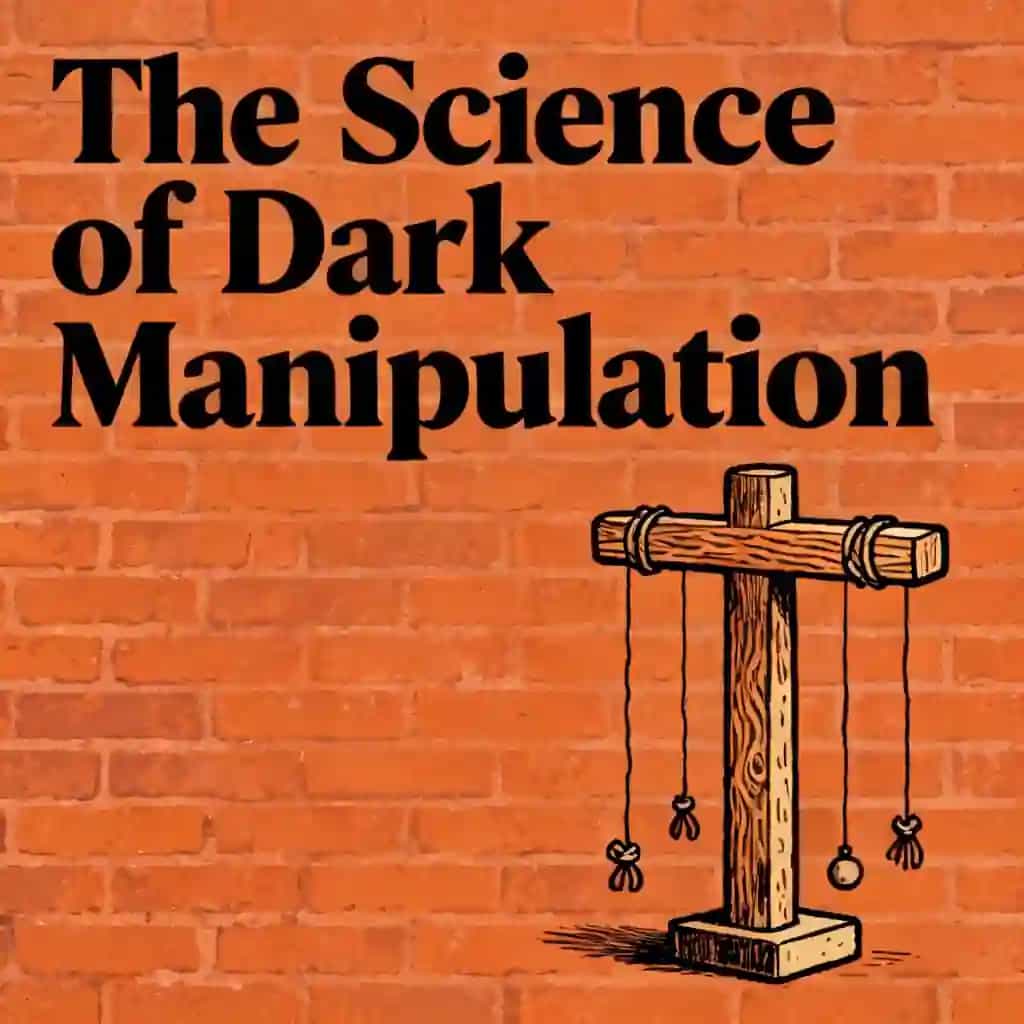
    Dark Psychology: The Science of Manipulation
    Explore the psychological tactics manipulators use to control others and learn how to recognize and defend against emotional manipulation in your daily life.
    12 min
    Dark Psychology: The Mechanics of Manipulation 书籍封面
    Understanding Dark Psychology and Manipulation TacticsThe Psychology of Manipulation: Mechanisms, Tactics, and ...What Is Dark Psychology? The Complete 2026 Guide | Kanika BatraDark Psychology: Unmasking the Hidden Forces 🧠 2025
    6 sources
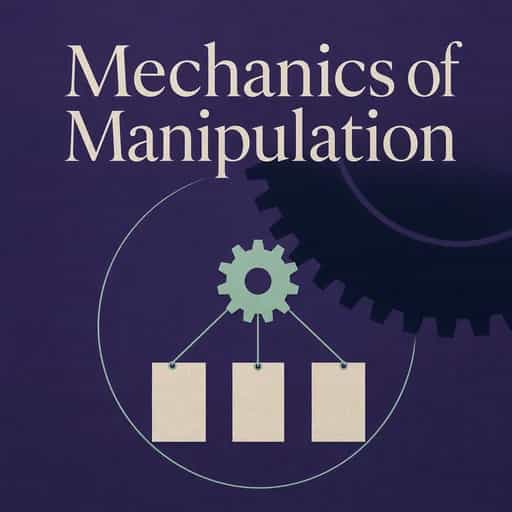
    Dark Psychology: The Mechanics of Manipulation
    Ever feel like a conversation shifted your reality? Learn how the Dark Triad uses your empathy as leverage and how to reclaim your autonomy.
    1089 min
    Dark Psychology: The Mechanics of Manipulation 书籍封面
    Dark Psychology: Manipulation Tactics to Recognize and Neutralize | When Notes FlyUnderstanding Dark Psychology and Manipulation TacticsDark Psychology: 11 Traits & Manipulation TacticsThe Ethics of Manipulation - Stanford Encyclopedia of Philosophy
    6 sources
    Dark Psychology: The Mechanics of Manipulation
    When empathy is weaponized, even the most conscientious people can be manipulated. Learn to spot the tactics of the Dark Tetrad and reclaim your autonomy.
    22 min
    Dark Psychology: The Mechanics of Manipulation 书籍封面
    Outsmarting the Sociopath Next DoorThe 48 laws of powerDark Psychology: 12 Tricks for Manipulation & Mind Control (and How to Avoid Them)20 Dark Psychological Tactics: Unveiling Manipulative Techniques
    8 sources
    Dark Psychology: The Mechanics of Manipulation
    Subtle psychological tactics can quietly strip away our autonomy. Learn to spot the signs of the Dark Triad to protect your mental well-being.
    24 min
    Dark Psychology: When Truth Becomes Manipulation 书籍封面
    The Art of SeductionFlipnosisInfluence is Your SuperpowerThe Art of Influencing Anyone
    22 sources
    Dark Psychology: When Truth Becomes Manipulation
    Explore the hidden world of psychological manipulation, from 'paltering' and emotional hijacking to digital deception and workplace predators. Learn to recognize and resist these everyday tactics.
    55 min
    Dark Psychology: The Mechanics of Manipulation 书籍封面
    Dark Psychology: Definition, Techniques, and More - Psych CentralDark Psychology: Manipulation Tactics to Recognize and Neutralize | When Notes FlyDark Psychology: 11 Traits & Manipulation TacticsDark Psychology Definition in Psychology
    5 sources
    Dark Psychology: The Mechanics of Manipulation
    Kindness and responsibility are often used against us. Learn to spot the Dark Triad and gaslighting tactics to build a stronger defensive playbook.
    20 min
    Dark Psychology: The Mechanics of Manipulation 书籍封面
    Dark Psychology: Definition, Techniques, and More - Psych CentralDark triadWhat Is the Dark Triad? 9 Signs To Watch Out Forsource 4
    4 sources
    Dark Psychology: The Mechanics of Manipulation
    Feeling drained or doubted? Learn to identify the Dark Triad and weaponized communication tactics to protect your autonomy and reclaim your sanity.
    19 min
    Dark Psychology: The Mechanics of Control 书籍封面
    20 Harmful Dark Psychology Tactics and How to Protect YourselfDark Psychology: Tricks, Tactics & Manipulation ExplainedFull article: A primer on the Dark Triad traitsThe Psychology of Manipulation: Mechanisms, Tactics, and Defense - Dark Psychology Lab
    5 sources
    Dark Psychology: The Mechanics of Control
    We often mistake manipulation for normal social behavior. Learn to spot the tactics of the Dark Triad and reclaim your autonomy from predatory influence.
    27 min