BeFreed
    Categories>Psychology>Dark psychology and the hidden levers of influence

    Dark psychology and the hidden levers of influence

    30 分钟
    |
    |
    2026年3月25日
    PsychologySelf-GrowthHistory & Society

    Why do we feel forced to buy things we don't need? Learn how dark empaths map your vulnerabilities and how to spot the tactics used to influence you.

    Dark psychology and the hidden levers of influence
    选择讲述方式

    同一期节目,多种聆听方式。

    围绕《Dark psychology and the hidden levers of influence》的相同观点,选择适合你的声音、深度和节奏,随时切换。

    逐字稿与章节

    第 1 章

    The Hidden Levers of Influence

    Lena: You know, Miles, I was looking at a store display yesterday and felt this sudden, intense urge to buy something I didn't even need just because it said "only two left in stock." It felt almost primal.

    Miles: That’s exactly it! You were experiencing the scarcity trigger. It actually activates the amygdala—the brain's fear center—which kicks in before you even have a chance to think rationally. It’s one of those hidden levers of dark psychology that people use to influence our decisions every day, often without us realizing it.

    Lena: It’s wild how effective that is. I mean, we usually think of empathy as this purely kind, warm thing, but I’ve been reading that "dark empaths" can actually use that emotional attunement to steer people toward their own goals.

    Miles: Right, they map your vulnerabilities to find leverage. Let’s explore how these tactics work and how you can start spotting them.

    第 2 章

    The Architecture of the Manipulation Formula

    Lena: Miles, that "leverage" point you just mentioned—it feels like the real anchor for everything we’re talking about. I was reading through some of the Dark Psychology Lab materials, and they actually have a specific formula for this. It’s not just a random set of behaviors; it’s a structured sequence.

    Miles: Exactly. They break it down into a literal equation: Trust plus Information plus Leverage plus Psychological Confusion plus Dependency, all multiplied by the manipulator’s specific character traits. That equals control. It sounds cold when you put it that way, doesn’t it?

    Lena: It really does. It’s like a chemical reaction where if you have the right ingredients, the outcome is almost predictable. But the most interesting part to me was that "Leverage" is the critical variable. You can have trust and information, but without that emotional or social pressure point, the manipulation doesn’t actually go anywhere. It doesn’t have a direction.

    Miles: Right, because leverage is what converts general influence into specific, directional control. Think about it—if someone knows you’re afraid of being alone, that’s their leverage. If they know you’re desperate for professional recognition, that’s their leverage. Without that "hook," they’re just talking. But once they find that vulnerability, they can start pulling the strings.

    Lena: And the formula suggests that this isn’t usually a one-time event. It’s a process. I was struck by how the sequence starts so innocently with "Trust Building." We usually think of trust as the foundation of a healthy relationship, but here, it’s actually the first step in lowering someone’s defenses.

    Miles: It’s the "Trojan Horse" strategy. To get inside your head, they first have to make you feel safe. They use techniques like "mirroring"—copying your values, your language, even your physical style—to create an instant sense of similarity. It’s a psychological shortcut. Our brains are wired to trust people who seem like us.

    Lena: And once that door is open, they move straight into "Information Gathering." This isn’t just small talk, is it? It’s more like "vulnerability mapping."

    Miles: Precisely. They’re looking for your "weak points"—your fears, your unmet needs, maybe some unresolved trauma. They might even use "strategic self-disclosure" to get you to open up. They’ll share a "secret" or a personal struggle first—it might even be made up—to trigger that social rule of reciprocity. You feel like you owe them a confidence in return, and suddenly, they have the map to your emotional triggers.

    Lena: It’s so calculated. And then they move to "Emotional Activation." Instead of logic, they go straight for the gut—guilt, shame, fear. When our emotions are high, our rational brain—the prefrontal cortex—basically goes offline. We become reactive and impulsive.

    Miles: And that leads to the fourth stage: "Control of Reality Interpretation." This is where the heavy artillery comes in—things like gaslighting or the selective presentation of facts. If they can control how you interpret what’s happening, they don’t need to force you to do anything. You’ll choose to do what they want because your perception of reality has been distorted.

    Lena: And finally, "Dependency Reinforcement." The "push-pull" dynamic. One minute they’re warm and validating, the next they’re cold and withdrawing. It creates this cycle of stress and relief that makes you crave their approval just to feel okay again.

    Miles: It’s a systematic weakening of autonomy. By the time you’re in that final stage, you might not even realize your decisions are being shaped by someone else. You think you’re just trying to fix the relationship or avoid conflict, but you’re actually following a script someone else wrote for you.

    继续学习本期节目

    在 BeFreed 中把本期节目的观点带入更完整的引导式学习体验。

    第 3 章

    Strategic Mapping and the Illusion of Safety

    Lena: I want to dig deeper into that "Information Gathering" phase, Miles. You mentioned "vulnerability mapping." How do they actually do that without it feeling like an interrogation? Because if someone started asking me about my deepest fears on a first date or in a first meeting, I’d run the other way.

    Miles: They’re much smoother than that. They use "boundary testing." They’ll start with small rule breaks to see how you respond. Maybe they’ll show up a few minutes late, or make a slightly inappropriate joke, or push a small boundary regarding your time. They’re observing: Do you call them out? Do you apologize for them? Do you try to smooth things over?

    Lena: So they’re profiling your "niceness" or your "agreeableness" as a potential vulnerability?

    Miles: Exactly. They’re measuring your tolerance levels. They might also use "reaction testing" with "cold reading." They’ll drop a subtle jab or a bit of vague pressure just to see what destabilizes you. It’s like they’re pressing buttons on a control panel to see which ones light up.

    Lena: That reminds me of the "Benjamin Franklin effect" I saw in the source materials. It’s so counterintuitive. You’d think they would do favors for you to get you to like them, but it’s actually the opposite?

    Miles: Right! They ask you for a small favor. Maybe it’s borrowing a book or asking for a quick bit of advice. When you do something for them, your brain has to resolve the cognitive dissonance. You think, "I wouldn’t do a favor for someone I don’t like, so I must like this person." It’s a subtle way to trick your own mind into increasing your trust and liking toward them.

    Lena: And while you’re busy liking them, they’re gathering "Leverage." The materials mentioned "strategic self-disclosure" again—sharing a trauma to get you to share yours. It’s like they’re building a file on you.

    Miles: It is a file. And they use that file for "Insecurity Amplification" later on. They identify those hidden self-doubts you shared in confidence and then subtly reinforce them. Maybe it’s a backhanded compliment disguised as praise, or a remark that hits exactly where it hurts, but they say it with a smile so you feel "sensitive" if you get upset.

    Lena: It’s that "plausible deniability" piece. They can always say, "Oh, I was just being honest," or "I didn't mean it that way." It keeps you off balance because you can’t quite pin down the intent.

    Miles: And that ambiguity is weaponized. They might use "vague criticism" or "shifting rules" so you’re always guessing what the "right" behavior is. It creates this constant state of "psychological confusion" which is the perfect environment for dependency to grow.

    Lena: It’s like being in a maze where the walls keep moving. You stop looking for the exit and just start looking for the person who claims to have the map—even if they’re the one moving the walls.

    Miles: That’s a perfect analogy. And as the walls move, they transition from "soft control"—the subtle, covert hints and emotional leverage—to "overt manipulation." Once they have that leverage and your resistance is lower, they can start using open pressure, like guilt-tripping or the "threat of loss."

    Lena: The "I’ll leave you" or "After all I’ve done for you" lines. It’s no longer a hint; it’s a push.

    Miles: And if that works, they might eventually move to "coercion"—hard control. Threats, intimidation, monitoring. But the most effective manipulators usually prefer the covert stages because if you don’t know you’re being controlled, you’re much less likely to fight back.

    第 4 章

    The Dark Triad and the Managerial Shadow

    Lena: This gets even more complex when you bring it into the professional world. I was reading a fascinating study from 2026—just a few weeks ago, actually—by Reizer and colleagues. They were looking at how "Dark Triad" traits in leaders affect the people working under them.

    Miles: Ah, the Dark Triad—Machiavellianism, narcissism, and psychopathy. It’s like the "unholy trinity" of personality traits.

    Lena: Exactly. And the study found some really distinct patterns. For example, they looked at "Organizational Citizenship Behavior," or OCB. That’s the stuff employees do voluntarily—helping out a coworker, staying late to finish a team project—the things that aren't in the job description but make a company work.

    Miles: Right, the "prosocial" stuff. And let me guess—having a boss with Dark Triad traits kills that motivation?

    Lena: It does, but the way it happens depends on your role in the company. For non-managerial employees—the folks on the front lines—the biggest factor was "LMX," or Leader-Member Exchange. Basically, the quality of the relationship. When they perceived their leader as having "psychopathic" traits—you know, that emotional coldness and lack of remorse—the relationship just crumbled.

    Miles: That makes sense. If you feel like your boss is a "Dr. Jekyll and Mr. Hyde" type who lacks empathy, you’re going to stop going the extra mile. You enter "protection mode." You’re trying to conserve your emotional and mental resources because the environment is so draining.

    Lena: Exactly! It’s that "Conservation of Resources" theory. You withdraw from the "extra" stuff just to survive the "regular" stuff. But here’s the twist: for managers reporting to senior executives, the relationship quality—the LMX—wasn't the main mediator. It was "perceived political skill."

    Miles: Oh, that’s interesting. So for people higher up the ladder, it’s less about "Does my boss like me?" and more about "Is my boss effective at playing the game?"

    Lena: Precisely. For a manager, a senior leader who lacks political skill—which they often saw in psychopathic leaders—was seen as a liability. If the leader can’t secure resources or navigate the company’s power structures, the manager stops doing the "extra" OCB stuff because they don’t see a strategic benefit.

    Miles: But what about the "Machiavellians"? They’re the masters of strategy, right?

    Lena: That’s the wild part. The study found that when managers perceived a senior leader as Machiavellian, they actually reported higher OCB. They saw the Machiavellianism as a sign of high "political skill." They felt the leader was strategically competent, able to secure advantages for the unit, so they invested more into the relationship as a form of strategic positioning.

    Miles: Wow. So at a certain level of the hierarchy, being a "manipulator" can actually look like a "competency." People might lean into it if they think it’ll help them succeed.

    Lena: It’s a "trickle-down politics" effect. But the cost comes later. Machiavellians are great at "impression management"—they can build trust and respect while covertly exploiting the situation. They might initially appear charming or assertive, but they’re always playing a long-term game for their own benefit.

    Miles: And that’s the danger. They can "camouflage" their traits with political skill. You think you’re in a high-performing team led by a brilliant strategist, but you might actually be in a system where "fairness is quietly punished" and you’re just a tool for someone else’s advancement.

    Lena: It really highlights why we have to look at these traits separately. Narcissists need the admiration, psychopaths lack the empathy, but Machiavellians—they’re the ones playing the 4D chess with everyone’s careers.

    继续学习本期节目

    在 BeFreed 中把本期节目的观点带入更完整的引导式学习体验。

    第 5 章

    Reality Distortion and the Gaslighting Mechanism

    Miles: You know, Lena, of all the tactics we’ve talked about, "gaslighting" is probably the one people find most terrifying. It’s not just a lie; it’s an assault on your sanity.

    Lena: It really is. I was reading a study by Purtseladze from late 2025 that analyzed gaslighting as a "discourse strategy." It’s not just a psychological quirk; it’s a specific way of using language to create "epistemic uncertainty"—which is a fancy way of saying it makes you stop trusting what you know to be true.

    Miles: It’s "psychological warfare" through conversation. And what makes it so effective—and this is the part that really bothers me—is that it relies on the victim’s own "illusion of cooperation."

    Lena: Right! We go into conversations assuming the other person is following the "Cooperative Principle." We assume they’re being honest, relevant, and clear. So when a gaslighter says something that contradicts our reality, our first instinct isn’t to think "They’re lying to manipulate me." Our first instinct is to try to "rationalize the inconsistency."

    Miles: We try to bridge the gap. We think, "Maybe I did remember that wrong," or "Maybe they have a point I’m missing." Our own brains do the heavy lifting for the manipulator because we’re so desperate to make sense of the interaction.

    Lena: The study mentioned the "double direction of fit." Usually, if I say "The sky is green," and it’s blue, my statement is just wrong. But a gaslighter uses "assertive speech acts" to try and make the world fit their words. They don’t just lie; they insist that your perception is the problem.

    Miles: They use "positive politeness" to hide the attack. They’ll say things like, "I’m only telling you this because I care about you," or "I want you to be the best version of yourself." It’s "emotional abuse framed as civility." It makes it so much harder to call out because on the surface, they sound like a supportive friend or partner.

    Lena: And they exploit "cognitive biases." Like "Authority Bias"—we’re more likely to trust someone who sounds confident or holds an official position. In the film Changeling, which the study analyzed, the police and doctors used their institutional authority to tell a mother that the boy they found was her son, even though he was four inches shorter and circumcised when her son wasn't.

    Miles: That’s a perfect example of "institutional gaslighting." They used "medical rationalizations"—saying the boy’s spine "shrunk due to trauma." It sounds scientific, so it bypasses your critical thinking, even when it contradicts the basic laws of biology!

    Lena: And they use the "Double Bind." They ask questions where any answer you give makes you look "unstable." Like, "Are you a derelict mother who doesn't know her own son, or are you just nuts?" There’s no right answer there. Both options strip you of your credibility.

    Miles: It creates this state of "cognitive dissonance" that is so painful, the victim eventually "internalizes" the gaslighter’s version of reality just to find some mental relief. Once you start believing their narrative, their power becomes self-sustaining. You’ve basically become your own jailer.

    Lena: It’s why recovery is so hard. You have to rebuild your "epistemic self-trust" from the ground up. You have to learn to trust your own senses again after they’ve been systematically discredited.

    Miles: And that starts with naming the pattern. Once you see the "language of manipulation"—the way they flip between "mock politeness" and "coercive threats"—the spell starts to break. You realize the "confusion" isn't a sign that you're wrong; it's a sign that someone is trying to move the walls of your maze.

    第 6 章

    The Push-Pull of Dependency Reinforcement

    Lena: Miles, we’ve talked about how manipulators get in, but how do they keep people there? Even after the "red flags" start showing up, why is it so hard for people to just walk away?

    Miles: That’s where "Dependency Reinforcement" comes in—and it’s essentially a form of "psychological conditioning." Think of it like a slot machine. If a machine paid out every single time, you’d get bored. But if it pays out unpredictably—that’s "intermittent reinforcement." It’s the most powerful way to hook a brain.

    Lena: So the "hot and cold" behavior isn't just moodiness? It’s a tactic?

    Miles: It’s a very effective one. Warmth is suddenly replaced with coldness. Attention turns into withdrawal—the "silent treatment." This creates a "negative reinforcement loop." The victim feels a massive amount of tension or anxiety when the manipulator is cold, and that tension is only removed when the victim "complies" or "surrenders."

    Lena: So you learn to associate "obedience" with "emotional relief." It’s like you’re being trained to "self-censor" to avoid the discomfort of their withdrawal.

    Miles: Exactly. And the manipulator often uses "triangulation" to speed up the process. They’ll bring a third person into the dynamic—maybe an "ex" they’re still "friends" with, or a coworker they constantly praise—to make you feel insecure and competitive for their attention. It shifts the power balance completely. You’re no longer asking if they are right for you; you’re working to prove that you are good enough for them.

    Lena: And they use "Social Escalation Tactics" to cut off your support. I saw this in the Dark Psychology Lab guides—things like "smear campaigns." They’ll subtly damage your reputation with your friends or family, often by acting "concerned" about your "mental state."

    Miles: "I’m so worried about Lena, she hasn't been herself lately." It’s genius because it sounds kind, but it’s actually isolating you. If you ever try to tell those friends about the manipulation, the groundwork is already laid for them to think you are the one with the problem.

    Lena: It’s that "DARVO" move—Deny, Attack, and Reverse Victim and Offender. If you confront them about a lie, they deny it, attack you for being "distrustful," and suddenly you’re apologizing to them for hurting their feelings.

    Miles: It’s a total flip of accountability. And over time, this "slow erosion of self" leads to what the materials call "the unfinished feeling." You’re left with this deep unease, this need for "closure" that never comes because the manipulator uses "information starvation" or "weaponized ambiguity" to keep you in the dark.

    Lena: It’s so different from a healthy conflict. After a normal argument, you might be tired, but you’re still grounded. After a manipulative interaction, you’re replaying events at 3 AM, trying to figure out what actually happened.

    Miles: That "rethinking and second-guessing"—the tone, the reactions, the intentions—that’s the "psychological aftereffect" of the system. You’ve been in a dynamic where "fairness is quietly punished," and your nervous system is stuck in a state of hypervigilance.

    Lena: It really highlights why "naming the pattern" is the first step out. If you can see that the "confusion" isn't yours—it’s a tool being used on you—it changes everything. You stop trying to "solve" the person and start trying to "protect" yourself.

    Miles: Right. You realize you’re not "sensitive" or "crazy"—you’re reacting to a "coordinated strategy of control." And the only way to win that game is to stop playing it.

    继续学习本期节目

    在 BeFreed 中把本期节目的观点带入更完整的引导式学习体验。

    第 7 章

    The Fine Line Between Influence and Manipulation

    Lena: You know, Miles, after everything we’ve talked about, I’m starting to look at everyone with a bit of suspicion! But we should probably clarify—not all influence is "dark," right? I mean, we influence each other all the time.

    Miles: That’s a really important distinction to make. Social influence is the "water we swim in." It’s how we affect each other’s beliefs and behaviors every day. But influence only becomes "manipulation" when it relies on "deception, exploitation, or hidden intent."

    Lena: So "persuasion" is the healthy version?

    Miles: Exactly. Persuasion is "transparent." It’s based on logical arguments and an open exchange of ideas. If I’m trying to persuade you to go to a specific restaurant, I’m telling you why I like it. You know I’m trying to influence you, and you’re free to say no without an emotional penalty. It’s a partnership, not a "tool-user" dynamic.

    Lena: And then there’s "nudging," right? Like how a grocery store puts healthy snacks at eye level.

    Miles: Right. Nudging is about "structuring choices" to encourage a certain outcome—usually a beneficial one—without actually "restricting" your freedom of choice. As long as it’s transparent and you can still choose the candy bar if you want to, it’s not manipulation.

    Lena: I also saw "consensual influence" in the materials. Like signing a contract.

    Miles: Exactly. If you take out a bank loan, you’re agreeing to their terms and their "control" if you don’t pay. But the rules are "on the table." There’s no "hidden agenda" or "weaponized ambiguity." It’s a "contractual obligation."

    Lena: So the "red flag" is really the "bypass of informed choice." If someone is using your emotions or your "cognitive biases" to get you to do something you wouldn't do if you had all the facts—that’s the line.

    Miles: That’s the "litmus test." Manipulation prioritizes the enactor’s "control" over the other person’s "personal autonomy." It treats the other person as an "object" to be managed rather than a "subject" with their own goals.

    Lena: It’s also about the "cost." In a healthy influence dynamic, the cost is visible. In manipulation, the "cost becomes visible later." You realize after the fact that you’ve sacrificed your time, your money, or your mental health for something that didn't actually benefit you.

    Miles: And that’s why the "feeling" afterwards is so important to pay attention to. Resentment, unease, that "slow erosion of self-trust." Healthy influence should feel like you’ve been "inspired" or "convinced." Manipulation feels like you’ve been "tricked" or "coerced," even if it was done with a smile.

    Lena: It’s a good reminder that "difficult behavior" or "poor communication" isn't always manipulation. Sometimes people are just clumsy or insecure. But when there’s a "repeated pattern of hidden influence," that’s when you’re in Dark Psychology territory.

    Miles: Precisely. It’s the "systematic" nature of it. A one-off guilt trip might just be a bad day. A "Manipulation Formula" that includes trust-building, leverage-finding, and dependency-reinforcement? That’s a strategy.

    第 8 章

    The Practical Playbook for Self-Defense

    Lena: Okay Miles, let’s get practical. If someone is listening to this and realizing, "Wait, this feels familiar," what is the first move? How do they actually start pushing back against this kind of pressure?

    Miles: The very first step is what the Dark Psychology Lab calls "neutralizing the leverage." Remember, manipulation requires a "hook." If you can identify the "pressure point" they’re using—whether it’s your fear of rejection, your need for approval, or even a financial dependency—you can start to disconnect from it.

    Lena: But that sounds easier said than done. If I’m afraid of someone leaving me, how do I just "neutralize" that?

    Miles: It starts with "building independent resources." If you’re isolated, the manipulator has 100% of your reality. You need "external validation"—friends, family, a therapist—who can see the situation from the outside. They act as your "reality anchor."

    Lena: So "breaking the isolation" is a key defense move. What about when you’re actually in the conversation? When the gaslighting or the guilt-tripping starts?

    Miles: You have to "slow down the decision-making process." Manipulators love to "create urgency." "Decide now or it’s gone!" "I need an answer right this second!" Urgency replaces logic with pressure. Your counter-move is to say, "I need time to think about this," or "I’m not making a decision while I’m this emotional."

    Lena: And you have to "observe patterns, not words." I love that directive. A manipulator can say "I love you" or "I’m sorry" a thousand times, but if the "Dependency Reinforcement" pattern continues, the words are just more "Trust Building" noise.

    Miles: Right. You look at the "formula." Are they still gathering information for leverage? Are they still using "weaponized ambiguity"? If the mechanism is still running, the intent hasn't changed. You also need to "set clear, hard boundaries" on the small things. Remember "boundary testing"? If you start holding the line on the little rule breaks, you’re signaling that you’re not a viable target for the bigger ones.

    Lena: And what about "DARVO"? How do you handle that "Reverse Victim" flip?

    Miles: You "refuse the script." When they try to make the conversation about their hurt feelings because you caught them in a lie, you stay on the original topic. "We’re not talking about my tone right now; we’re talking about the fact that you lied about where you were." Don’t let them "shift the frame."

    Lena: That’s hard! It takes so much "mental toughness." I saw that "mental toughness" and "resilience" are actually huge protective factors in the 2026 studies.

    Miles: They are. People with high "resilience" are better at "conserving their resources" and not letting the manipulator’s "Emotional Activation" take over. And if you’re in a workplace Mobbing or toxic culture situation, you have to "document everything." Written records are the ultimate defense against "reality distortion."

    Lena: It’s basically about "reclaiming your agency." You stop being a "tool" in their agenda and start being the "architect" of your own.

    Miles: Exactly. And sometimes, the ultimate defense move is "going no contact" or "minimal contact." If the person has "Dark Triad" traits—especially psychopathy or high Machiavellianism—they may not be capable of a healthy exchange. You can’t "persuade" someone who is fundamentally "uncooperative." You just have to "remove yourself from the board."

    继续学习本期节目

    在 BeFreed 中把本期节目的观点带入更完整的引导式学习体验。

    第 9 章

    Societal Shadows and Large-Scale Influence

    Lena: Before we wrap up, I want to touch on something we mentioned briefly—"societal gaslighting." We’ve talked a lot about interpersonal stuff, but this "Dark Psychology" can happen on a much bigger scale, can’t it?

    Miles: It absolutely can. We see it in "marketing," "media," and even "politics." The same tactics—creating urgency, exploiting cognitive biases, using "information starvation"—are used to influence entire populations.

    Lena: It’s like "social engineering" on a mass scale. I was reading about how companies exploit "FOMO"—the Fear Of Missing Out—to drive consumer behavior. That’s just the "scarcity trigger" we talked about at the very beginning, but applied to millions of people at once.

    Miles: And think about "viral misinformation." It’s often designed to "activate high-arousal emotions" like anger or fear. Why? Because when we’re in that "activated" state, we don’t fact-check. We just react. We "internalize" the narrative that fits our "Confirmation Bias."

    Lena: It creates this "social polarization." If different groups are being fed different "anchors" of information, we stop living in a shared reality. It’s like the "Changeling" example, but for the whole world. Truth itself becomes a "contested territory."

    Miles: And "Institutional Gaslighting" can occur when large organizations or even governments "distort facts" to protect their own reputation or power. It leads to this "widespread mistrust" and "emotional fatigue" in the community. People just get tired of trying to figure out what’s real, so they stop paying attention—which is exactly what the "manipulator" wants.

    Lena: It’s the "illusion of cooperation" again. We want to believe that our institutions are following the "Cooperative Principle," so we’re slow to recognize when they’re actually using "coercive control."

    Miles: But the defense is the same: "Awareness." Once you understand the "mechanisms"—the way "Authority Bias" or "Anchoring" works—you can start to see through the "discourse strategies." You become a more "critical consumer" of information.

    Lena: It really underscores that "Dark Psychology" isn't just about "scary people" in movies. It’s about the "hidden side of human behavior" that affects how we vote, what we buy, and how we treat each other.

    Miles: And recognizing it is an act of "reclaiming reality" for everyone. It’s not about living in fear; it’s about living in "clarity." The more we understand these "shadowy parts of the mind," the better we can protect the "integrity" of our social connections.

    Lena: It’s about "choosing transparency" over "covert influence." If we can build a culture that values "autonomy" and "informed choice," we make it a lot harder for the "Dark Triad" strategies to succeed.

    Miles: You’ve hit the nail on the head. Knowledge is the ultimate "resource." And by sharing these "patterns" and "maps," we’re helping each other "conserve" that resource and build a more "resilient" world.

    第 10 章

    Closing Reflections on Mental Freedom

    Lena: Miles, this has been such a deep dive. I feel like I’m seeing the world through a completely different lens now. All those "subtle hints" and "deniable intentions" we usually brush off—they actually mean something.

    Miles: They really do. And if there’s one thing I hope our listeners take away, it’s that "confusion" in a relationship or a workplace is often a signal. It’s not necessarily a sign that you’re "overthinking" or "imagining things." It might be a sign that you’re being exposed to a system that’s trying to "reshape your reality."

    Lena: Right. Naming the pattern is the exit from the maze. Once you see the "leverage," the "formula," and the "sequence," the manipulation loses its "hidden" power. It’s like turning on the lights in a room where you thought there were ghosts—you realize it was just someone moving the furniture.

    Miles: Exactly. And to everyone listening, remember that your "autonomy" is your most valuable asset. Don’t let anyone "bypass your informed choice," no matter how "polite" or "expert" they seem. Trust your "instincts" and your "reality anchors."

    Lena: It’s about "mental freedom." The more aware you are, the harder it is for anyone to "influence you without your consent." You get to be the "subject" of your own life, not an "object" in someone else’s.

    Miles: Building on that, I’d encourage everyone to take a moment and reflect on their own "leverage points." What are the things that make you most susceptible to pressure? Knowing your own "map" is the best way to make sure no one else can use it against you.

    Lena: That’s a powerful next step. Thank you all for coming on this journey with us into the "hidden side" of human behavior. It’s been an intellectually rigorous ride, to say the least!

    Miles: It definitely has. We hope these "tools" and "frameworks" give you the "clarity" you need to navigate your relationships and your world with more "confidence."

    Lena: Absolutely. Take care of your "mental well-being," trust your "perceptions," and keep looking for the "truth" beneath the "surface."

    Miles: Thanks for listening, everyone. It’s been a pleasure exploring these nuances with you.

    Lena: Yes, thank you. Stay "aware" and stay "grounded."

    ★★★★★

    你已完成Dark psychology and the hidden levers of influence

    “坚持使用 23 天了,我每天都会打开它。它现在已经成为我的日常习惯。”

    jayallen

    Dark psychology and the hidden levers of influence最佳语录

    “

    Influence only becomes manipulation when it relies on deception, exploitation, or hidden intent. It prioritizes the enactor’s control over another person’s personal autonomy, treating them as an object to be managed rather than a subject with their own goals.

    ”
    V

    Generated by Viper

    输入问题

    Dark psychology

    主持声音
    Lenaplay
    Milesplay
    知识来源
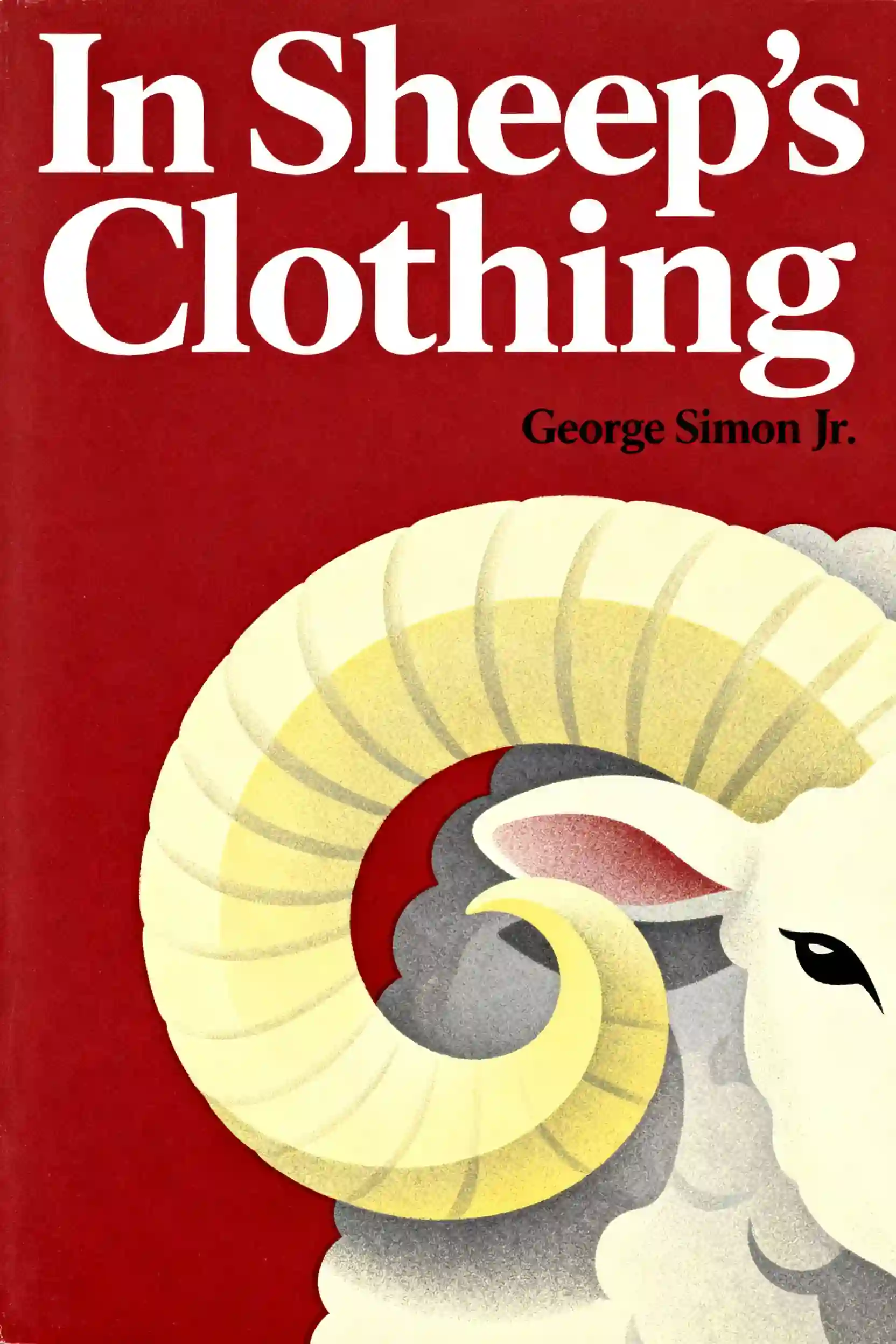
    In sheep's clothing
    The narcissist you know
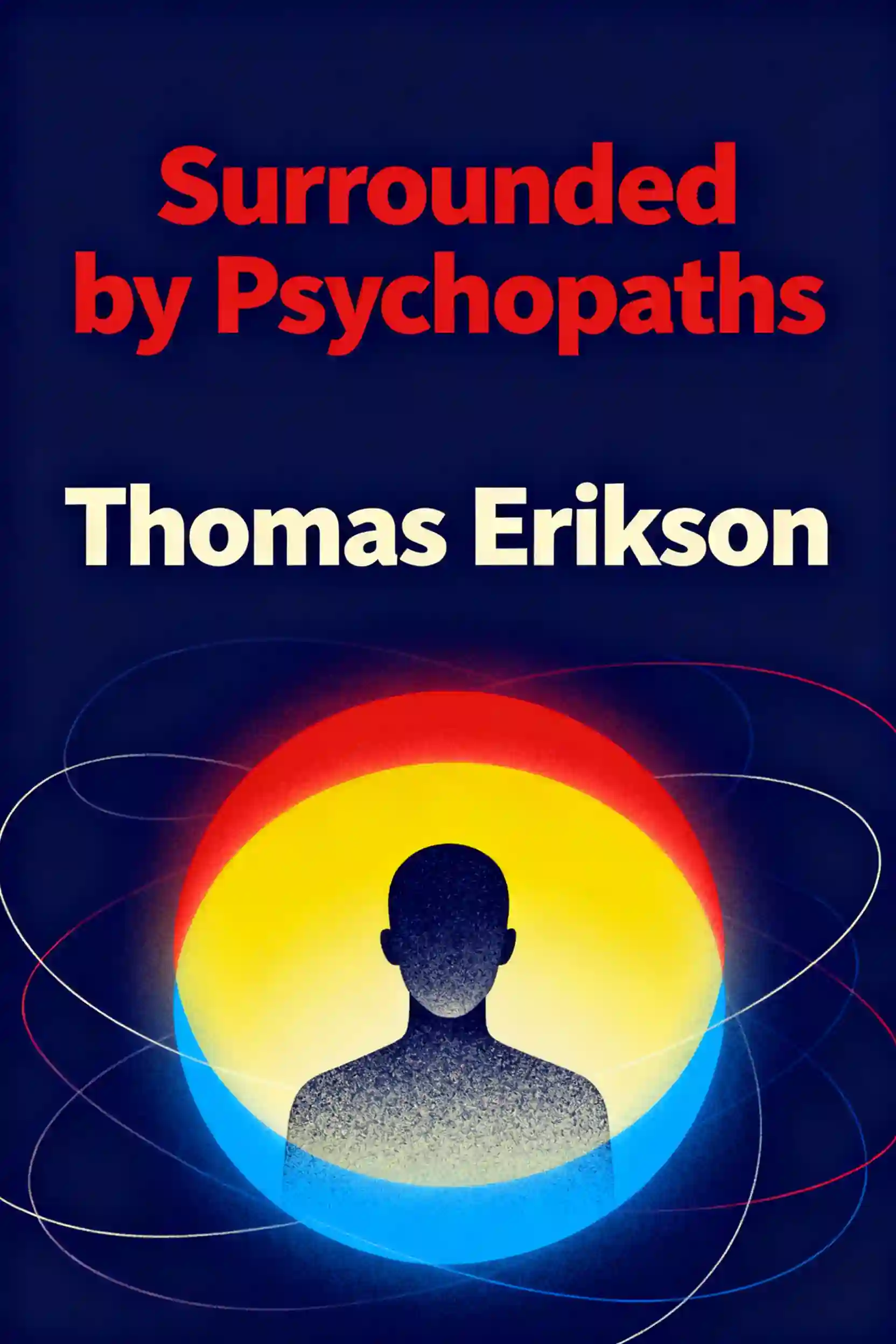
    Surrounded by Psychopaths
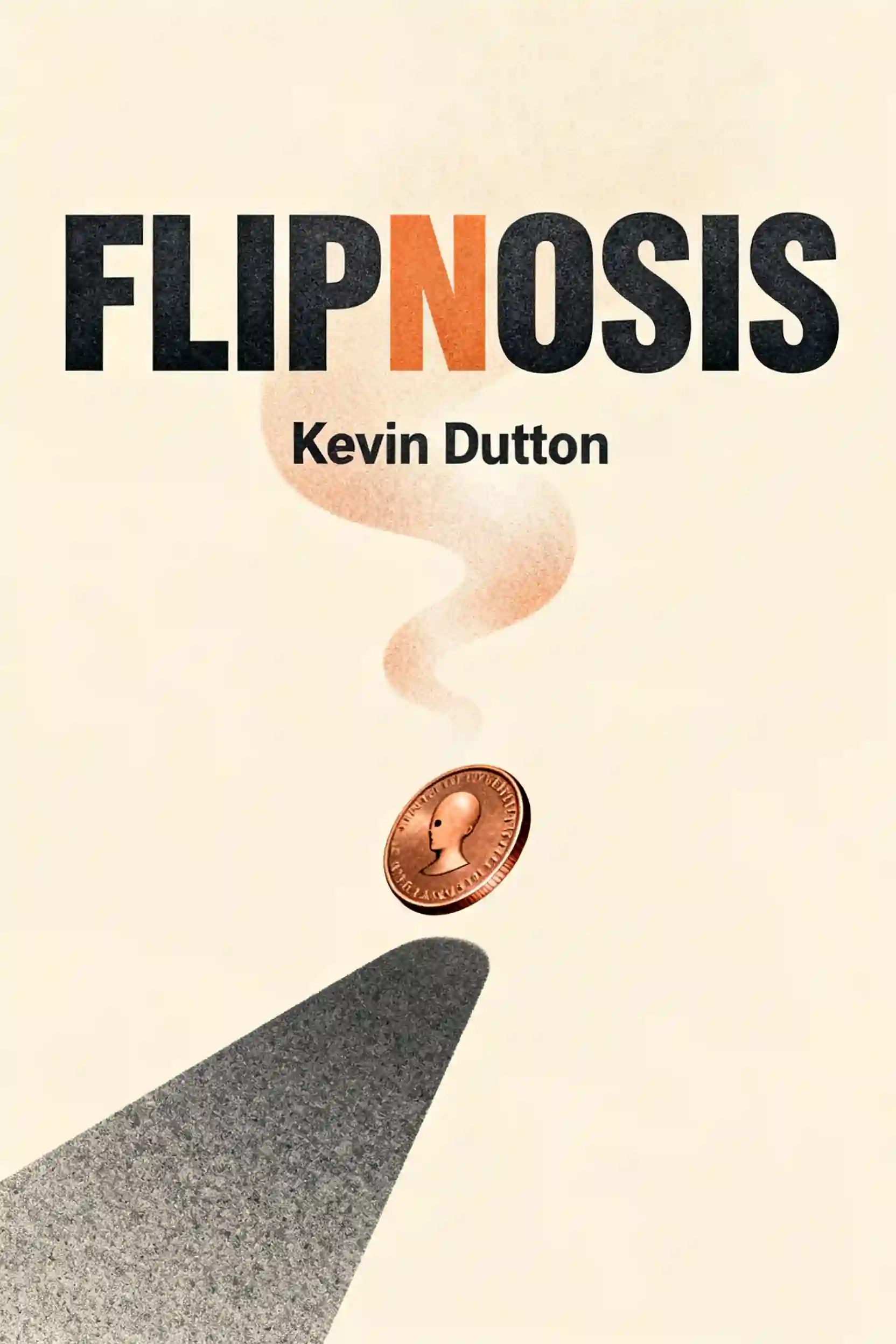
    Flipnosis
    Out of Character
    Emotional Blackmail

    常见问题

    The manipulation formula is a structured sequence used to gain control over an individual, defined as Trust plus Information plus Leverage plus Psychological Confusion plus Dependency, all multiplied by the manipulator’s character traits. It begins with building trust to lower a victim's defenses, often through mirroring. Once trust is established, the manipulator gathers information to map the victim's vulnerabilities. These vulnerabilities become "leverage," which is the critical variable that converts general influence into specific, directional control.

    Manipulators identify an individual's weak points—such as fears, unmet needs, or past traumas—through a process called vulnerability mapping. They often use strategic self-disclosure, sharing a fake or real secret to trigger the rule of reciprocity and encourage the victim to open up. To see how much control they can exert, they employ boundary testing by committing small rule breaks, such as showing up late or making inappropriate jokes, to observe if the victim excuses the behavior or tries to smooth things over.

    The primary distinction lies in transparency and the preservation of personal autonomy. Persuasion is a "partnership" dynamic based on logical arguments and an open exchange of ideas where the intent is clear and the person is free to say no without emotional penalty. Manipulation, however, relies on deception, exploitation, or hidden intent to bypass a person's informed choice. While persuasion feels like being inspired or convinced, manipulation often results in a "slow erosion of self-trust" and a feeling of being tricked or coerced.

    The Dark Triad consists of Machiavellianism, narcissism, and psychopathy. In the workplace, these traits impact employees differently depending on their rank. Front-line employees often withdraw and enter "protection mode" when they perceive psychopathic traits in a leader due to a lack of empathy and emotional coldness. Conversely, managers may actually invest more in a relationship with a Machiavellian senior leader if they perceive that leader's manipulative tendencies as "political skill" that can secure resources for their unit.

    Gaslighting is a psychological warfare strategy that uses language to make a victim doubt their own perceptions of reality, leading to epistemic uncertainty. It exploits the "Cooperative Principle," where victims naturally try to rationalize a manipulator's lies rather than assuming they are being deceived. By using assertive speech acts and institutional authority, the gaslighter insists that the victim's memory or senses are the problem. This creates a painful state of cognitive dissonance that often forces the victim to internalize the manipulator's version of reality just to find mental relief.

    由哥伦比亚大学校友创建 | 源自旧金山

    BeFreed 汇聚全球求知若渴的学习者

    4.7

    平均评分

    7,840+ 条 App 评分

    BeFreed 社区

    说真的,我还没把这个 app 完全摸透,但用了这几天已经被惊艳到了… BeFreed 和我用过的任何学习类 app 都不在一个层级。它让人特别投入,还能实实在在地提升专注力,对刷手机停不下来的人来说太合适了!

    @ladyInfinity

    我买 BeFreed 正好 23 天,从那以后每天都在用。它已经完全融入了我的日常工作流和学习习惯。

    @jayallen

    说实话,这个 app 超出了我所有的预期。我可以让它就任何主题生成音频,无论是什么,效果都很惊艳。我的专业领域是心理治疗方向,而且是多学科交叉的,但它给出的内容非常准确。

    @Raguipa

    我最感激的是它大大减少了我刷手机的时间——花在搜索上的时间少了,吸收信息的时间多了。完整有声书、播客加上学习计划的组合,真的很出色。

    @colonyofcreatorsNGO

    我做 PhotoReading 快速学习讲师已经 24 年了… 书籍、阅读和学习就是我的本行,而 BeFreed 用一种创新的方式,把知识变得特别容易吸收,做得非常出色。

    @BeFreed user

    它不只是一个书籍摘要 app。我用过「有趣」这个阅读模式,比传统方式的摘要好得多,理解观点也更容易,光这一点就值回票价。

    @austinakon

    我爱这个 app。用了几天,完全停不下来。作为开始,再好不过了。

    @jcrules328

    我真的很喜欢这个产品;已经试用了大概一个月,感觉挖到宝了。它特别好用,因为我可以用 BeFreed 创建自己想学的主题,声音也很棒,旁白选择多到用不完。

    @DanielCZ

    说真的,我还没把这个 app 完全摸透,但用了这几天已经被惊艳到了… BeFreed 和我用过的任何学习类 app 都不在一个层级。它让人特别投入,还能实实在在地提升专注力,对刷手机停不下来的人来说太合适了!

    @ladyInfinity

    我买 BeFreed 正好 23 天,从那以后每天都在用。它已经完全融入了我的日常工作流和学习习惯。

    @jayallen

    说实话,这个 app 超出了我所有的预期。我可以让它就任何主题生成音频,无论是什么,效果都很惊艳。我的专业领域是心理治疗方向,而且是多学科交叉的,但它给出的内容非常准确。

    @Raguipa

    我最感激的是它大大减少了我刷手机的时间——花在搜索上的时间少了,吸收信息的时间多了。完整有声书、播客加上学习计划的组合,真的很出色。

    @colonyofcreatorsNGO

    我做 PhotoReading 快速学习讲师已经 24 年了… 书籍、阅读和学习就是我的本行,而 BeFreed 用一种创新的方式,把知识变得特别容易吸收,做得非常出色。

    @BeFreed user

    它不只是一个书籍摘要 app。我用过「有趣」这个阅读模式,比传统方式的摘要好得多,理解观点也更容易,光这一点就值回票价。

    @austinakon

    我爱这个 app。用了几天,完全停不下来。作为开始,再好不过了。

    @jcrules328

    我真的很喜欢这个产品;已经试用了大概一个月,感觉挖到宝了。它特别好用,因为我可以用 BeFreed 创建自己想学的主题,声音也很棒,旁白选择多到用不完。

    @DanielCZ

    我特别喜欢它能把有用的信息和想法浓缩成 8-15 分钟的播客式音频。我本来不太爱听播客,因为废话太多,但它把这些全都去掉了。

    @BeFreed user

    我正在读博士的最后阶段,需要读大量不熟悉的材料… 用 BeFreed,只要输入一个提示,app 就会帮你找到源材料并生成一期音频播客。我觉得 BeFreed 的流程比 NotebookLM 更顺畅。

    @Brad

    我经常在做早餐、散步、通勤的时候上 YouTube 找点东西听,而 BeFreed 提供了更有针对性的选择,没有广告,也没有废话!

    @BeFreed user

    这个平台最棒的地方是它的多面性。真的没有任何主题是它讲不了的,你丢给它什么它都能处理… 很少能找到一个毫无限制、又真正兑现承诺的学习工具。

    @jayallen

    BeFreed 太棒了。界面好用,让我花在找功能上的时间更少,花在学习上的时间更多。有声书、播客和学习计划的组合是天才设计,彻底改变了我的日常。

    @BeFreed user

    一开始我花了点时间才弄明白怎么生成意大利语的播客,然后就——哇!太棒了!我可以让它讲解任何一个话题,它讲得又好又聪明!

    @matteo77

    BeFreed 已经成了我每天都用的有声书 app… 我最喜欢的是,把自己的文字放进去,它就能生成随时随地都能听的音频。

    @kotanzu1

    我特别喜欢它能把有用的信息和想法浓缩成 8-15 分钟的播客式音频。我本来不太爱听播客,因为废话太多,但它把这些全都去掉了。

    @BeFreed user

    我正在读博士的最后阶段,需要读大量不熟悉的材料… 用 BeFreed,只要输入一个提示,app 就会帮你找到源材料并生成一期音频播客。我觉得 BeFreed 的流程比 NotebookLM 更顺畅。

    @Brad

    我经常在做早餐、散步、通勤的时候上 YouTube 找点东西听,而 BeFreed 提供了更有针对性的选择,没有广告,也没有废话!

    @BeFreed user

    这个平台最棒的地方是它的多面性。真的没有任何主题是它讲不了的,你丢给它什么它都能处理… 很少能找到一个毫无限制、又真正兑现承诺的学习工具。

    @jayallen

    BeFreed 太棒了。界面好用,让我花在找功能上的时间更少,花在学习上的时间更多。有声书、播客和学习计划的组合是天才设计,彻底改变了我的日常。

    @BeFreed user

    一开始我花了点时间才弄明白怎么生成意大利语的播客,然后就——哇!太棒了!我可以让它讲解任何一个话题,它讲得又好又聪明!

    @matteo77

    BeFreed 已经成了我每天都用的有声书 app… 我最喜欢的是,把自己的文字放进去,它就能生成随时随地都能听的音频。

    @kotanzu1

    查看更多网络上关于 BeFreed 的讨论
    129.7K19.5K
    55.2K19.2K
    154.2K10827355
    48.1K2.5K
    81.2K6.6K
    82.3K1.8K
    开启你的学习之旅,就是现在
    BeFreed 应用
    BeFreed

    个性化学习,无所不能

    DiscordLinkedIn
    精选书籍摘要
    Crucial ConversationsThe Perfect MarriageInto the WildNever Split the DifferenceAttachedGood to GreatSay Nothing
    热门分类
    Self HelpCommunication SkillRelationshipMindfulnessPhilosophyInspirationProductivity
    名人书单
    Elon MuskCharlie KirkBill GatesSteve JobsAndrew HubermanJoe RoganJordan Peterson
    获奖作品
    Pulitzer PrizeNational Book AwardGoodreads Choice AwardsNobel Prize in LiteratureNew York TimesCaldecott MedalNebula Award
    精选主题
    ManagementAmerican HistoryWarTradingStoicismAnxietySex
    年度最佳书籍
    2025 Best Non Fiction Books2024 Best Non Fiction Books2023 Best Non Fiction Books
    精选作者
    Chimamanda Ngozi AdichieGeorge OrwellO. J. SimpsonBarbara O'NeillWinston ChurchillCharlie Kirk
    BeFreed 与其他应用对比
    BeFreed vs. Other Book Summary AppsBeFreed vs. ElevenReaderBeFreed vs. ReadwiseBeFreed vs. Anki
    学习工具
    Knowledge VisualizerAI Podcast Generator
    更多信息
    关于我们arrow
    定价arrow
    常见问题arrow
    博客arrow
    招聘arrow
    合作伙伴arrow
    大使计划arrow
    目录arrow
    BeFreed
    Try now
    © 2026 BeFreed
    使用条款隐私政策
    BeFreed

    个性化学习,无所不能

    DiscordLinkedIn
    精选书籍摘要
    Crucial ConversationsThe Perfect MarriageInto the WildNever Split the DifferenceAttachedGood to GreatSay Nothing
    热门分类
    Self HelpCommunication SkillRelationshipMindfulnessPhilosophyInspirationProductivity
    名人书单
    Elon MuskCharlie KirkBill GatesSteve JobsAndrew HubermanJoe RoganJordan Peterson
    获奖作品
    Pulitzer PrizeNational Book AwardGoodreads Choice AwardsNobel Prize in LiteratureNew York TimesCaldecott MedalNebula Award
    精选主题
    ManagementAmerican HistoryWarTradingStoicismAnxietySex
    年度最佳书籍
    2025 Best Non Fiction Books2024 Best Non Fiction Books2023 Best Non Fiction Books
    学习工具
    Knowledge VisualizerAI Podcast Generator
    精选作者
    Chimamanda Ngozi AdichieGeorge OrwellO. J. SimpsonBarbara O'NeillWinston ChurchillCharlie Kirk
    BeFreed 与其他应用对比
    BeFreed vs. Other Book Summary AppsBeFreed vs. ElevenReaderBeFreed vs. ReadwiseBeFreed vs. Anki
    更多信息
    关于我们arrow
    定价arrow
    常见问题arrow
    博客arrow
    招聘arrow
    合作伙伴arrow
    大使计划arrow
    目录arrow
    BeFreed
    Try now
    © 2026 BeFreed
    使用条款隐私政策

    该学习计划的一部分

    Dark psychology
    学习计划

    Dark psychology

    5 h 59 m•4 集数
    Learn dark physcology tricks
    学习计划

    Learn dark physcology tricks

    5 h 38 m•4 集数

    相似内容

    Dark Psychology: The Hidden Levers of Emotional Control 书籍封面
    In Sheep’s ClothingEmotional BlackmailThe Narcissist You KnowThe Covert Passive Aggressive Narcissist
    24 sources
    Dark Psychology: The Hidden Levers of Emotional Control
    Explore the unsettling tactics of psychological manipulation and learn how to recognize the invisible levers used to distort reality and exploit your empathy.
    33 min
    Dark Psychology: The Mechanics of Manipulation 书籍封面
    Understanding Dark Psychology and Manipulation TacticsThe Psychology of Manipulation: Mechanisms, Tactics, and ...What Is Dark Psychology? The Complete 2026 Guide | Kanika BatraDark Psychology: Unmasking the Hidden Forces 🧠 2025
    6 sources
    Dark Psychology: The Mechanics of Manipulation
    Ever feel like a conversation shifted your reality? Learn how the Dark Triad uses your empathy as leverage and how to reclaim your autonomy.
    1089 min
    Dark Psychology: The Tactics of Influence 书籍封面
    The 48 laws of powerInfluence20 Dark Psychology Tricks Used On You Every Day in 2026 - Manipulation TrickDark Psychology: Manipulation Tactics to Recognize and Neutralize | When Notes Fly
    7 sources
    Dark Psychology: The Tactics of Influence
    Unseen tactics often bypass our logic to control our choices. Learn to spot the Dark Triad's playbook and reclaim your decision-making power.
    23 min
    Dark Psychology: The Logic of Influence 书籍封面
    Dark Psychology: The Complete Guide – Stan TaylorPrebunking Against Misinformation in the Modern Digital Age - Managing Infodemics in the 21st Century - NCBI BookshelfSpotting and Resisting Dark Psychology TacticsPsychology expert: The No. 1 phrase to shut down a manipulator
    4 sources
    Dark Psychology: The Logic of Influence
    Ever feel a strange guilt after a normal chat? Learn to spot the hidden tactics of manipulation and build a mental immune system to stay autonomous.
    1127 min
    Dark Psychology: Hidden Manipulation Everywhere 书籍封面
    Outsmarting the Sociopath Next DoorSurrounded by PsychopathsThe Narcissist You KnowIn Sheep’s Clothing
    18 sources
    Dark Psychology: Hidden Manipulation Everywhere
    Explore how cult leaders and corporate psychopaths use psychological tactics that infiltrate our daily lives. Discover the weaponization of trust, empathy, and human connection.
    35 min
    Dark Psychology: The Mechanics of Manipulation 书籍封面
    Dark Psychology: Manipulation Tactics to Recognize and Neutralize | When Notes FlyUnderstanding Dark Psychology and Manipulation TacticsDark Psychology: 11 Traits & Manipulation TacticsThe Ethics of Manipulation - Stanford Encyclopedia of Philosophy
    6 sources
    Dark Psychology: The Mechanics of Manipulation
    When empathy is weaponized, even the most conscientious people can be manipulated. Learn to spot the tactics of the Dark Tetrad and reclaim your autonomy.
    22 min
    Dark Psychology: The Tactics of Manipulation 书籍封面
    Understanding Dark Psychology and Manipulation Tactics - Psych CentralDark Psychology: Complete Guide To The Dark Side Of Human BehaviorDark Psychology Explained: 10 Essential Insights — Expert Guide5 Manipulation Tactics You Might Miss Until It’s Too Late | Psychology Today United Kingdom
    5 sources
    Dark Psychology: The Tactics of Manipulation
    Hidden influence can turn a deep connection into a trap. Learn to spot the red flags of the 'Dark Triad' and build a defense kit against manipulation.
    1418 min
    Dark Psychology: When Truth Becomes Manipulation 书籍封面
    The Art of SeductionFlipnosisInfluence is Your SuperpowerThe Art of Influencing Anyone
    22 sources
    Dark Psychology: When Truth Becomes Manipulation
    Explore the hidden world of psychological manipulation, from 'paltering' and emotional hijacking to digital deception and workplace predators. Learn to recognize and resist these everyday tactics.
    55 min

    Recommended Learning Plans

    Dark Psychology
    学习计划

    Dark Psychology

    In an era of digital and social manipulation, understanding the mechanics of influence is a vital survival skill. This plan is designed for individuals seeking to protect their mental autonomy and professionals who need to navigate high-stakes interpersonal dynamics with clarity and ethics.

    5 h 3 m•4 章节
    Dark psychology and persuasion awareness
    学习计划

    Dark psychology and persuasion awareness

    In an era of information overload and sophisticated social engineering, understanding the mechanics of influence is a vital survival skill. This plan is designed for professionals and individuals seeking to safeguard their mental autonomy and master the nuances of ethical persuasion.

    4 h 58 m•4 章节
    Explore dark psychology & transgression
    学习计划

    Explore dark psychology & transgression

    Dark psychology impacts our daily interactions, relationships, and decision-making processes, often without our awareness. This learning plan benefits those seeking to understand manipulative tactics, protect themselves from psychological exploitation, and gain insight into the forbidden aspects of human psychology.

    4 h 41 m•4 章节
    Learn from basic to dark psychology
    学习计划

    Learn from basic to dark psychology

    This curriculum is essential for anyone seeking to navigate complex social dynamics and safeguard their mental well-being. It is particularly beneficial for professionals, leaders, and individuals looking to distinguish between ethical influence and predatory manipulation.

    5 h 49 m•4 章节
    Learn dark physcology tricks
    学习计划

    Learn dark physcology tricks

    This plan is essential for professionals and individuals seeking to safeguard themselves against predatory behavior while mastering advanced persuasion. It benefits anyone looking to improve their social intelligence and recognize manipulation in high-stakes environments.

    5 h 38 m•4 章节
    Dark Psychology Podcast: 500 Books Condensed
    学习计划

    Dark Psychology Podcast: 500 Books Condensed

    Dark psychology affects every aspect of our lives, from personal relationships to professional environments. This learning plan equips individuals with the knowledge to identify manipulation tactics, understand dark personality traits, and develop protective strategies against psychological influence.

    4 h 5 m•4 章节
    Dark psychologist: skills and explanation
    学习计划

    Dark psychologist: skills and explanation

    Understanding the mechanics of manipulation is essential for navigating complex social and professional landscapes safely. This plan is designed for leaders, professionals, and individuals who want to master psychological influence while building strong defenses against predatory personalities.

    5 h 35 m•4 章节
    Podcast: 500 Dark Psychology Books Audio
    学习计划

    Podcast: 500 Dark Psychology Books Audio

    In an era of information overload and subtle coercion, understanding the mechanics of influence is a vital survival skill. This plan is designed for individuals seeking to safeguard their mental autonomy and recognize predatory behaviors in any social context.

    5 h 23 m•4 章节