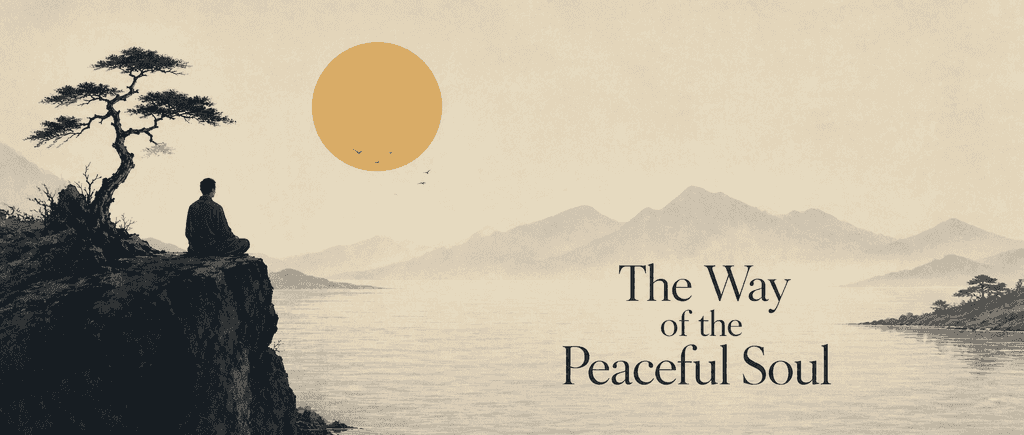
The silent life
《The silent life》概述
Merton's "The Silent Life" unveils monastic existence with poetic precision. This 1957 spiritual classic sparked interfaith dialogue with the Dalai Lama and Thich Nhat Hanh. What secrets of contemplation could transform your chaotic modern life into one of profound purpose?

《The silent life》核心主题
- monastic vocation
- contemplative prayer
- purity of heart
- spiritual solitude
- divine surrender
《The silent life》经典语录
The deepest law in human nature is our need for God.
The monk's ultimate goal is purity of heart.
Activity isn't excluded from contemplation.
The monastery transcends its physical structure.
《The silent life》主要人物
- Thomas MertonAuthor and monk exploring the monastic vocation
- St. BenedictSaint whose rule defines monastic liberty
- ChristThe divine figure whose love the monk prefers
关于作者
《The silent life》作者介绍
Thomas Merton (1915–1968) was a Trappist monk and the author of The Silent Life. He was a pioneering voice in contemplative spirituality and interfaith dialogue.
A member of Kentucky’s Abbey of Gethsemani for 27 years, his writings bridge monastic traditions with modern social issues, including civil rights and pacifism. Merton’s bestselling autobiography, The Seven Storey Mountain (1948), has sold over one million copies worldwide and remains a spiritual classic.
His influential works like New Seeds of Contemplation explore themes of self-discovery and divine connection, establishing him as a leading figure in 20th-century religious thought. Recognized for dialogues with the Dalai Lama and Thich Nhat Hanh, Merton’s legacy endures through his integration of Eastern and Western mysticism. The Seven Storey Mountain has been translated into 15 languages, cementing his global impact.
下载《The silent life》摘要
免费获取《The silent life》摘要的 PDF 或 EPUB 版本。可打印或随时离线阅读。
关于本书的常见问题
The Silent Life explores monastic traditions, focusing on Carthusian and Trappist practices, to examine how silence, solitude, and prayer enable spiritual awakening. Merton argues that monasticism isn’t escapism but a radical engagement with God through humility and self-discovery. The book contrasts communal and solitary monastic life while defending contemplative spirituality as a path to divine truth.
This book suits spiritual seekers, scholars of religious studies, and fans of Merton’s work. Its insights into monastic discipline appeal to those grappling with modern distractions or seeking deeper self-awareness. Readers interested in Christian mysticism, contemplative practices, or the tension between community and solitude will find it transformative.
Yes—it’s a seminal work praised for blending philosophical depth with poetic clarity. Merton’s firsthand experience as a Trappist monk lends authenticity, while his analysis of Carthusian traditions offers rare insights into monastic spirituality. The book’s exploration of the “false self” and divine identity remains relevant for modern readers.
- Silence and Solitude: Essential for transcending ego and encountering God.
- True vs. False Self: The “false self” thrives on illusions, while the “true self” emerges through surrender to God’s will.
- Monastic Principles: Carthusian life revolves around quies (rest), solitude, silence, and pursuing divine realities.
Carthusians divide their days between manual labor, chanting the Divine Office, and spiritual study. Key practices include:
- A weekly three-hour communal walk (spatiamentum) for conversation.
- Feast-day sermons and meals in a shared refectory.
- A balance of solitary prayer and structured communal rituals.
Merton defines the “false self” as an illusory identity constructed from ego-driven desires and societal expectations. It distracts from the “true self,” which exists only in relationship with God. Letting go of this illusion is central to monastic discipline and spiritual growth.
Merton’s critique of materialism and noise resonates with contemporary struggles like digital overload. The book argues that monastic principles—silence, simplicity, and self-examination—offer antidotes to modern alienation, fostering inner peace amid chaos.
- On identity: "The secret of my identity is hidden in the love and mercy of God"
- On monastic purpose: "The principles of the Carthusian life are quiet, solitude, silence, and the quest for supernal realities"
These emphasize surrendering ego to discover divine truth.
While The Seven Storey Mountain chronicles Merton’s conversion and early monastic life, The Silent Life delves deeper into theological reflections on contemplative practice. The latter reframes monasticism not as escapism but as active participation in global spiritual struggles.
Some argue Merton idealizes monastic life, downplaying its challenges. His later writings, which address social issues more directly, contrast with this book’s inward focus. Critics also note his personal struggles—like a controversial romantic affair—complicated his teachings on celibacy and devotion.
Prayer is portrayed as a transformative act of self-discovery, where individuals confront their “nothingness” to encounter God’s presence. Merton rejects rote recitations, advocating instead for prayer as a dynamic, identity-shaping dialogue with the divine.
Carthusians prioritize humble faithfulness over mystical experiences. Their “hidden wholeness” comes not from visions but from steadfast obedience and simplicity—a contrast to more emotive spiritual traditions. Merton praises their “ruged souls” who sustain the world through silent prayer.