第 1 章
A Culinary Revolution in Your Kitchen
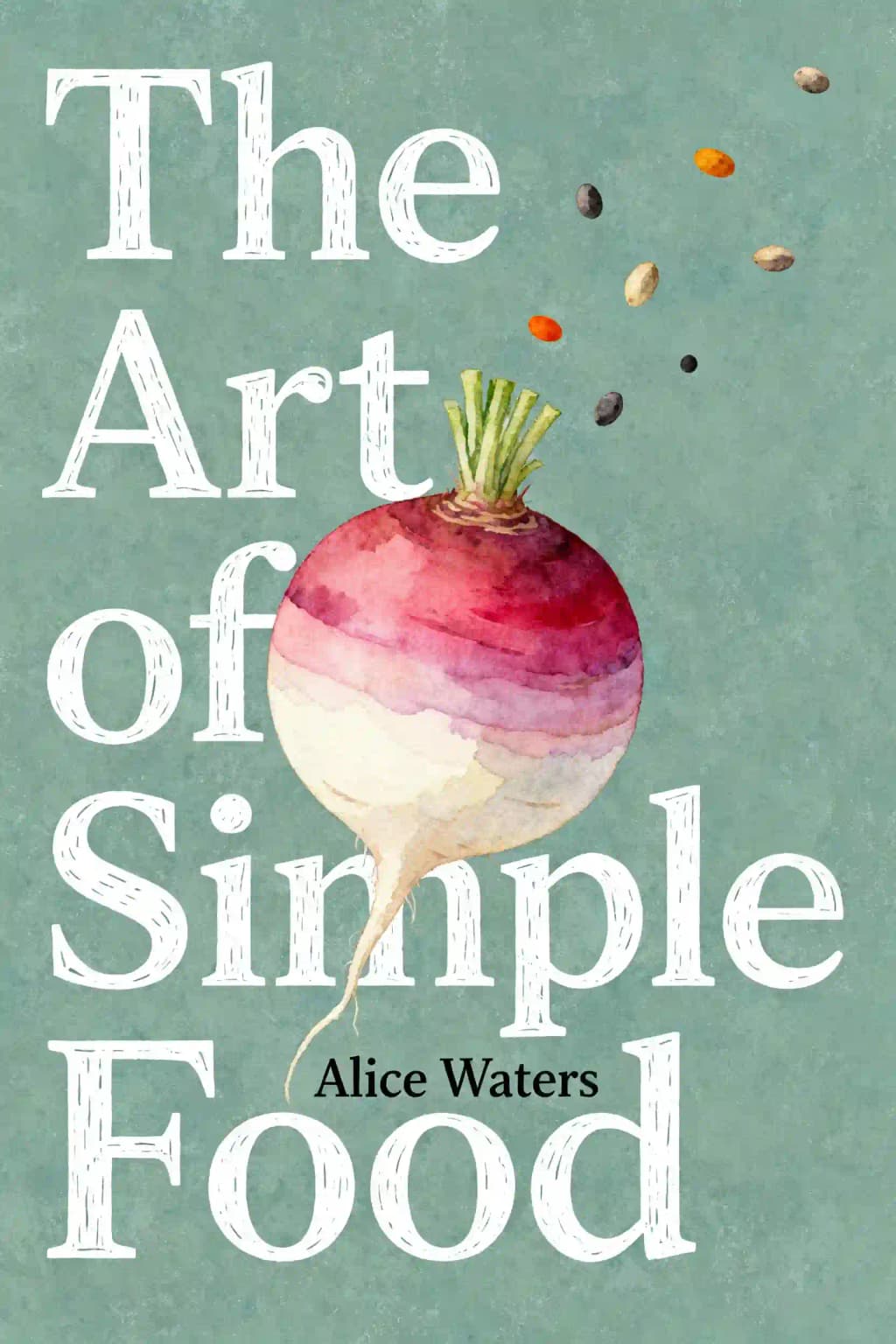
Imagine stepping into your kitchen and feeling a profound connection to the earth, the seasons, and the very essence of what nourishes us. This is the transformative experience Alice Waters offers in "The Art of Simple Food." Since its publication in 2007, this culinary manifesto has become the cornerstone text for the farm-to-table movement, influencing everyone from home cooks to celebrity chefs like Jamie Oliver and Samin Nosrat. Waters, the legendary founder of Berkeley's Chez Panisse (ranked among the world's best restaurants for decades), distills her revolutionary philosophy into accessible wisdom: great cooking starts with extraordinary ingredients, treated with respect and simplicity. Michelle Obama consulted Waters when establishing the White House vegetable garden, while countless cooking schools have adopted her principles as curriculum foundations. More than a cookbook, it's a roadmap to reconnecting with food as a source of pleasure, community, and ecological responsibility-a delicious revolution that begins with your next meal.
第 2 章
The Delicious Revolution: A New Way of Cooking and Eating
Alice Waters' culinary journey began with a simple desire to recreate the flavors she had fallen in love with during her time in France. What she discovered, however, was something far more revolutionary-that the most delicious food came not from elaborate techniques but from exceptional ingredients grown with care and harvested at peak ripeness. This realization became the foundation of her approach at Chez Panisse and forms the heart of her philosophy in "The Art of Simple Food."
The core principle is disarmingly straightforward: when you have the best ingredients, simple cooking creates extraordinary food. Waters discovered that food tastes naturally delicious when grown with care, harvested at the right moment, and brought directly from producer to plate. This quality isn't exclusive to high-end restaurants-the same farmers who supply Chez Panisse sell at local markets where anyone can build relationships with growers.
Waters outlines a set of principles that form her "delicious revolution"-a transformation in how we relate to food. Eating locally and sustainably means learning where your food comes from and how it's produced, seeking diverse vegetables and fruits from small producers who care for the land. Eating seasonally connects you to time and place while rewarding you with the most flavorful food. Shopping at farmers' markets creates communities that value diversity, honesty, and beauty, allowing you to become a partner with the farmers who grow your food.
Growing your own food, even if just a pot of herbs on a windowsill, can transform your cooking and connect you to changing seasons. Conservation through composting, reusing packaging, and reducing waste creates a virtuous cycle that feels inherently satisfying. Cooking simply, engaging all your senses-touch, listen, watch, smell, and taste-makes the process a pleasure rather than a chore.
Perhaps most importantly, Waters emphasizes the communal aspects of food. Cooking together, especially with children, teaches the value and pleasure of good food almost effortlessly. When children grow, cook, and serve food, they naturally want to eat it. Eating together, even for modest meals, creates a special place for empathy and generosity. The ritual of the table becomes a time to nourish both body and relationships.
Underlying all these principles is a profound respect for food itself. Good food can only come from good ingredients, and its proper price includes the cost of preserving the environment and paying fairly for the labor of the people who produce it. Food, Waters reminds us, should never be taken for granted.
This philosophy isn't just about better-tasting meals-it's about reconnecting with basic human values and finding deep sensory pleasure in everyday life. By following these principles, Waters suggests, your cooking will be transformed, and with it, your relationship to food and the world that produces it.
第 3 章
The Essential Pantry: Building Blocks of Good Cooking
To become a good cook, you need only a few essentials: appetite, ingredients, a kitchen, some tools, and ideas about what to cook. Of these, appetite comes first-people who love to cook invariably love to eat. The desire for good food motivates them to become good cooks. But the true starting point for cooking well is having excellent ingredients.
The best sources for fresh, seasonal ingredients are farmers' markets and stores selling organic, local foods. Waters advises going to the market with an open mind before deciding what to cook. When you buy directly from producers, you can learn from them and influence what they grow. Ask questions about varieties, growing methods, and seasonality. Buy certified organic food when possible, and consider joining a CSA (Community Supported Agriculture) farm for regular deliveries of fresh produce.
At home, foods fall into two categories: longer-lasting pantry staples and perishable fresh items. With a well-stocked pantry and refrigerator, you'll always have something to cook, regardless of who shows up hungry at your door.
Essential pantry staples include olive oil (both everyday cooking oil and special extra-virgin for finishing), unpasteurized wine vinegars, good sea salt (both coarse and fine), freshly ground black peppercorns, and spices like bay leaves, cumin, fennel seed, and dried chiles. Dried pasta, polenta, rice, beans, canned tomatoes, salt-packed anchovies and capers round out the non-perishable essentials. Baking supplies like unbleached flour, organic sugar, baking powder, vanilla, and yeast should be kept fresh and replenished regularly.
Perishable staples form the backbone of countless dishes. Garlic, onions, shallots, celery, carrots, olives, and fresh herbs are used daily in everything from salads to soups. Eggs are incredibly versatile-with them on hand, you can always make something to eat. Lemons brighten dishes at the last minute, while mustard adds heat and acid. A selection of cheeses-hard grating cheese like Parmigiano-Reggiano, melting cheese like Monterey Jack, and Gruyere for omelets-provides endless possibilities. Nuts, homemade chicken broth, butter, milk, good bread, and potatoes complete the essentials.
With just these staples, you can prepare a surprising variety of dishes without additional shopping: soups from chicken broth to gazpacho; rice dishes from plain rice to risotto; pasta with oil and garlic, anchovy and parsley, or tomato sauce; cheese souffles and omelets; various vegetable preparations; sauces from vinaigrette to mayonnaise; breads from pizza to cornbread; and desserts from custard to fruit tarts.
The right equipment makes cooking easier and more enjoyable. Waters recommends investing in quality knives (a paring knife, chef's knife, and bread knife), a large cutting board, heavy-bottomed pots and pans, earthenware baking dishes, mixing bowls, colanders and sieves, and a few specialty items like a food mill and pasta machine. Small tools like tongs, spatulas, wooden spoons, whisks, and measuring implements round out the essentials.
Organization is key to successful cooking. Before starting a recipe, read it completely to visualize the dish, then prepare your mise en place-bring ingredients to room temperature, prepare them as directed, gather equipment, and preheat the oven if needed. This preparation prevents chaos while cooking and offers aesthetic pleasure in its orderliness.
Mastering basic knife skills makes food preparation second nature. Chopping, dicing, mincing, julienne, and chiffonade are fundamental techniques that, once learned, become automatic extensions of your culinary thinking. With these skills and a well-stocked pantry, you're ready to transform simple ingredients into delicious meals.
第 4 章
Planning and Preparing Meals: From Everyday to Special Occasions
When faced with the eternal question "What's for dinner?", Waters considers multiple factors: who's eating, the weather, available time, energy level, refrigerator contents, market offerings, and budget. Rather than planning meals in isolation, she thinks fluidly across multiple days, considering how ingredients might flow from one meal to the next.
The key to stress-free meal planning is shopping well to have good ingredients on hand-meats, poultry, vegetables, salad, fruit-then making preliminary preparations like seasoning chicken or soaking beans. Having these ready provides comfort and eliminates last-minute worries. Waters typically begins with a primary ingredient like chicken, decides how to cook it, then selects complementary vegetables or sides by mentally reviewing her pantry and refrigerator. Whatever isn't used becomes tomorrow's dinner foundation.
For everyday meals, balance of flavor, color, and texture matters more than fancy preparations. An all-white or all-soft meal isn't as appealing as one with variety. Flavors should complement rather than compete, and the cooking process shouldn't leave you stressed. Presenting food attractively makes it taste better and satisfies both cook and diners. A well-set table, even as simple as a folded napkin and fork, completes a meal that feeds all senses.
Waters rarely makes dessert for family meals, preferring to end with ripe fresh fruit. Her seasonal menu suggestions include simple combinations like onion tart with rocket salad in fall, winter squash soup with braised duck legs in winter, poached salmon with asparagus in spring, and tomatoes with basil alongside cold roast pork in summer.
When cooking for friends, Waters plans a menu that pleases guests without being too complicated to prepare. She starts by writing out the menu and shopping list, revising if it seems too complex. Then she creates a prep list breaking down each course into elements and develops a timetable. For a green salad, she might wash greens early, make vinaigrette ahead, but toss just before serving. For longer-cooking items like roasts, she counts backward from serving time.
Waters tries to include dishes that can be prepared in advance, needing only reheating or finishing touches. Setting the table well before guests arrive is important, and having something simple to nibble on when guests arrive-warm olives, roasted nuts, or fresh seasonal vegetables with salt and lemon-creates a welcoming atmosphere while finishing the cooking.
Picnics offer a wonderful way to change routine and enjoy the outdoors. Using real dishes instead of storage containers transforms the experience-Waters packs tin plates or mismatched china, small glass tumblers, and arranges everything on a colorful cloth. Her favorite picnic foods include bread, croutons, olives, radishes, cured meats, pate, cheese, raw vegetables, various salads, hard-cooked eggs, frittatas, cold roasted meats, and portable desserts like fresh fruits, tarts, and cookies.
Packing nutritious, tasty school lunches presents a significant challenge for parents. Waters approaches her daughter's lunch like a meal they'd eat at home rather than following the standard sandwich-chips-juice formula. She discovered that her daughter loves vinaigrette (as most children do) and would eat almost anything dressed with it-from romaine leaves to carrot sticks, green beans, and steamed vegetables. Rice salads with vegetables and meat, lentil and farro salads, and oil-based potato salads make excellent alternatives for sandwich-averse children. Fresh, ripe fruit packed carefully provides a perfect alternative to sweets. Planning lunch the night before and occasionally including unexpected surprises kept her daughter interested in what she'd find in her lunchbox.
Through thoughtful planning and preparation, Waters shows how meals can be both practical and pleasurable, whether for everyday family dining or special gatherings with friends.
第 5 章
Four Essential Sauces: Building Blocks of Flavor
These four foundational sauces add tremendous flavor, dimension, and color to meals, transforming simple ingredients into finished dishes. Their simplicity demands quality ingredients-fruity olive oil, flavorful wine vinegar, fresh garden herbs, and good butter-as there's nowhere to hide inferior components.
Vinaigrette combines vinegar and oil in a ratio of 1 part vinegar to 3-4 parts oil. The secret to a perfect vinaigrette begins with dissolving salt in vinegar to achieve perfect balance-the salt subdues the vinegar's acidity when added in just the right amount. After adding black pepper, olive oil is whisked in gradually until the dressing tastes brightly balanced. This versatile sauce can be adapted by adding garlic or shallots, substituting different vinegars or lemon juice, incorporating mustard, using nut oils, or adding fresh herbs.
I've found that making vinaigrette becomes intuitive with practice. The key is tasting as you go-the dressing should have brightness from the acid but smoothness from the oil, with neither element overpowering the other. When properly balanced, vinaigrette transforms even the simplest lettuce leaves into something special.
Salsa verde, a classic Italian green sauce, combines olive oil with chopped parsley, lemon zest, garlic, and capers to add lively freshness to simple dishes. Using a sharp knife preserves the herbs' flavor and color rather than bruising them as a food processor might. The sauce can be adjusted in thickness depending on its purpose-less oil for roasted meats and grilled vegetables, more for fish. The beauty of salsa verde lies in its versatility-it brightens everything from grilled fish to roasted vegetables, adding a burst of herbal freshness and acidity.
Mayonnaise, particularly garlic mayonnaise (aioli), serves countless purposes-on sandwiches, with vegetables, meats, fish, and as a base for other sauces. Children particularly love it as a dip. The garlic should be pounded to a smooth puree for even distribution of flavor. When making mayonnaise, add oil drop by drop initially, whisking constantly as the sauce thickens and lightens. Adding a small amount of water to the egg yolk helps prevent separation. Make aioli half an hour ahead to allow flavors to marry, and refrigerate if not using within an hour.
The process of making aioli begins with garlic pounded to a smooth paste with salt. Half the garlic is mixed with an egg yolk and water before slowly incorporating olive oil while whisking constantly. The sauce quickly thickens and lightens as the oil is absorbed. This rich, garlicky emulsion transforms everything it touches-from plain vegetables to simple fish-into something special. Variations include adding roasting juices, crab butter, or capers and anchovy. Plain mayonnaise (made without garlic) can be transformed with mustard, horseradish, herbs, pickle relish for tartar sauce, or pounded greens for a vibrant green mayonnaise.
Herb butter combines softened butter with abundant fresh herbs, creating an effortless sauce for meat, fish, or vegetables. Waters prefers hers intensely green with just enough butter to bind the herbs. Either salted or unsalted butter works, with lemon juice enhancing the herbs' flavor and cayenne adding subtle heat. Tender herbs like parsley and chives should be very fresh and chopped last minute, while stronger herbs like sage benefit from gentle heating in butter first.
The finished butter can be served soft or rolled into a log, chilled, and sliced into coins for topping hot dishes. The beauty of herb butter is how it melts into a sauce when placed on hot food, releasing the fragrance of herbs and enriching the dish with minimal effort. Variations include adding lemon zest for brightness or dried chile peppers (soaked and pounded to a paste) for a pungent butter perfect with corn on the cob.
These four sauces represent the essence of Waters' philosophy-simple preparations that rely on quality ingredients and proper technique rather than complexity. Mastering them provides a foundation for countless delicious meals, each sauce offering its own distinctive way to enhance and elevate simple foods.
第 6 章
The Garden on Your Plate: Vegetables, Salads, and Bread
I love salads for their immediacy and freshness-a meal without one feels incomplete. The most compelling salads use ingredients that are fresh, radiant and in season, whether lettuces, vegetables, or fruits. Almost anything good can be transformed into a delicious salad, even simple parsley leaves tossed with lemon juice, olive oil and salt.
Making a garden lettuce salad-washing beautiful fresh-picked lettuces and tossing them with herbs and vinaigrette-brings as much joy as eating one. The best salads start with just-picked lettuces from gardens or farmers' markets. I prefer creating my own combinations rather than using pre-bagged mixes. Wash lettuces gently but thoroughly, removing damaged leaves and spin-drying carefully to prevent diluting the dressing. When ready to serve, place in a large bowl with herbs like chives or chervil, then toss with just enough vinaigrette to make the leaves glisten. The final salad should be lightly dressed, seasoned perfectly, and served immediately.
A "composed" salad combines multiple ingredients either tossed together or arranged on a plate. These can be hearty enough for a main course or delicate enough for an elegant first course. Components might include various lettuces, raw or cooked vegetables, roasted meats, fish, shellfish, and hard-cooked eggs. Even tasty leftovers work well, but avoid combining too many conflicting flavors. Choose ingredients thoughtfully for complementary tastes and textures, and select an appropriate dressing-sometimes vinaigrette works best, other times mayonnaise or a creamy sauce.
Fruit salads can be savory alternatives to traditional vegetable salads, either as starters or meal endings. Figs, apples, pears, pomegranates, persimmons, and citrus fruits work beautifully alone or with greens, especially hearty winter chicories. Favorite combinations include orange with black olives, avocado with grapefruit, persimmons with nuts and balsamic vinegar, and orange slices with marinated beets.
There's something magical about transforming simple ingredients-flour, yeast, salt, and water-into a loaf of bread. Even imperfect homemade bread rarely goes uneaten, with its irresistible warm, yeasty aroma filling the house. Good bread starts with quality ingredients-unbleached, untreated flour without additives, preferably fresh from a local organic retailer with rapid turnover.
Croutons are my go-to quick bite when guests arrive. Whether called croutons, croutes, crostini, toast, or bruschetta, these are essentially bread pieces that have been toasted, grilled, or fried. Any quality bread works well, from thick country-style loaves to baguettes. I typically slice irregularly sized pieces from levain bread, toast them, then rub with garlic and oil them afterward. For salads, I recommend roughly torn pieces toasted in the oven and tossed with oil.
Making bread requires understanding how flour quality, water temperature and quantity, leavening agents, rising time, and even weather conditions affect outcomes. While I favor levain bread (made with wild yeast starter and slow fermentation), a more accessible versatile dough suitable for focaccia or pizza is easier for beginners. This dough begins by activating dry yeast in lukewarm water mixed with white and rye flours until bubbly. After rising until doubled (either 2 hours or overnight in the refrigerator for better flavor), the dough is gently shaped, dimpled with fingertips, drizzled with olive oil, and allowed to rise again before baking.
Fresh homemade breadcrumbs serve multiple purposes-forming crusts on gratins, coating foods for frying, lightening stuffings and meatballs, and most distinctively, as a versatile "crunchy sauce." I often toast breadcrumbs and toss them with fresh herbs and garlic to sprinkle over dishes as a finishing touch. Day-old artisanal bread works best, with the crusts removed before processing. Breadcrumbs can be frozen for future use, and should be watched carefully when toasting as they brown quickly at the end.
These elements-fresh salads, homemade bread, and simple preparations that highlight quality ingredients-form the foundation of Waters' approach to cooking. They demonstrate how attention to detail and respect for ingredients can transform everyday foods into extraordinary meals.
第 7 章
From Broth to Bowl: The Art of Soup Making
Waters demystifies soup-making by sharing essential techniques for developing flavor: creating good broth, starting with softened vegetables and herbs, and adding ingredients thoughtfully. She explains that soups can be simple with a single vegetable or complex with multiple components, offering endless variations. The key is understanding fundamental techniques rather than simply throwing leftovers together.
A rich, fragrant broth forms the foundation of many soups. Waters recommends using a whole chicken for maximum flavor, noting you can remove the breasts after an hour for a separate meal. Starting with cold water draws out flavor as it heats, and the amount determines intensity. After bringing to a boil, the broth should be immediately reduced to a simmer, skimmed of foam, and vegetables added in large pieces. Proper seasoning, gentle simmering for 4-5 hours, and careful straining yield a delicate, flavorful result that can be refrigerated with its protective fat layer or frozen for future use.
When making vegetable soup, Waters begins with onions gently cooked in butter or oil until soft and sweet, using a heavy-bottomed pot for even heat distribution. Uniformly sliced vegetables are added, generously salted, and cooked briefly to infuse the fat with flavor. After adding broth or water and simmering until vegetables are tender but intact, the soup develops its full character. The soup can remain brothy or be pureed for a more delicate texture. Waters notes that water-based purees showcase the pure flavor of fresh vegetables like fava beans or corn, while garnishes should enhance rather than overpower the soup's natural qualities.
Minestrone ("big soup" in Italian) combines many vegetables added in stages according to cooking time. The foundation is a soffritto of aromatic vegetables cooked in plenty of olive oil until fully flavored. Longer-cooking vegetables are added first, followed by quicker-cooking ones, with all cut to bite-sized pieces for balanced spoonfuls. Greens are added according to their cooking time-kale earlier, spinach later. Dried beans and pasta are cooked separately and added near the end to prevent overcooking. Waters emphasizes proper salting throughout cooking and suggests finishing each bowl with olive oil and grated cheese rather than adding these to the pot.
Beans, whether dried or fresh, are celebrated as part of the legume family. Waters explains the difference between green beans and shell beans, noting that shell beans can be eaten fresh at harvest or dried for later use. She emphasizes their versatility-prepared plain with herbs, in soups, or gratins-and highlights their nutritional value and affordability. She recommends seeking fresh seasonal varieties at farmers' markets and buying dried beans in bulk for best quality, noting that older beans cook unevenly and less flavorfully.
Waters recommends soaking dried beans overnight in three times their volume of water to ensure even cooking. She advises using wide, heavy pots with enough water to keep beans submerged and easily stirred, adding salt toward the end to maintain tenderness. Beans should be tender but intact when done, and should cool in their cooking liquid before draining to prevent cracked skins. Fresh shell beans require no soaking and cook much faster, with salt added at the beginning.
Beans develop the best flavor when seasonings are added after their initial cooking rather than during it. Waters recommends draining most cooking liquid (while saving it for soups or gratins) before adding final flavorings and cooking for at least 10 minutes more to infuse the beans. For gratins, she suggests sauteing and seasoning vegetables before combining them with beans. She notes that adding flavorful oil or fat enhances beans' naturally lean character.
Through these techniques, Waters shows how soups and bean dishes can become satisfying, nourishing meals that showcase seasonal ingredients at their best. The emphasis on building flavor through proper technique rather than complicated recipes makes these dishes accessible to home cooks while yielding professional-quality results.
第 8 章
Grains and Pastas: Simple Staples, Endless Possibilities
Pasta and polenta are essential Italian pantry staples. Dried pasta offers quick meals, while polenta (ground corn) provides versatility. Both are prepared in salted boiling water and can be served simply with butter or oil and cheese. Fresh pasta, though more labor-intensive, is ideal for lasagna, hand-cut noodles, ravioli, and cannelloni.
Fresh pasta requires just flour and eggs. Using unbleached, all-purpose flour (whole-grain can substitute for half), create a well, add beaten eggs, and incorporate until a cohesive dough forms. After kneading and resting, the slightly wet dough can be rolled by machine for smooth noodles or by hand for a rustic texture that holds sauce well.
For cannelloni, roll pasta into rectangles, cook, cool, and fill before rolling into tubes for baking. For ravioli, place filling between thin pasta sheets, remove air, and cut into pockets, keeping refrigerated until cooking.
Cook pasta in abundant salted water (no oil needed) until al dente. Save some cooking water before draining to adjust sauce consistency. Match pasta shapes to sauces: chunky with chunky, egg noodles with butter sauces, and thin noodles with light sauces.
Polenta cooks in a four-to-one water-to-grain ratio. Whisk into boiling water and simmer for an hour, stirring occasionally. Though edible after 20 minutes, longer cooking develops better flavor. Serve creamy with butter or cheese, or cool until firm for baking, grilling, or frying.
Rice varieties fall into two main categories: short-grain (starchy, used for paella and risotto) and long-grain (less sticky, including basmati and jasmine). Cooking requires proper water ratios: brown rice needs 2 cups water per cup of rice, long-grain white needs 112 cups, and short-grain white needs 114 cups.
Risotto, though seeming complex, is a simple one-pot dish using starchy short-grain rice varieties like Arborio or Carnaroli. Saute onions in butter, add rice until translucent, incorporate wine, then gradually add simmering broth, maintaining constant heat throughout cooking.
These preparations exemplify Waters' philosophy of transforming simple ingredients into satisfying meals through proper technique and attention to detail.
第 9 章
From Oven to Table: Roasting, Grilling, and Slow Cooking
Roasting transforms meat and poultry into flavorful centerpieces. Though modern ovens have replaced traditional spit-roasting, the goal remains: developing a browned exterior while maintaining a moist interior.
For a perfect roast chicken, choose organic, free-range birds. Season with salt and pepper 1-2 days ahead, optionally adding herbs under the skin. Bring to room temperature before cooking. Use an appropriately sized pan and follow Waters' "20-20-20" method at 400F: 20 minutes breast-up, 20 minutes breast-down, then 20 minutes breast-up. Rest 10-15 minutes before carving.
For meat roasting, select locally produced, pasture-raised options. Roasting on the bone enhances flavor and juiciness. Season well in advance-ideally 2-3 days for large roasts. Marinades or dry rubs can be applied overnight. Always bring meat to room temperature before roasting.
Roasting vegetables intensifies flavors through caramelization. Cut pieces uniformly, coat lightly with oil and salt, and arrange in a single layer. Roast at 400F, stirring occasionally for even browning.
Grilling requires good coal preparation-preferably lump charcoal or hardwood, started without lighter fluid. Wait for embers to turn ashy gray, then heat and oil the grill thoroughly. For steaks, choose well-marbled cuts 1-2 inches thick. Waters recommends an herb crust applied an hour before grilling. Fish needs a hot, well-oiled grill, cooking 6-8 minutes for fillets, 8 minutes for steaks, and 10 minutes per inch for whole fish.
Vegetables need medium-hot heat (4-second hand test). Adjust approach by type: slice summer vegetables uniformly; keep leafy ones moist; pre-boil certain items like asparagus; make incisions in whole vegetables like eggplants.
Slow cooking transforms tough cuts into tender meals through gentle simmering. This method requires minimal attention and often improves with resting. Combine seasoned, browned meat with aromatics, herbs, and liquid (wine, stock, or water) in a heavy pot with tight-fitting lid. Simmer until tender, with liquid halfway up for braises or nearly covering for stews.
These methods exemplify Waters' approach: transforming quality ingredients through simple, precise techniques.
第 10 章
The Egg and Beyond: Versatile Proteins for Every Meal
An omelet requires fresh eggs (preferably free-range), butter, and simple fillings. Using a properly sized pan (2 eggs for 6-inch), beat eggs lightly, melt butter until foamy, and pour eggs to create a sizzle. Pull edges toward center, allowing uncooked egg to flow underneath. Add fillings, fold, and finish with butter - all within a minute.
A frittata is a dense, flat omelet with pre-cooked fillings mixed into eggs before cooking. Cook over medium heat until mostly set, then either flip using a plate or finish in a 350F oven for 7-10 minutes.
Souffles combine a bechamel sauce with egg yolks and flavorings, lightened by beaten egg whites. Key steps include making smooth bechamel, careful egg separation, and gentle folding of whites. Serve immediately from the oven before deflating.
Tarts, especially galettes (free-form open-faced tarts), marry buttery crusts with various fillings. Good tart dough requires cold ingredients, minimal handling, and proper flour-butter-water balance. Work quickly, rub cold butter into flour until just combined, add ice water gradually, and avoid overworking.
Savory tarts typically start with slowly sauteed onions (30 minutes) as a flavorful base. Add variations like peppers, squash, tomatoes, cheese, or herbs. Bake on the lowest rack for a crisp bottom, then cool on a rack.
Fruit tarts showcase ripe but firm fruit, cut appropriately and arranged snugly. Prevent soggy crusts by sprinkling flour beneath fruit or using frangipane/jam barriers. Fold borders, brush with butter, sprinkle sugar, and bake until golden.
Sweet tart dough (pate sucree) differs from savory versions with its cookie-like texture, incorporating egg and sugar. Creaming butter and sugar together creates a tender, crumbly result ideal for dessert tarts.
These dishes showcase how simple ingredients transform through proper technique, offering versatile options from quick meals to elegant desserts suitable for all skill levels.
第 11 章
A Sweet Ending: Simple Desserts That Celebrate the Seasons
Ripe, local fruit offers the purest expression of seasonal desserts. Whether served plain or transformed into desserts, farmers' market heirloom varieties picked at peak ripeness provide natural sweetness and a sense of place. Fruit can be presented whole or cut with simple additions like sugar, orange juice, or wine. Successful pairings include strawberries in orange juice, peaches in wine, or figs with honey and raspberries. Select fruit at peak ripeness and room temperature for maximum flavor.
Preserving fruit during its seasonal peak ensures year-round enjoyment. Berries can be frozen for up to three months, while stone fruits can be cooked with sugar and pureed. Quick compotes last a week refrigerated, while preserves like jams and syrups make lasting pantry staples.
Crisps and cobblers showcase seasonal fruits under crunchy toppings or cream biscuits. Poaching gently enhances flavor while maintaining integrity - especially for pears, peaches, and stone fruits. The cooking liquid typically combines water, sugar, and aromatics like vanilla or wine. Cool fruit in syrup and serve immediately or refrigerate for up to a week.
Ices and sherbets capture pure fruit essence in frozen form. Both require ripe fruit pureed with extra sugar, as freezing mutes sweetness. Ices develop a grainy texture through occasional stirring, while sherbets are churned smooth in an ice cream maker.
Eggs create silky custards, puddings, and ice cream bases. Homemade ice cream comes either as frozen sweetened cream or richer custard with egg yolks. Flavors can be infused before chilling, while solid mix-ins are added during freezing. Using an ice cream machine creates the smoothest texture.
Simple baking projects like cookies and cakes teach fundamental kitchen skills. Cookie success relies on properly creaming butter and sugar, using room-temperature eggs, and avoiding overmixing. The classic 1-2-3-4 cake requires precision in preparation and thorough creaming (5-10 minutes) for a tender, moist result.
These desserts celebrate seasonal ingredients through techniques that enhance their natural qualities, providing satisfying yet wholesome endings to any meal.
第 12 章
The Art of Simple Food: A Lifelong Journey
At its heart, "The Art of Simple Food" isn't just a collection of recipes-it's an invitation to transform your relationship with cooking and eating. Waters guides us toward a more mindful, connected approach to food that honors ingredients, seasons, and the people who grow our food.
The principles Waters outlines-eating locally and seasonally, shopping at farmers' markets, cooking simply with all your senses engaged, sharing meals with others-form a cohesive philosophy that reconnects us with fundamental human experiences. In our fast-paced world of convenience foods and disconnected eating, Waters' approach offers a return to something essential and deeply satisfying.
What makes this book so revolutionary is its accessibility. Waters doesn't demand perfection or suggest that everyone must grow all their own food or cook elaborate meals daily. Instead, she offers practical steps anyone can take: visiting a farmers' market, planting herbs on a windowsill, learning to make a simple vinaigrette, or taking time to share a meal with loved ones.
The techniques and recipes Waters shares build upon each other, creating a foundation of knowledge that empowers home cooks to move beyond rigid recipe-following toward intuitive cooking guided by taste and seasonality. By mastering fundamental techniques like roasting, braising, and making simple sauces, readers gain the confidence to adapt to what's available and in season.
Perhaps most importantly, Waters reminds us that good food isn't just about nutrition or even flavor-it's about connection. Connection to the earth through understanding where our food comes from; connection to culture and tradition through time-honored cooking methods; and connection to each other through the shared experience of a meal prepared with care.
As we face growing environmental challenges and increasingly fractured communities, Waters' "delicious revolution" offers a path forward that nourishes both people and planet. By choosing food grown with care for the land, prepared simply to highlight its natural qualities, and shared generously with others, we participate in a form of everyday activism that ripples outward in profound ways.
Whether you're an experienced cook or just beginning your culinary journey, "The Art of Simple Food" provides both practical guidance and philosophical inspiration. It reminds us that cooking isn't a chore but a creative act-one that connects us to our humanity and to each other. In Waters' vision, the kitchen becomes not just a place to prepare meals but a center of learning, pleasure, and transformation-a place where simple ingredients become extraordinary food, and where everyday actions can help create a more delicious and sustainable world.