第 1 章
The Fork in the Road: Navigating Our Toxic Food System
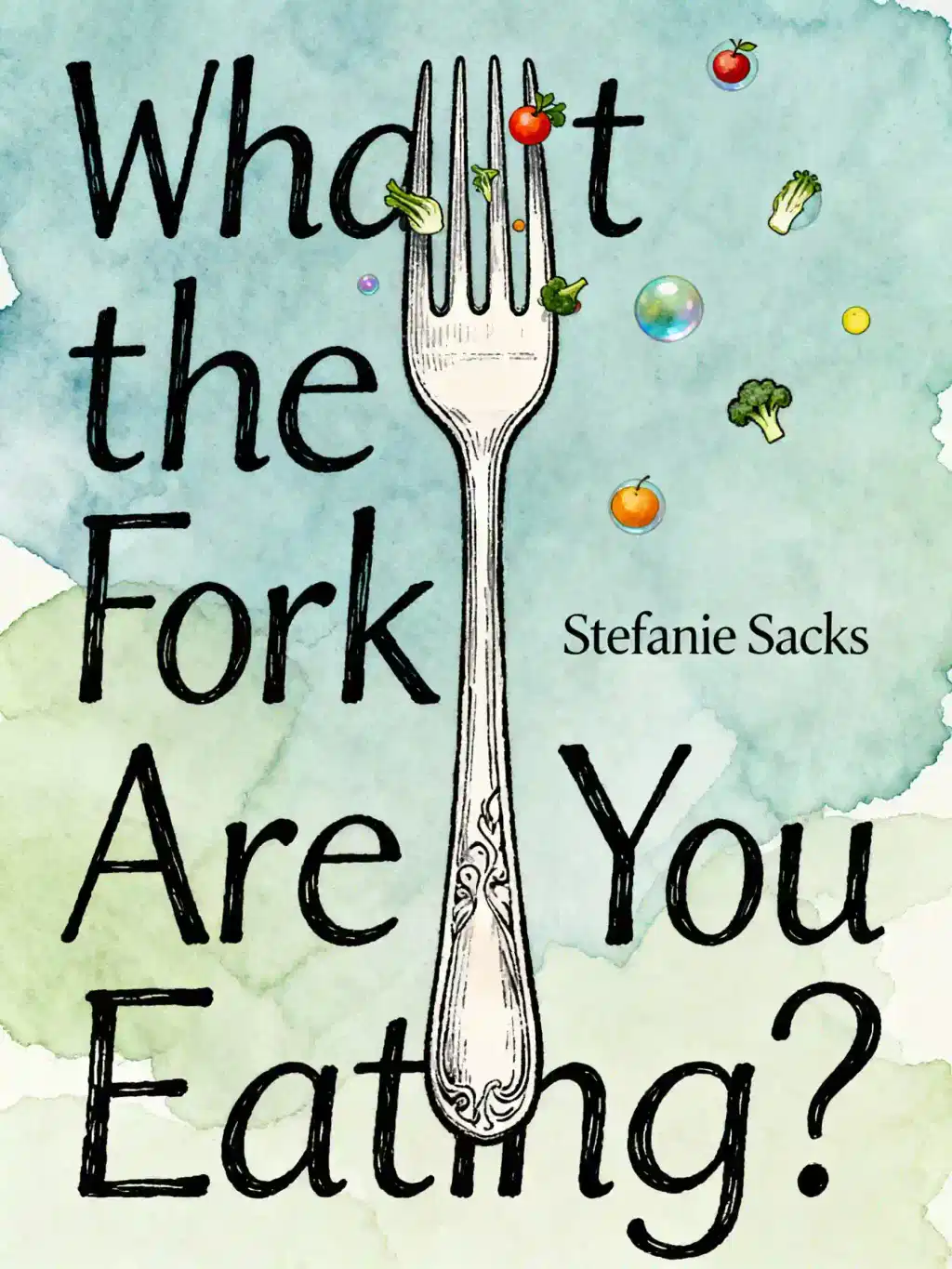
In a world where food labels often lie and marketing claims mislead, Stefanie Sacks stands as a beacon of clarity. Her groundbreaking book "What the Fork Are You Eating?" has become required reading for anyone serious about understanding what's actually in their food. As a culinary nutritionist with a master's degree and decades of personal experimentation with various diets, Sacks offers something increasingly rare: straightforward, practical guidance on food choices without extremism or fear-mongering. Her approach has earned praise from nutrition experts like Dr. Mark Hyman, who calls her work "a practical guide for avoiding the toxic foods that are making us sick and fat." What makes this book particularly compelling is Sacks' personal journey-her childhood struggles with asthma, allergies and recurring infections led her to discover food's healing power, transforming her from medication-dependent to naturally healthy through dietary changes.
第 2 章
The Food Regulation Facade: Why Our System Fails Us
The story of American food regulation reveals why so many harmful ingredients exist in our food supply. Though Abraham Lincoln established the USDA in 1862, effective oversight remained minimal for decades. In the early 1900s, manufacturers freely added untested chemicals like borax and formaldehyde to foods as preservatives without considering health consequences. The 1906 Pure Food and Drug Act prohibited misbranded foods and poisonous colorings but lacked mandatory pre-market testing.
By 1914, the government required evidence of how chemical additives affected humans, yet food companies continued misleading consumers. The FDA emerged in 1933, followed by the 1958 Food Additives Amendment requiring manufacturers to establish safety before use. However, this created a massive loophole: many ingredients aren't classified as additives but as "generally recognized as safe" (GRAS), exempting them from FDA approval.
This GRAS status often relies on limited studies or historical use rather than rigorous testing. Take propylene glycol-banned in European foods and cat food but deemed safe for human consumption in America. The reality is that many substances enter our food without formal FDA approval, with companies typically determining an ingredient's safety themselves.
The consequences are alarming: today's consumers ingest five times more food dye than thirty years ago. Most artificial vanilla flavoring comes from wood pulp. Chemical preservatives like sulfur dioxide can trigger asthmatic reactions. MSG has been used for over a century despite causing symptoms like chest pain, breathing difficulties, headaches, and nausea in sensitive individuals.
These "Top-Rated Terminators" (TRTs)-chemical preservatives, artificial flavors and enhancers, artificial colors, artificial sweeteners, sugar euphemisms, trans fats, pesticides, antibiotics, hormones, and GMOs-are pervasive in our food supply. While some studies claim they're harmless, others raise significant health concerns. Most importantly, Sacks notes that in her extensive clinical experience, everyone feels better after removing or limiting these ingredients.
第 3 章
Chemical Preservatives: The Hidden Dangers in Your Pantry
While food preservation is necessary, the methods matter tremendously. Traditional approaches include natural techniques like vacuum packing, refrigeration, drying, smoking, and fermentation. Yet the food industry often chooses chemical preservatives because they're cheaper and maintain products' appearance, flavor, and shelf life longer.
These chemical preservatives fall into two main categories: antimicrobials that prevent mold growth and antioxidants that prevent oxidation-based spoilage. Most packaged foods in your pantry, fridge, and freezer contain these chemicals, though safer alternatives exist.
Among antimicrobials, sodium benzoate has been used for a century in acidic foods like fruit juice and carbonated drinks. While generally considered safe, it can cause allergic reactions in sensitive individuals. More concerning, when combined with vitamin C, it can form benzene-a known carcinogen-leading to a 2006 lawsuit that forced major beverage companies to reformulate products.
Potassium sorbate, used to prevent mold in cheese, baked goods, dried fruit, jellies, and wine, is often considered one of the least offensive preservatives. However, a 2010 study in Toxicology in Vitro showed it was toxic to human DNA in white blood cells, potentially affecting immunity.
Sulfites, which occur naturally in wine but are also added as preservatives to foods like baked goods, dried fruits, condiments, and alcoholic beverages, can trigger reactions ranging from sneezing to anaphylactic shock in sensitive individuals. The FDA estimates 1% of people have sulfite sensitivity, yet regulations remain weak.
Perhaps most concerning are sodium nitrates and nitrites, used to prevent bacterial growth and maintain color and flavor in cured meats like bacon, hot dogs, and lunch meats. When combined with proteins, they form nitrosamines-known carcinogens. Research links processed meat consumption to increased colorectal cancer risk.
Among antioxidant preservatives, BHA (Butylated Hydroxyanisole) and BHT (Butylated Hydroxytoluene) prevent rancidity in cereals, chewing gum, potato chips, and vegetable oils. While no adequate human studies exist, BHA causes cancer in laboratory animals, leading the Department of Health and Human Services to consider it "reasonably anticipated to be a human carcinogen."
Safer alternatives do exist. Traditional food preservation relied on simple methods using salt, acid, or sugar, along with proper packaging and storage. Modern safer options include ascorbic acid (vitamin C) and its derivatives, alpha tocopherol (vitamin E), and naturally occurring citric acid. While fresh food is ideal, when using packaged foods, choose products with these safer preservatives rather than the more harmful chemicals.
第 4 章
The Flavor Deception: Artificial Flavors and Enhancers
When foods are heavily processed, their natural flavors largely disappear. This is where "flavorists" come in, creating chemical concoctions to make processed foods palatable. About 70% of manufactured food flavor in the United States comes from companies along the New Jersey Turnpike. These flavor formulations, whether labeled "artificial" or "natural," are proprietary secrets-what Sacks calls the "food CIA."
For perspective, a Burger King "strawberry" milkshake contains about sixty-three flavor agents to create its artificial strawberry taste. Even "natural" flavors typically contain twenty-plus compounds derived from unspecified sources, protected by what amounts to an unspoken "Processed Food Privacy Act" that keeps food manufacturing processes secret from consumers.
There's little substantive difference between natural and artificial flavorings-both are made in laboratories by flavorists. The distinction lies in their sources: natural flavors come from plant or animal materials (like vanilla beans), while artificial flavors derive from synthetic chemicals unrelated to food (like wood or even cow manure). According to FDA regulations, "natural flavor" must be derived from plant or animal sources, while "artificial flavor" comes from substances not derived from these sources.
As Eric Schlosser notes in Fast Food Nation, "Natural and artificial flavors are manufactured at the same chemical plants... Calling any of these flavors 'natural' requires a flexible attitude toward the English language." Artificial flavors are even more concerning-researcher Mayu Yamamoto won an Ig Nobel Prize for extracting vanillin from cow manure.
The truth is, you'll never know what's truly in your flavorings, how they're derived, or whether the chemicals are actually safe, as the government accepts them as "generally recognized as safe" until proven otherwise.
Among flavor enhancers, monosodium glutamate (MSG) deserves special attention. This white granular synthetic chemical is used in Chinese restaurant food, fast food, and processed foods from soups to snack foods. According to the Mayo Clinic, numerous anecdotal reports show MSG causes adverse reactions including headaches, flushing, facial pressure, numbness, heart palpitations, chest pain, nausea, and weakness-though large-scale data proving its unsafety is lacking.
The best approach is to look for foods without the ambiguous "natural flavors" at the end of ingredient lists, or seek specific ingredients like "strawberry juice," "blueberry essence," or "pure vanilla extract." Companies like Annie's rarely use "natural" flavorings, instead relying on real-food ingredients like cheese, herbs, and spices to flavor their products.
第 5 章
The Rainbow of Risk: Artificial Colors and Their Health Impacts
Artificial colors have become ubiquitous in our food supply, with consumption increasing fivefold since 1955. These synthetic dyes, originally derived from coal tar but now mostly from petroleum, are favored over natural plant-based colorings because they're cheaper, more stable, and brighter. They're used to compensate for color lost during processing, correct natural variations, enhance existing colors, or add vibrancy to otherwise colorless products.
The history of artificial food colors began in 1856 when English chemist William Henry Perkin derived mauve from coal tar. By 1900, many foods contained artificial colors, but not all were harmless-some hid inferior products or contained toxic materials. After numerous incidents of illness, including children sickened by Orange No. 1 in Halloween candy in 1950, the FDA established the Color Additives Amendment of 1960 to regulate these substances.
Despite regulation, concerns about artificial colors persist. Many dyes have been banned over the years due to adverse effects on lab animals. The risks are significant enough that in 2008, the European Food Safety Authority required warning labels on all foods containing artificial dyes, prompting many companies to switch to natural colorings in Europe while continuing to use synthetics in America.
The health concerns fall into three main categories:
1. Carcinogenicity: Dyes aren't pure chemicals-they contain roughly 10% impurities. Benzidine, a known human carcinogen listed in the EPA's Chemicals of Concern, is a common adulterant in food dye compounds. While the FDA established legal limits meant to ensure these colors cause cancer in only one in one million people, these tolerances were based on 1990 usage levels, which have since drastically increased.
2. Genotoxicity: Certain chemicals can damage DNA and genes-the blueprint for your body-leading to abnormal cells that may cause cancer. Multiple animal studies should be conducted to determine food additive safety, ideally with negative results indicating safety. However, Yellow No. 5, the second most widely used dye found in everything from pickles to pastries, showed genotoxicity in six out of eleven safety studies according to the Center for Science in the Public Interest's report.
3. Neurotoxicity: In 1973, Dr. Benjamin Feingold proposed that food dyes and other additives cause hyperactivity in children and adults. Though initially dismissed by mainstream medicine, his work sparked scientific investigation. A 2004 study in the Journal of Developmental and Behavioral Pediatrics concluded that dyes do promote hyperactivity in "hyperactive" children.
Fortunately, natural alternatives abound. Instead of red Gatorade, try dye-free sports drinks or coconut water for electrolytes. Many popular foods now have "not-so-evil twins" colored with natural dyes from fruits, vegetables, herbs, and spices like berries, beets, annatto, and paprika. For DIY coloring, simple kitchen ingredients work wonders-like pureed spinach for green eggs that add nutrition along with color.
第 6 章
Sweet Deception: Artificial Sweeteners and Sugar Alternatives
Artificial sweeteners were accidentally discovered in 1878 when a Johns Hopkins researcher spilled a coal tar derivative on his hand and noticed its sweet taste. This led to saccharin, the first artificial sweetener, which despite controversy received FDA GRAS status. These substances make food sweet without calories-saccharin is 30-8,000 times sweeter than sugar-making them popular in a sugar-obsessed, calorie-counting nation.
Saccharin's controversial history began in the 1880s, with the first ban proposed in 1908 by Harvey Wiley of the USDA's Bureau of Chemistry (later the FDA). Despite prohibition in 1912, saccharin returned during sugar shortages in both World Wars. Studies in the 1970s linked saccharin to bladder cancer in rats, prompting the FDA to attempt a ban, but industry pushback led to warning labels instead. By 2000, these warnings were deemed unnecessary despite saccharin's on-and-off relationship with the EPA's blacklist.
Aspartame (NutraSweet, Equal) was approved by the FDA in 1981 for diet foods despite protests from scientists like Dr. John Olney, whose research showed aspartame destroyed nerve cells in mice brains. In 1996, Olney published research suggesting links between aspartame and brain tumors. Later studies by Italy's Ramazzini Foundation found rats exposed to aspartame developed lymphomas, leukemias, and tumors. The FDA and European Food Safety Authority dismissed these findings as flawed, despite three independent studies showing cancer in rodents.
Acesulfame-K, another accidental discovery, was initially permitted only in limited products before 1998, when the FDA allowed its use in soft drinks despite inadequate safety testing. The Center for Science in the Public Interest notes that 1970s tests were too brief, didn't include pregnant animals, and two studies suggested possible carcinogenicity.
Sucralose (Splenda) is a synthetic chemical made by reacting sugar with chlorine. Despite widespread approval, a 2012 Italian study found it caused leukemia in mice exposed before birth. Dr. David Ludwig warns these hyper-intense sweeteners may overstimulate sugar receptors, limiting tolerance for complex tastes and making fruits less appealing and vegetables unpalatable.
Other sweetener categories include sugar alcohols (manufactured mostly from genetically modified cornstarch), novel sweeteners like stevia (which has its own concerns from 1980s studies linking it to reproductive problems and cancer in animals), and uncategorized sweeteners like Advantame (combining aspartame and vanillin).
The author urges complete avoidance of artificial sweeteners, citing enough evidence to question their safety from both scientific and commonsense perspectives. For those monitoring blood sugar, she recommends food combining-pairing sugar with fat or protein to slow metabolism. For example, replace sugar-free, fat-free yogurt with plain yogurt topped with honey, maple syrup, or fruit jam and nuts-a more wholesome and healthy choice.
第 7 章
The Sugar Maze: Decoding Hidden Sugars in Your Food
Sugar often appears multiple times in ingredient lists under different names. There are roughly fifty different names for sugar on ingredient labels, making it easy for consumers to be duped into buying high-sugar products.
"Sugar" generally refers to sweet substances derived from processed sugarcane or sugar beets. The manufacturing process involves pressing harvested sugarcane to separate juice from cane, boiling to create a thick syrup with crystals (raw sugar with impurities), then refining through carbonatation and filtration to remove impurities including molasses. The liquid is then passed through carbon filters or bovine bone char to remove color, resulting in an unpigmented liquid that's further refined into various commercial sugars.
The Corn Refiners Association and Sugar Association are locked in constant battle over market share. After high-fructose corn syrup (HFCS) pushed into the food processing industry with cheaper sweeteners, it's finally losing ground to seemingly healthier alternatives. When Big Corn asked the FDA to rename HFCS to "corn sugar," the request was denied because the FDA defines sugar as a solid, dried, crystallized food-not syrup.
According to "The Toxic Truth about Sugar" published in Nature, researchers concluded that HFCS and all sugars are as addictive as cigarettes and alcohol, driving worldwide epidemics of obesity and type 2 diabetes. Harvard School of Public Health research links sugary drinks to approximately 180,000 obesity-related deaths worldwide, including 133,000 diabetes deaths and 44,000 cardiovascular disease deaths.
While Sacks doesn't completely vilify HFCS, she notes it's problematic because it's highly processed compared to real sugar and in 2011, 88% of U.S. corn was genetically modified. Similarly, approximately 95% of U.S. sugar beet crops were genetically modified by 2010.
For healthier alternatives, honey is her go-to sweetener as it's the least processed of all options. She also recommends real maple syrup and brown rice syrup. The American Heart Association recommends men limit added sugar to 36 grams (9 teaspoons) daily and women to 24 grams (6 teaspoons). For perspective, one bottle of popular sports drink contains roughly 32.5 grams of sugar.
The first line of defense is limiting sugary beverages and processed foods, which are loaded with hidden sugars in everything from soups and sauces to alternative milks and yogurt.
第 8 章
The Trans Fat Trap: Hidden Dangers in Processed Foods
Hydrogenated oils are created by pumping hydrogen into vegetable oils (like cottonseed, canola, or soy) under high pressure to make them solid at room temperature. Crisco, introduced in 1911 by Procter & Gamble, was the first hydrogenated oil product, offering a cheaper alternative to animal fats.
In the 1950s, the American Heart Association advised reducing saturated fat consumption, leading the food industry to embrace hydrogenated oils as "healthier" alternatives. Even health advocates lobbied fast-food chains to switch from beef tallow to hydrogenated oils for frying. However, research eventually linked trans fat consumption with elevated LDL (bad) cholesterol.
A landmark study in The Lancet by Walter Willet's Harvard team concluded that partially hydrogenated vegetable oils may contribute to heart disease. By 2006, the FDA required trans fats to be listed on Nutrition Facts labels, prompting many manufacturers to reformulate products. However, foods can still claim to be "trans fat-free" while containing up to 0.5g of hydrogenated oils, making ingredient list checking essential.
In early November 2013, the FDA issued a Federal Register Notice stating that partially hydrogenated oils (PHOs) are not generally recognized as safe (GRAS) for any use in food based on current scientific evidence. If finalized, food manufacturers would no longer be permitted to sell PHOs without prior FDA approval. Despite The Lancet publishing research vilifying trans fats over twenty years ago, the FDA is still "soliciting comments" on implementation impacts, with no set date for mandatory removal.
When the trigger is pulled, manufacturers will likely replace trans fats with palm oil, palm kernel oil, and coconut oil-healthier than trans fats but still high in saturated fats and potentially contributing to rainforest destruction in Southeast Asia.
For healthier alternatives, Sacks recommends using butter instead of shortening or margarine, as these "buckets of brew" are highly processed. If you need that perfect piecrust, a little butter or coconut oil won't hurt, or try Earth Balance for a dairy-free alternative.
第 9 章
The Pesticide Problem: Chemical Residues in Our Food
Pesticides are chemicals used to protect crops from unwanted organisms, including insecticides, rodenticides, herbicides, and fungicides. The EPA regulates these chemicals, which are used to prevent, destroy, or repel pests like insects, unwanted plants, fungi, and microorganisms. A staggering 5.1 billion pounds of pesticides are used annually.
Common pesticide types include organophosphates and carbamates that affect nerve function in insects (and humans at higher doses), and organochlorines like DDT that have been "banned" but may still appear in the environment. Alarmingly, chemical manufacturers like Bayer, DuPont, and Monsanto evaluate their own creations for toxicity before submitting data to the EPA, which then sets "acceptable" residue tolerance levels for food.
Pesticides don't just stay on plants-they travel through air, get absorbed into soil, and run off into water, creating widespread environmental contamination. In 1993, the National Academy of Sciences reported that pesticides can cause cancer, nervous system injury, lung damage, reproductive dysfunction, and possibly endocrine and immune system disruption.
The current regulatory system only considers average population exposure, not accounting for vulnerable groups like infants, children, the elderly, or those with health conditions. The Environmental Working Group found particularly concerning pesticide levels in baby food-green beans tested positive for five pesticides including toxic organophosphates that irreversibly affect nerve function, while pears contained eleven pesticides including iprodione, a probable human carcinogen not even registered for use on pears.
A 2012 report in Endocrine Reviews noted that low-dose, long-term exposure to endocrine-disrupting chemicals in pesticides links to infertility, cardiovascular disease, obesity, cancer and other disorders. Stanford University researchers confirmed that people who eat organic significantly reduce pesticide concentrations in their bodies.
Since buying organic 100 percent of the time isn't feasible for most people due to cost, Sacks recommends using the Environmental Working Group's Shopper's Guide to Pesticides in Produce-the Dirty Dozen Plus and Clean 15 lists-to determine which foods to prioritize buying organic. Whether organic or not, washing all produce with water and a vegetable brush is essential. Remember that eating plants with pesticides is still better than not eating plants at all.
第 10 章
The Antibiotic Crisis: Factory Farming's Hidden Health Threat
On the bucolic Bagaduce Family Farm in Maine, animals enjoy idyllic lives-pigs root freely for bugs and mushrooms, cows graze on diverse meadow plants, and poultry roam wherever they please. This stands in stark contrast to factory farms where 97 percent of American animal products originate. In these concentrated animal feeding operations (CAFOs), animals are treated as production units rather than living creatures-tails are cut from dairy cows and pigs, hens are debeaked, living quarters are cramped, and conditions unsanitary. To prevent the inevitable sickness from these conditions, farmers routinely administer subtherapeutic levels of antibiotics in daily feed.
While antibiotics are necessary for treating genuine illness in both humans and animals, they shouldn't be used prophylactically to prevent diseases caused by unsanitary living conditions. Yet pharmaceuticals sold for food-producing animals constitute nearly 80% of America's antibiotics market. In 2011, Big Pharma sold 29.9 million pounds of drugs to Big Ag while only 7.7 million pounds went to treat sick humans.
If your doctor suggested eating antibiotics daily to prevent disease, you'd likely refuse. Excessive antibiotic use disrupts the balance of bacteria and yeast in the body, leading to persistent illness. The overuse of antibiotics in animals has spawned antibiotic-resistant bacteria in meat-"superbugs" that tolerate drugs and don't get killed off.
The Environmental Working Group's report "Superbugs Invade American Supermarkets" found disturbing levels of antibiotic-resistant bacteria in supermarket meats: 81 percent of ground turkey, 69 percent of pork chops, 55 percent of ground beef, and 39 percent of chicken products were contaminated with bacteria that could cause serious illness, especially in vulnerable populations. According to the CDC, at least 2 million Americans annually become infected with antibiotic-resistant bacteria, with 23,000 dying as a direct result.
For animal products, look for the Animal Welfare Approved (AWA) or Certified Humane Raised and Handled seals, which verify the highest animal welfare and environmental standards. These certifications ensure animals are treated humanely and medications are used only when necessary for individual animals' health, never routinely. Consider reducing meat consumption through initiatives like Meatless Monday to improve your health, support ethical farmers, and help the environment.
第 11 章
Reclaiming Control: Practical Steps for Healthier Eating
After understanding the problems in our food system, the question becomes: what can we actually do about it? Sacks provides practical strategies for navigating this complex landscape, starting with a thorough pantry, refrigerator, and freezer "rehab."
The process involves four key tasks: identifying foods with Top-Rated Terminators (the "Grim Reapers"), identifying "safe" foods (the "Keepers"), creating replacement strategies, and determining which unhealthy foods you truly can't live without (acceptable compromises).
Understanding food labels is essential for this process. The Nutrition Facts label provides only part of the picture-serving sizes are often misleading, and many harmful ingredients don't appear in the nutritional breakdown. The ingredient list tells the true story of your food. Using a mainstream cracker as an example, Sacks analyzes its 26 ingredients including enriched bleached wheat flour (stripped of nutrients then chemically bleached), vegetable oils (likely GMO), multiple sugar sources, preservatives, artificial flavors and colors, and various gums and emulsifiers.
When examining ingredient lists, choose products with fewer ingredients (ideally 5-7 maximum), remember ingredients appear in descending order by quantity, avoid products with sugar in the top 3-5 ingredients, be skeptical of "natural" claims as they lack regulatory meaning, recognize that added vitamins often compensate for nutrients lost during processing, and avoid ingredients you can't pronounce.
Food product claims fall into three FDA-regulated categories: health claims (linking ingredients to disease reduction), nutrient content claims (describing nutrient levels), and structure/function claims (describing effects on body function without mentioning disease). While the FDA regulates these statements, products aren't reviewed before reaching store shelves-they only investigate after marketing begins. Many claims are overhyped or misleading.
Food marketing terminology like "cage-free," "grassfed," and "natural" is often misleading and largely unregulated. Understanding these terms requires knowing which have legal definitions and which are verified by independent third parties. The most trustworthy labels include USDA Organic, GMO-free, grassfed (as certified by AGA, AWA, or FA), humane certifications, and locally grown options.
When shopping, navigate supermarkets strategically by shopping the perimeter first, where fresh foods are typically located. Use helpful smartphone apps like EWG's Pesticides on Produce, EWG's Food Database, The Non-GMO Project's Shopping Guide, Animal Welfare Approved's Food Labels Exposed, and Monterey Bay Aquarium's Seafood Watch to make informed choices.
Convincing your family to embrace healthier eating habits is often the most challenging part of dietary change. Strategies include creating supermarket scavenger hunts for children, conducting taste tests comparing conventional and healthier options, cooking together, organizing family cooking competitions, and using social media to engage with food in positive ways.
Shifting your food lifestyle begins by understanding your current eating patterns, identifying obstacles to healthy eating, and determining actionable changes. Planning is essential-even Sacks, a culinary nutritionist, plans menus weekly, shops strategically, and cooks three nights per week, preparing staple dishes in advance for busy nights. She emphasizes that realistic goals, even cooking just once or twice weekly, can make a significant difference in healthier eating.
As Sacks consistently reminds her readers: "the slower you go, the faster you get there"-small changes truly can make big everyday differences. By taking control of what goes into our bodies, we can significantly improve our health and well-being, one fork at a time.