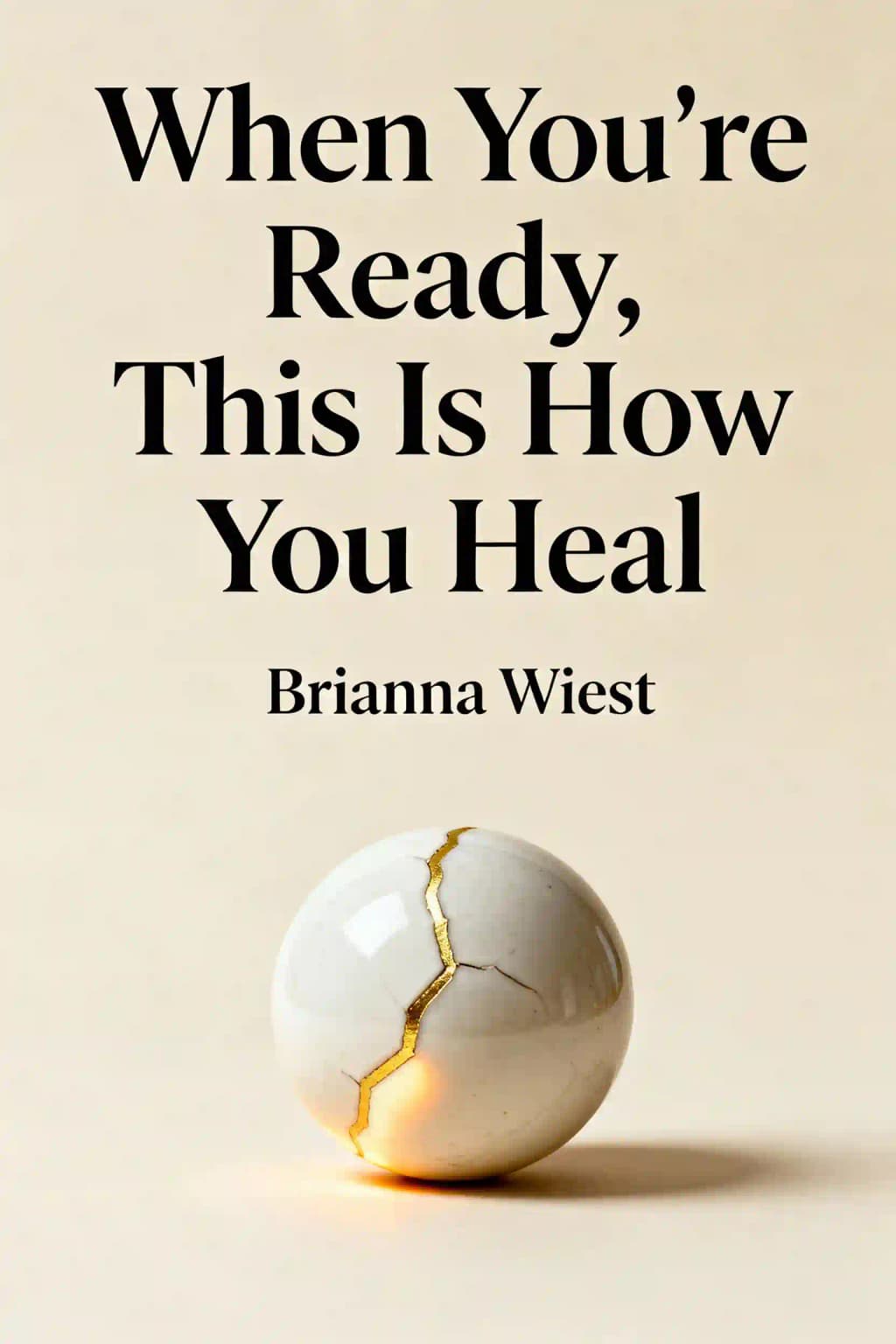
When You're Ready, This Is How You Heal
Overview of When You're Ready, This Is How You Heal
In "When You're Ready, This Is How You Heal," Brianna Wiest offers a compassionate roadmap through personal transformation. With over 68,000 readers giving it 4.26 stars, this 235-page companion feels like having your own healing champion. What painful truth are you finally ready to face?

Key Themes in When You're Ready, This Is How You Heal
- emotional processing
- releasing toxic attachments
- unprocessed trauma
- radical self-acceptance
- micro-habit transformation
Quotes from When You're Ready, This Is How You Heal
One-sided relationships aren't love but attachment.
Stop showing up out of obligation, pity, or fear of not being liked.
Your digital environment profoundly impacts your mental state.
Rest when your body signals the need without labeling it as laziness.
Characters in When You're Ready, This Is How You Heal
- Brianna WiestAuthor and guide on personal transformation
About the Author
About the Author of When You're Ready, This Is How You Heal
Brianna Wiest, bestselling author of When You’re Ready, This Is How You Heal and a leading voice in self-help and personal growth, merges introspection with actionable wisdom in her work. A graduate of Elizabethtown College with degrees in English and an honorary doctorate in literature, Wiest channels her background in journalism (Forbes, Teen Vogue) and years of meditation practice into explorations of healing, self-awareness, and emotional resilience.
Her bestselling titles, including The Mountain Is You and 101 Essays That Will Change The Way You Think, have sold millions of copies worldwide, resonating with readers through themes of empowerment and transformative self-inquiry.
Wiest’s insights are regularly featured in outlets like The New York Times, Harper’s BAZAAR, and Inc., and she has appeared on platforms such as The Today Show. As a partner at Thought Catalog, she champions accessible, thought-provoking content that bridges personal development with modern life. Her books, translated into over 40 languages, are frequently cited by mental health professionals and recommended in global bestseller lists, solidifying her status as a trusted guide for readers navigating inner transformation.
Download Summary of When You're Ready, This Is How You Heal
Get the When You're Ready, This Is How You Heal summary as a free PDF or EPUB. Print it or read offline anytime.
FAQs About This Book
When You’re Ready, This Is How You Heal by Brianna Wiest explores healing as a nonlinear, lifelong journey of self-discovery and transformation. Through 45+ reflective essays, it redefines healing as a process of awakening from unconscious patterns, embracing loss as a catalyst for growth, and rebuilding one’s identity with intentionality. Key themes include reframing pain, cultivating self-awareness, and aligning with one’s true purpose.
This book is ideal for individuals navigating life transitions, such as breakups, career shifts, or existential uncertainty. It resonates with readers seeking actionable tools for emotional wellness, self-reflection, and reclaiming agency over their narrative. Those drawn to introspective, philosophy-adjacent self-help will find Wiest’s blend of psychology and metaphor particularly impactful.
Yes—readers praise its transformative reframing of healing as an ongoing practice rather than a destination. Reviews highlight its “life-affirming pep talks,” practical exercises, and relatable insights on overcoming emotional barriers. However, some note its abstract style may require slower, more deliberate engagement compared to step-by-step guides.
- Healing as awakening: Loss disrupts outdated self-narratives, creating space for conscious rebirth.
- Self-reconstruction: Replacing conditioned personas with authentic identity through mindful choice.
- Purpose through pain: Viewing adversity as a catalyst to unlock dormant potential.
- Nonlinear progress: Embracing setbacks as integral to growth, not failures.
Wiest describes healing as a process of “changing how you write your entire life story,” not just resolving past trauma. It involves shedding societal expectations, confronting subconscious patterns, and rebuilding from a place of self-honesty. Healing requires active participation in self-discovery rather than passive recovery.
- On purpose: “What you build post-loss will be so profound, you’ll realize the loss was part of the plan”.
- On transformation: “Healing is waking from the trance of who you thought you had to be”.
- On courage: “You heal by choosing what hurts now to avoid suffering forever”.
While both offer philosophical self-help, When You’re Ready focuses specifically on post-trauma transformation through structured frameworks. It provides more concrete exercises for identity reconstruction compared to 101 Essays’ broader thematic exploration. Fans appreciate its deeper dive into emotional resilience.
Yes—essays address releasing attachment to “forced” connections, reframing rejection as redirection, and nurturing self-worth independent of others’ validation. Readers credit it with fostering healthier post-breakup mindsets and boundaries.
Some reviewers find certain essays repetitive or overly abstract for readers preferring direct advice. The reflective style demands personal interpretation, which may frustrate those seeking clear action plans. However, most agree its strengths outweigh these limitations.
Wiest frames self-sabotage as protection mechanisms from outdated survival strategies. Chapters guide readers in identifying these patterns, compassionately dismantling them, and replacing fear-based choices with aligned action.
Yes—it reframes professional pivots as opportunities for reinvention. Essays discuss releasing “shoulds,” aligning work with core values, and viewing unemployment or dissatisfaction as catalysts for purposeful change.
Key exercises include:
- Narrative rewriting: Editing personal stories from a growth lens.
- Emotional mapping: Identifying physical sensations tied to unresolved pain.
- Future self-visualization: Journaling from the perspective of one’s healed identity.
Unlike quick-fix approaches, Wiest rejects “toxic positivity,” emphasizing that true healing involves confronting discomfort to achieve lasting change. This aligns with trauma-informed therapy principles, distinguishing it from superficial “think positive” methodologies.