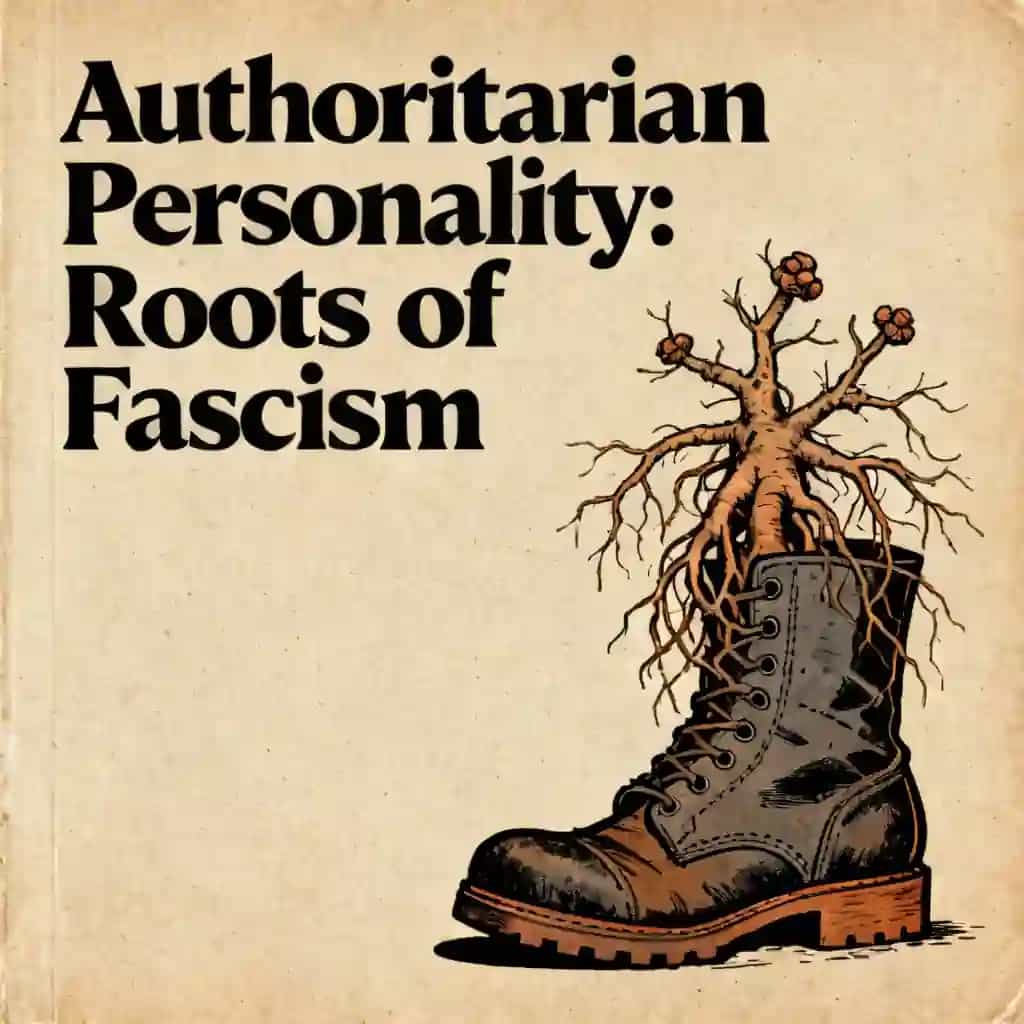
The true believer: thoughts on the nature of mass movements by Eric Hoffer Summary

Overview of The true believer
Why do ordinary people join fanatical movements? "The True Believer" reveals the psychology behind mass movements, from Nazism to modern populism. Presidential Medal recipient Eric Hoffer's classic, praised by Reagan, explains why frustrated individuals surrender to charismatic leaders promising radical change.
- Mass movements thrive on personal frustration, not ideological conviction, to recruit followers.
- True believers exchange self-identity for collective purpose to escape existential emptiness.
- Hatred of a common enemy unites movements more effectively than shared ideals.
- Charismatic leaders exploit followers’ need for belonging, not loyalty to specific doctrines.
- Self-sacrifice becomes appealing when individuals perceive their lives as devoid of meaning.
- Mass movements weaken family ties to prioritize absolute devotion to the cause.
- Fanaticism persists through denial of reality, not strength of belief or evidence.
- Boredom and social isolation drive recruitment more than poverty or oppression.
- Successful movements replace critical thinking with certitude, even through absurd doctrines.
- Democratic societies resist mass movements by fostering individualism and skepticism of leaders.
- The “true believer” archetype emerges when hope for change outweighs fear of loss.
- Movements fail when they accommodate diversity of thought instead of demanding conformity.
About the Author of The true believer
Eric Hoffer (1902–1983) was a self-educated longshoreman and social philosopher. He authored The True Believer, a seminal exploration of mass movements that remains a cornerstone of political psychology.
Born to immigrant parents in New York City, Hoffer’s early life was marked by blindness, poverty, and years as a migrant worker. These experiences shaped his penetrating insights into fanaticism and societal change.
His blue-collar perspective lent authenticity to works like The Ordeal of Change and The Passionate State of Mind, which dissect human resilience and ideological fervor through aphoristic prose. Awarded the Presidential Medal of Freedom in 1983, Hoffer’s legacy endures through the Eric Hoffer Book Award and academic prizes at UC Berkeley.
The True Believer, translated into over 20 languages, has been cited in congressional testimony and studied by leaders worldwide for its timeless analysis of collective behavior.
FAQs About The true believer
What is The True Believer by Eric Hoffer about?
The True Believer analyzes why individuals join destructive mass movements, arguing that frustration, self-doubt, and a craving for identity drive people to surrender individuality for collective causes. Hoffer explores how movements—from religious cults to political ideologies—exploit personal dissatisfaction, offering purpose through fanatical devotion. Originally published in 1951, it remains a seminal work on group psychology and extremism.
Who should read The True Believer?
This book is essential for readers interested in psychology, political science, or history. It’s particularly relevant for understanding modern extremism, populism, and societal unrest. Students of human behavior, leaders managing organizational change, and those curious about the roots of fanaticism will find Hoffer’s insights timeless.
What are the main ideas in The True Believer?
Key concepts include:
- Frustration as fuel: Marginalized individuals seek escape from failure through movements.
- Interchangeable ideologies: Followers care less about a cause’s specifics than its promise of transformation.
- Collective identity: Movements thrive by replacing self-worth with group belonging.
- Destructive sacrifice: True believers often prioritize the cause over morality or survival.
How does Eric Hoffer explain the appeal of mass movements?
Hoffer argues movements attract those feeling “unwanted selves” by offering pride, hope, and vengeance against perceived injustices. By subsuming individuality, followers gain purpose—even if it means supporting violence or irrational doctrines. This psychological escape from inadequacy explains why ideologies as diverse as fascism and communism recruit similar personalities.
What famous quotes come from The True Believer?
- “When hopes and dreams are loose in the streets, it is well for the timid to lock doors.”
- “Hatred is the most accessible and comprehensive of all unifying agents.” These lines underscore Hoffer’s view that mass movements weaponize idealism and division.
How does The True Believer apply to modern society?
The book’s analysis of grievance-fueled polarization, social media radicalization, and ideological echo chambers remains strikingly relevant. Hoffer’s framework helps explain 21st-century phenomena like online extremism, political cults, and “cancel culture” as modern iterations of mass movement psychology.
What criticisms exist about The True Believer?
Some scholars argue Hoffer oversimplifies complex socio-economic factors driving movements. Others note his aphoristic style lacks empirical data, relying heavily on historical observation. Despite this, the book’s psychological insights continue influencing political and behavioral studies.
How does The True Believer compare to 1984 or Brave New World?
While Orwell and Huxley fictionalize dystopian control, Hoffer provides a non-fiction framework for why populations comply. All three works explore identity loss under authoritarianism, but The True Believer focuses on followers’ psychology rather than rulers’ tactics.
What is Eric Hoffer’s background?
A self-taught longshoreman with no formal education, Hoffer (1902–1983) wrote The True Believer while working San Francisco docks. His working-class perspective and study of 1930s extremism shaped his analysis. He later received the Presidential Medal of Freedom for his contributions to social philosophy.
Is The True Believer worth reading in 2025?
Yes—its examination of how crises breed radicalism makes it indispensable for navigating today’s volatile political climate. Hoffer’s warnings about the allure of simplistic solutions offer critical perspective on contemporary populist movements.
How does Hoffer suggest combating destructive mass movements?
He advocates fostering individual critical thinking, economic stability, and inclusive communities to reduce the “frustration reservoir” movements exploit. Hoffer warns that suppressing movements often strengthens them, emphasizing proactive societal health over reactive measures.
What lessons from The True Believer apply to leadership?
Leaders can:
- Recognize signs of collective frustration in teams
- Address root causes rather than ideological symptoms
- Avoid unifying groups through shared enemies Hoffer’s work cautions against manipulative rallying tactics that sacrifice long-term ethics for short-term cohesion.
Feel the book through the author's voice
Turn knowledge into engaging, example-rich insights
Capture key ideas in a flash for fast learning
Enjoy the book in a fun and engaging way
Key Themes in The true believer
Quotes from The true believer
The movement provides ready-made answers to existential questions.
Every mass movement resembles migration toward a promised land.
Permanent misfits with irreparable defects find salvation only in complete separation from self.
Widespread boredom reliably indicates a society's ripeness for mass movements.
They 'infect people with a malady and then offer the movement as a cure.'
Characters in The true believer
Quick Summary Mode - Read or listen to The true believer Summary in 9 Minutes

Break down key ideas from The true believer into bite-sized takeaways to understand how innovative teams create, collaborate, and grow.

Flash Card Mode - Top 6 Insights from The true believer in a Nutshell

Distill The true believer into rapid-fire memory cues that highlight key principles of candor, teamwork, and creative resilience.

Fun Mode - The true believer Lessons Told Through 21-Min Stories

Experience The true believer through vivid storytelling that turns innovation lessons into moments you'll remember and apply.
Personalize Mode - Read or listen to The true believer Summary in 0 Minutes

Ask anything, pick the voice, and co-create insights that truly resonate with you.

From Columbia University alumni built in San Francisco
"Instead of endless scrolling, I just hit play on BeFreed. It saves me so much time."


"I never knew where to start with nonfiction—BeFreed’s book lists turned into podcasts gave me a clear path."


"Perfect balance between learning and entertainment. Finished ‘Thinking, Fast and Slow’ on my commute this week."
"Crazy how much I learned while walking the dog. BeFreed = small habits → big gains."
"Reading used to feel like a chore. Now it’s just part of my lifestyle."

"Feels effortless compared to reading. I’ve finished 6 books this month already."
"BeFreed turned my guilty doomscrolling into something that feels productive and inspiring."

"BeFreed turned my commute into learning time. 20-min podcasts are perfect for finishing books I never had time for."
"BeFreed replaced my podcast queue. Imagine Spotify for books — that’s it. 🙌"

"It is great for me to learn something from the book without reading it."
"The themed book list podcasts help me connect ideas across authors—like a guided audio journey."
"Makes me feel smarter every time before going to work"
From Columbia University alumni built in San Francisco
"Instead of endless scrolling, I just hit play on BeFreed. It saves me so much time."
"I never knew where to start with nonfiction—BeFreed’s book lists turned into podcasts gave me a clear path."
"Perfect balance between learning and entertainment. Finished ‘Thinking, Fast and Slow’ on my commute this week."
"Crazy how much I learned while walking the dog. BeFreed = small habits → big gains."
"Reading used to feel like a chore. Now it’s just part of my lifestyle."
"Feels effortless compared to reading. I’ve finished 6 books this month already."
"BeFreed turned my guilty doomscrolling into something that feels productive and inspiring."
"BeFreed turned my commute into learning time. 20-min podcasts are perfect for finishing books I never had time for."
"BeFreed replaced my podcast queue. Imagine Spotify for books — that’s it. 🙌"
"It is great for me to learn something from the book without reading it."
"The themed book list podcasts help me connect ideas across authors—like a guided audio journey."
"Makes me feel smarter every time before going to work"
"Instead of endless scrolling, I just hit play on BeFreed. It saves me so much time."
"I never knew where to start with nonfiction—BeFreed’s book lists turned into podcasts gave me a clear path."
"Perfect balance between learning and entertainment. Finished ‘Thinking, Fast and Slow’ on my commute this week."
"Crazy how much I learned while walking the dog. BeFreed = small habits → big gains."
"Reading used to feel like a chore. Now it’s just part of my lifestyle."
"Feels effortless compared to reading. I’ve finished 6 books this month already."
"BeFreed turned my guilty doomscrolling into something that feels productive and inspiring."
"BeFreed turned my commute into learning time. 20-min podcasts are perfect for finishing books I never had time for."
"BeFreed replaced my podcast queue. Imagine Spotify for books — that’s it. 🙌"
"It is great for me to learn something from the book without reading it."
"The themed book list podcasts help me connect ideas across authors—like a guided audio journey."
"Makes me feel smarter every time before going to work"
"Instead of endless scrolling, I just hit play on BeFreed. It saves me so much time."
"I never knew where to start with nonfiction—BeFreed’s book lists turned into podcasts gave me a clear path."
"Perfect balance between learning and entertainment. Finished ‘Thinking, Fast and Slow’ on my commute this week."
"Crazy how much I learned while walking the dog. BeFreed = small habits → big gains."
"Reading used to feel like a chore. Now it’s just part of my lifestyle."
"Feels effortless compared to reading. I’ve finished 6 books this month already."
"BeFreed turned my guilty doomscrolling into something that feels productive and inspiring."
"BeFreed turned my commute into learning time. 20-min podcasts are perfect for finishing books I never had time for."
"BeFreed replaced my podcast queue. Imagine Spotify for books — that’s it. 🙌"
"It is great for me to learn something from the book without reading it."
"The themed book list podcasts help me connect ideas across authors—like a guided audio journey."
"Makes me feel smarter every time before going to work"

Get the The true believer summary as a free PDF or EPUB. Print it or read offline anytime.