Quiet: The Power of Introverts by Susan Cain Summary

Overview of Quiet
In a world that celebrates extroverts, "Quiet" reveals the untapped power of introverts. Endorsed by Bill Gates, this bestseller translated into 40+ languages sparked a cultural revolution, challenging workplace dynamics and education systems. What if your introversion is actually your superpower?
- Susan Cain’s "Quiet" debunks the extrovert ideal favoring charisma over quiet leadership.
- Introverts thrive in solitude, generating creativity through deep focus over group collaboration.
- The New Groupthink myth prioritizes teamwork but stifles introverted innovation and productivity.
- One-third of people are introverts, excelling in reflection and strategic problem-solving.
- "Culture of Character" values integrity over the "Culture of Personality’s" social performance.
- Introversion stems from sensitivity to stimulation, not shyness or lack of confidence.
- Schools and workplaces undervalue introverts’ strengths: listening, analysis, and independent work.
- Psychological safety unlocks introverts’ contributions in meetings and collaborative environments.
- Redefine leadership beyond charisma—quiet resolve drives lasting change, like Rosa Parks.
- Eastern cultures model embracing introversion through meditation and contemplative practices.
- Authentic self-expression beats forced extroversion for career growth and personal fulfillment.
- "Quiet" proves introverts’ power: Einstein and Wozniak succeeded through solitary innovation.
About the Author of Quiet
Susan Cain is the New York Times bestselling author of Quiet: The Power of Introverts in a World That Can’t Stop Talking and a leading authority on introversion and workplace dynamics. A former corporate lawyer and Harvard Law School graduate, Cain combines research in psychology and neuroscience with personal insights to challenge societal biases favoring extroversion. Her TED Talk on the subject, viewed over 40 million times, cemented her status as a global advocate for introverts.
Cain’s work, spanning psychology, self-help, and business genres, explores how introverted traits like deep focus, empathy, and strategic thinking drive innovation and leadership. She draws from her experience negotiating high-stakes deals on Wall Street and her lectures at institutions like Princeton and the United Nations.
Quiet, translated into 40+ languages and selling over 2 million copies worldwide, revolutionized conversations about personality in education, corporate culture, and parenting. Cain co-founded the Quiet Leadership Institute and hosts the Quiet Conversations podcast, offering tools for introverts to thrive. The book has been featured on NPR, The Atlantic, and Stanford Business School curricula, solidifying its legacy as a modern classic.
FAQs About Quiet
What is Quiet: The Power of Introverts about?
Susan Cain’s Quiet argues that Western culture undervalues introverts, exploring how their traits like deep focus, creativity, and thoughtful leadership benefit workplaces, schools, and relationships. The book blends neuroscience, psychology, and case studies (like Rosa Parks’ activism) to challenge the “extrovert ideal” and show how introverts thrive in environments valuing quiet persistence over loud charisma.
Who should read Quiet: The Power of Introverts?
This book is essential for introverts seeking validation, extroverts aiming to collaborate effectively, and leaders/educators building inclusive teams. Professionals in high-stimulation fields like finance, law, or academia will gain strategies to leverage introverted strengths, while parents learn to support quiet children without pushing extroversion.
Is Quiet: The Power of Introverts worth reading?
Yes: it combines rigorous research with actionable advice, selling over 2 million copies since 2012. Readers praise its insights into minimizing workplace bias, negotiating effectively as an introvert, and embracing quiet leadership. Critics note it occasionally oversimplifies shyness vs. introversion but agree it’s transformative for personal growth.
What are the main concepts in Quiet: The Power of Introverts?
- The Extrovert Ideal: How Western culture shifted from valuing character to personality, privileging outgoing traits.
- Restorative Niches: Spaces where introverts recharge, critical for productivity.
- “New Groupthink”: Why brainstorming sessions fail introverts, who excel in solitary deep work.
- Cortical Arousal: Biological differences in stimulation sensitivity between introverts/extroverts.
How does Quiet differentiate introversion from shyness?
Introversion refers to preferring low-stimulation environments, while shyness stems from social anxiety. Cain clarifies introverts aren’t antisocial but thrive in meaningful one-on-one interactions. For example, Rosa Parks’ quiet defiance exemplified introverted leadership, contrasting with stereotypes of passivity.
What workplace advantages do introverts have, according to Quiet?
Introverts excel as listeners, negotiators, and crisis managers due to their caution and empathy. The book cites studies showing introverted CEOs often outperform extroverts in complex industries, as they empower teams rather than dominate discussions.
What are key quotes from Quiet: The Power of Introverts?
- “There’s zero correlation between being the best talker and having the best ideas.” Highlights the fallacy of equating loudness with competence.
- “Love is essential; gregariousness is optional.” Emphasizes introverts’ capacity for deep relationships.
- “Everyone shines, given the right lighting.” Advocates for environments nurturing diverse temperaments.
What criticisms exist about Quiet: The Power of Introverts?
Some argue Cain overstates introvert-extrovert binaries and downplays cultural differences in temperament. Others note the book focuses heavily on white-collar contexts, though its core themes (e.g., redefining leadership) remain broadly applicable.
How does Quiet advise introverts on public speaking?
Cain recommends thorough preparation, focusing on personal passion rather than performance. She shares techniques like scripting key points to reduce overstimulation, citing her TED Talk experience as proof introverts can master public platforms.
How does Quiet compare to The Introvert Advantage or Dare to Lead?
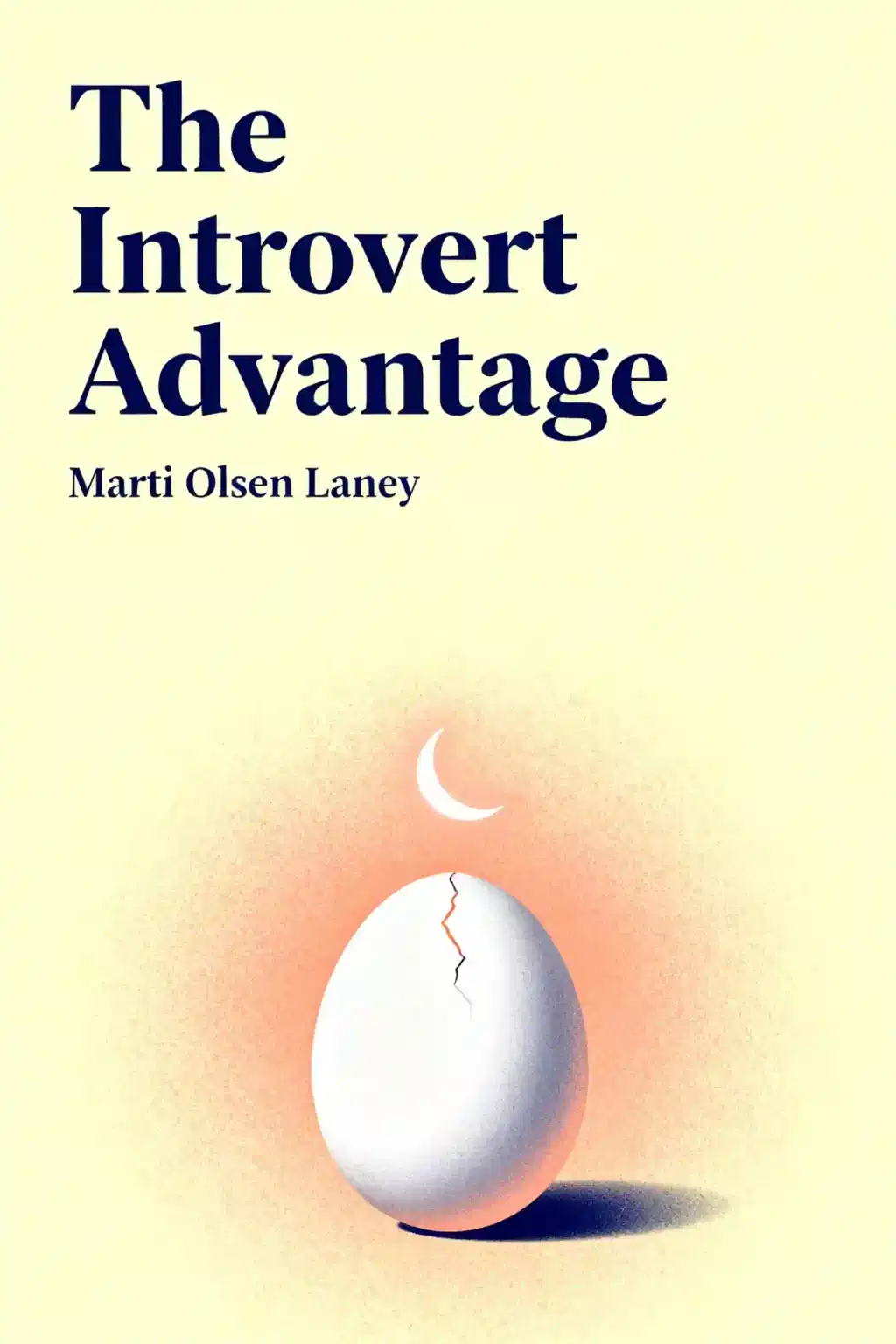
While The Introvert Advantage focuses on daily living tips, Quiet emphasizes systemic cultural change. Contrasted with Brené Brown’s Dare to Lead (which addresses all leaders), Cain specifically tailors strategies for quiet personalities in loud environments.
Why is Quiet relevant in 2025’s remote-work era?
Hybrid workplaces now prioritize deep work and written communication – areas where introverts excel. Cain’s advocacy for asynchronous collaboration and “focus hours” aligns with modern productivity trends, making the book a resource for managing distributed teams.
Can extroverts benefit from reading Quiet?
Absolutely: the book teaches extroverts to recognize quieter colleagues’ contributions, design inclusive meetings (e.g., pre-sharing agendas), and balance group/individual workstyles. Cain shows collaboration improves when extroverts “step back” to let introverts “step up”.
What real-life applications does Quiet suggest for introverts?
- Career Negotiations: Use calm persistence over aggressive tactics.
- Parenting: Create low-stimulation spaces for introverted children.
- Leadership: Lead through active listening and written feedback.
- Socializing: Prioritize quality connections over forced networking.
How does Quiet address the link between extroversion and risk-taking?
Cain ties the 2008 financial crisis to extroverted leaders’ overconfidence, contrasting introverts’ cautious decision-making. She advises teams to balance both temperaments – extroverts to propose ideas, introverts to vet risks – preventing groupthink in high-stakes environments.
Feel the book through the author's voice
Turn knowledge into engaging, example-rich insights
Capture key ideas in a flash for fast learning
Enjoy the book in a fun and engaging way
Key Themes in Quiet
Quotes from Quiet
The secret to life is to put yourself in the right lighting. For some, it’s a Broadway spotlight; for others, a lamplit desk.
There's zero correlation between being the best talker and having the best ideas.
Introverts may have strong social skills and enjoy parties, but after a while wish they were home in their pajamas.
Love is essential; gregariousness is optional.
The glory of the disposition that stops to consider stimuli rather than rushing to engage.
Characters in Quiet
Quick Summary Mode - Read or listen to Quiet Summary in 9 Minutes

Break down key ideas from Quiet into bite-sized takeaways to understand how innovative teams create, collaborate, and grow.

Flash Card Mode - Top 10 Insights from Quiet in a Nutshell

Distill Quiet into rapid-fire memory cues that highlight key principles of candor, teamwork, and creative resilience.

Fun Mode - Quiet Lessons Told Through 24-Min Stories

Experience Quiet through vivid storytelling that turns innovation lessons into moments you'll remember and apply.
Personalize Mode - Read or listen to Quiet Summary in 0 Minutes

Ask anything, pick the voice, and co-create insights that truly resonate with you.

From Columbia University alumni built in San Francisco
"Instead of endless scrolling, I just hit play on BeFreed. It saves me so much time."


"I never knew where to start with nonfiction—BeFreed’s book lists turned into podcasts gave me a clear path."


"Perfect balance between learning and entertainment. Finished ‘Thinking, Fast and Slow’ on my commute this week."
"Crazy how much I learned while walking the dog. BeFreed = small habits → big gains."
"Reading used to feel like a chore. Now it’s just part of my lifestyle."

"Feels effortless compared to reading. I’ve finished 6 books this month already."
"BeFreed turned my guilty doomscrolling into something that feels productive and inspiring."

"BeFreed turned my commute into learning time. 20-min podcasts are perfect for finishing books I never had time for."
"BeFreed replaced my podcast queue. Imagine Spotify for books — that’s it. 🙌"

"It is great for me to learn something from the book without reading it."
"The themed book list podcasts help me connect ideas across authors—like a guided audio journey."
"Makes me feel smarter every time before going to work"
From Columbia University alumni built in San Francisco
"Instead of endless scrolling, I just hit play on BeFreed. It saves me so much time."
"I never knew where to start with nonfiction—BeFreed’s book lists turned into podcasts gave me a clear path."
"Perfect balance between learning and entertainment. Finished ‘Thinking, Fast and Slow’ on my commute this week."
"Crazy how much I learned while walking the dog. BeFreed = small habits → big gains."
"Reading used to feel like a chore. Now it’s just part of my lifestyle."
"Feels effortless compared to reading. I’ve finished 6 books this month already."
"BeFreed turned my guilty doomscrolling into something that feels productive and inspiring."
"BeFreed turned my commute into learning time. 20-min podcasts are perfect for finishing books I never had time for."
"BeFreed replaced my podcast queue. Imagine Spotify for books — that’s it. 🙌"
"It is great for me to learn something from the book without reading it."
"The themed book list podcasts help me connect ideas across authors—like a guided audio journey."
"Makes me feel smarter every time before going to work"
"Instead of endless scrolling, I just hit play on BeFreed. It saves me so much time."
"I never knew where to start with nonfiction—BeFreed’s book lists turned into podcasts gave me a clear path."
"Perfect balance between learning and entertainment. Finished ‘Thinking, Fast and Slow’ on my commute this week."
"Crazy how much I learned while walking the dog. BeFreed = small habits → big gains."
"Reading used to feel like a chore. Now it’s just part of my lifestyle."
"Feels effortless compared to reading. I’ve finished 6 books this month already."
"BeFreed turned my guilty doomscrolling into something that feels productive and inspiring."
"BeFreed turned my commute into learning time. 20-min podcasts are perfect for finishing books I never had time for."
"BeFreed replaced my podcast queue. Imagine Spotify for books — that’s it. 🙌"
"It is great for me to learn something from the book without reading it."
"The themed book list podcasts help me connect ideas across authors—like a guided audio journey."
"Makes me feel smarter every time before going to work"
"Instead of endless scrolling, I just hit play on BeFreed. It saves me so much time."
"I never knew where to start with nonfiction—BeFreed’s book lists turned into podcasts gave me a clear path."
"Perfect balance between learning and entertainment. Finished ‘Thinking, Fast and Slow’ on my commute this week."
"Crazy how much I learned while walking the dog. BeFreed = small habits → big gains."
"Reading used to feel like a chore. Now it’s just part of my lifestyle."
"Feels effortless compared to reading. I’ve finished 6 books this month already."
"BeFreed turned my guilty doomscrolling into something that feels productive and inspiring."
"BeFreed turned my commute into learning time. 20-min podcasts are perfect for finishing books I never had time for."
"BeFreed replaced my podcast queue. Imagine Spotify for books — that’s it. 🙌"
"It is great for me to learn something from the book without reading it."
"The themed book list podcasts help me connect ideas across authors—like a guided audio journey."
"Makes me feel smarter every time before going to work"

Get the Quiet summary as a free PDF or EPUB. Print it or read offline anytime.