Why sex is harder to talk about than it should be
Growing up in a sex-avoidant home can make intimacy feel awkward. Learn how to break the silence and use micro-novelty to build a better pleasure cycle.

Лучшая цитата из Why sex is harder to talk about than it should be
It’s really about becoming the 'author' of your own sexual story instead of just an 'actor' in someone else’s play. Challenging those schemas is essential; they’re just mental blueprints, and blueprints can be redrawn.

Этот аудиоурок был создан участником сообщества BeFreed
Sex



Часто задаваемые вопросы
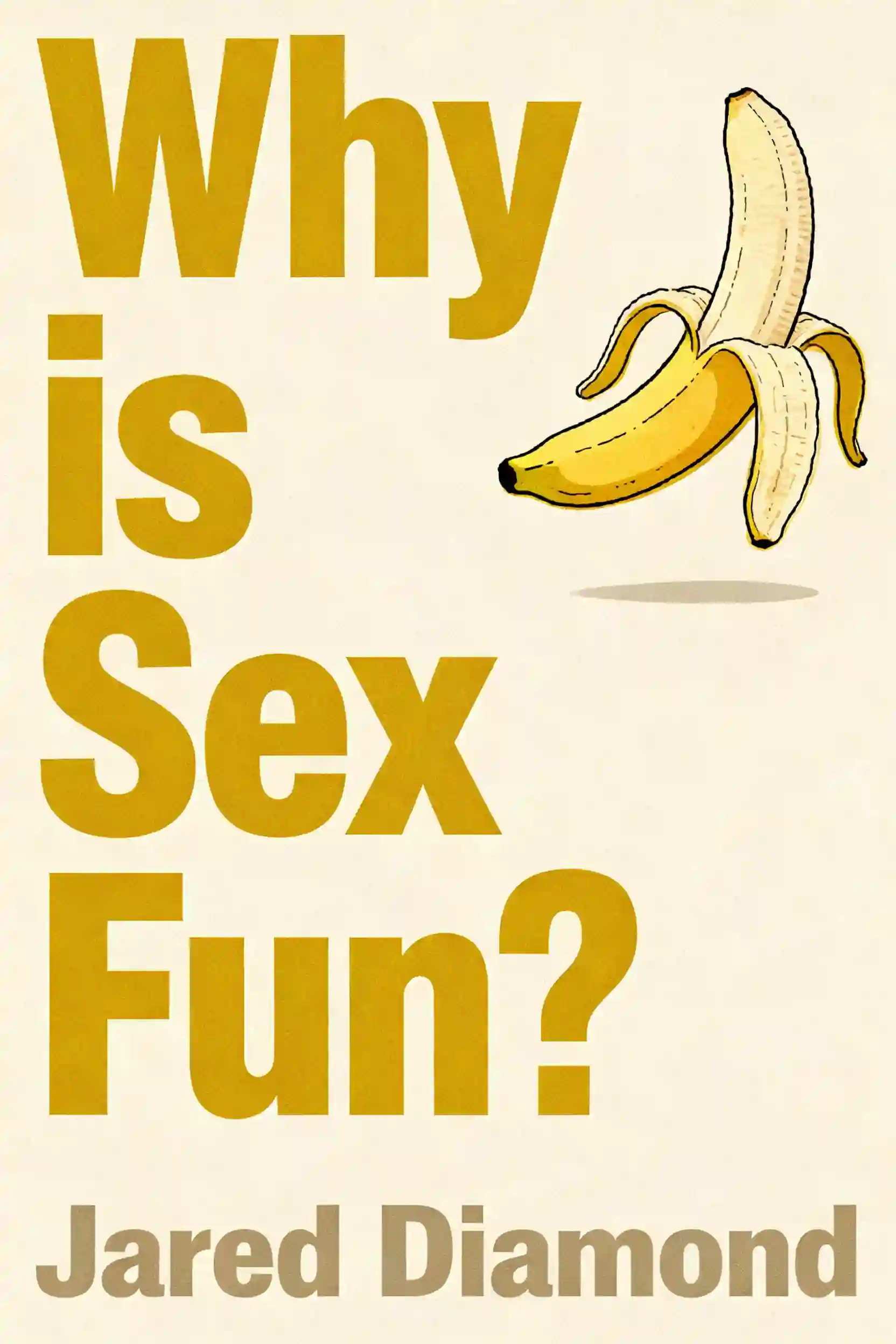
The orgasm gap refers to the statistical discrepancy in sexual satisfaction between men and women, specifically in heterosexual relationships. Data from the 2018 National Survey of Sexual Health and Behavior showed that 91% of men reported an orgasm at their last sexual event compared to only 64% of women. The script suggests this is not purely biological but is driven by "sexual scripts" that condition women to prioritize their partner's pleasure over their own. Interestingly, this gap nearly disappears in LGBTQIA+ relationships, where communication and a better understanding of similar bodies lead to higher satisfaction rates for both partners.
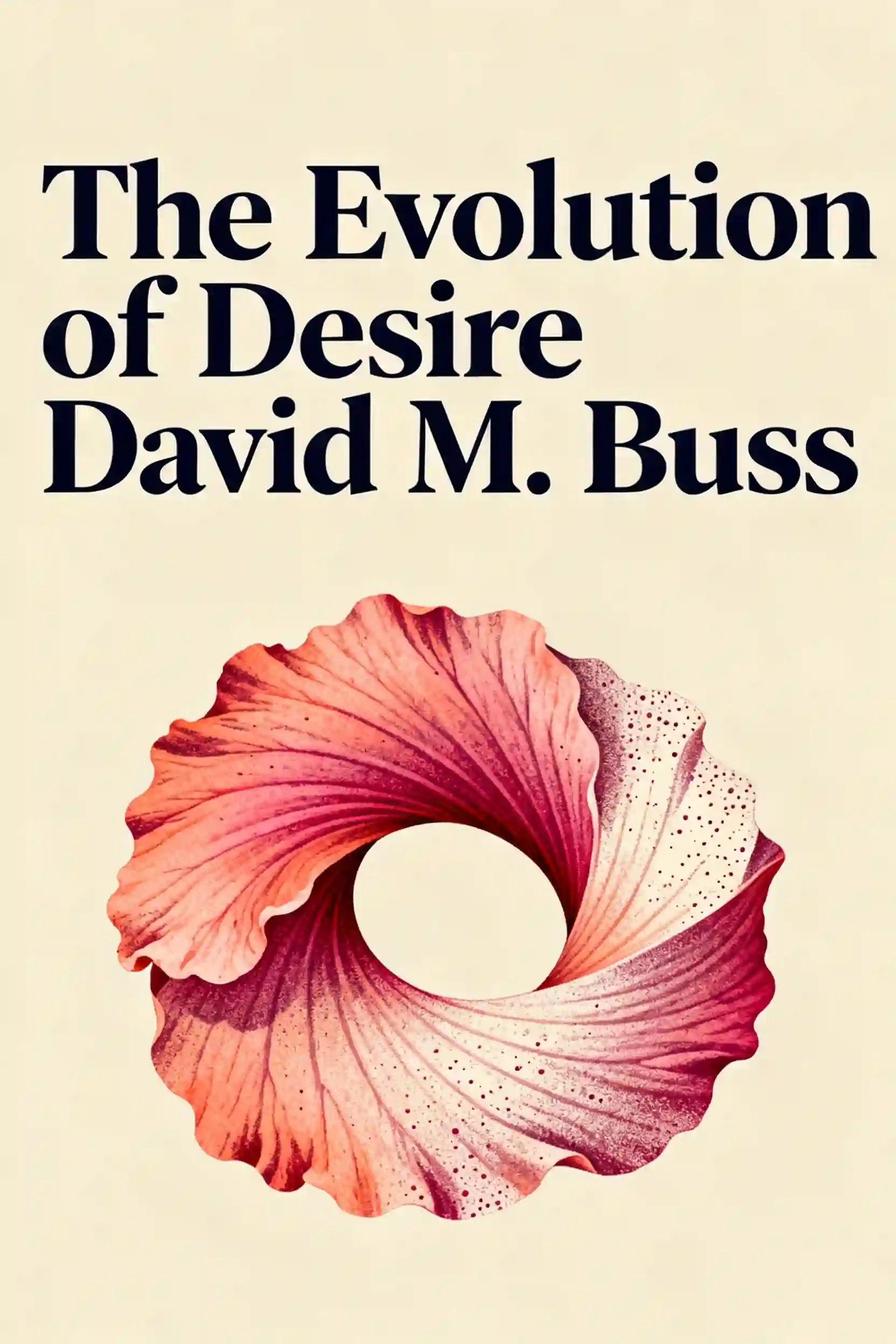
Developed by Robert Trivers in 1972, this theory posits that the sex investing more biological resources into offspring—typically the female due to gestation and nursing—tends to be more selective when choosing a mate. This leads to a focus on "quality over quantity," with a preference for partners who can provide resources and protection. Conversely, the sex with lower biological investment may compete more for access to mates. This evolutionary framework explains why studies across dozens of cultures show men often prioritizing physical markers of fertility while women often prioritize social status and ambition.
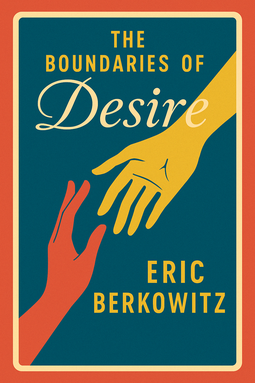
Sexual scripts are the "software" or mental blueprints provided by our culture and upbringing that tell us how to act in sexual situations. These scripts are often absorbed through social learning—observing parents, movies, or peers—and can dictate roles such as who should be aggressive or passive. Many people grow up in "sex-avoidant" homes where an information vacuum is filled by unrealistic media or porn. The script emphasizes that these scripts are socially constructed rather than biological truths, meaning individuals can "edit" or "rewrite" them to better suit their personal needs and values.
One of the most effective ways to boost satisfaction in long-term relationships is through "micro-novelty," which involves introducing just one new thing or change per month to break routine. Additionally, the script highlights the importance of "sexual self-efficacy," or the belief in one's ability to communicate needs successfully. Moving from "autoerotic" behaviors (like masturbation) to "dyadic" behaviors (sharing needs with a partner) and practicing "mentalization" (reflecting on one's own sexual concept) are key steps in building a healthier pleasure cycle based on mutual trust and tenderness.
Узнать больше

Sex skills
Sexual intimacy is a fundamental aspect of human connection and well-being, yet most people receive little to no practical education in this area. This learning plan benefits anyone seeking to enhance their intimate relationships, overcome insecurities, deepen partner connections, or transform their approach to sexuality from awkward uncertainty to confident mastery. Whether you're exploring intimacy for the first time or looking to reinvigorate long-term relationships, developing these skills creates more fulfilling connections and greater personal satisfaction.

Sexual mastery
This learning path addresses the widespread gap between cultural silence around sexuality and the human need for fulfilling intimate connection. It's designed for anyone seeking to move beyond shame, insecurity, or routine in their sexual life—whether exploring solo, deepening partnership intimacy, or recovering authentic desire after trauma or disconnection.

Break Shame and Build Sexual Confidence
Societal taboos often leave individuals feeling disconnected from their own desires and bodies. This learning plan is designed for anyone seeking to replace shame with self-assurance, providing a roadmap for those ready to transform their intimate lives through vulnerability and mindful connection.

Improve sexual communication in relationship
Effective communication is the cornerstone of a satisfying intimate life, yet many couples struggle to bridge the gap between desire and dialogue. This plan is designed for partners seeking to deepen their connection by mastering the art of vulnerability, boundary-setting, and long-term passion.

Improve Sex Life
Physical intimacy is deeply rooted in emotional connection and self-awareness, yet these skills are rarely taught. This plan is ideal for individuals or couples looking to move past routine and shame toward a more profound, mindful, and spiritually connected sexual experience.

Become more comfortable sexually
This learning plan is essential for anyone seeking to break free from inhibitions and foster a more authentic relationship with their body. It is designed for individuals and partners who want to bridge the gap between physical intimacy and emotional connection through proven communication and mindfulness techniques.

Sex, Health, Desire & Pleasure Relationships
This learning plan is essential for individuals and couples seeking to move beyond shame and misinformation toward a science-backed understanding of intimacy. It is designed for anyone looking to deepen emotional vulnerability, improve sexual communication, and revitalize their relationship with pleasure.

Have better sex
This plan is essential for individuals and couples looking to move beyond routine physical acts into deep, meaningful connection. It benefits anyone seeking to revitalize their intimate life through a blend of psychological safety, technical skill, and mindful presence.
Создано выпускниками Колумбийского университета в Сан-Франциско
"Instead of endless scrolling, I just hit play on BeFreed. It saves me so much time."


"I never knew where to start with nonfiction—BeFreed’s book lists turned into podcasts gave me a clear path."


"Perfect balance between learning and entertainment. Finished ‘Thinking, Fast and Slow’ on my commute this week."
"Crazy how much I learned while walking the dog. BeFreed = small habits → big gains."
"Reading used to feel like a chore. Now it’s just part of my lifestyle."

"Feels effortless compared to reading. I’ve finished 6 books this month already."
"BeFreed turned my guilty doomscrolling into something that feels productive and inspiring."

"BeFreed turned my commute into learning time. 20-min podcasts are perfect for finishing books I never had time for."
"BeFreed replaced my podcast queue. Imagine Spotify for books — that’s it. 🙌"

"It is great for me to learn something from the book without reading it."
"The themed book list podcasts help me connect ideas across authors—like a guided audio journey."
"Makes me feel smarter every time before going to work"
Создано выпускниками Колумбийского университета в Сан-Франциско
"Instead of endless scrolling, I just hit play on BeFreed. It saves me so much time."
"I never knew where to start with nonfiction—BeFreed’s book lists turned into podcasts gave me a clear path."
"Perfect balance between learning and entertainment. Finished ‘Thinking, Fast and Slow’ on my commute this week."
"Crazy how much I learned while walking the dog. BeFreed = small habits → big gains."
"Reading used to feel like a chore. Now it’s just part of my lifestyle."
"Feels effortless compared to reading. I’ve finished 6 books this month already."
"BeFreed turned my guilty doomscrolling into something that feels productive and inspiring."
"BeFreed turned my commute into learning time. 20-min podcasts are perfect for finishing books I never had time for."
"BeFreed replaced my podcast queue. Imagine Spotify for books — that’s it. 🙌"
"It is great for me to learn something from the book without reading it."
"The themed book list podcasts help me connect ideas across authors—like a guided audio journey."
"Makes me feel smarter every time before going to work"
"Instead of endless scrolling, I just hit play on BeFreed. It saves me so much time."
"I never knew where to start with nonfiction—BeFreed’s book lists turned into podcasts gave me a clear path."
"Perfect balance between learning and entertainment. Finished ‘Thinking, Fast and Slow’ on my commute this week."
"Crazy how much I learned while walking the dog. BeFreed = small habits → big gains."
"Reading used to feel like a chore. Now it’s just part of my lifestyle."
"Feels effortless compared to reading. I’ve finished 6 books this month already."
"BeFreed turned my guilty doomscrolling into something that feels productive and inspiring."
"BeFreed turned my commute into learning time. 20-min podcasts are perfect for finishing books I never had time for."
"BeFreed replaced my podcast queue. Imagine Spotify for books — that’s it. 🙌"
"It is great for me to learn something from the book without reading it."
"The themed book list podcasts help me connect ideas across authors—like a guided audio journey."
"Makes me feel smarter every time before going to work"
"Instead of endless scrolling, I just hit play on BeFreed. It saves me so much time."
"I never knew where to start with nonfiction—BeFreed’s book lists turned into podcasts gave me a clear path."
"Perfect balance between learning and entertainment. Finished ‘Thinking, Fast and Slow’ on my commute this week."
"Crazy how much I learned while walking the dog. BeFreed = small habits → big gains."
"Reading used to feel like a chore. Now it’s just part of my lifestyle."
"Feels effortless compared to reading. I’ve finished 6 books this month already."
"BeFreed turned my guilty doomscrolling into something that feels productive and inspiring."
"BeFreed turned my commute into learning time. 20-min podcasts are perfect for finishing books I never had time for."
"BeFreed replaced my podcast queue. Imagine Spotify for books — that’s it. 🙌"
"It is great for me to learn something from the book without reading it."
"The themed book list podcasts help me connect ideas across authors—like a guided audio journey."
"Makes me feel smarter every time before going to work"