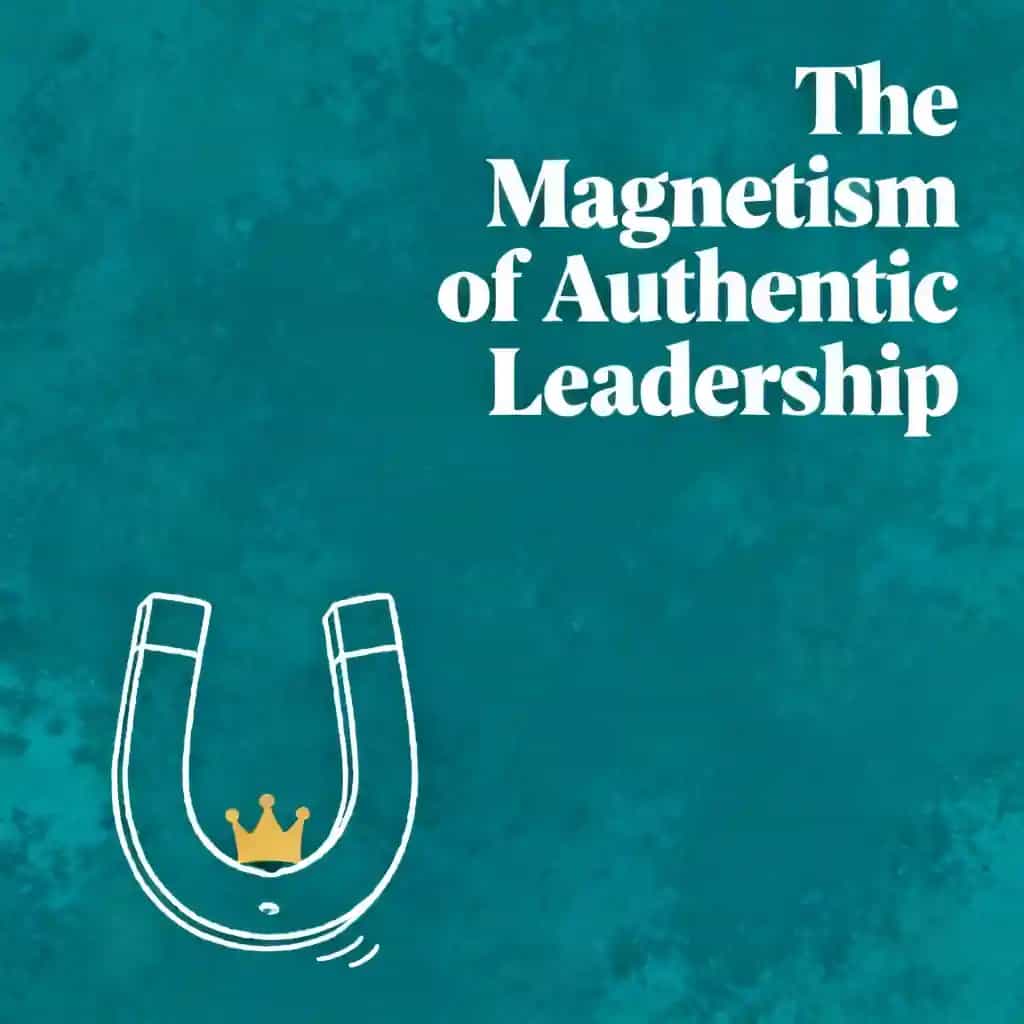
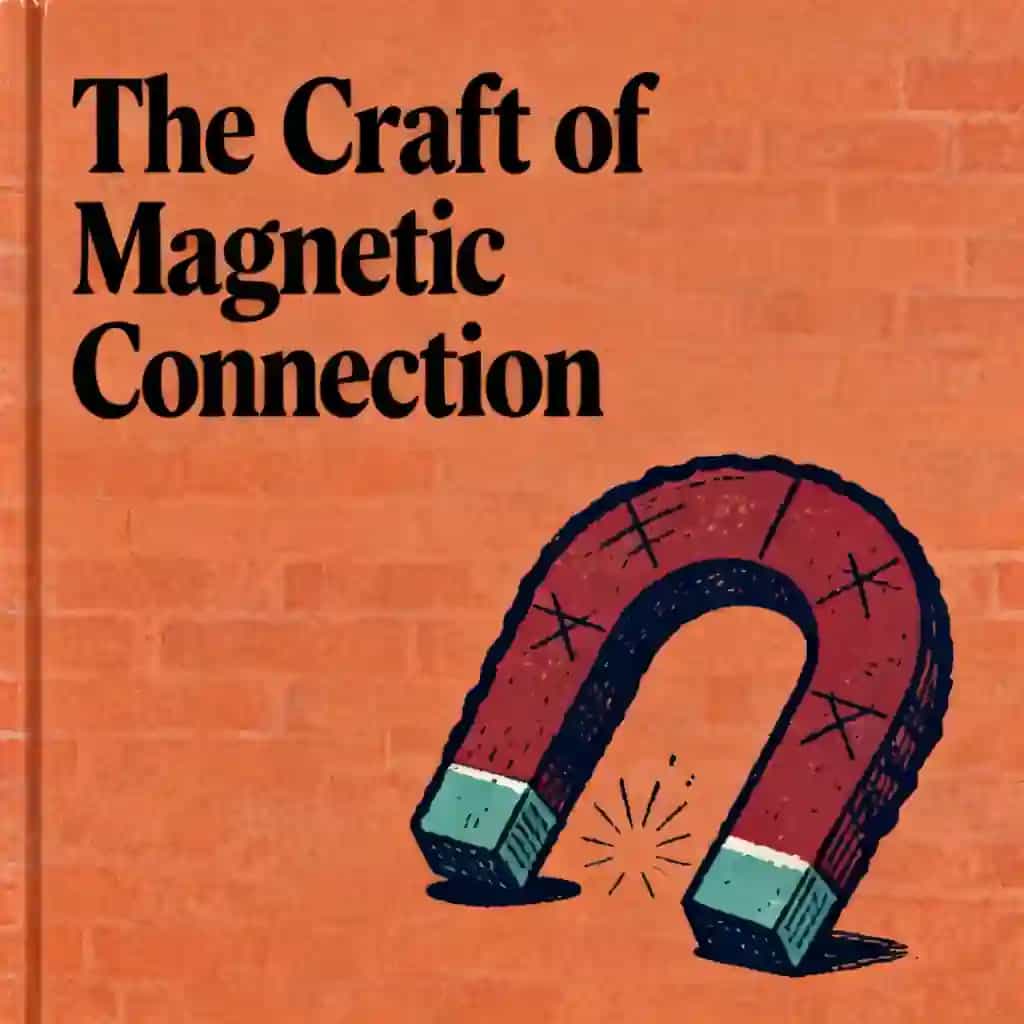
The Magnetism of No
Stop being the 'pizza' of people and start building authentic charisma. Learn how to break the validation habit, set firm boundaries, and trade the fawn response for magnetic self-esteem.

Лучшая цитата из The Magnetism of No
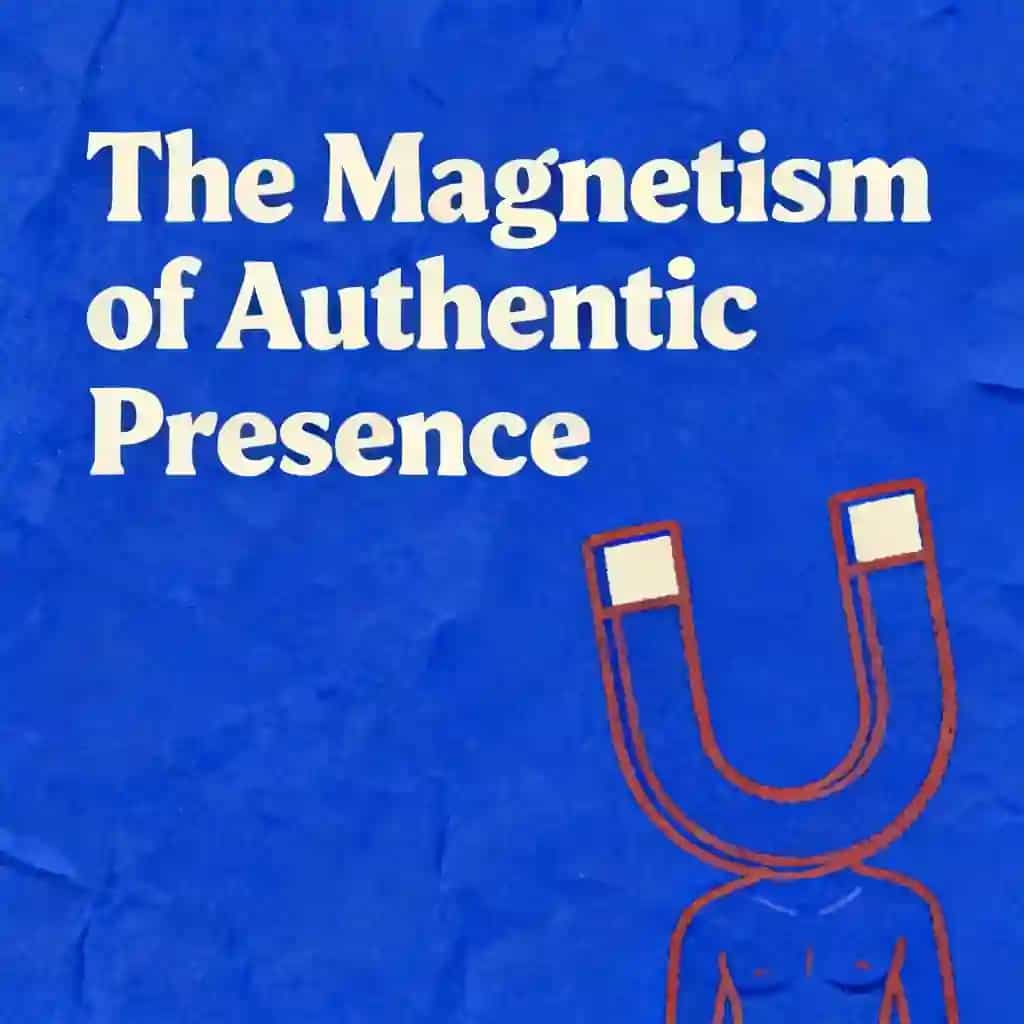
Magnetism comes from having a backbone, not from spinelessly pandering for affection. When you stop trying to fix everyone else’s emotions and start taking responsibility for your own, you become a grounding force in the room.
Generated by Mo
H how to become less of a people pleaser and also may be more magnetic

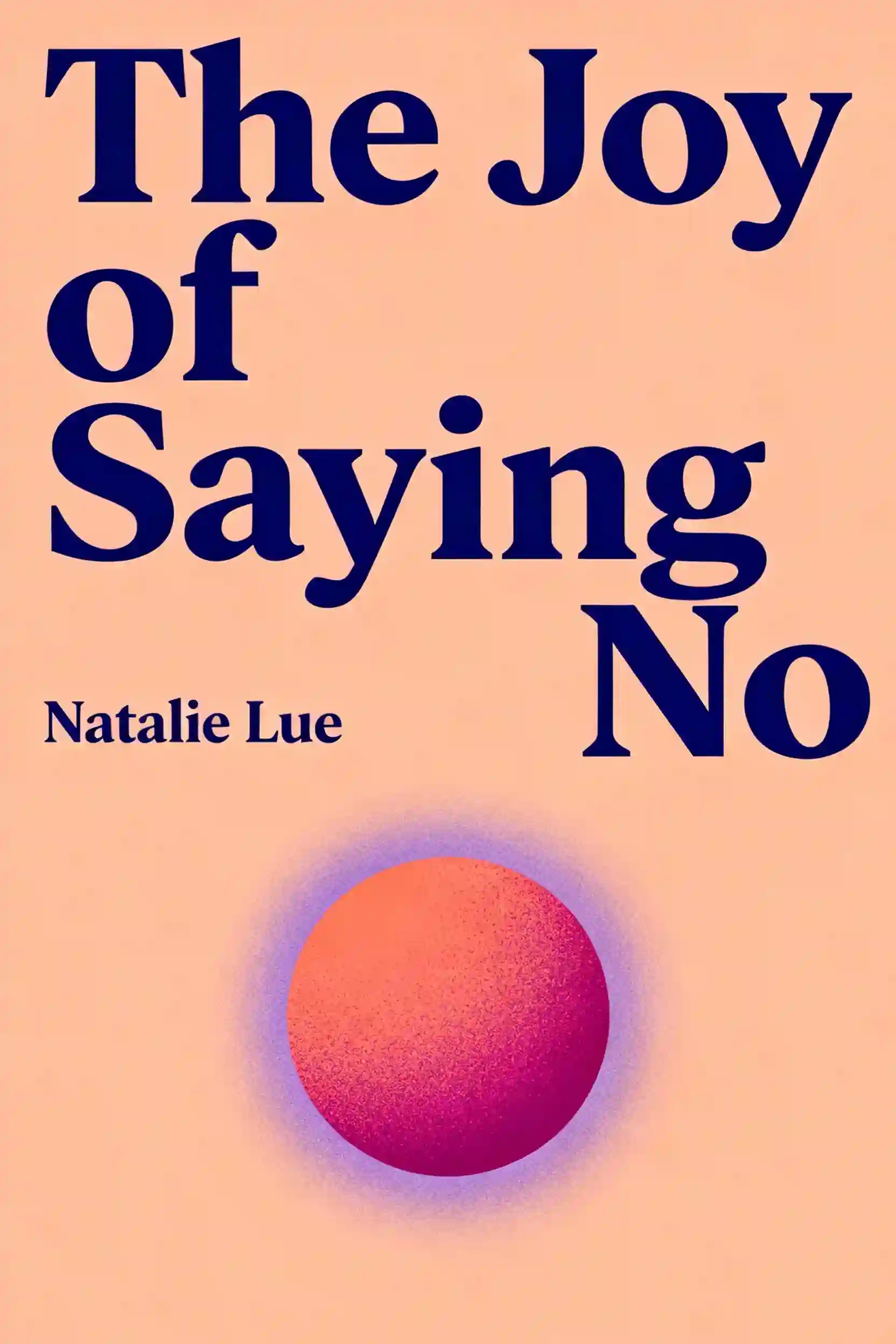
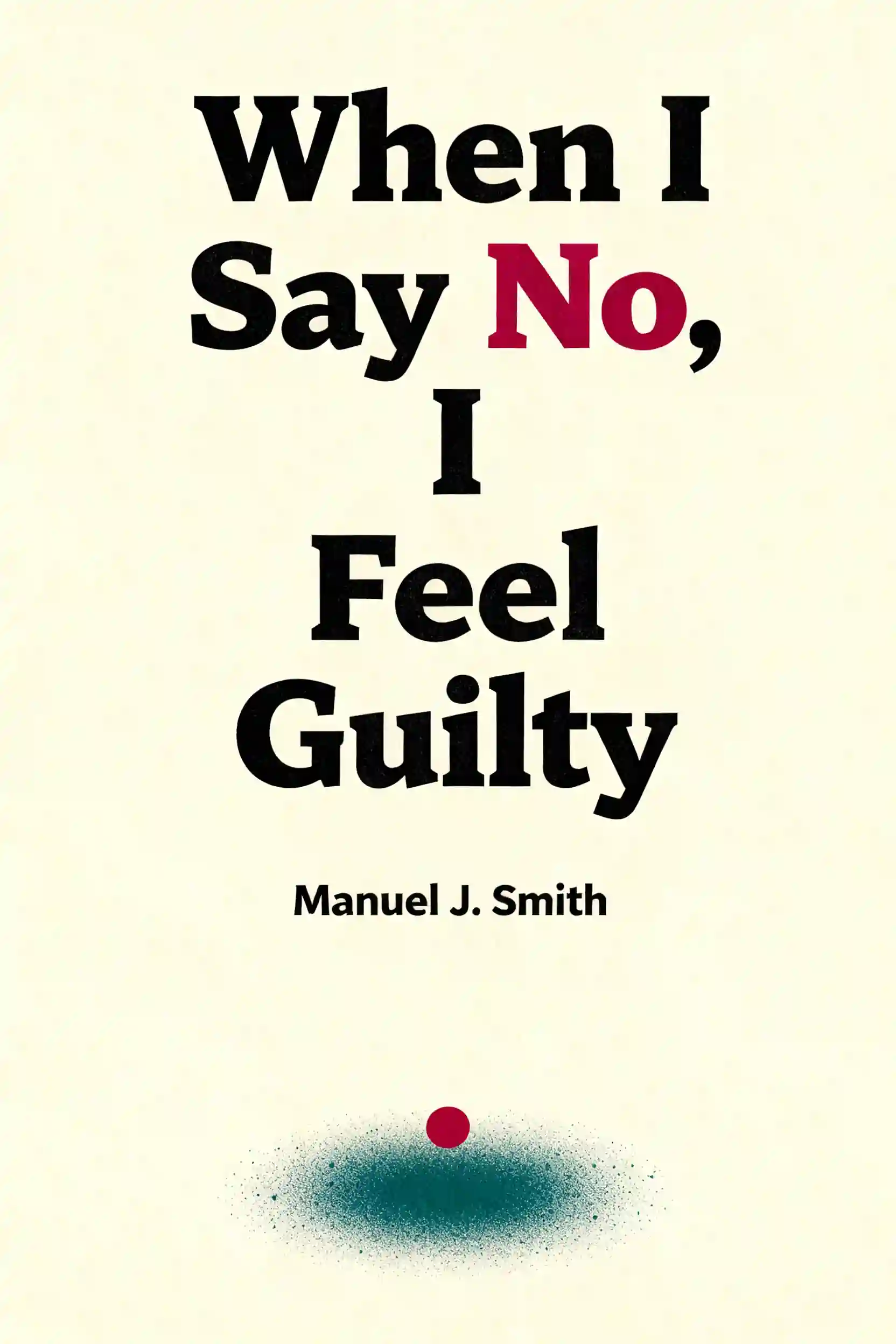
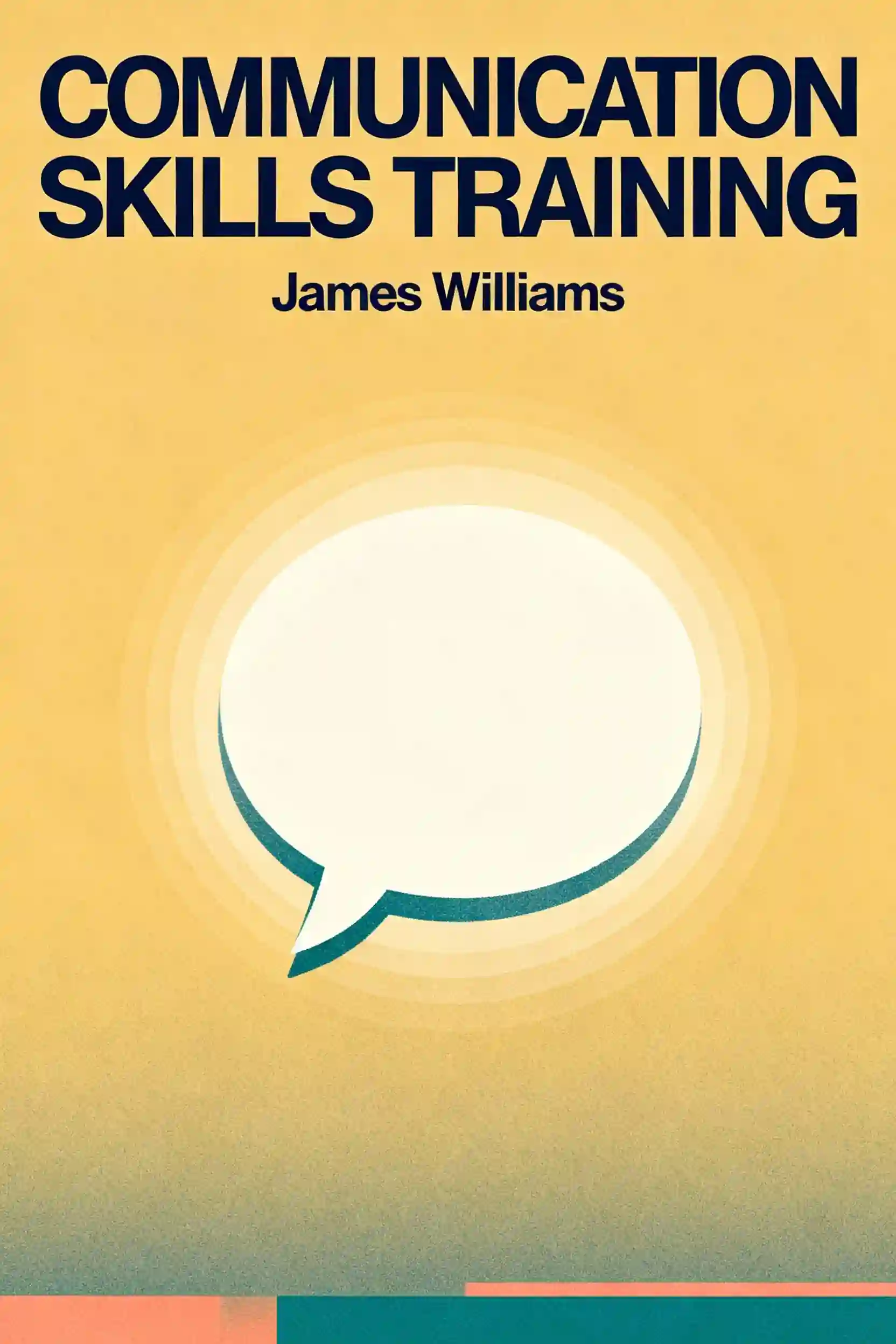
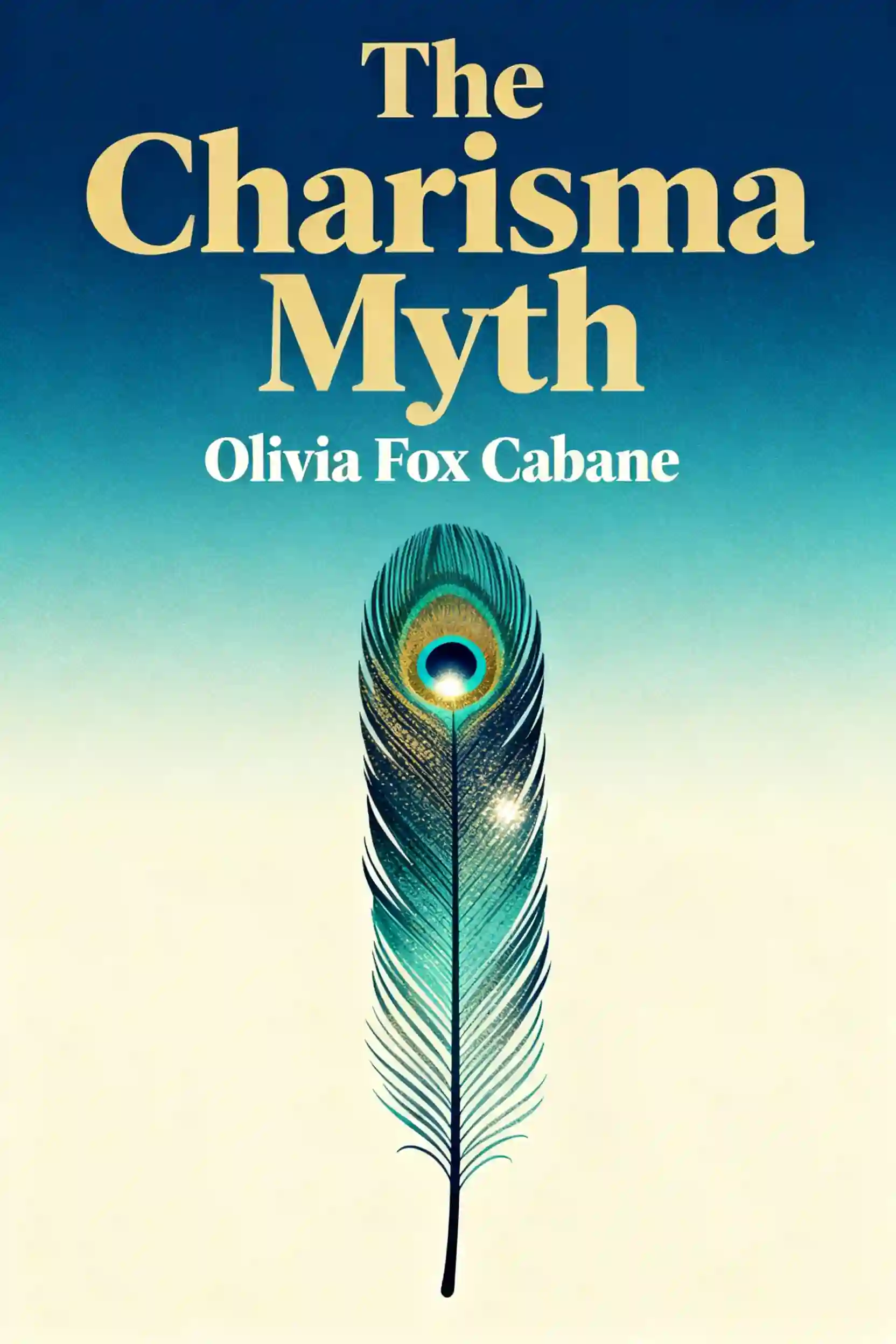
Часто задаваемые вопросы
The fawn response is a deep-seated survival strategy and trauma response, distinct from a simple personality quirk or being polite. While most people are familiar with fight, flight, or freeze, fawning involves appeasing or placating a perceived threat to maintain safety. It often develops in childhood as a way to monitor and manage the moods of unpredictable or volatile caregivers. Unlike casual people-pleasing, fawning is a physical necessity driven by the nervous system's fear of abandonment or rejection, making the individual hyper-aware of others' micro-expressions while disconnecting from their own needs.
Magnetism is built on the balance of Status, Warmth, and Presence. Status in this context is not about job titles but about internal composure, stillness, and the certainty that one has a right to be in the room. Warmth involves genuine empathy and positive regard for others, though it only becomes magnetic when it comes from a position of self-respect rather than a desperate need for approval. Presence is the multiplier, requiring 100% focus on the person in front of you without the distractions of phones or wandering thoughts.
Niceness is often a mask used to avoid conflict and ensure others like us, which can lead to "incongruence" where a person’s external expression doesn't match their internal state. This lack of authenticity creates an "Uncanny Valley" effect that others can subconsciously detect, leading to unease and a lack of trust. In contrast, true kindness includes the ability to say "no" or deliver hard truths. Being "not nice" but authentic allows a person to be seen as three-dimensional and trustworthy, as others know their "yes" is genuine and not just a reflex of a "yes-machine."
The transition begins with "The Awareness Phase," where an individual simply notices and logs every time they say "yes" when they want to say "no." A practical tool to break the cycle is "The Pause," which involves waiting three seconds before responding to a request. This buffer breaks the automatic nervous system reflex and signals to others that your time and energy are valuable. Additionally, practicing "Micro-Decisions"—such as stating a specific preference for lunch—helps re-train the brain to recognize and validate its own internal desires.
Yes, establishing boundaries can lead to a "Relationship Purge." When a person stops being a "doormat" and starts showing up authentically, they may lose friends who were only invested in the version of them that never said no. However, this process is necessary to make room for high-value relationships based on mutual respect. Setting limits actually provides clarity and makes others feel safer because they no longer have to guess at hidden resentments or true feelings.
Создано выпускниками Колумбийского университета в Сан-Франциско
BeFreed объединяет глобальное сообщество любознательных людей


"Instead of endless scrolling, I just hit play on BeFreed. It saves me so much time."


"I never knew where to start with nonfiction—BeFreed’s book lists turned into podcasts gave me a clear path."


"Perfect balance between learning and entertainment. Finished ‘Thinking, Fast and Slow’ on my commute this week."
"Crazy how much I learned while walking the dog. BeFreed = small habits → big gains."
"Reading used to feel like a chore. Now it’s just part of my lifestyle."

"Feels effortless compared to reading. I’ve finished 6 books this month already."
"BeFreed turned my guilty doomscrolling into something that feels productive and inspiring."

"BeFreed turned my commute into learning time. 20-min podcasts are perfect for finishing books I never had time for."
"BeFreed replaced my podcast queue. Imagine Spotify for books — that’s it. 🙌"

"It is great for me to learn something from the book without reading it."
"The themed book list podcasts help me connect ideas across authors—like a guided audio journey."
"Makes me feel smarter every time before going to work"
Создано выпускниками Колумбийского университета в Сан-Франциско
BeFreed объединяет глобальное сообщество любознательных людей
"Instead of endless scrolling, I just hit play on BeFreed. It saves me so much time."
"I never knew where to start with nonfiction—BeFreed’s book lists turned into podcasts gave me a clear path."
"Perfect balance between learning and entertainment. Finished ‘Thinking, Fast and Slow’ on my commute this week."
"Crazy how much I learned while walking the dog. BeFreed = small habits → big gains."
"Reading used to feel like a chore. Now it’s just part of my lifestyle."
"Feels effortless compared to reading. I’ve finished 6 books this month already."
"BeFreed turned my guilty doomscrolling into something that feels productive and inspiring."
"BeFreed turned my commute into learning time. 20-min podcasts are perfect for finishing books I never had time for."
"BeFreed replaced my podcast queue. Imagine Spotify for books — that’s it. 🙌"
"It is great for me to learn something from the book without reading it."
"The themed book list podcasts help me connect ideas across authors—like a guided audio journey."
"Makes me feel smarter every time before going to work"
"Instead of endless scrolling, I just hit play on BeFreed. It saves me so much time."
"I never knew where to start with nonfiction—BeFreed’s book lists turned into podcasts gave me a clear path."
"Perfect balance between learning and entertainment. Finished ‘Thinking, Fast and Slow’ on my commute this week."
"Crazy how much I learned while walking the dog. BeFreed = small habits → big gains."
"Reading used to feel like a chore. Now it’s just part of my lifestyle."
"Feels effortless compared to reading. I’ve finished 6 books this month already."
"BeFreed turned my guilty doomscrolling into something that feels productive and inspiring."
"BeFreed turned my commute into learning time. 20-min podcasts are perfect for finishing books I never had time for."
"BeFreed replaced my podcast queue. Imagine Spotify for books — that’s it. 🙌"
"It is great for me to learn something from the book without reading it."
"The themed book list podcasts help me connect ideas across authors—like a guided audio journey."
"Makes me feel smarter every time before going to work"
"Instead of endless scrolling, I just hit play on BeFreed. It saves me so much time."
"I never knew where to start with nonfiction—BeFreed’s book lists turned into podcasts gave me a clear path."
"Perfect balance between learning and entertainment. Finished ‘Thinking, Fast and Slow’ on my commute this week."
"Crazy how much I learned while walking the dog. BeFreed = small habits → big gains."
"Reading used to feel like a chore. Now it’s just part of my lifestyle."
"Feels effortless compared to reading. I’ve finished 6 books this month already."
"BeFreed turned my guilty doomscrolling into something that feels productive and inspiring."
"BeFreed turned my commute into learning time. 20-min podcasts are perfect for finishing books I never had time for."
"BeFreed replaced my podcast queue. Imagine Spotify for books — that’s it. 🙌"
"It is great for me to learn something from the book without reading it."
"The themed book list podcasts help me connect ideas across authors—like a guided audio journey."
"Makes me feel smarter every time before going to work"