The High-Stakes Biology of Trading and Sports
Discover how your brain treats market volatility like a stadium showdown and learn professional strategies to master the biological impulses driving your financial decisions.

Лучшая цитата из The High-Stakes Biology of Trading and Sports
Strategy tells you what to do, but emotional regulation is what allows you to actually do it when the market is screaming at you. It’s the difference between having an 'edge' on a spreadsheet and having an 'edge' in real life.
Generated by hassan mujtaba
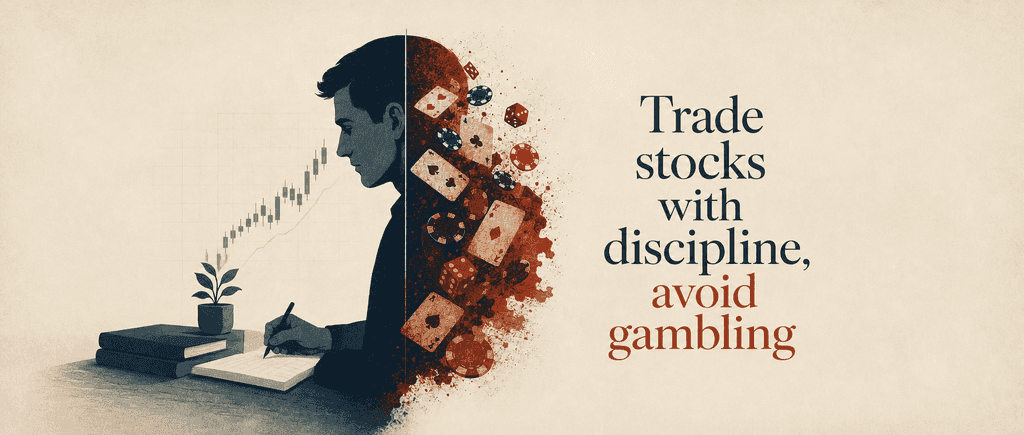
Day trading is similar to performance sports but there are differences

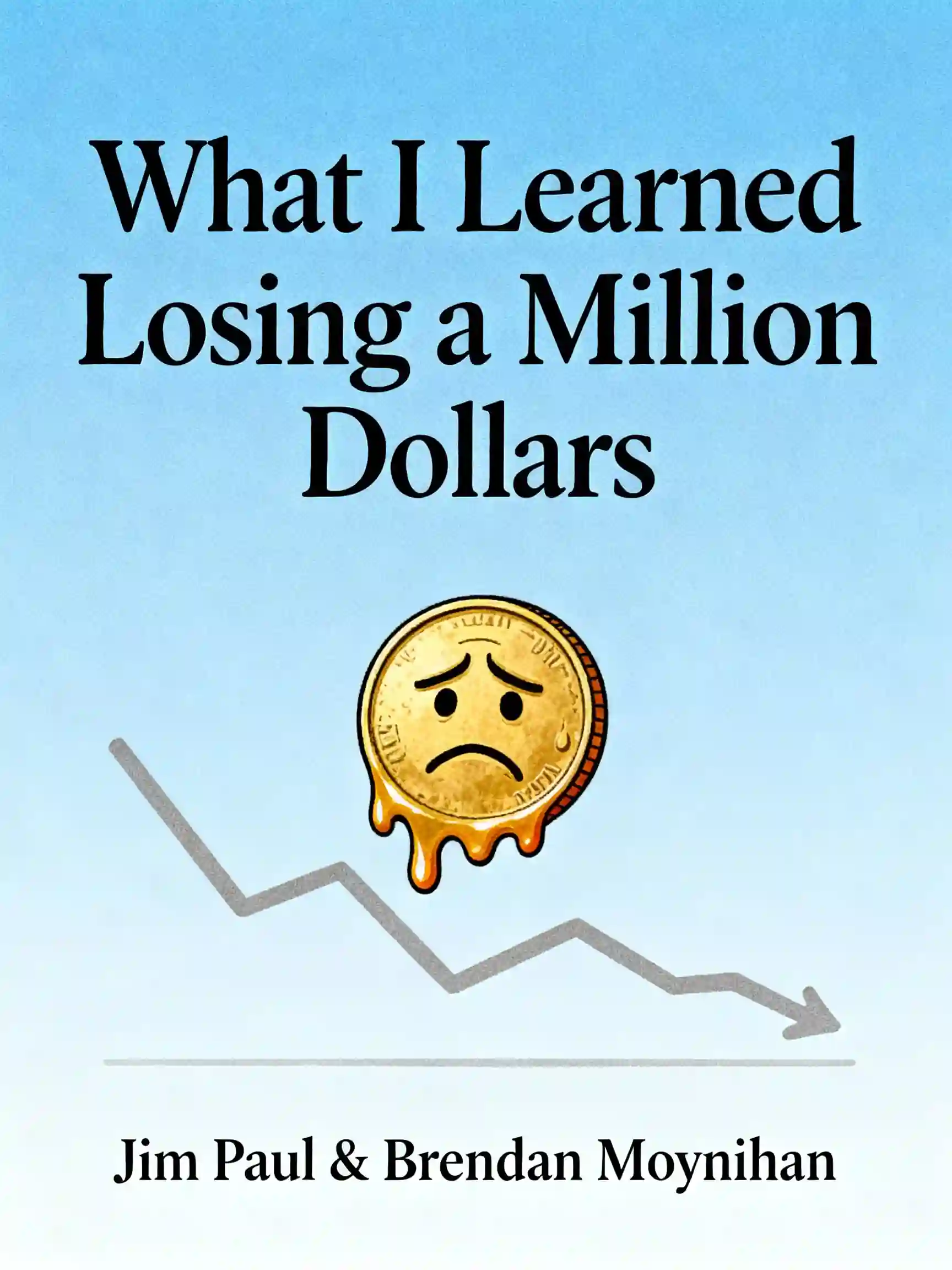
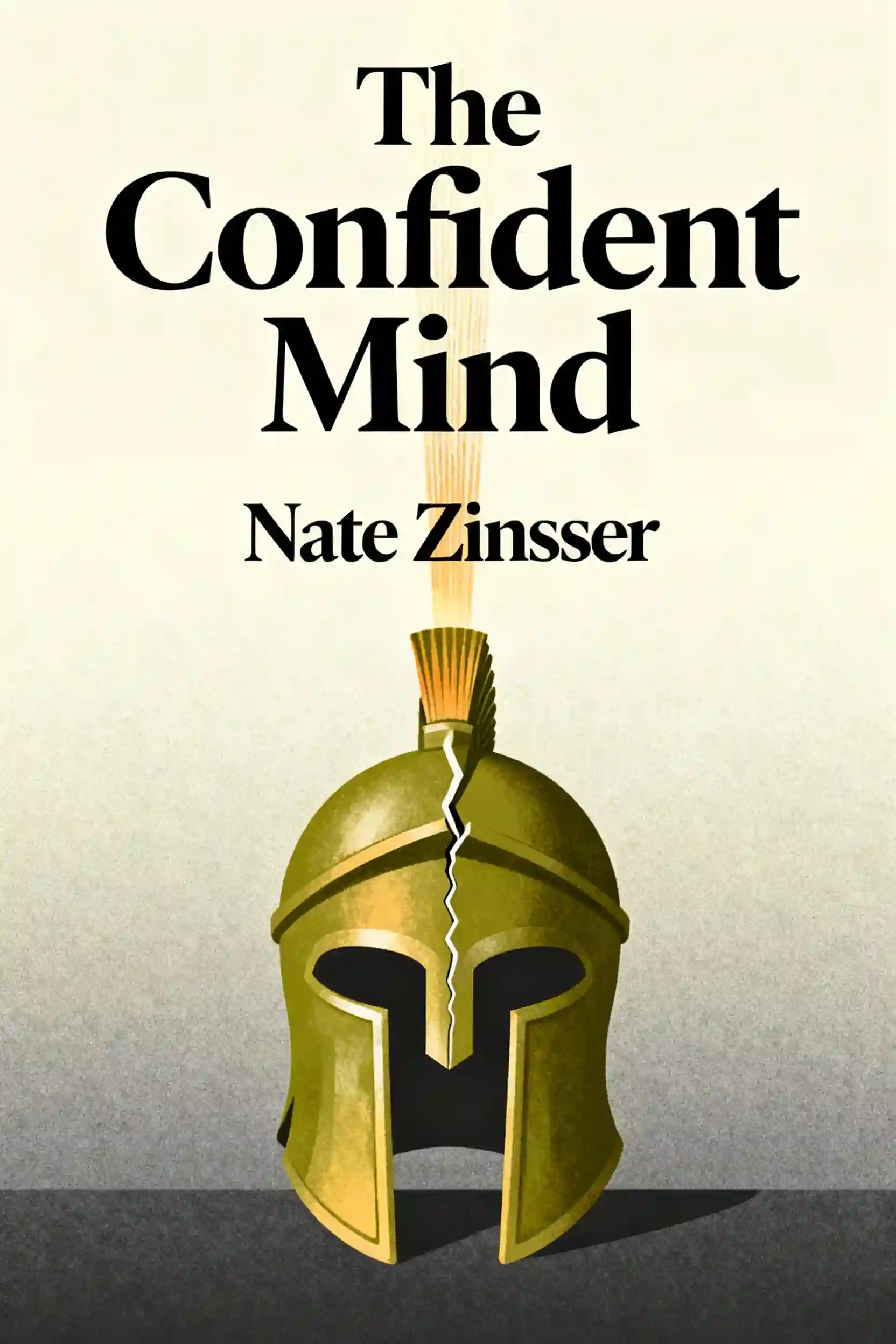
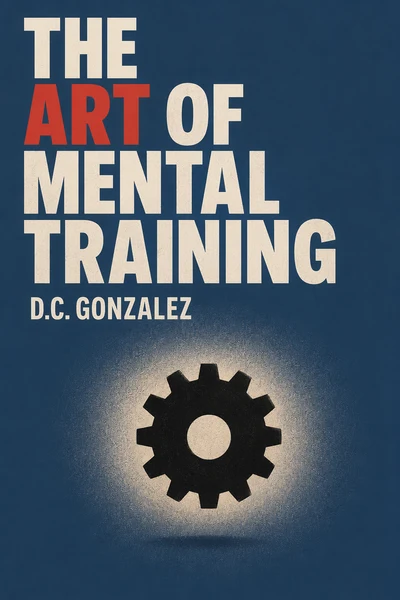
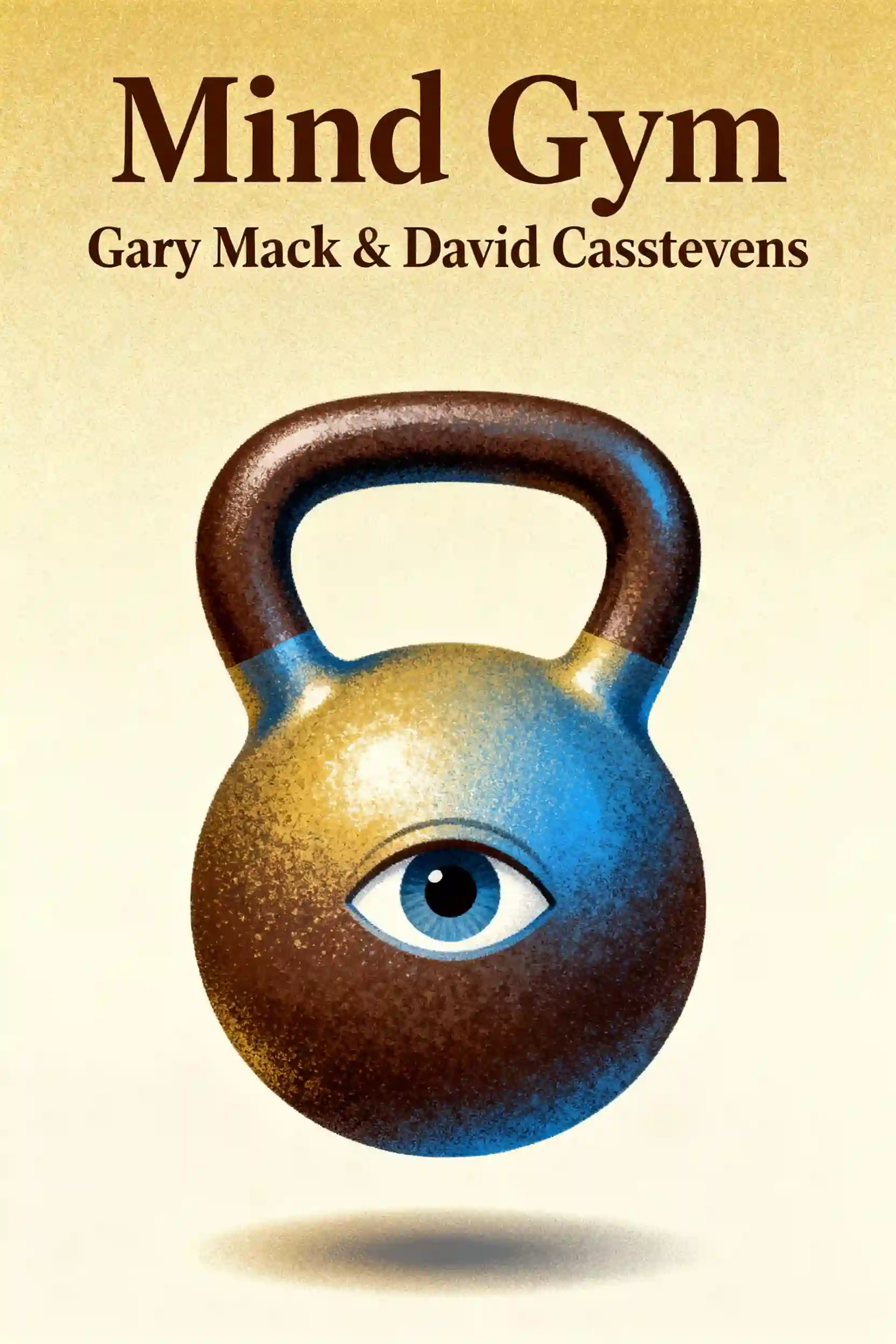
Часто задаваемые вопросы
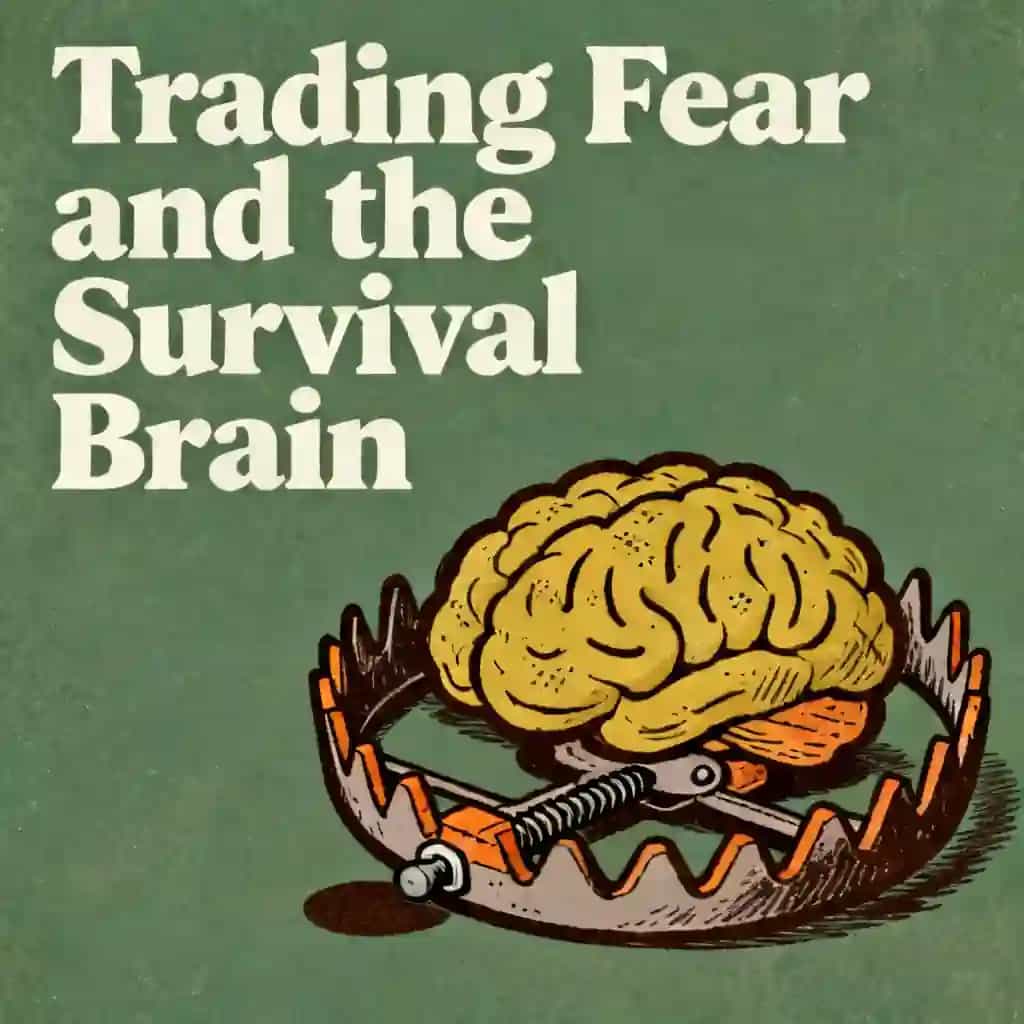
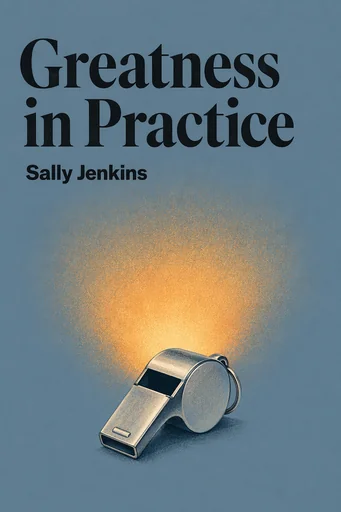
According to the script, your brain possesses an ancient threat-detection center called the amygdala that cannot distinguish between modern financial risks and prehistoric physical dangers. When you face a losing trade or a volatile market, the amygdala triggers a "biological coach" response designed for survival, flooding your body with cortisol and adrenaline. This evolutionary "glitch" treats a dip in your portfolio with the same intensity as escaping a predator, such as a leopard.
The Yerkes-Dodson Law is a model that illustrates the relationship between stress and performance using an inverted U-shaped curve. On the left side of the curve, too little stress leads to boredom and poor focus; as stress increases, you reach a "sweet spot" of peak alertness and performance. However, once you pass the peak into "over-arousal," your pupils dilate and your heart rate spikes, causing the prefrontal cortex—the rational part of the brain—to go offline, which often leads to panic-driven decisions.
Physical techniques like Box Breathing (inhaling, holding, exhaling, and holding for four seconds each) or the "physiological sigh" act as circuit breakers for the autonomic nervous system. These methods send a signal to the brain that there is no immediate emergency, activating the parasympathetic nervous system to counteract the "fight or flight" response. By hacking your biology this way, you can lower your heart rate and regain access to your rational thinking during high-pressure moments.
While a standard trade log tracks numbers, a psychological journal helps move raw, painful emotional memories from the amygdala to the prefrontal cortex for processing. By writing down physical sensations—like a racing heart or a knot in the stomach—and the "stories" the brain tells during a trade, you turn potential trauma into a narrative. This practice builds resilience and improves Heart Rate Variability (HRV), allowing you to recover from losses faster and avoid "revenge trading" spirals.
The playbook consists of four key strategies: first, "Position Sizing for Peace of Mind," which involves scaling back trades until they no longer trigger a physical flight response; second, creating a "Pre-Game Ritual" involving visualization and process-oriented goals; third, using a "Circuit Breaker" or cool-off period after big wins or losses to disrupt emotional momentum; and fourth, "Post-Game Processing" through journaling to turn daily experiences into long-term expertise.
Создано выпускниками Колумбийского университета в Сан-Франциско
"Instead of endless scrolling, I just hit play on BeFreed. It saves me so much time."


"I never knew where to start with nonfiction—BeFreed’s book lists turned into podcasts gave me a clear path."


"Perfect balance between learning and entertainment. Finished ‘Thinking, Fast and Slow’ on my commute this week."
"Crazy how much I learned while walking the dog. BeFreed = small habits → big gains."
"Reading used to feel like a chore. Now it’s just part of my lifestyle."

"Feels effortless compared to reading. I’ve finished 6 books this month already."
"BeFreed turned my guilty doomscrolling into something that feels productive and inspiring."

"BeFreed turned my commute into learning time. 20-min podcasts are perfect for finishing books I never had time for."
"BeFreed replaced my podcast queue. Imagine Spotify for books — that’s it. 🙌"

"It is great for me to learn something from the book without reading it."
"The themed book list podcasts help me connect ideas across authors—like a guided audio journey."
"Makes me feel smarter every time before going to work"
Создано выпускниками Колумбийского университета в Сан-Франциско
"Instead of endless scrolling, I just hit play on BeFreed. It saves me so much time."
"I never knew where to start with nonfiction—BeFreed’s book lists turned into podcasts gave me a clear path."
"Perfect balance between learning and entertainment. Finished ‘Thinking, Fast and Slow’ on my commute this week."
"Crazy how much I learned while walking the dog. BeFreed = small habits → big gains."
"Reading used to feel like a chore. Now it’s just part of my lifestyle."
"Feels effortless compared to reading. I’ve finished 6 books this month already."
"BeFreed turned my guilty doomscrolling into something that feels productive and inspiring."
"BeFreed turned my commute into learning time. 20-min podcasts are perfect for finishing books I never had time for."
"BeFreed replaced my podcast queue. Imagine Spotify for books — that’s it. 🙌"
"It is great for me to learn something from the book without reading it."
"The themed book list podcasts help me connect ideas across authors—like a guided audio journey."
"Makes me feel smarter every time before going to work"
"Instead of endless scrolling, I just hit play on BeFreed. It saves me so much time."
"I never knew where to start with nonfiction—BeFreed’s book lists turned into podcasts gave me a clear path."
"Perfect balance between learning and entertainment. Finished ‘Thinking, Fast and Slow’ on my commute this week."
"Crazy how much I learned while walking the dog. BeFreed = small habits → big gains."
"Reading used to feel like a chore. Now it’s just part of my lifestyle."
"Feels effortless compared to reading. I’ve finished 6 books this month already."
"BeFreed turned my guilty doomscrolling into something that feels productive and inspiring."
"BeFreed turned my commute into learning time. 20-min podcasts are perfect for finishing books I never had time for."
"BeFreed replaced my podcast queue. Imagine Spotify for books — that’s it. 🙌"
"It is great for me to learn something from the book without reading it."
"The themed book list podcasts help me connect ideas across authors—like a guided audio journey."
"Makes me feel smarter every time before going to work"
"Instead of endless scrolling, I just hit play on BeFreed. It saves me so much time."
"I never knew where to start with nonfiction—BeFreed’s book lists turned into podcasts gave me a clear path."
"Perfect balance between learning and entertainment. Finished ‘Thinking, Fast and Slow’ on my commute this week."
"Crazy how much I learned while walking the dog. BeFreed = small habits → big gains."
"Reading used to feel like a chore. Now it’s just part of my lifestyle."
"Feels effortless compared to reading. I’ve finished 6 books this month already."
"BeFreed turned my guilty doomscrolling into something that feels productive and inspiring."
"BeFreed turned my commute into learning time. 20-min podcasts are perfect for finishing books I never had time for."
"BeFreed replaced my podcast queue. Imagine Spotify for books — that’s it. 🙌"
"It is great for me to learn something from the book without reading it."
"The themed book list podcasts help me connect ideas across authors—like a guided audio journey."
"Makes me feel smarter every time before going to work"