The Green Zone: Jobs AI Can't Touch
Worried about AI replacing your career? Learn why physical presence and human trust create a 'Green Zone' that digital systems simply cannot enter.

Лучшая цитата из The Green Zone: Jobs AI Can't Touch
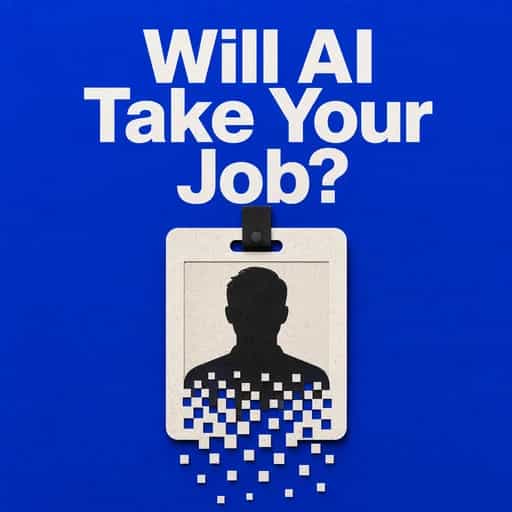
The fact that you possess a human body that can navigate a messy, unpredictable physical environment is your greatest competitive advantage. While AI thrives in digital worlds, physical reality, the law, and human psychology remain remarkably permanent barriers to automation.
Generated with BeFreed
The Jobs AI Still Can't Touch

![Jobs That AI Cannot Replace [June 2026] | JobZone Risk](https://d1y2du6z1jfm9e.cloudfront.net/assets/podcast/purple.png)




Часто задаваемые вопросы
The Green Zone refers to a category of occupations, making up about 33% of the US workforce, that are structurally protected from AI replacement. These roles are defined by three specific pillars: the requirement of a physical presence in unpredictable environments, the need for a professional license that carries legal accountability, and the necessity of interpersonal trust. Because AI lacks a physical body and cannot be held legally or ethically responsible for high-stakes decisions, jobs in this zone—such as nursing, plumbing, and teaching—remain highly secure.
Skilled trades are protected by "Moravec’s Paradox," which suggests that while high-level reasoning is easy for AI, low-level sensorimotor skills are incredibly difficult. Tradespeople like electricians and HVAC technicians must navigate messy, non-standard physical spaces and use all five senses to diagnose problems, such as smelling a gas leak or feeling a vibrating motor. Furthermore, the demand for these roles is actually increasing because AI infrastructure, like data centers, requires massive amounts of physical installation and maintenance that software cannot perform.
AI's impact usually happens at the task level rather than the job level. Most occupations are "bimodal," meaning they contain some tasks that are highly replaceable by AI (like data entry) and others that are not (like complex human judgment). Research shows that for many roles, AI will take over the routine, "ceiling" tasks, which allows the human worker to focus more on the "residual" parts of the job that require empathy, physical dexterity, and high-level reasoning.
The accountability principle is a legal and social barrier that prevents AI from taking over high-stakes professions. Even if an AI could technically perform a task, such as prescribing medication or signing off on structural engineering plans, it cannot be fired, sued, or held criminally liable if something goes wrong. Society and regulatory bodies require a human to be "in the loop" to bear the risk and take responsibility for outcomes, ensuring that licensed roles like doctors, lawyers, and senior leaders remain essential.
Workers should focus on mastering AI as a tool to augment their productivity while doubling down on their "Human Premium." This involves shifting one's focus toward tasks that require social coordination, complex judgment, and physical presence. For those entering the workforce, the script suggests moving toward physical, licensed, and trust-dependent fields, noting that many of these paths—such as nursing or trade apprenticeships—offer portable skills and faster entry points than traditional four-year degrees.
Создано выпускниками Колумбийского университета в Сан-Франциско
"Instead of endless scrolling, I just hit play on BeFreed. It saves me so much time."


"I never knew where to start with nonfiction—BeFreed’s book lists turned into podcasts gave me a clear path."


"Perfect balance between learning and entertainment. Finished ‘Thinking, Fast and Slow’ on my commute this week."
"Crazy how much I learned while walking the dog. BeFreed = small habits → big gains."
"Reading used to feel like a chore. Now it’s just part of my lifestyle."

"Feels effortless compared to reading. I’ve finished 6 books this month already."
"BeFreed turned my guilty doomscrolling into something that feels productive and inspiring."

"BeFreed turned my commute into learning time. 20-min podcasts are perfect for finishing books I never had time for."
"BeFreed replaced my podcast queue. Imagine Spotify for books — that’s it. 🙌"

"It is great for me to learn something from the book without reading it."
"The themed book list podcasts help me connect ideas across authors—like a guided audio journey."
"Makes me feel smarter every time before going to work"
Создано выпускниками Колумбийского университета в Сан-Франциско
"Instead of endless scrolling, I just hit play on BeFreed. It saves me so much time."
"I never knew where to start with nonfiction—BeFreed’s book lists turned into podcasts gave me a clear path."
"Perfect balance between learning and entertainment. Finished ‘Thinking, Fast and Slow’ on my commute this week."
"Crazy how much I learned while walking the dog. BeFreed = small habits → big gains."
"Reading used to feel like a chore. Now it’s just part of my lifestyle."
"Feels effortless compared to reading. I’ve finished 6 books this month already."
"BeFreed turned my guilty doomscrolling into something that feels productive and inspiring."
"BeFreed turned my commute into learning time. 20-min podcasts are perfect for finishing books I never had time for."
"BeFreed replaced my podcast queue. Imagine Spotify for books — that’s it. 🙌"
"It is great for me to learn something from the book without reading it."
"The themed book list podcasts help me connect ideas across authors—like a guided audio journey."
"Makes me feel smarter every time before going to work"
"Instead of endless scrolling, I just hit play on BeFreed. It saves me so much time."
"I never knew where to start with nonfiction—BeFreed’s book lists turned into podcasts gave me a clear path."
"Perfect balance between learning and entertainment. Finished ‘Thinking, Fast and Slow’ on my commute this week."
"Crazy how much I learned while walking the dog. BeFreed = small habits → big gains."
"Reading used to feel like a chore. Now it’s just part of my lifestyle."
"Feels effortless compared to reading. I’ve finished 6 books this month already."
"BeFreed turned my guilty doomscrolling into something that feels productive and inspiring."
"BeFreed turned my commute into learning time. 20-min podcasts are perfect for finishing books I never had time for."
"BeFreed replaced my podcast queue. Imagine Spotify for books — that’s it. 🙌"
"It is great for me to learn something from the book without reading it."
"The themed book list podcasts help me connect ideas across authors—like a guided audio journey."
"Makes me feel smarter every time before going to work"
"Instead of endless scrolling, I just hit play on BeFreed. It saves me so much time."
"I never knew where to start with nonfiction—BeFreed’s book lists turned into podcasts gave me a clear path."
"Perfect balance between learning and entertainment. Finished ‘Thinking, Fast and Slow’ on my commute this week."
"Crazy how much I learned while walking the dog. BeFreed = small habits → big gains."
"Reading used to feel like a chore. Now it’s just part of my lifestyle."
"Feels effortless compared to reading. I’ve finished 6 books this month already."
"BeFreed turned my guilty doomscrolling into something that feels productive and inspiring."
"BeFreed turned my commute into learning time. 20-min podcasts are perfect for finishing books I never had time for."
"BeFreed replaced my podcast queue. Imagine Spotify for books — that’s it. 🙌"
"It is great for me to learn something from the book without reading it."
"The themed book list podcasts help me connect ideas across authors—like a guided audio journey."
"Makes me feel smarter every time before going to work"


![Jobs That AI Cannot Replace [June 2026] | JobZone Risk](/_next/image?url=https%3A%2F%2Fd1y2du6z1jfm9e.cloudfront.net%2Fassets%2Fpodcast%2Fyellow.png&w=1024&q=50)