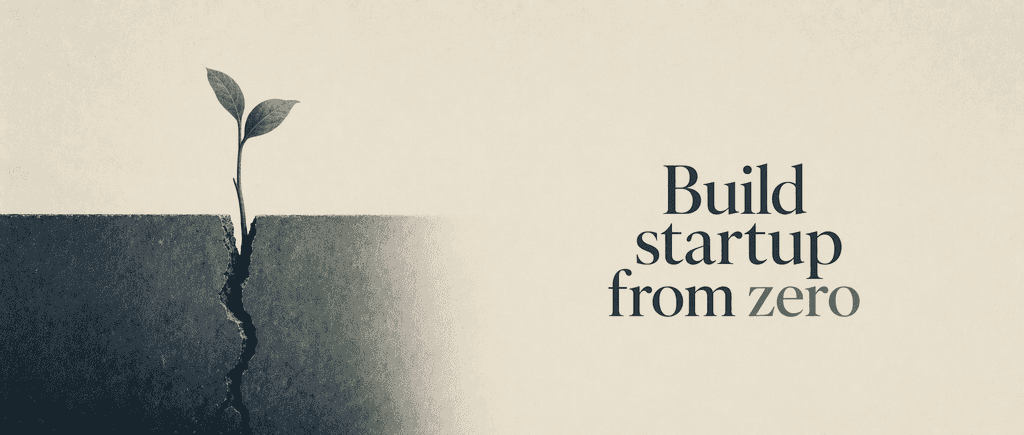
The Founder’s Playbook: Building a Business That Lasts
Move beyond the lightbulb moment with a strategic roadmap for market validation, legal structuring, and sustainable growth to ensure your startup thrives.

Лучшая цитата из The Founder’s Playbook: Building a Business That Lasts
Starting a business is about way more than just a 'lightbulb moment.' You have to prove people actually want to buy what you’re offering before you spend a dime.
Generated by Lil Sammy
How to create a business

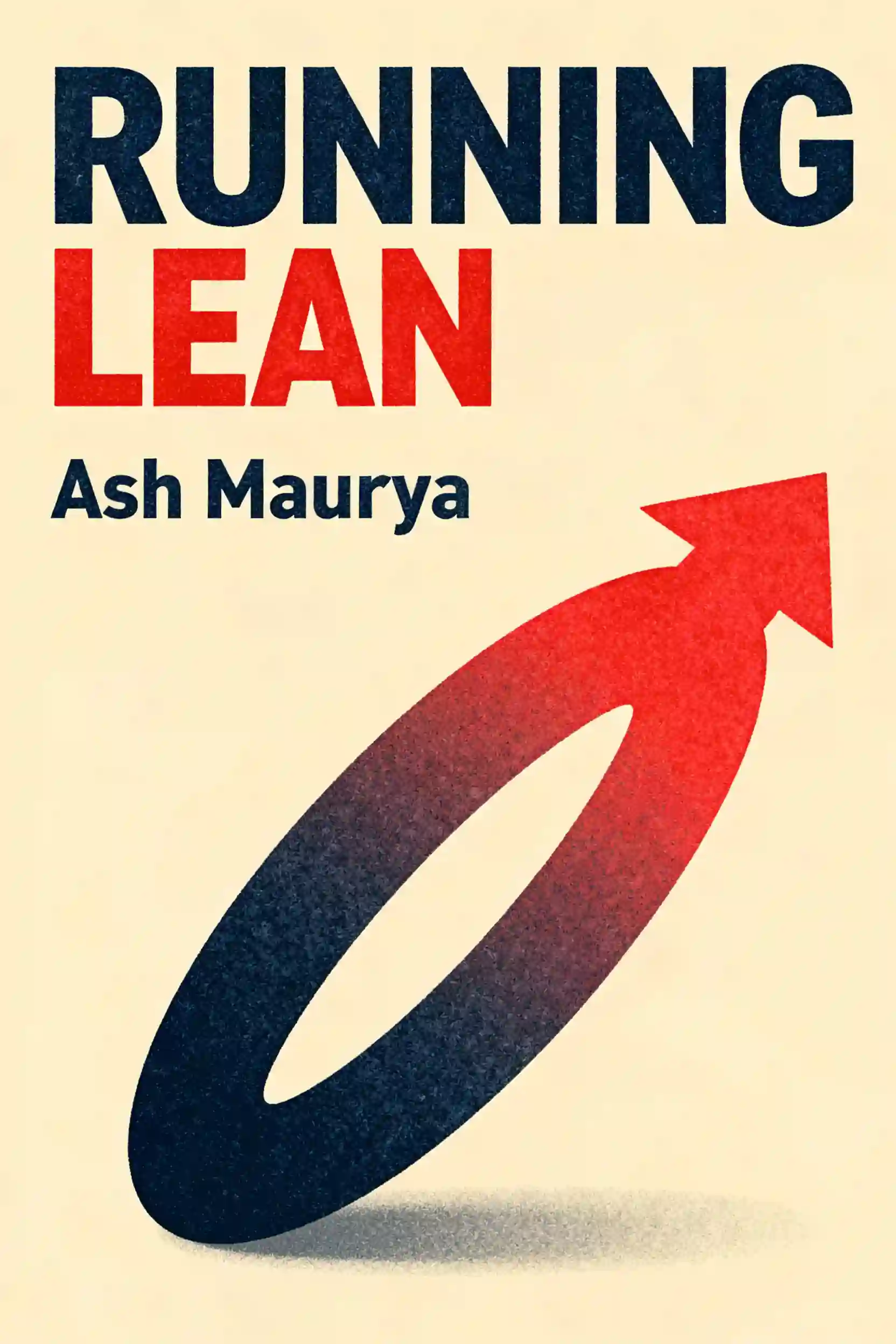
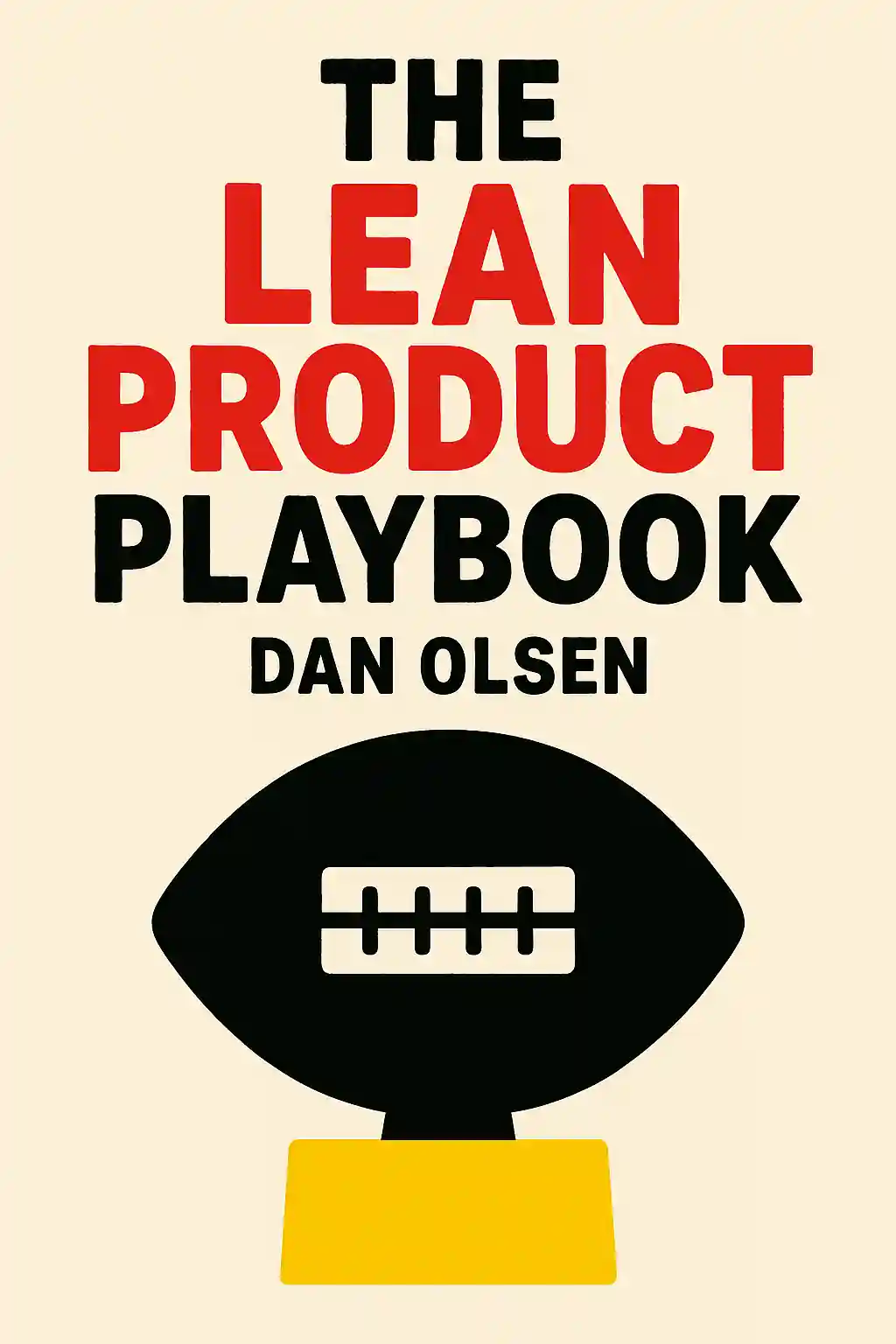
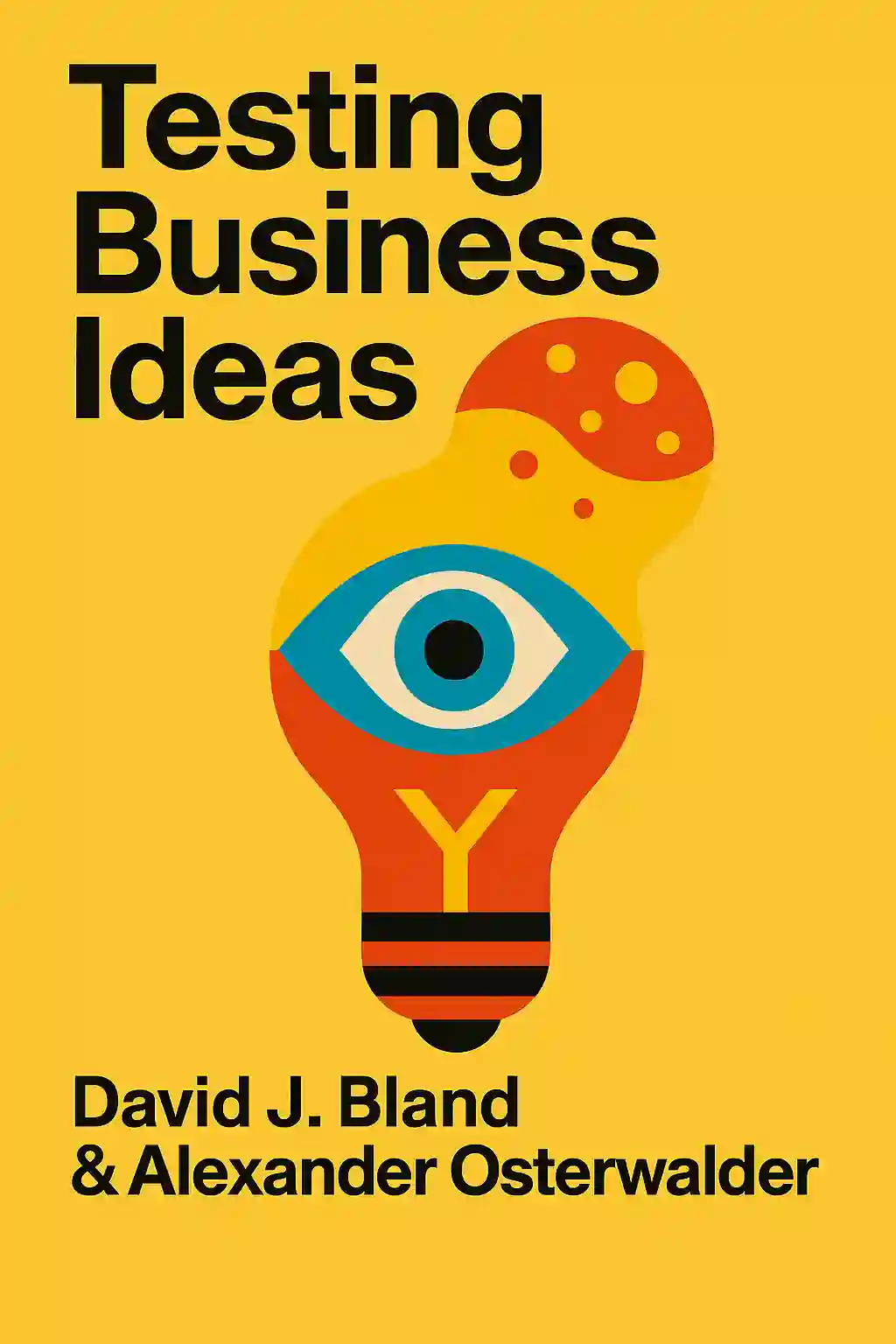
Часто задаваемые вопросы
According to the script, the primary reason for this failure rate is a lack of market need. Many entrepreneurs focus on a "lightbulb moment" or solve a problem that only they care about, rather than verifying that a significant number of customers actually want to buy what they are offering. To avoid this, founders are encouraged to move from an initial spark to a concrete roadmap or "lean startup" model that prioritizes market research before spending significant capital.
The choice between these structures depends on the business's goals regarding liability, taxes, and future investment. An LLC is often preferred for local service businesses or boutiques because it protects personal assets (the "corporate veil") with less paperwork than a corporation. In contrast, a C-Corporation—specifically one incorporated in Delaware—is the gold standard for tech startups looking to scale, as it allows for different classes of stock which is preferred by over eighty percent of venture-backed investors.
Validation is achieved through "Validated Learning" and building a Minimum Viable Product (MVP). Instead of pitching to friends and family, founders should interview fifteen to thirty strangers about their pain points to see if the problem is urgent and unprompted. An MVP can be as simple as a demo video (like Dropbox) or a manual "Wizard of Oz" approach where the founder performs the service behind the scenes (like Zappos) to prove demand exists before building a complex system.
A Founders’ Agreement acts like a pre-nuptial agreement for a business, clearly defining equity splits and expectations to prevent fallouts. A critical component is the vesting schedule, typically a four-year vest with a one-year "cliff." This means if a co-founder leaves before the one-year mark, they receive zero equity. This structure protects the partners who stay and continue working on the business, ensuring that ownership is earned through long-term commitment.
Founders must understand their "Burn Rate," which is the speed at which they spend capital before becoming cash-flow positive, and their "Runway," or how many months of life the business has left at that rate. Additionally, a healthy business should monitor "Unit Economics," specifically ensuring that the Lifetime Value (LTV) of a customer is at least three times the Customer Acquisition Cost (CAC). A "Break-Even Analysis" is also essential to determine the exact amount of revenue needed to cover all fixed costs.
Создано выпускниками Колумбийского университета в Сан-Франциско
"Instead of endless scrolling, I just hit play on BeFreed. It saves me so much time."


"I never knew where to start with nonfiction—BeFreed’s book lists turned into podcasts gave me a clear path."


"Perfect balance between learning and entertainment. Finished ‘Thinking, Fast and Slow’ on my commute this week."
"Crazy how much I learned while walking the dog. BeFreed = small habits → big gains."
"Reading used to feel like a chore. Now it’s just part of my lifestyle."

"Feels effortless compared to reading. I’ve finished 6 books this month already."
"BeFreed turned my guilty doomscrolling into something that feels productive and inspiring."

"BeFreed turned my commute into learning time. 20-min podcasts are perfect for finishing books I never had time for."
"BeFreed replaced my podcast queue. Imagine Spotify for books — that’s it. 🙌"

"It is great for me to learn something from the book without reading it."
"The themed book list podcasts help me connect ideas across authors—like a guided audio journey."
"Makes me feel smarter every time before going to work"
Создано выпускниками Колумбийского университета в Сан-Франциско
"Instead of endless scrolling, I just hit play on BeFreed. It saves me so much time."
"I never knew where to start with nonfiction—BeFreed’s book lists turned into podcasts gave me a clear path."
"Perfect balance between learning and entertainment. Finished ‘Thinking, Fast and Slow’ on my commute this week."
"Crazy how much I learned while walking the dog. BeFreed = small habits → big gains."
"Reading used to feel like a chore. Now it’s just part of my lifestyle."
"Feels effortless compared to reading. I’ve finished 6 books this month already."
"BeFreed turned my guilty doomscrolling into something that feels productive and inspiring."
"BeFreed turned my commute into learning time. 20-min podcasts are perfect for finishing books I never had time for."
"BeFreed replaced my podcast queue. Imagine Spotify for books — that’s it. 🙌"
"It is great for me to learn something from the book without reading it."
"The themed book list podcasts help me connect ideas across authors—like a guided audio journey."
"Makes me feel smarter every time before going to work"
"Instead of endless scrolling, I just hit play on BeFreed. It saves me so much time."
"I never knew where to start with nonfiction—BeFreed’s book lists turned into podcasts gave me a clear path."
"Perfect balance between learning and entertainment. Finished ‘Thinking, Fast and Slow’ on my commute this week."
"Crazy how much I learned while walking the dog. BeFreed = small habits → big gains."
"Reading used to feel like a chore. Now it’s just part of my lifestyle."
"Feels effortless compared to reading. I’ve finished 6 books this month already."
"BeFreed turned my guilty doomscrolling into something that feels productive and inspiring."
"BeFreed turned my commute into learning time. 20-min podcasts are perfect for finishing books I never had time for."
"BeFreed replaced my podcast queue. Imagine Spotify for books — that’s it. 🙌"
"It is great for me to learn something from the book without reading it."
"The themed book list podcasts help me connect ideas across authors—like a guided audio journey."
"Makes me feel smarter every time before going to work"
"Instead of endless scrolling, I just hit play on BeFreed. It saves me so much time."
"I never knew where to start with nonfiction—BeFreed’s book lists turned into podcasts gave me a clear path."
"Perfect balance between learning and entertainment. Finished ‘Thinking, Fast and Slow’ on my commute this week."
"Crazy how much I learned while walking the dog. BeFreed = small habits → big gains."
"Reading used to feel like a chore. Now it’s just part of my lifestyle."
"Feels effortless compared to reading. I’ve finished 6 books this month already."
"BeFreed turned my guilty doomscrolling into something that feels productive and inspiring."
"BeFreed turned my commute into learning time. 20-min podcasts are perfect for finishing books I never had time for."
"BeFreed replaced my podcast queue. Imagine Spotify for books — that’s it. 🙌"
"It is great for me to learn something from the book without reading it."
"The themed book list podcasts help me connect ideas across authors—like a guided audio journey."
"Makes me feel smarter every time before going to work"