The Victorian Parlor Trick That Conquered the World
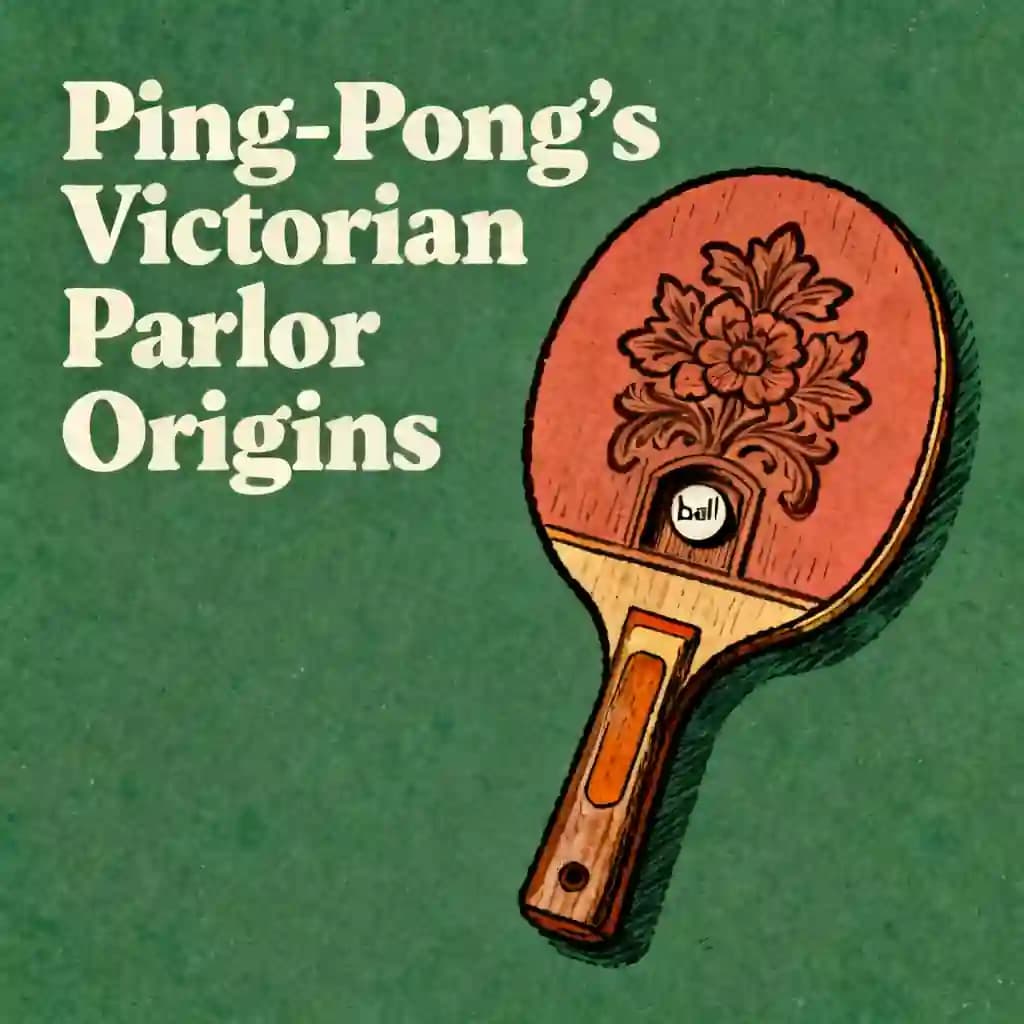
Lena: Hey everyone, welcome to the session! I was looking at some old photos recently—and I mean really old, like late 1800s England—and I saw something that just blew my mind. There were these people in high collars and long dresses, standing around a dining table, but they weren't eating. They were swatting a ball back and forth using books as paddles and a line of books for a net. It looked like a total gimmick, something you'd do on a rainy afternoon when you're bored out of your mind. But Miles, that little parlor game actually became the Olympic powerhouse we know today as table tennis. Isn't that wild?
Miles: It really is. It’s one of those classic "necessity is the mother of invention" stories. You have the English upper class in the 1870s who loved their lawn tennis, but the English weather—well, it’s not exactly known for being sunshine and rainbows. So, they basically shrunk the game down to fit the dining room. They called it "room tennis" at first. But what’s fascinating is how that simple transition—moving from the grass to the mahogany table—completely changed the physics and the destiny of the sport.
Lena: So they were literally using whatever was lying around? I read somewhere they even used cigar box lids and rounded wine corks as balls. It sounds more like a MacGyver episode than a professional sport.
Miles: Exactly! And the sound it made—that distinct "click-clack" or "ping-pong" sound—is actually where the most famous name for the game came from. By the early 1900s, "Ping-Pong" wasn't just a sound; it was a trademarked brand. But here’s the kicker: because it was a brand name, it eventually created this massive legal hurdle that forced the sport to officially rename itself "table tennis" in the early 1920s just so they could form associations without getting sued.
Lena: That’s such a great bit of trivia. So, "Ping-Pong" is the brand, but "table tennis" is the sport. It’s like calling every tissue a Kleenex. But it clearly didn't stay a parlor game for long. How did it go from "room tennis" with wine corks to a game where players are hitting a ball at speeds that the human eye can barely track?
Miles: That’s exactly what we’re diving into today. We’re going to trace that evolution—from the rainy afternoons in England to the absolute global dominance of players in Asia, especially China. We’ll look at how the equipment evolved from books to high-tech carbon fiber, and how a simple game of "whiff-waff"—yes, that was another name for it—became a tool for international diplomacy.
Lena: I love that. It’s not just a game; it’s a lens into history and technology. So, let’s dive into how this Victorian distraction actually laid the foundation for a professional world stage.















![History of Volleyball: From 1895 to Today's High-Tech Game [2026 Guide]](/_next/image?url=https%3A%2F%2Fd1y2du6z1jfm9e.cloudfront.net%2Fassets%2Fpodcast%2Fgreen.png&w=1024&q=50)