The Soldiers’ Spear Becomes the Publican’s Pride
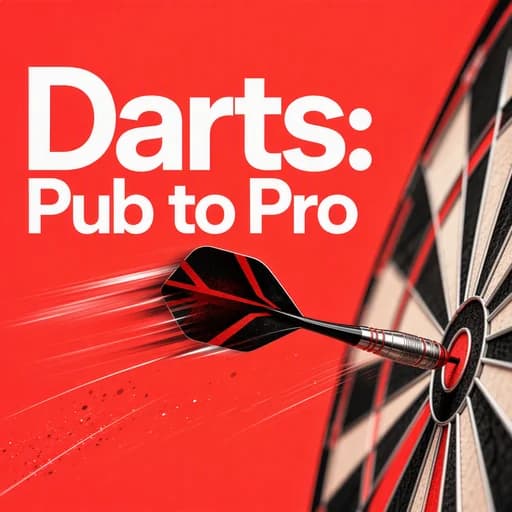
Ethan: You know, if you walked into a major sports arena today and saw thousands of fans in elaborate fancy dress, chanting at the top of their lungs while a teenager throws a tiny bit of tungsten with surgical precision, you might think you’d stumbled into some kind of fever dream. But this is the reality of modern darts. It is a sport that has undergone one of the most jarring transformations in history—moving from smoky backrooms to sold-out global stadiums. What’s wild is that it all started with soldiers using military training exercises.
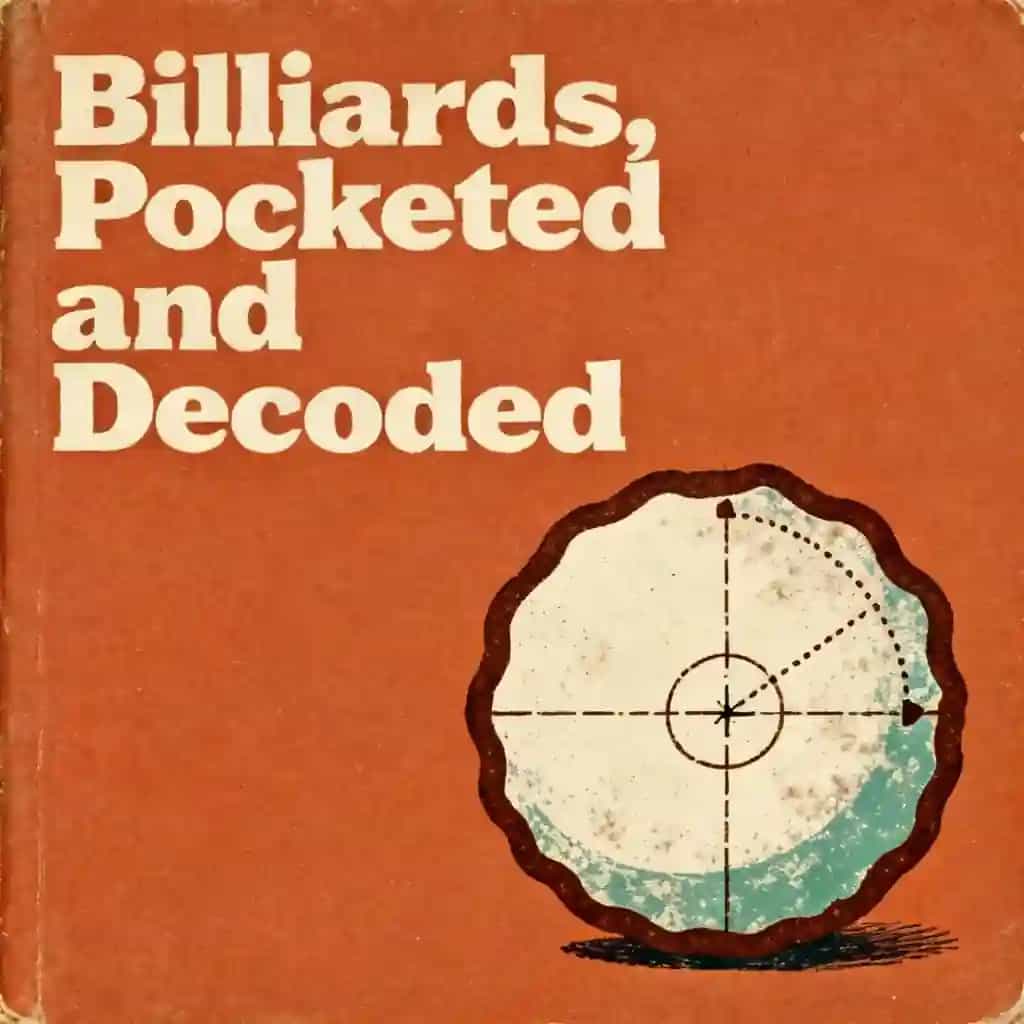
Iris: It really is a classic case of necessity being the mother of invention. The prevailing theory is that darts actually evolved from military training. Imagine soldiers sitting around, perhaps between battles, shortening their spears or arrows and hurlin’ them at the ends of upturned wine barrels or even sliced tree trunks. That’s actually where we get the design of the board. The natural rings of the wood and the radial cracks that formed as the tree dried out essentially gave us the scoring segments and the bullseye we use today.
Ethan: That is a great way to look at it—the "architecture" of the game was literally grown in a forest. And it didn’t stay on the battlefield for long. By the 19th century, it had migrated to traveling funfairs in the UK, but back then, the rules were a total mess. Every pub had its own "house rules," so you never really knew what game you were playing until you stepped up to the line.
Iris: Right, and it wasn’t until the 1920s that the rules were finally codified, turning it into a structured pastime. But the real cultural turning point—the moment it became a "national" curiosity—happened in December 1937. King George VI and his wife, Queen Elizabeth I were photographed throwing darts at a social club near Windsor Castle. The King hit a 19, but the Queen actually outdid him with a 21. Suddenly, darts wasn’t just for the working man in the corner of the pub; it was a topic of debate in the House of Commons. It became the ultimate relatable, working-class sport, and that authenticity is exactly what laid the groundwork for the professional explosion we’re seeing right now.
Ethan: It’s that transition from a "piss-up in a pub" to a high-stakes professional industry that’s so fascinating. So, let’s look at how a few rebellious players decided to take the game out of the publican’s hands and put it onto the world stage.