Strategic questions that win negotiations
Struggling with tough objections? Learn how asking the right questions uncovers hidden fears and shifts power back to you for better business outcomes.

Лучшая цитата из Strategic questions that win negotiations
The most powerful person in the room isn't the one with the best pitch, but the one asking the most uncomfortable questions. When you use strategic inquiry to expose weak positions, you stop selling and start providing a transformation.
Generated by Jmoney
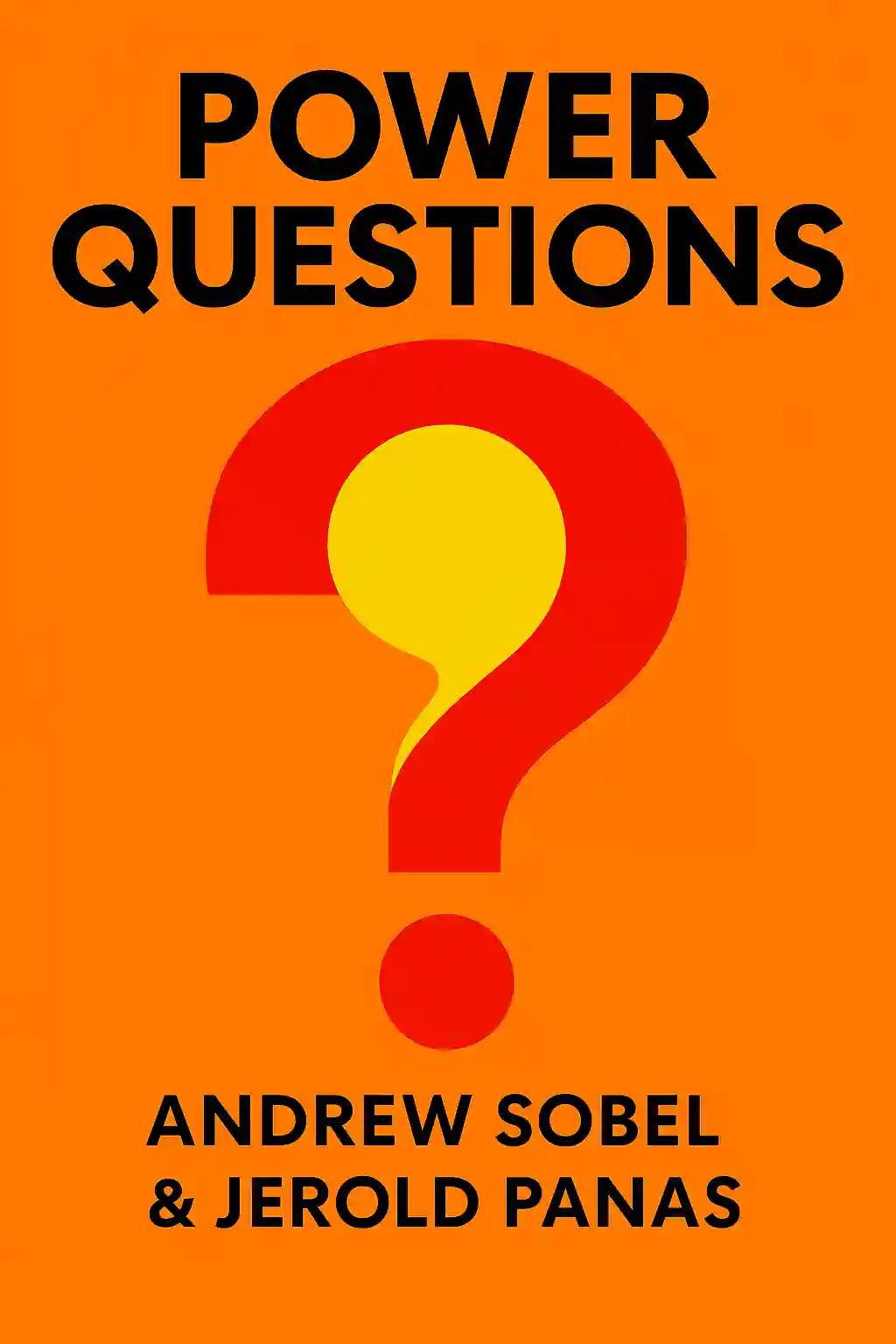
the art of asking powerful, strategic questions inspired by the mindset and approach of Jared Spano. Focus on how asking the right questions can create leverage in business, uncover hidden opportunities, control negotiations, and expose weak positions. Break down real-world examples in real estate, deal-making, and networking. Show me how to think ahead, read people, and ask questions that shift power in my favor while staying confident and composed. and scenarios changes the entire outcome



Часто задаваемые вопросы
The invisible architecture refers to the internal framework of fears, identity, and hidden motivations that drive a person's decision-making process. When a client says "no" or claims a price is too high, they are often not talking about their bank account, but rather their fear of looking foolish or a lack of trust in the promised transformation. Strategic inquiry allows a negotiator to map out this architecture by asking diagnostic questions that force the other party to define the root cause of their hesitation.
Silence is a powerful psychological tool because most people feel a natural stress response to fill the air with words, often leading them to negotiate against themselves or make unnecessary concessions. By using a "strategic flinch" or pausing after asking a high-pressure question like "Is that the best you can do?", you shift the pressure back to the other party. The person who speaks first after a strategic silence is typically the one who makes a concession, as the pause signals that you are composed and have other options.
A brick wall is a legitimate, hard barrier to a deal, whereas a smokescreen is a defense mechanism used to mask a prospect's real concerns without them having to be vulnerable. To test which one you are facing, you can use a hypothetical "permission question" such as, "If we solve the budget issue, is there anything else holding you back?" If they reveal a new concern, the original objection was a smokescreen; if they stick to the original point, you have identified the real obstacle.
MESOs involve presenting three different options at once—such as one with a higher price but faster delivery, and another with a lower price but a longer timeline. This technique acts as a conversion booster because it gives the client a sense of control through choosing rather than being sold to. Furthermore, the client's preference reveals their true priorities (like time versus money) without them having to explicitly state their bottom line, allowing the negotiator to structure the final agreement more effectively.
Power mapping is the process of identifying the difference between formal authority and informal influence within a group. Often, the person with the highest title is not the actual decision-maker; for example, an operations manager might have "veto power" if they feel a tool is too difficult to use, regardless of the director's approval. By asking systemic questions about who else is affected by the decision, a negotiator can identify the informal influencers and direct their strategic questions toward the concerns of those who truly hold the power.
Создано выпускниками Колумбийского университета в Сан-Франциско
"Instead of endless scrolling, I just hit play on BeFreed. It saves me so much time."


"I never knew where to start with nonfiction—BeFreed’s book lists turned into podcasts gave me a clear path."


"Perfect balance between learning and entertainment. Finished ‘Thinking, Fast and Slow’ on my commute this week."
"Crazy how much I learned while walking the dog. BeFreed = small habits → big gains."
"Reading used to feel like a chore. Now it’s just part of my lifestyle."

"Feels effortless compared to reading. I’ve finished 6 books this month already."
"BeFreed turned my guilty doomscrolling into something that feels productive and inspiring."

"BeFreed turned my commute into learning time. 20-min podcasts are perfect for finishing books I never had time for."
"BeFreed replaced my podcast queue. Imagine Spotify for books — that’s it. 🙌"

"It is great for me to learn something from the book without reading it."
"The themed book list podcasts help me connect ideas across authors—like a guided audio journey."
"Makes me feel smarter every time before going to work"
Создано выпускниками Колумбийского университета в Сан-Франциско
"Instead of endless scrolling, I just hit play on BeFreed. It saves me so much time."
"I never knew where to start with nonfiction—BeFreed’s book lists turned into podcasts gave me a clear path."
"Perfect balance between learning and entertainment. Finished ‘Thinking, Fast and Slow’ on my commute this week."
"Crazy how much I learned while walking the dog. BeFreed = small habits → big gains."
"Reading used to feel like a chore. Now it’s just part of my lifestyle."
"Feels effortless compared to reading. I’ve finished 6 books this month already."
"BeFreed turned my guilty doomscrolling into something that feels productive and inspiring."
"BeFreed turned my commute into learning time. 20-min podcasts are perfect for finishing books I never had time for."
"BeFreed replaced my podcast queue. Imagine Spotify for books — that’s it. 🙌"
"It is great for me to learn something from the book without reading it."
"The themed book list podcasts help me connect ideas across authors—like a guided audio journey."
"Makes me feel smarter every time before going to work"
"Instead of endless scrolling, I just hit play on BeFreed. It saves me so much time."
"I never knew where to start with nonfiction—BeFreed’s book lists turned into podcasts gave me a clear path."
"Perfect balance between learning and entertainment. Finished ‘Thinking, Fast and Slow’ on my commute this week."
"Crazy how much I learned while walking the dog. BeFreed = small habits → big gains."
"Reading used to feel like a chore. Now it’s just part of my lifestyle."
"Feels effortless compared to reading. I’ve finished 6 books this month already."
"BeFreed turned my guilty doomscrolling into something that feels productive and inspiring."
"BeFreed turned my commute into learning time. 20-min podcasts are perfect for finishing books I never had time for."
"BeFreed replaced my podcast queue. Imagine Spotify for books — that’s it. 🙌"
"It is great for me to learn something from the book without reading it."
"The themed book list podcasts help me connect ideas across authors—like a guided audio journey."
"Makes me feel smarter every time before going to work"
"Instead of endless scrolling, I just hit play on BeFreed. It saves me so much time."
"I never knew where to start with nonfiction—BeFreed’s book lists turned into podcasts gave me a clear path."
"Perfect balance between learning and entertainment. Finished ‘Thinking, Fast and Slow’ on my commute this week."
"Crazy how much I learned while walking the dog. BeFreed = small habits → big gains."
"Reading used to feel like a chore. Now it’s just part of my lifestyle."
"Feels effortless compared to reading. I’ve finished 6 books this month already."
"BeFreed turned my guilty doomscrolling into something that feels productive and inspiring."
"BeFreed turned my commute into learning time. 20-min podcasts are perfect for finishing books I never had time for."
"BeFreed replaced my podcast queue. Imagine Spotify for books — that’s it. 🙌"
"It is great for me to learn something from the book without reading it."
"The themed book list podcasts help me connect ideas across authors—like a guided audio journey."
"Makes me feel smarter every time before going to work"