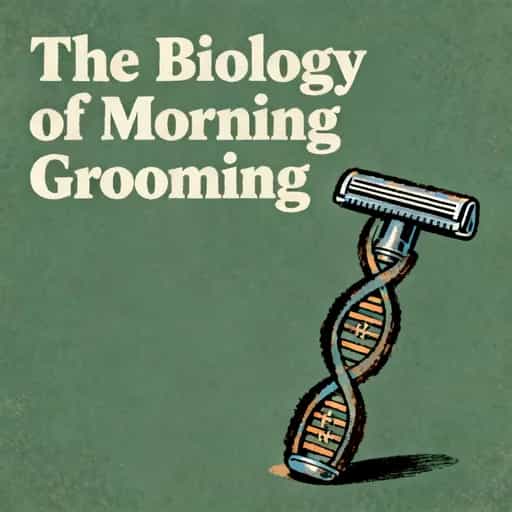
Spring Fever: The Science of Avian Mating
Discover how increasing daylight triggers biological shifts in birds, driving the intense nesting hustle and mating rituals you see every March.

Лучшая цитата из Spring Fever: The Science of Avian Mating
The 'March surge' is a high-stakes race where the prize is a legacy; these birds aren't just reacting to the season, they are predicting it through a complex calculation of light, rain, and heat.
Generated by Freedee_C80FE9AB
When is the season the male birds start looking for mates in natural instincts cause I’ve noticed it’s march getting close to April and the male birds are all around my house


Часто задаваемые вопросы
The primary "master switch" for birds in temperate zones is photoperiodism, which is the biological response to the lengthening of days. As daylight increases and hits a critical threshold, it triggers hormonal changes that physically prepare the birds to breed, even causing a male bird’s internal reproductive organs to swell to over 1,000 times their normal size. This light-based "timer" allows birds to forecast when food will be most abundant so their eggs hatch exactly when insects are most active.
Breeding early is a high-stakes competitive strategy known as "prior occupancy." Birds that claim territories and nesting sites early in the season secure the best "real estate" and have a higher chance of successfully raising multiple broods. Furthermore, chicks that fledge early in the spring have more time to grow strong and claim their own winter territories, giving them a significant social advantage and a higher survival rate compared to birds hatched later in the summer.
Climate change can cause a "phenological mismatch" where birds and their food sources fall out of sync. While birds often rely on day length to time their breeding, the insects they feed their young respond more to temperature. If a warm spring causes insects to peak early but the birds follow their traditional light-based schedule, the chicks may hatch after the food peak has passed. While some species like House Wrens are adapting by nesting earlier, migratory birds struggle because the environmental cues at their wintering grounds may not match the changing conditions at their nesting sites.
Near the equator, where day length remains relatively constant throughout the year, birds rely on different environmental cues than those in the north. Instead of photoperiodism, tropical birds are triggered by factors such as rainfall patterns and the intensity of the sun. In these regions, breeding often kicks off after the rainiest months or when "subjective" sunshine hours increase, and some species may even breed twice a year to track multiple peaks in food availability.
Создано выпускниками Колумбийского университета в Сан-Франциско
"Instead of endless scrolling, I just hit play on BeFreed. It saves me so much time."


"I never knew where to start with nonfiction—BeFreed’s book lists turned into podcasts gave me a clear path."


"Perfect balance between learning and entertainment. Finished ‘Thinking, Fast and Slow’ on my commute this week."
"Crazy how much I learned while walking the dog. BeFreed = small habits → big gains."
"Reading used to feel like a chore. Now it’s just part of my lifestyle."

"Feels effortless compared to reading. I’ve finished 6 books this month already."
"BeFreed turned my guilty doomscrolling into something that feels productive and inspiring."

"BeFreed turned my commute into learning time. 20-min podcasts are perfect for finishing books I never had time for."
"BeFreed replaced my podcast queue. Imagine Spotify for books — that’s it. 🙌"

"It is great for me to learn something from the book without reading it."
"The themed book list podcasts help me connect ideas across authors—like a guided audio journey."
"Makes me feel smarter every time before going to work"
Создано выпускниками Колумбийского университета в Сан-Франциско
"Instead of endless scrolling, I just hit play on BeFreed. It saves me so much time."
"I never knew where to start with nonfiction—BeFreed’s book lists turned into podcasts gave me a clear path."
"Perfect balance between learning and entertainment. Finished ‘Thinking, Fast and Slow’ on my commute this week."
"Crazy how much I learned while walking the dog. BeFreed = small habits → big gains."
"Reading used to feel like a chore. Now it’s just part of my lifestyle."
"Feels effortless compared to reading. I’ve finished 6 books this month already."
"BeFreed turned my guilty doomscrolling into something that feels productive and inspiring."
"BeFreed turned my commute into learning time. 20-min podcasts are perfect for finishing books I never had time for."
"BeFreed replaced my podcast queue. Imagine Spotify for books — that’s it. 🙌"
"It is great for me to learn something from the book without reading it."
"The themed book list podcasts help me connect ideas across authors—like a guided audio journey."
"Makes me feel smarter every time before going to work"
"Instead of endless scrolling, I just hit play on BeFreed. It saves me so much time."
"I never knew where to start with nonfiction—BeFreed’s book lists turned into podcasts gave me a clear path."
"Perfect balance between learning and entertainment. Finished ‘Thinking, Fast and Slow’ on my commute this week."
"Crazy how much I learned while walking the dog. BeFreed = small habits → big gains."
"Reading used to feel like a chore. Now it’s just part of my lifestyle."
"Feels effortless compared to reading. I’ve finished 6 books this month already."
"BeFreed turned my guilty doomscrolling into something that feels productive and inspiring."
"BeFreed turned my commute into learning time. 20-min podcasts are perfect for finishing books I never had time for."
"BeFreed replaced my podcast queue. Imagine Spotify for books — that’s it. 🙌"
"It is great for me to learn something from the book without reading it."
"The themed book list podcasts help me connect ideas across authors—like a guided audio journey."
"Makes me feel smarter every time before going to work"
"Instead of endless scrolling, I just hit play on BeFreed. It saves me so much time."
"I never knew where to start with nonfiction—BeFreed’s book lists turned into podcasts gave me a clear path."
"Perfect balance between learning and entertainment. Finished ‘Thinking, Fast and Slow’ on my commute this week."
"Crazy how much I learned while walking the dog. BeFreed = small habits → big gains."
"Reading used to feel like a chore. Now it’s just part of my lifestyle."
"Feels effortless compared to reading. I’ve finished 6 books this month already."
"BeFreed turned my guilty doomscrolling into something that feels productive and inspiring."
"BeFreed turned my commute into learning time. 20-min podcasts are perfect for finishing books I never had time for."
"BeFreed replaced my podcast queue. Imagine Spotify for books — that’s it. 🙌"
"It is great for me to learn something from the book without reading it."
"The themed book list podcasts help me connect ideas across authors—like a guided audio journey."
"Makes me feel smarter every time before going to work"