Reset Your Nervous System: From Survival to Safety
Discover the biological mechanics of stress and learn a practical toolkit of breathwork, cold exposure, and vagal activation to silence survival mode and reclaim your calm.

Лучшая цитата из Reset Your Nervous System: From Survival to Safety
Your body doesn't speak logic; it speaks felt safety. Resilience isn't about staying in the safe zone twenty-four-seven; it is about the flexibility to move fluidly between states without getting stuck.
Generated by Finn
I want to learn about how to reset my nervous system

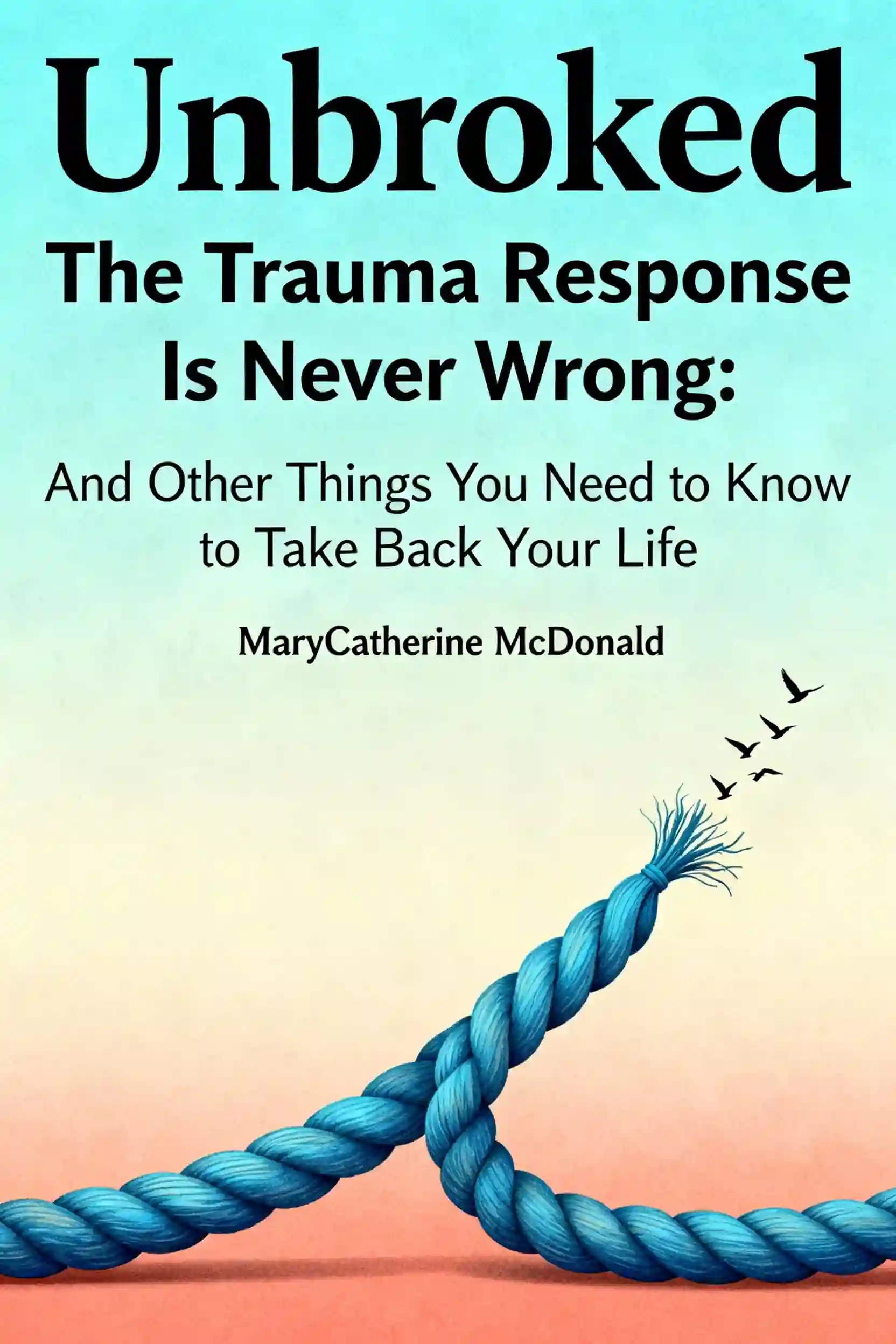
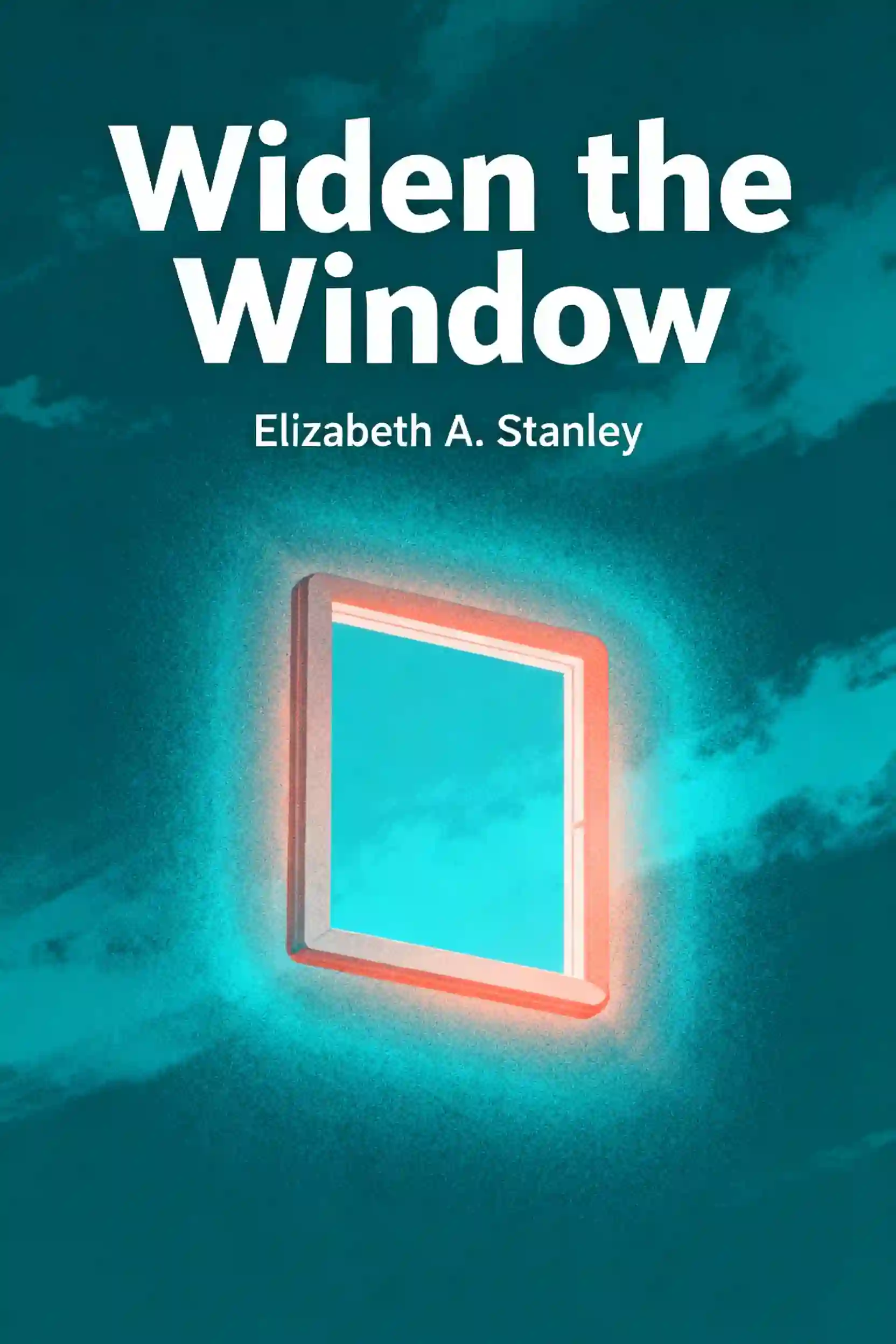
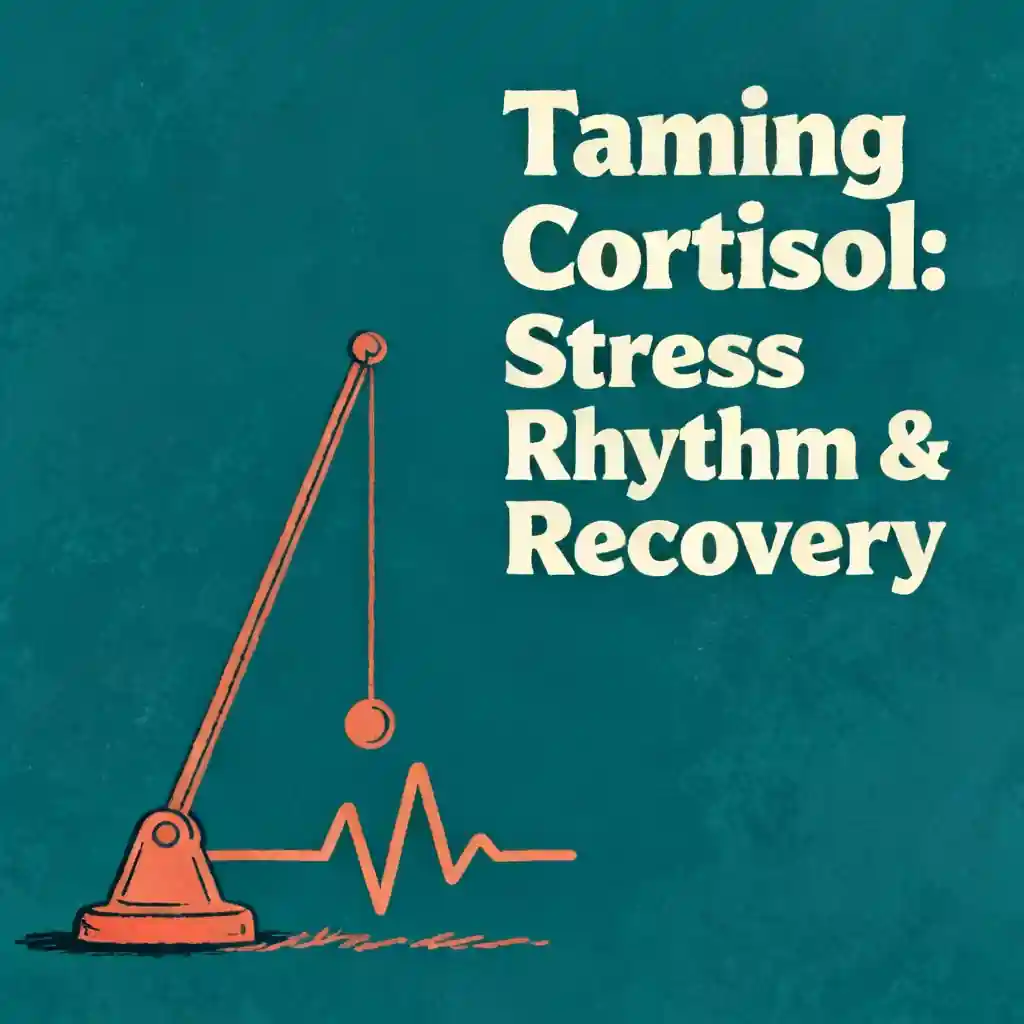
Часто задаваемые вопросы
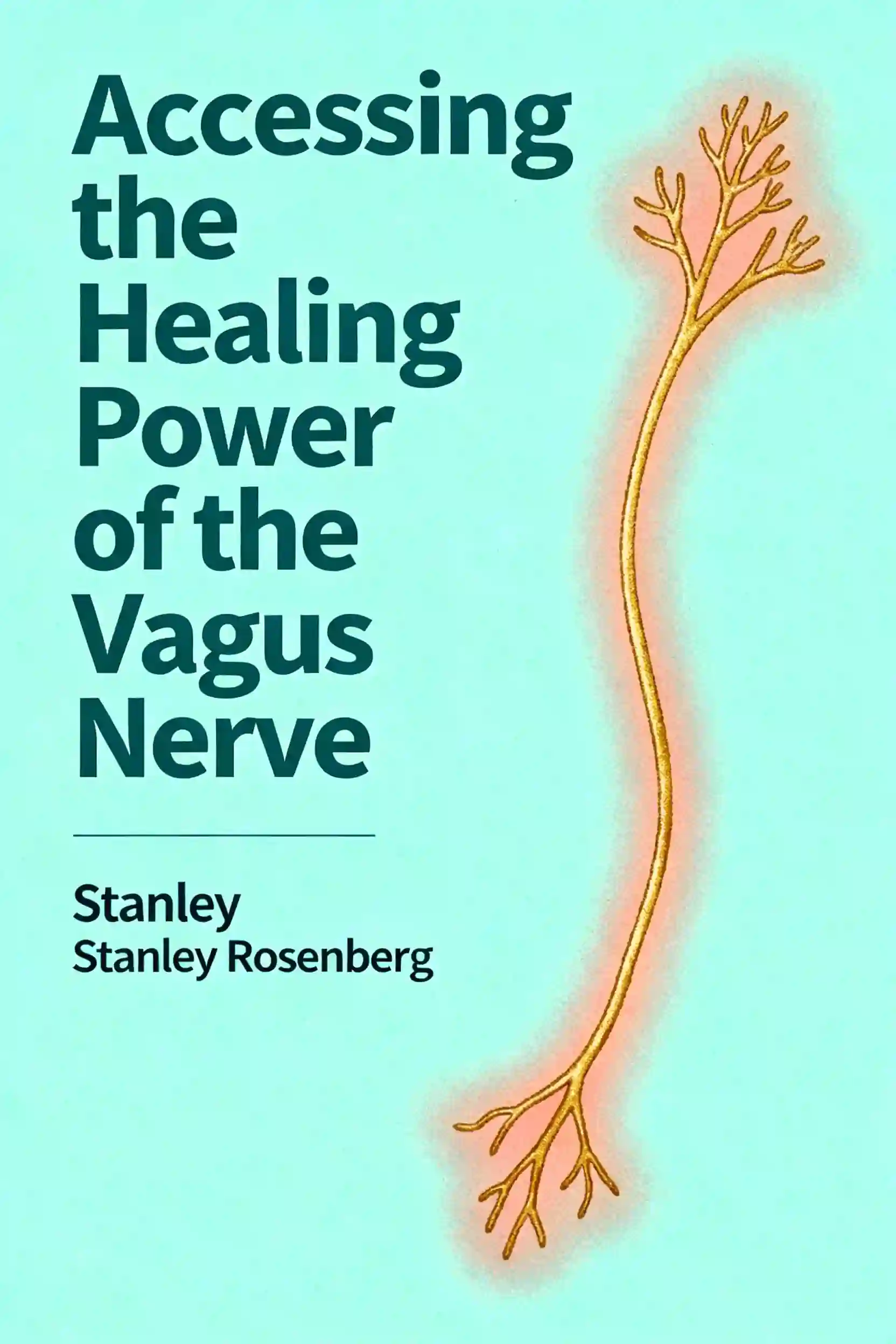
The script explains that your nervous system speaks the language of "felt safety" rather than logic. About eighty percent of the vagus nerve fibers are sensory, meaning they primarily carry data from your body up to your brain. If your heart rate, breathing, and gut signals indicate a threat, your brain will remain in a survival state regardless of your conscious thoughts. To change your mind, you must first change the physical signals in your body through bottom-up regulation.
According to the polyvagal framework, the nervous system operates in three zones. The Ventral Vagal state is the "safe and social" zone where the body rests and digests. The Sympathetic state is the "fight-or-flight" response characterized by mobilization and adrenaline. The Dorsal Vagal state is a state of immobilization or "freeze" that occurs when the body perceives escape is impossible, leading to feelings of numbness or hopelessness. Resilience is the ability to move fluidly between these states rather than getting stuck in one.
The physiological sigh is a specific breathing technique involving a double inhale followed by a long, sighing exhale. This mechanical action helps to re-expand the tiny air sacs in the lungs and efficiently offload carbon dioxide. Since an accumulation of carbon dioxide is often the chemical trigger for "air hunger" or feelings of panic, this breath provides an immediate signal to the brainstem that the danger has passed.
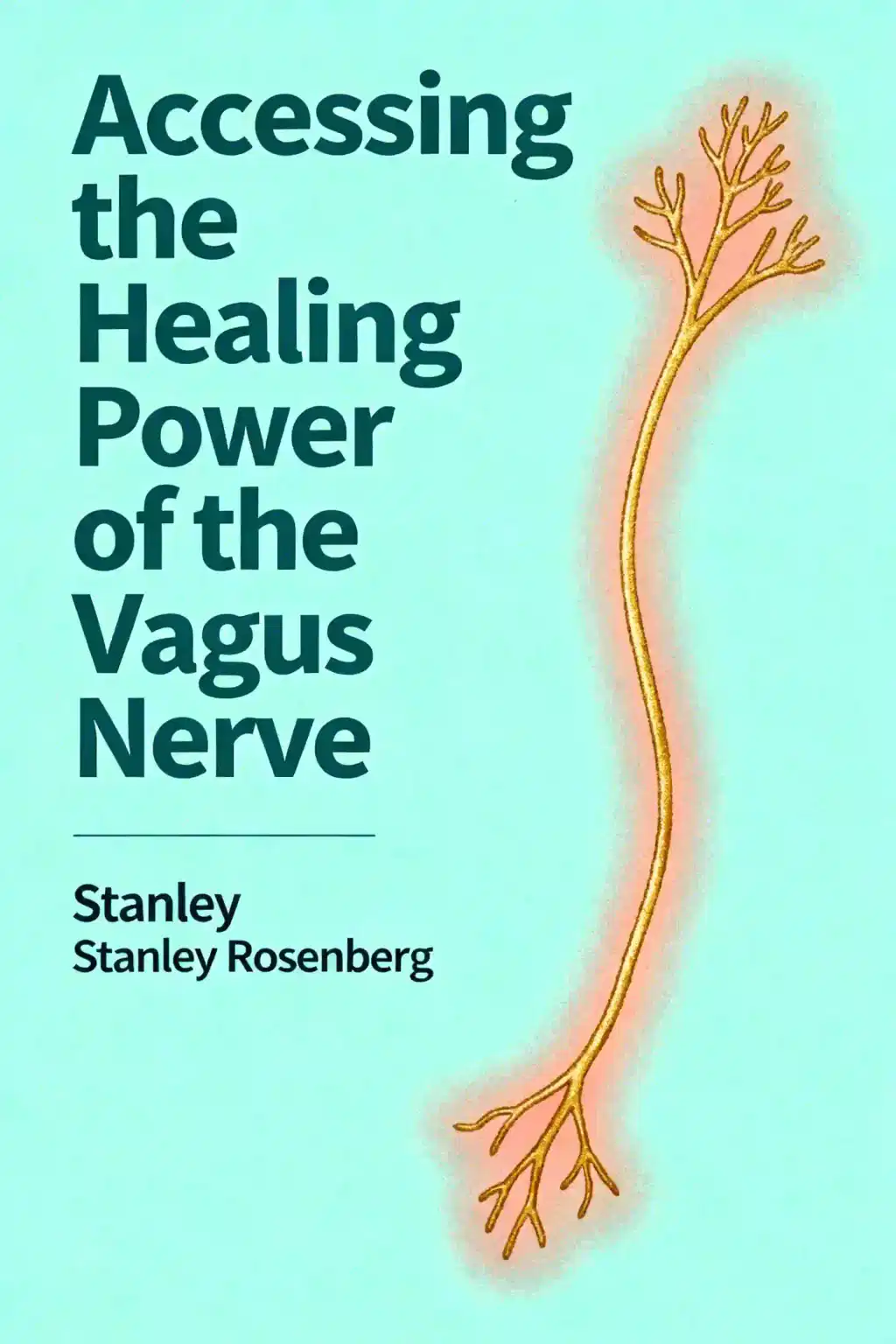
The vagus nerve passes directly through the area of the vocal cords and the throat. Mechanical vibrations from humming, chanting, or singing physically stimulate the vagal branches, promoting a sense of calm. Similarly, vigorous gargling activates muscles in the back of the throat that are directly connected to the vagus nerve. These activities serve as a "workout" for your vagal tone, helping your system return to a baseline of rest more efficiently.
Splashing cold water on your face or taking a brief cold shower triggers the "mammalian dive reflex." This ancient survival mechanism automatically slows the heart rate and redirects blood to the body's core. While the initial shock creates a short burst of "good stress," it is followed by a profound relaxation response. Consistent, short-term cold exposure can increase neuroplasticity and teach the nervous system to recover from shocks more quickly.
Создано выпускниками Колумбийского университета в Сан-Франциско
"Instead of endless scrolling, I just hit play on BeFreed. It saves me so much time."


"I never knew where to start with nonfiction—BeFreed’s book lists turned into podcasts gave me a clear path."


"Perfect balance between learning and entertainment. Finished ‘Thinking, Fast and Slow’ on my commute this week."
"Crazy how much I learned while walking the dog. BeFreed = small habits → big gains."
"Reading used to feel like a chore. Now it’s just part of my lifestyle."

"Feels effortless compared to reading. I’ve finished 6 books this month already."
"BeFreed turned my guilty doomscrolling into something that feels productive and inspiring."

"BeFreed turned my commute into learning time. 20-min podcasts are perfect for finishing books I never had time for."
"BeFreed replaced my podcast queue. Imagine Spotify for books — that’s it. 🙌"

"It is great for me to learn something from the book without reading it."
"The themed book list podcasts help me connect ideas across authors—like a guided audio journey."
"Makes me feel smarter every time before going to work"
Создано выпускниками Колумбийского университета в Сан-Франциско
"Instead of endless scrolling, I just hit play on BeFreed. It saves me so much time."
"I never knew where to start with nonfiction—BeFreed’s book lists turned into podcasts gave me a clear path."
"Perfect balance between learning and entertainment. Finished ‘Thinking, Fast and Slow’ on my commute this week."
"Crazy how much I learned while walking the dog. BeFreed = small habits → big gains."
"Reading used to feel like a chore. Now it’s just part of my lifestyle."
"Feels effortless compared to reading. I’ve finished 6 books this month already."
"BeFreed turned my guilty doomscrolling into something that feels productive and inspiring."
"BeFreed turned my commute into learning time. 20-min podcasts are perfect for finishing books I never had time for."
"BeFreed replaced my podcast queue. Imagine Spotify for books — that’s it. 🙌"
"It is great for me to learn something from the book without reading it."
"The themed book list podcasts help me connect ideas across authors—like a guided audio journey."
"Makes me feel smarter every time before going to work"
"Instead of endless scrolling, I just hit play on BeFreed. It saves me so much time."
"I never knew where to start with nonfiction—BeFreed’s book lists turned into podcasts gave me a clear path."
"Perfect balance between learning and entertainment. Finished ‘Thinking, Fast and Slow’ on my commute this week."
"Crazy how much I learned while walking the dog. BeFreed = small habits → big gains."
"Reading used to feel like a chore. Now it’s just part of my lifestyle."
"Feels effortless compared to reading. I’ve finished 6 books this month already."
"BeFreed turned my guilty doomscrolling into something that feels productive and inspiring."
"BeFreed turned my commute into learning time. 20-min podcasts are perfect for finishing books I never had time for."
"BeFreed replaced my podcast queue. Imagine Spotify for books — that’s it. 🙌"
"It is great for me to learn something from the book without reading it."
"The themed book list podcasts help me connect ideas across authors—like a guided audio journey."
"Makes me feel smarter every time before going to work"
"Instead of endless scrolling, I just hit play on BeFreed. It saves me so much time."
"I never knew where to start with nonfiction—BeFreed’s book lists turned into podcasts gave me a clear path."
"Perfect balance between learning and entertainment. Finished ‘Thinking, Fast and Slow’ on my commute this week."
"Crazy how much I learned while walking the dog. BeFreed = small habits → big gains."
"Reading used to feel like a chore. Now it’s just part of my lifestyle."
"Feels effortless compared to reading. I’ve finished 6 books this month already."
"BeFreed turned my guilty doomscrolling into something that feels productive and inspiring."
"BeFreed turned my commute into learning time. 20-min podcasts are perfect for finishing books I never had time for."
"BeFreed replaced my podcast queue. Imagine Spotify for books — that’s it. 🙌"
"It is great for me to learn something from the book without reading it."
"The themed book list podcasts help me connect ideas across authors—like a guided audio journey."
"Makes me feel smarter every time before going to work"