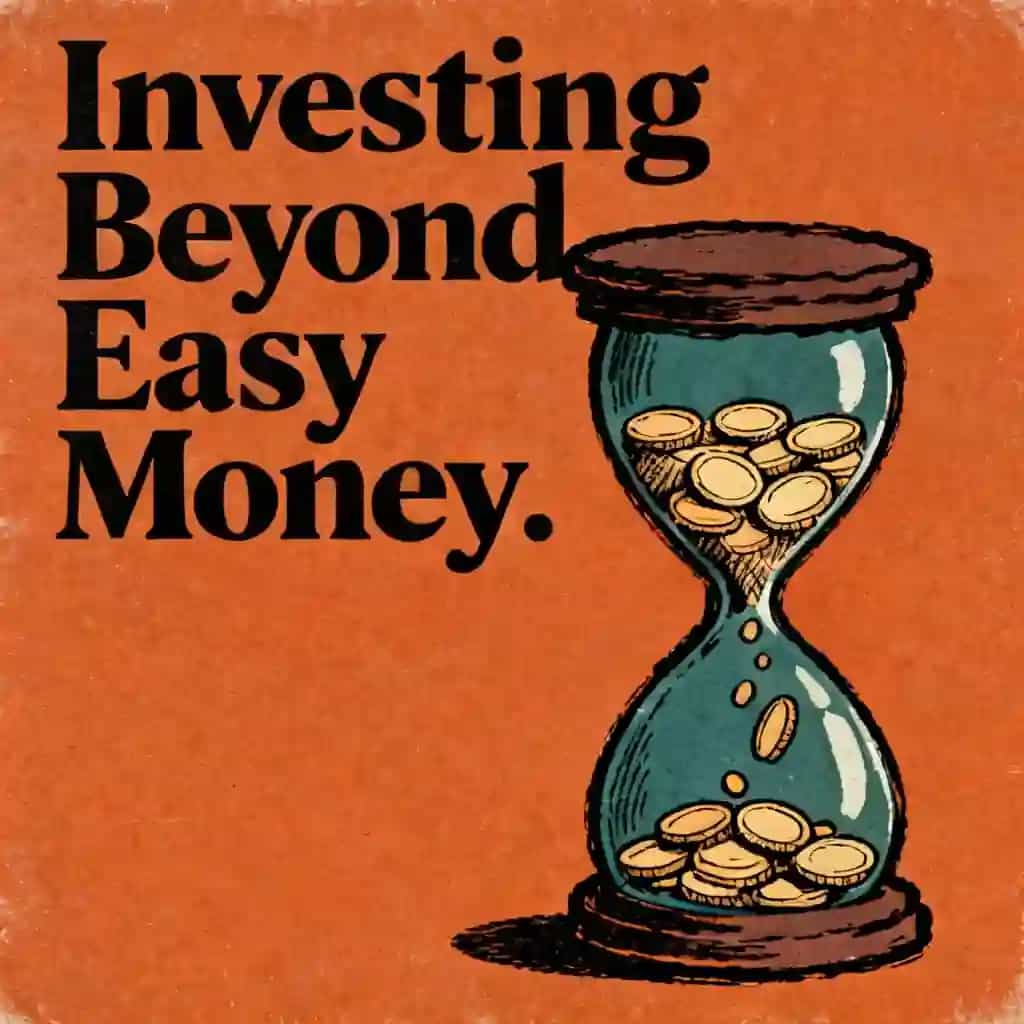
Investing in Private Markets: A Guide for Singaporean Investors
Learn how to invest in private markets as a Singaporean investor. Explore private equity, alternative investments, and the key risks involved in this asset class.

Лучшая цитата из Investing in Private Markets: A Guide for Singaporean Investors
Regulators realized that by 'protecting' retail investors from the private market, they were actually 'excluding' them from one of the best ways to build wealth. By the time a company 'IPOs' today, a lot of the 'wealth creation' has already happened in the private market.

Этот аудиоурок был создан участником сообщества BeFreed
I’d like to learn about private markets, how they work, and how to invest in them effectively as a Singaporean. I’d like to understand about the risks as well.


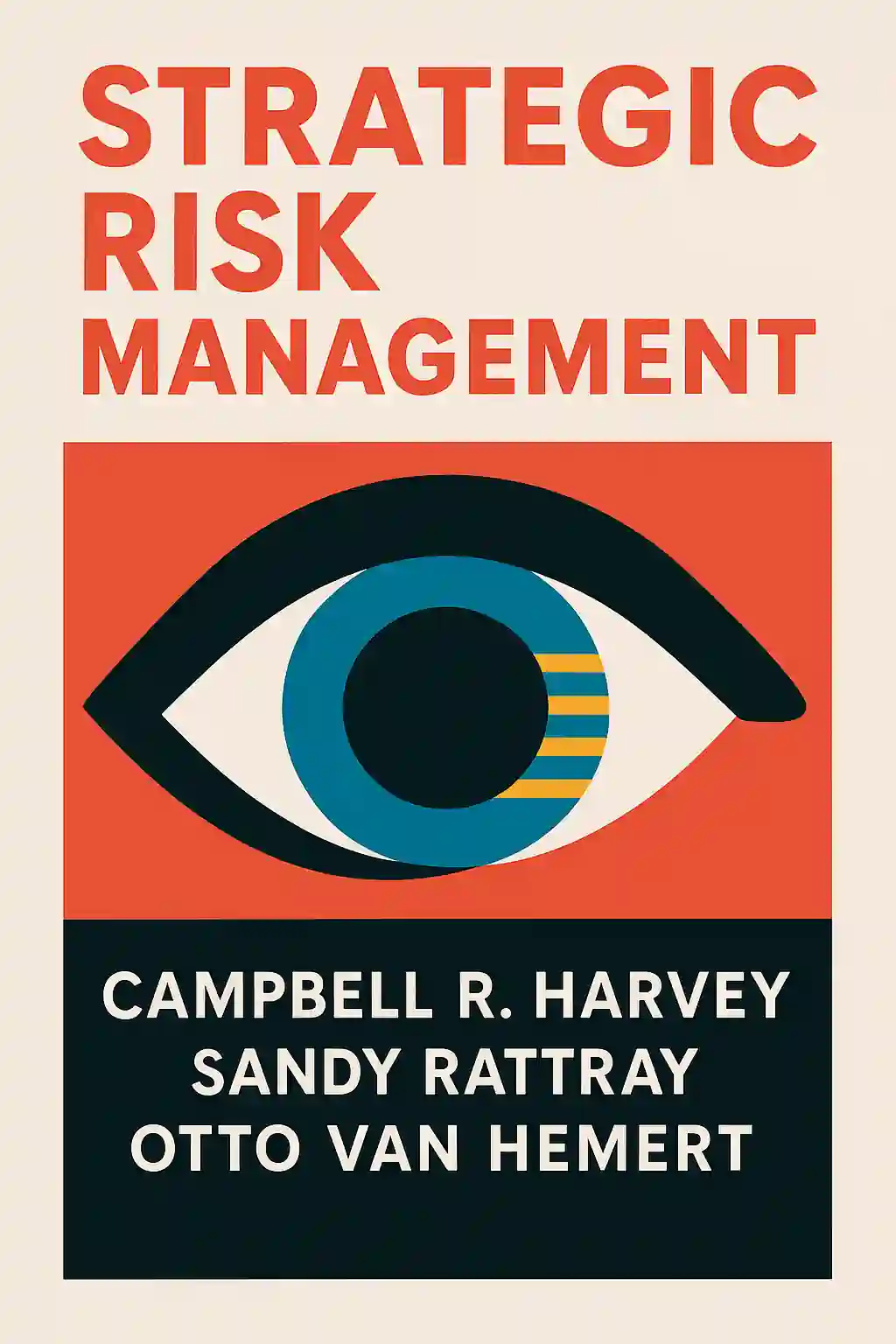
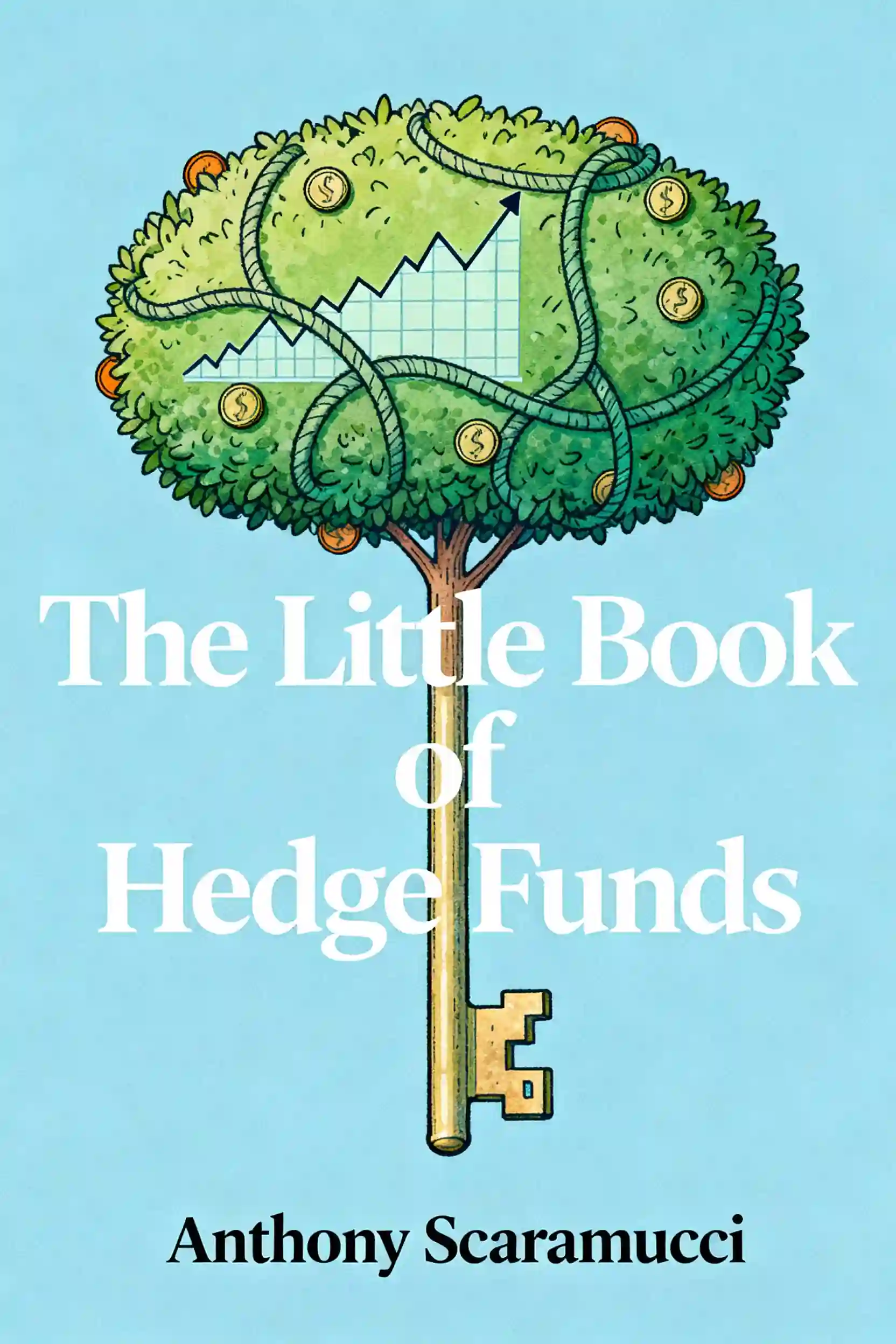
Часто задаваемые вопросы
Private markets refer to investment opportunities in assets that are not traded on public exchanges, such as private equity, venture capital, and private debt. For Singaporean investors, these alternative investments offer a way to diversify portfolios beyond traditional stocks and bonds. Accessing these markets typically involves investing through specialized funds or platforms that focus on private companies, providing capital in exchange for equity or debt positions that are held over a longer period.
Investing in private markets carries specific risks that differ from public markets, including lower liquidity and higher capital requirements. Because these assets are not traded on public exchanges, it can be difficult to exit a position quickly, often requiring a multi-year commitment. Additionally, there is a higher risk of capital loss and less frequent valuation updates. Singaporean investors should carefully assess their risk tolerance and ensure they have a long-term investment horizon before allocating capital to private equity or other alternatives.
Singaporean investors can access private equity and other private market opportunities through various channels, including wealth management firms, private banks, and digital investment platforms. Many of these options cater to accredited investors, though some retail-friendly structures are emerging. It is essential to research the specific fund managers, understand the fee structures, and evaluate the underlying assets. By focusing on diversified private market funds, investors in Singapore can gain exposure to high-growth companies that are not available on the public stock exchange.
Узнать больше

Investing & history
This learning plan bridges timeless investment wisdom with practical portfolio construction skills, essential for anyone seeking to build lasting wealth through markets. It's ideal for aspiring investors, finance professionals, or anyone managing their own retirement accounts who wants to move beyond surface-level knowledge and understand both the principles and historical context that separate successful long-term investors from speculators.

Learn alternative investments
Alternative investments have become essential for sophisticated portfolio management, offering diversification, inflation protection, and return enhancement beyond traditional asset classes. This learning plan is ideal for financial professionals, accredited investors, and ambitious individuals seeking to understand how institutional investors and family offices allocate capital across private markets, real assets, and emerging digital opportunities.

Profit from stock investments
This learning plan provides a comprehensive path from stock market beginner to sophisticated investor, combining timeless principles from investing legends with modern analytical tools. It's ideal for anyone seeking to build lasting wealth through stock investments—whether you're starting from scratch, looking to formalize your self-taught knowledge, or wanting to upgrade from passive index investing to active stock selection with proven strategies.

Stock Market Essentials for Beginners
This learning plan is designed for individuals who want to demystify the financial markets and start building personal wealth. It bridges the gap between theoretical ownership and the practical execution of trades, making it ideal for absolute beginners.

Understand us stock market
The US stock market has historically been one of the most reliable paths to building long-term wealth, yet many people miss out due to lack of knowledge and strategy. This learning plan is ideal for beginners who want to invest confidently, as well as intermediate investors looking to refine their approach with proven frameworks for analysis, risk management, and sustainable wealth creation.

Boost investing intelligence
This learning plan transforms beginners and intermediate investors into confident, intelligent decision-makers by combining timeless investment principles with modern portfolio theory and behavioral science. It's ideal for anyone who wants to move beyond reactive trading and build sustainable wealth through disciplined, strategic investing grounded in proven frameworks used by the world's most successful investors.

The Curious Investor's Playbook
This playbook is designed for individuals who want to move beyond basic saving and start building a multi-asset investment strategy. It provides a balanced foundation for anyone looking to master stocks, real estate, and digital assets while maintaining financial security.

Invest & Build Lasting Passive Income
This learning plan is essential for individuals seeking financial independence through diversified revenue streams rather than a single paycheck. It provides a comprehensive roadmap for professionals and aspiring investors to master stock market, real estate, and digital business fundamentals.
Создано выпускниками Колумбийского университета в Сан-Франциско
"Instead of endless scrolling, I just hit play on BeFreed. It saves me so much time."


"I never knew where to start with nonfiction—BeFreed’s book lists turned into podcasts gave me a clear path."


"Perfect balance between learning and entertainment. Finished ‘Thinking, Fast and Slow’ on my commute this week."
"Crazy how much I learned while walking the dog. BeFreed = small habits → big gains."
"Reading used to feel like a chore. Now it’s just part of my lifestyle."

"Feels effortless compared to reading. I’ve finished 6 books this month already."
"BeFreed turned my guilty doomscrolling into something that feels productive and inspiring."

"BeFreed turned my commute into learning time. 20-min podcasts are perfect for finishing books I never had time for."
"BeFreed replaced my podcast queue. Imagine Spotify for books — that’s it. 🙌"

"It is great for me to learn something from the book without reading it."
"The themed book list podcasts help me connect ideas across authors—like a guided audio journey."
"Makes me feel smarter every time before going to work"
Создано выпускниками Колумбийского университета в Сан-Франциско
"Instead of endless scrolling, I just hit play on BeFreed. It saves me so much time."
"I never knew where to start with nonfiction—BeFreed’s book lists turned into podcasts gave me a clear path."
"Perfect balance between learning and entertainment. Finished ‘Thinking, Fast and Slow’ on my commute this week."
"Crazy how much I learned while walking the dog. BeFreed = small habits → big gains."
"Reading used to feel like a chore. Now it’s just part of my lifestyle."
"Feels effortless compared to reading. I’ve finished 6 books this month already."
"BeFreed turned my guilty doomscrolling into something that feels productive and inspiring."
"BeFreed turned my commute into learning time. 20-min podcasts are perfect for finishing books I never had time for."
"BeFreed replaced my podcast queue. Imagine Spotify for books — that’s it. 🙌"
"It is great for me to learn something from the book without reading it."
"The themed book list podcasts help me connect ideas across authors—like a guided audio journey."
"Makes me feel smarter every time before going to work"
"Instead of endless scrolling, I just hit play on BeFreed. It saves me so much time."
"I never knew where to start with nonfiction—BeFreed’s book lists turned into podcasts gave me a clear path."
"Perfect balance between learning and entertainment. Finished ‘Thinking, Fast and Slow’ on my commute this week."
"Crazy how much I learned while walking the dog. BeFreed = small habits → big gains."
"Reading used to feel like a chore. Now it’s just part of my lifestyle."
"Feels effortless compared to reading. I’ve finished 6 books this month already."
"BeFreed turned my guilty doomscrolling into something that feels productive and inspiring."
"BeFreed turned my commute into learning time. 20-min podcasts are perfect for finishing books I never had time for."
"BeFreed replaced my podcast queue. Imagine Spotify for books — that’s it. 🙌"
"It is great for me to learn something from the book without reading it."
"The themed book list podcasts help me connect ideas across authors—like a guided audio journey."
"Makes me feel smarter every time before going to work"
"Instead of endless scrolling, I just hit play on BeFreed. It saves me so much time."
"I never knew where to start with nonfiction—BeFreed’s book lists turned into podcasts gave me a clear path."
"Perfect balance between learning and entertainment. Finished ‘Thinking, Fast and Slow’ on my commute this week."
"Crazy how much I learned while walking the dog. BeFreed = small habits → big gains."
"Reading used to feel like a chore. Now it’s just part of my lifestyle."
"Feels effortless compared to reading. I’ve finished 6 books this month already."
"BeFreed turned my guilty doomscrolling into something that feels productive and inspiring."
"BeFreed turned my commute into learning time. 20-min podcasts are perfect for finishing books I never had time for."
"BeFreed replaced my podcast queue. Imagine Spotify for books — that’s it. 🙌"
"It is great for me to learn something from the book without reading it."
"The themed book list podcasts help me connect ideas across authors—like a guided audio journey."
"Makes me feel smarter every time before going to work"