Mind and soul: Why you feel off even when life is good
Struggling with a sense of emptiness despite doing everything right? Explore how to align your mind and soul to find deeper meaning and true well-being.

Лучшая цитата из Mind and soul: Why you feel off even when life is good
We have to stop treating ourselves like 'projects to be optimized' and start treating ourselves like 'mysteries to be lived.'
Generated by T
Mind and soul

Часто задаваемые вопросы
Dualism, famously associated with René Descartes, suggests that the mind and body are two fundamentally different substances: the mind is a non-physical "thinking thing," while the body is a physical "machine." In contrast, monism, supported by thinkers like Baruch Spinoza, argues that the mind and body are not separate entities interacting with each other, but rather two different ways of looking at the same underlying substance. Using the analogy of a coin, the physical brain and the mental experience are simply two sides of the same object; one cannot exist without the other, and they function in perfect synchronicity because they were never truly apart.
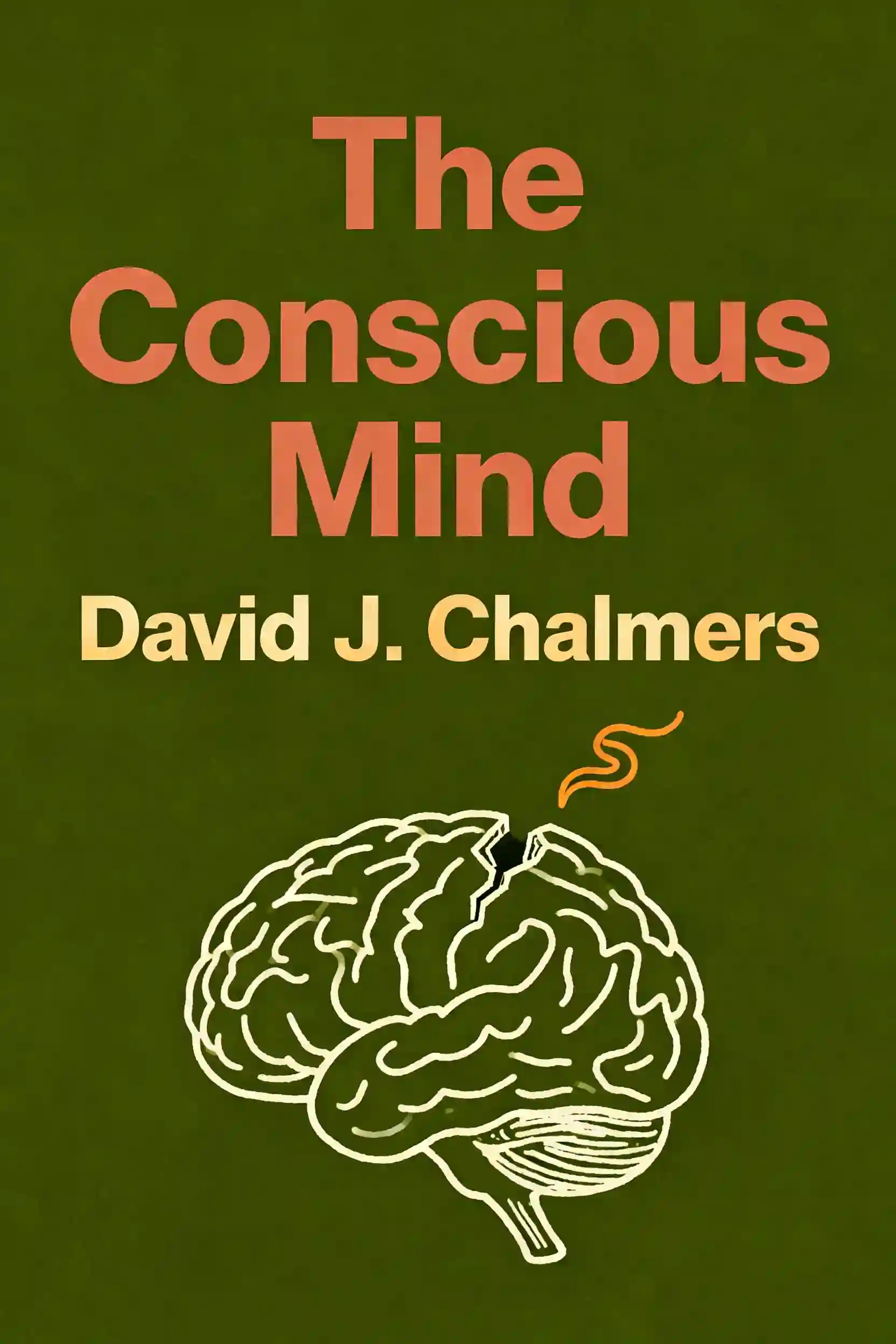
The "hard problem," a term coined by David Chalmers, asks why and how physical processes in the brain give rise to subjective, felt experiences. While science can map how neurons fire when we look at a blue sky, it struggles to explain why that biological process results in the internal, vibrant sensation of "blueness" rather than just dark data processing. This gap is often illustrated by the "philosophical zombie" argument, which imagines a being that functions exactly like a human physically but lacks any inner light or subjective "one" home to experience life.
A functional view defines personhood based on capacities, such as the ability to reason, communicate, or be self-aware. The danger of this perspective is that if an individual loses these functions—due to infancy, advanced dementia, or injury—they might be seen as losing their personhood. The ontological view, rooted in the Thomistic tradition, argues that dignity and personhood are inherent to a human being's nature rather than their performance. In this view, a person remains a person with full dignity regardless of their current ability to function, much like a bird with a broken wing still possesses a "flying nature" even if it cannot currently fly.
Embodied cognition is the theory that the mind is not just a "brain in a jar" processing data, but is fundamentally shaped by the body's interactions with the physical world. It moves away from the idea of the body as a mere biological machine or a "suit" for the soul, viewing it instead as the visible expression of the person. Under this framework, our thoughts and emotions are "enactive," meaning they happen through our movements, senses, and physical presence. This suggests that physical symptoms or actions are not just biological errors or tools, but are deeply loaded with mental and spiritual meaning.
Relationality suggests that a person is not an isolated, self-contained unit, but a "being-with" whose existence is defined by connections to others. Philosophers like Gabriel Marcel and Martin Buber argue that the "I" is actually awakened through the encounter with a "Thou." This means that our roles—such as being a daughter, a friend, or a parent—are not just social labels but are constitutive of our very being. This perspective emphasizes that human dignity is inalienable and that we find our fullest selves not through isolation, but through the "spousal structure" of giving ourselves to others in communion.
Создано выпускниками Колумбийского университета в Сан-Франциско
"Instead of endless scrolling, I just hit play on BeFreed. It saves me so much time."


"I never knew where to start with nonfiction—BeFreed’s book lists turned into podcasts gave me a clear path."


"Perfect balance between learning and entertainment. Finished ‘Thinking, Fast and Slow’ on my commute this week."
"Crazy how much I learned while walking the dog. BeFreed = small habits → big gains."
"Reading used to feel like a chore. Now it’s just part of my lifestyle."

"Feels effortless compared to reading. I’ve finished 6 books this month already."
"BeFreed turned my guilty doomscrolling into something that feels productive and inspiring."

"BeFreed turned my commute into learning time. 20-min podcasts are perfect for finishing books I never had time for."
"BeFreed replaced my podcast queue. Imagine Spotify for books — that’s it. 🙌"

"It is great for me to learn something from the book without reading it."
"The themed book list podcasts help me connect ideas across authors—like a guided audio journey."
"Makes me feel smarter every time before going to work"
 Ask ChatGPT
 Ask Claude
Создано выпускниками Колумбийского университета в Сан-Франциско
"Instead of endless scrolling, I just hit play on BeFreed. It saves me so much time."
"I never knew where to start with nonfiction—BeFreed’s book lists turned into podcasts gave me a clear path."
"Perfect balance between learning and entertainment. Finished ‘Thinking, Fast and Slow’ on my commute this week."
"Crazy how much I learned while walking the dog. BeFreed = small habits → big gains."
"Reading used to feel like a chore. Now it’s just part of my lifestyle."
"Feels effortless compared to reading. I’ve finished 6 books this month already."
"BeFreed turned my guilty doomscrolling into something that feels productive and inspiring."
"BeFreed turned my commute into learning time. 20-min podcasts are perfect for finishing books I never had time for."
"BeFreed replaced my podcast queue. Imagine Spotify for books — that’s it. 🙌"
"It is great for me to learn something from the book without reading it."
"The themed book list podcasts help me connect ideas across authors—like a guided audio journey."
"Makes me feel smarter every time before going to work"
"Instead of endless scrolling, I just hit play on BeFreed. It saves me so much time."
"I never knew where to start with nonfiction—BeFreed’s book lists turned into podcasts gave me a clear path."
"Perfect balance between learning and entertainment. Finished ‘Thinking, Fast and Slow’ on my commute this week."
"Crazy how much I learned while walking the dog. BeFreed = small habits → big gains."
"Reading used to feel like a chore. Now it’s just part of my lifestyle."
"Feels effortless compared to reading. I’ve finished 6 books this month already."
"BeFreed turned my guilty doomscrolling into something that feels productive and inspiring."
"BeFreed turned my commute into learning time. 20-min podcasts are perfect for finishing books I never had time for."
"BeFreed replaced my podcast queue. Imagine Spotify for books — that’s it. 🙌"
"It is great for me to learn something from the book without reading it."
"The themed book list podcasts help me connect ideas across authors—like a guided audio journey."
"Makes me feel smarter every time before going to work"
"Instead of endless scrolling, I just hit play on BeFreed. It saves me so much time."
"I never knew where to start with nonfiction—BeFreed’s book lists turned into podcasts gave me a clear path."
"Perfect balance between learning and entertainment. Finished ‘Thinking, Fast and Slow’ on my commute this week."
"Crazy how much I learned while walking the dog. BeFreed = small habits → big gains."
"Reading used to feel like a chore. Now it’s just part of my lifestyle."
"Feels effortless compared to reading. I’ve finished 6 books this month already."
"BeFreed turned my guilty doomscrolling into something that feels productive and inspiring."
"BeFreed turned my commute into learning time. 20-min podcasts are perfect for finishing books I never had time for."
"BeFreed replaced my podcast queue. Imagine Spotify for books — that’s it. 🙌"
"It is great for me to learn something from the book without reading it."
"The themed book list podcasts help me connect ideas across authors—like a guided audio journey."
"Makes me feel smarter every time before going to work"