Maslow’s Self-Actualization vs. Jung’s Individuation Explained
Explore the differences between Maslow’s self-actualization and Jung’s individuation. Learn how humanistic and analytical psychology approach personal growth.

Лучшая цитата из Maslow’s Self-Actualization vs. Jung’s Individuation Explained
The 'unlived life' is not about what you failed to do, but about the deeper parts of yourself that you never allowed to inhabit your actual days. It is a psychological debt that eventually comes due, acting as a summons to stop living partially and begin living more fully.
Generated by Jonathan
Maslow’s Self actualization and Jung’s individualization or similar






Часто задаваемые вопросы
While both concepts focus on personal development, they stem from different psychological schools. Abraham Maslow’s self-actualization is rooted in humanistic psychology and represents the fulfillment of one's potential after meeting basic needs in the hierarchy of needs. In contrast, Carl Jung’s individuation comes from analytical psychology and involves integrating the conscious and unconscious mind to become a whole, unique individual. Maslow emphasizes achievement and growth, while Jung focuses on internal psychic integration.
In Abraham Maslow's framework, the Hierarchy of Needs serves as a roadmap for human motivation. Self-actualization sits at the very top of this pyramid, representing the final stage of psychological development where an individual realizes their full potential. Before reaching this state, one must typically satisfy lower-level deficiency needs, such as physiological requirements, safety, love, and esteem. This structured approach distinguishes humanistic psychology from other theories of personal growth.
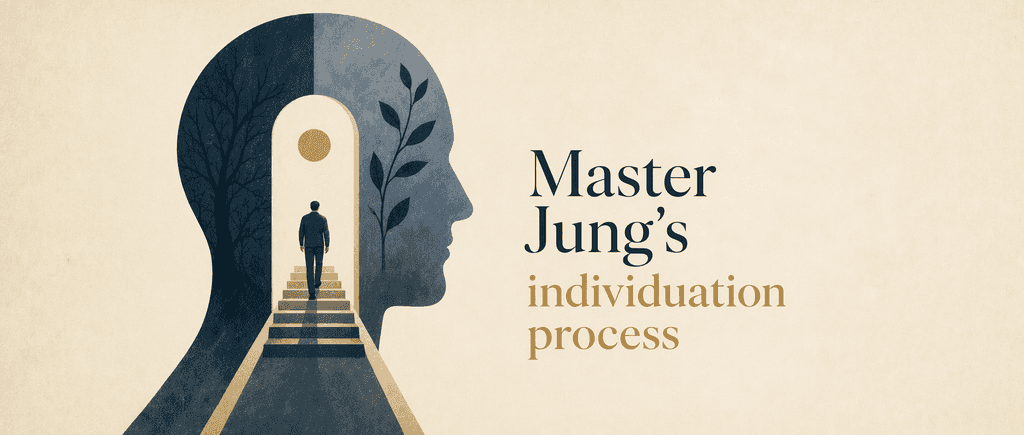
In analytical psychology, Carl Jung views individuation as a lifelong process of becoming aware of oneself, which heavily involves the unconscious mind. Unlike Maslow’s goal-oriented self-actualization, individuation requires an individual to confront and integrate various elements of the psyche, including the shadow and the collective unconscious. This journey is less about reaching a peak state of productivity and more about achieving internal harmony and wholeness by bridging the gap between conscious and unconscious life.
Создано выпускниками Колумбийского университета в Сан-Франциско
"Instead of endless scrolling, I just hit play on BeFreed. It saves me so much time."


"I never knew where to start with nonfiction—BeFreed’s book lists turned into podcasts gave me a clear path."


"Perfect balance between learning and entertainment. Finished ‘Thinking, Fast and Slow’ on my commute this week."
"Crazy how much I learned while walking the dog. BeFreed = small habits → big gains."
"Reading used to feel like a chore. Now it’s just part of my lifestyle."

"Feels effortless compared to reading. I’ve finished 6 books this month already."
"BeFreed turned my guilty doomscrolling into something that feels productive and inspiring."

"BeFreed turned my commute into learning time. 20-min podcasts are perfect for finishing books I never had time for."
"BeFreed replaced my podcast queue. Imagine Spotify for books — that’s it. 🙌"

"It is great for me to learn something from the book without reading it."
"The themed book list podcasts help me connect ideas across authors—like a guided audio journey."
"Makes me feel smarter every time before going to work"
Создано выпускниками Колумбийского университета в Сан-Франциско
"Instead of endless scrolling, I just hit play on BeFreed. It saves me so much time."
"I never knew where to start with nonfiction—BeFreed’s book lists turned into podcasts gave me a clear path."
"Perfect balance between learning and entertainment. Finished ‘Thinking, Fast and Slow’ on my commute this week."
"Crazy how much I learned while walking the dog. BeFreed = small habits → big gains."
"Reading used to feel like a chore. Now it’s just part of my lifestyle."
"Feels effortless compared to reading. I’ve finished 6 books this month already."
"BeFreed turned my guilty doomscrolling into something that feels productive and inspiring."
"BeFreed turned my commute into learning time. 20-min podcasts are perfect for finishing books I never had time for."
"BeFreed replaced my podcast queue. Imagine Spotify for books — that’s it. 🙌"
"It is great for me to learn something from the book without reading it."
"The themed book list podcasts help me connect ideas across authors—like a guided audio journey."
"Makes me feel smarter every time before going to work"
"Instead of endless scrolling, I just hit play on BeFreed. It saves me so much time."
"I never knew where to start with nonfiction—BeFreed’s book lists turned into podcasts gave me a clear path."
"Perfect balance between learning and entertainment. Finished ‘Thinking, Fast and Slow’ on my commute this week."
"Crazy how much I learned while walking the dog. BeFreed = small habits → big gains."
"Reading used to feel like a chore. Now it’s just part of my lifestyle."
"Feels effortless compared to reading. I’ve finished 6 books this month already."
"BeFreed turned my guilty doomscrolling into something that feels productive and inspiring."
"BeFreed turned my commute into learning time. 20-min podcasts are perfect for finishing books I never had time for."
"BeFreed replaced my podcast queue. Imagine Spotify for books — that’s it. 🙌"
"It is great for me to learn something from the book without reading it."
"The themed book list podcasts help me connect ideas across authors—like a guided audio journey."
"Makes me feel smarter every time before going to work"
"Instead of endless scrolling, I just hit play on BeFreed. It saves me so much time."
"I never knew where to start with nonfiction—BeFreed’s book lists turned into podcasts gave me a clear path."
"Perfect balance between learning and entertainment. Finished ‘Thinking, Fast and Slow’ on my commute this week."
"Crazy how much I learned while walking the dog. BeFreed = small habits → big gains."
"Reading used to feel like a chore. Now it’s just part of my lifestyle."
"Feels effortless compared to reading. I’ve finished 6 books this month already."
"BeFreed turned my guilty doomscrolling into something that feels productive and inspiring."
"BeFreed turned my commute into learning time. 20-min podcasts are perfect for finishing books I never had time for."
"BeFreed replaced my podcast queue. Imagine Spotify for books — that’s it. 🙌"
"It is great for me to learn something from the book without reading it."
"The themed book list podcasts help me connect ideas across authors—like a guided audio journey."
"Makes me feel smarter every time before going to work"