Mastering Index Laws and Quadratic Inequalities
Unlock the Cambridge 3rd Edition strategies for solving complex indices and inequalities. Learn to navigate reciprocals, match bases, and use graphical methods to master core algebraic techniques.

Лучшая цитата из Mastering Index Laws and Quadratic Inequalities
Index laws are not just formulas to be memorized, but a set of logical maneuvers that allow us to rewrite reality. This isn't an arbitrary rule—it is a mathematical necessity for the system to remain consistent.
Generated by Jennie
Cambridge 3rd Edition Textbook: Topic 1:Algebraic techniques and index laws Topic 2: Equations and inequalities (up to and including 7D)


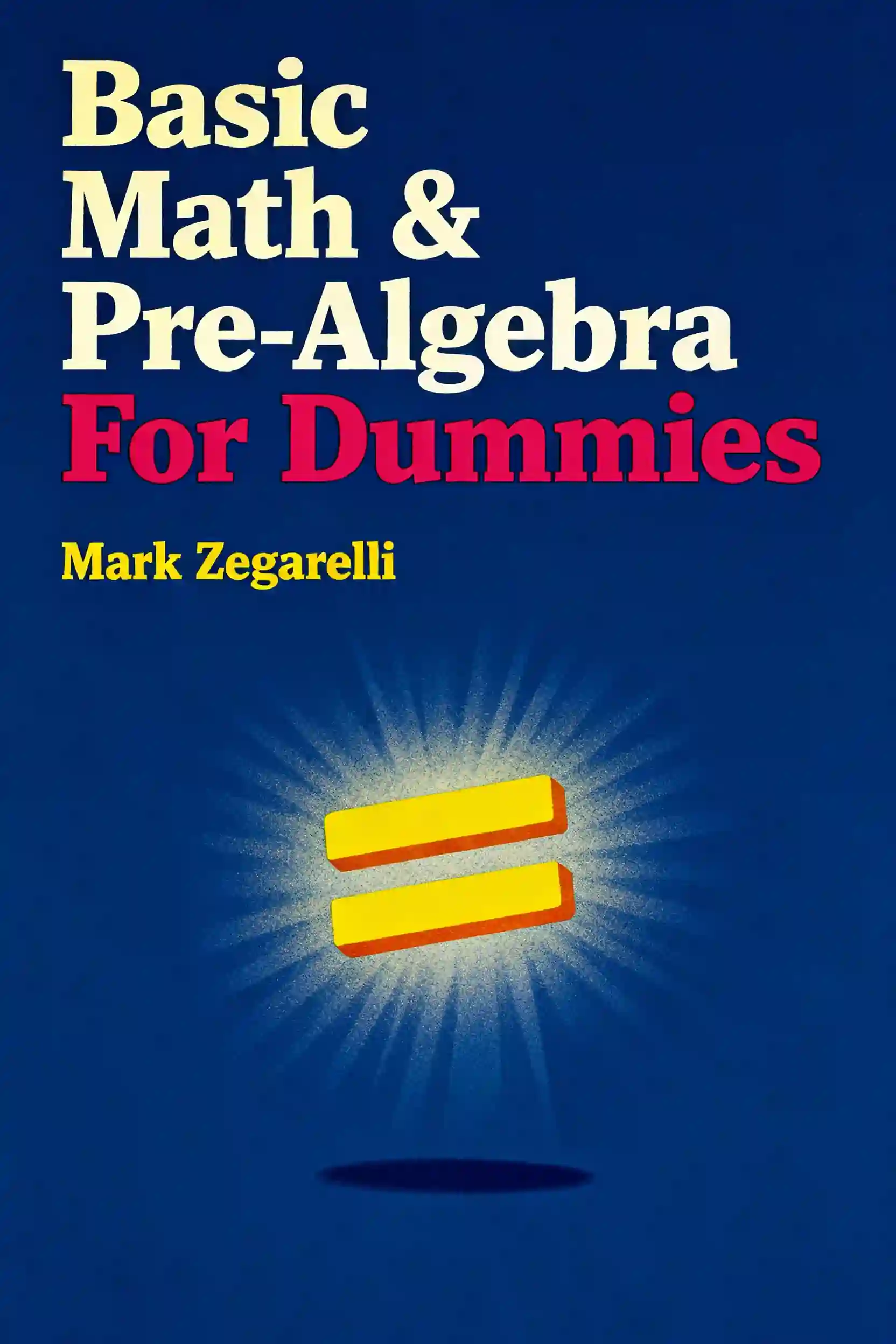
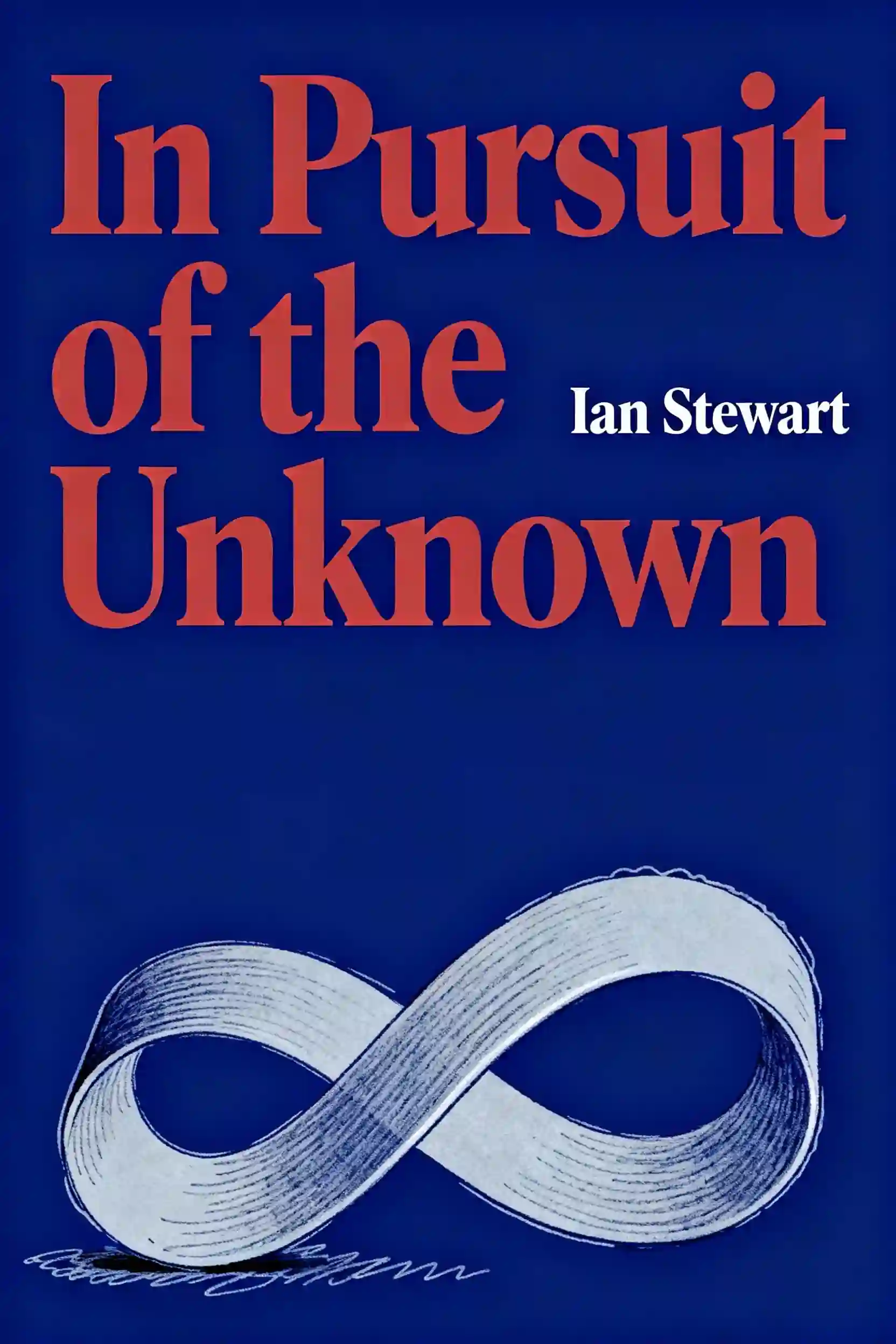
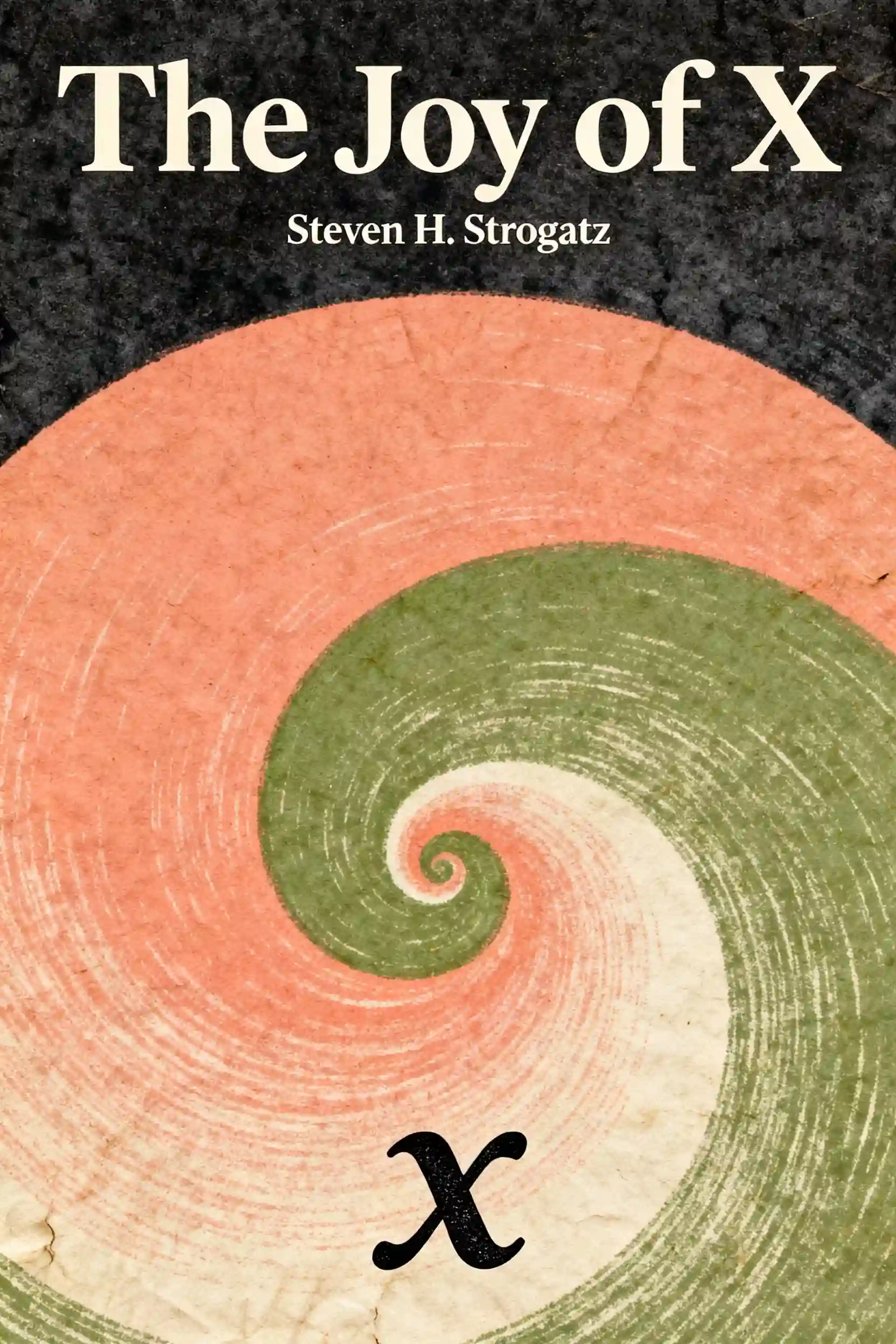
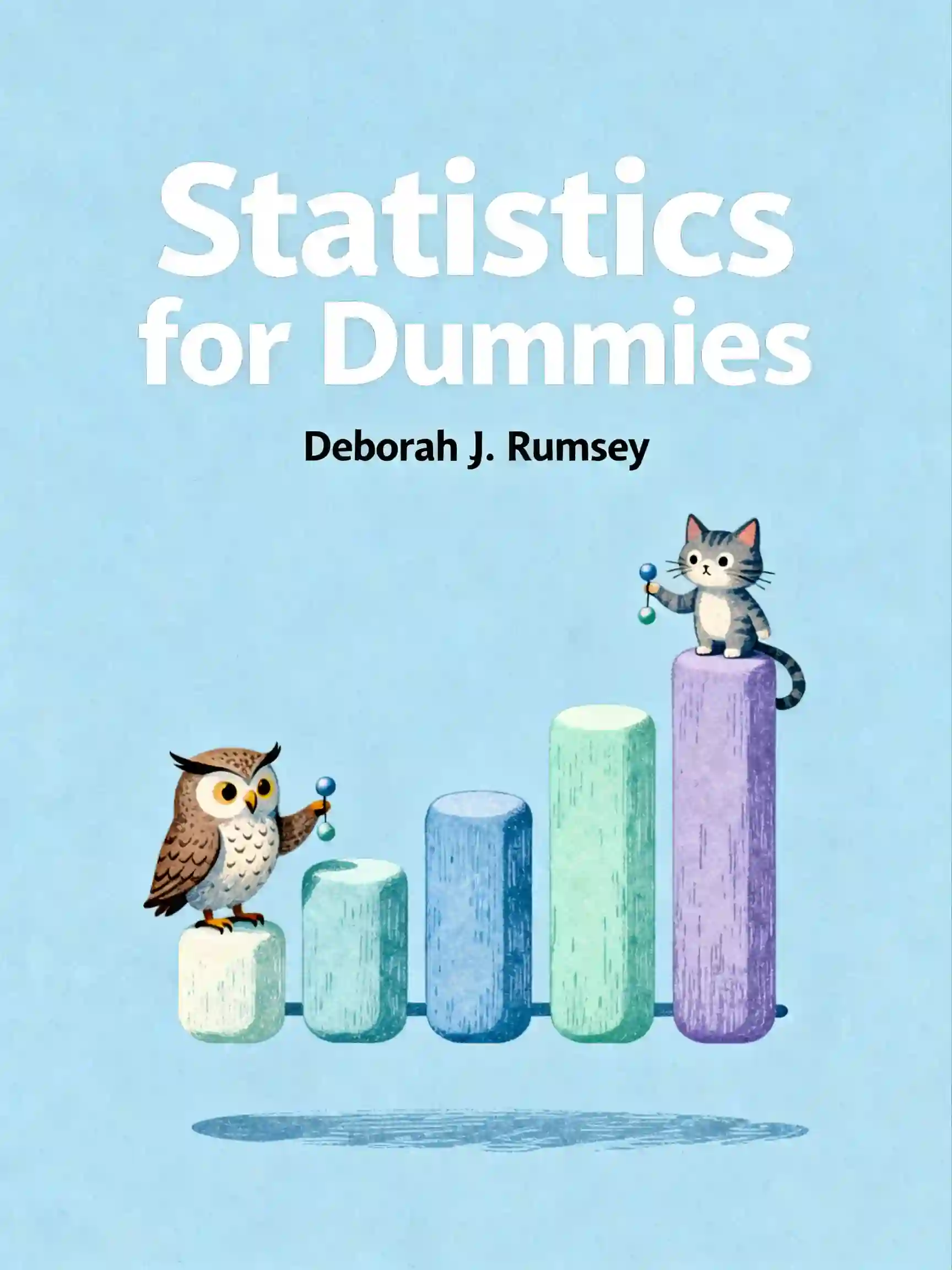
Часто задаваемые вопросы
This rule is a mathematical necessity for the system of index laws to remain consistent. According to the division law, when you divide two identical powers, such as a squared divided by a squared, you subtract the exponents (2 minus 2), which results in a power of zero. Since any non-zero number divided by itself is naturally one, it follows logically that the expression must equal one to maintain consistency across algebraic rules.
To solve these equations, you must use the "same base" strategy by translating the numbers on both sides into their exponential prime factors. For example, if faced with an equation like four to the power of x equals eight, you rewrite both as powers of two: (2^2)^x = 2^3. By applying the "power of a power" rule to get 2^2x = 2^3, you can then ignore the bases and solve the resulting linear equation, 2x = 3, to find that x equals 1.5.
The most critical rule when solving inequalities is that you must flip the inequality sign whenever you multiply or divide both sides by a negative number. This is because multiplying by a negative reverses the relative order of numbers on a number line; for instance, while five is greater than three, multiplying both by negative one results in negative five and negative three, where negative five is actually the smaller value.
To find the bounds, you identify the unit of rounding, halve it, and then both add and subtract that value from the measurement. If a value is rounded to the nearest centimeter, the unit is one, so you add and subtract 0.5. When performing operations like division with these bounds, you must be intentional: to find the maximum possible result of a calculation like speed (distance divided by time), you must divide the upper bound of the distance by the lower bound of the time.
A negative index is a set of instructions to find the reciprocal of the base, effectively "flipping" the base into the denominator (or numerator). A fractional index, however, represents a root: the denominator of the fraction indicates the root (e.g., a power of 1/2 is a square root), while the numerator indicates the power. When combined, such as a negative fractional index, you perform both steps: take the root and then find the reciprocal.
Создано выпускниками Колумбийского университета в Сан-Франциско
BeFreed объединяет глобальное сообщество любознательных людей


"Instead of endless scrolling, I just hit play on BeFreed. It saves me so much time."


"I never knew where to start with nonfiction—BeFreed’s book lists turned into podcasts gave me a clear path."


"Perfect balance between learning and entertainment. Finished ‘Thinking, Fast and Slow’ on my commute this week."
"Crazy how much I learned while walking the dog. BeFreed = small habits → big gains."
"Reading used to feel like a chore. Now it’s just part of my lifestyle."

"Feels effortless compared to reading. I’ve finished 6 books this month already."
"BeFreed turned my guilty doomscrolling into something that feels productive and inspiring."

"BeFreed turned my commute into learning time. 20-min podcasts are perfect for finishing books I never had time for."
"BeFreed replaced my podcast queue. Imagine Spotify for books — that’s it. 🙌"

"It is great for me to learn something from the book without reading it."
"The themed book list podcasts help me connect ideas across authors—like a guided audio journey."
"Makes me feel smarter every time before going to work"
Создано выпускниками Колумбийского университета в Сан-Франциско
BeFreed объединяет глобальное сообщество любознательных людей
"Instead of endless scrolling, I just hit play on BeFreed. It saves me so much time."
"I never knew where to start with nonfiction—BeFreed’s book lists turned into podcasts gave me a clear path."
"Perfect balance between learning and entertainment. Finished ‘Thinking, Fast and Slow’ on my commute this week."
"Crazy how much I learned while walking the dog. BeFreed = small habits → big gains."
"Reading used to feel like a chore. Now it’s just part of my lifestyle."
"Feels effortless compared to reading. I’ve finished 6 books this month already."
"BeFreed turned my guilty doomscrolling into something that feels productive and inspiring."
"BeFreed turned my commute into learning time. 20-min podcasts are perfect for finishing books I never had time for."
"BeFreed replaced my podcast queue. Imagine Spotify for books — that’s it. 🙌"
"It is great for me to learn something from the book without reading it."
"The themed book list podcasts help me connect ideas across authors—like a guided audio journey."
"Makes me feel smarter every time before going to work"
"Instead of endless scrolling, I just hit play on BeFreed. It saves me so much time."
"I never knew where to start with nonfiction—BeFreed’s book lists turned into podcasts gave me a clear path."
"Perfect balance between learning and entertainment. Finished ‘Thinking, Fast and Slow’ on my commute this week."
"Crazy how much I learned while walking the dog. BeFreed = small habits → big gains."
"Reading used to feel like a chore. Now it’s just part of my lifestyle."
"Feels effortless compared to reading. I’ve finished 6 books this month already."
"BeFreed turned my guilty doomscrolling into something that feels productive and inspiring."
"BeFreed turned my commute into learning time. 20-min podcasts are perfect for finishing books I never had time for."
"BeFreed replaced my podcast queue. Imagine Spotify for books — that’s it. 🙌"
"It is great for me to learn something from the book without reading it."
"The themed book list podcasts help me connect ideas across authors—like a guided audio journey."
"Makes me feel smarter every time before going to work"
"Instead of endless scrolling, I just hit play on BeFreed. It saves me so much time."
"I never knew where to start with nonfiction—BeFreed’s book lists turned into podcasts gave me a clear path."
"Perfect balance between learning and entertainment. Finished ‘Thinking, Fast and Slow’ on my commute this week."
"Crazy how much I learned while walking the dog. BeFreed = small habits → big gains."
"Reading used to feel like a chore. Now it’s just part of my lifestyle."
"Feels effortless compared to reading. I’ve finished 6 books this month already."
"BeFreed turned my guilty doomscrolling into something that feels productive and inspiring."
"BeFreed turned my commute into learning time. 20-min podcasts are perfect for finishing books I never had time for."
"BeFreed replaced my podcast queue. Imagine Spotify for books — that’s it. 🙌"
"It is great for me to learn something from the book without reading it."
"The themed book list podcasts help me connect ideas across authors—like a guided audio journey."
"Makes me feel smarter every time before going to work"