How to approach women without a script
Struggling with approach anxiety? Learn how to trade flashy lines for genuine curiosity and build the natural confidence to start a real conversation.

Лучшая цитата из How to approach women without a script
One of the most powerful shifts you can make is moving from a 'winning' mindset to a 'connecting' mindset. When you shift to the idea that you are just two humans who might—or might not—vibe together, the pressure disappears.
Generated by Panagotis
How to approach girls in public

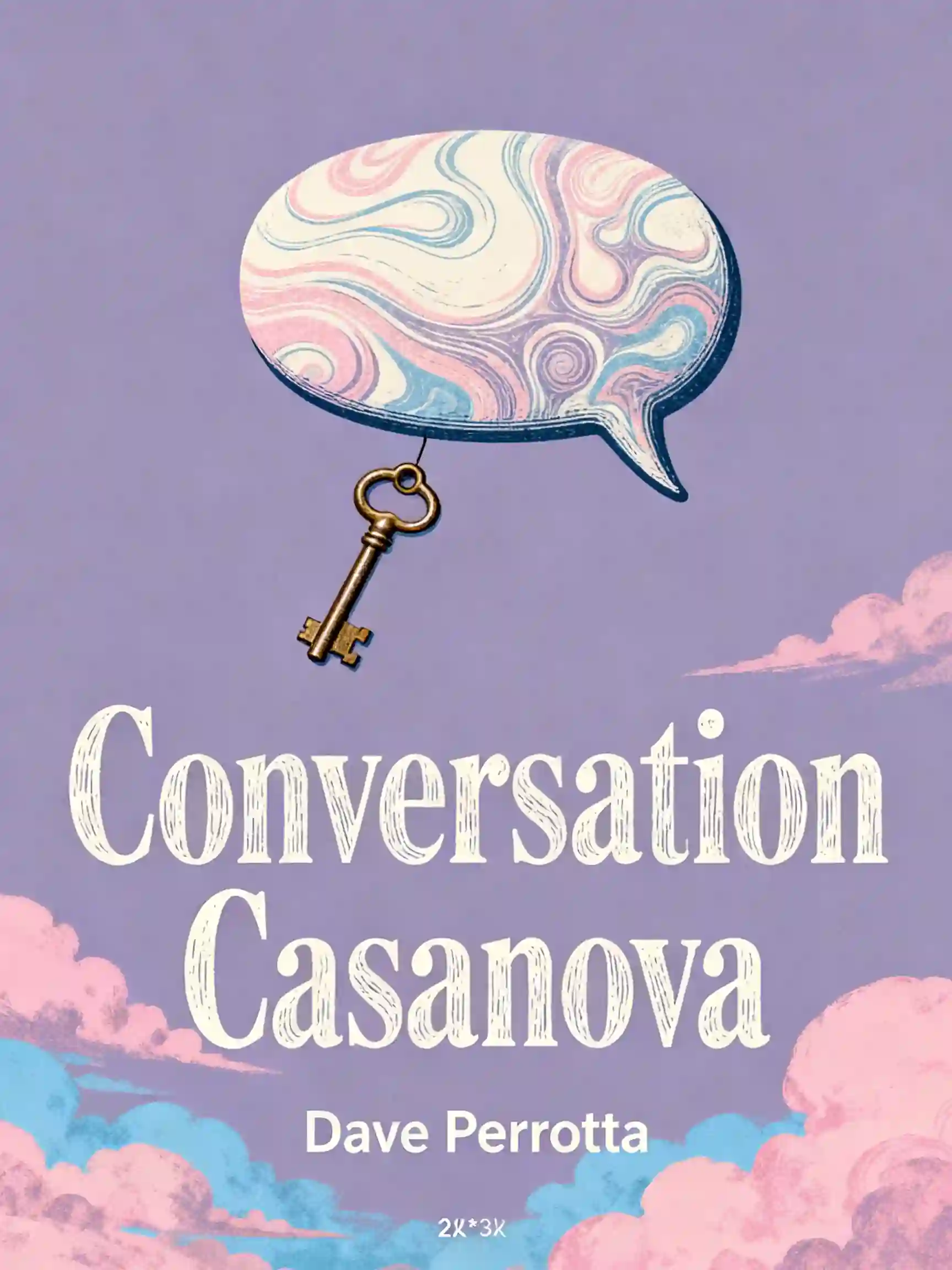

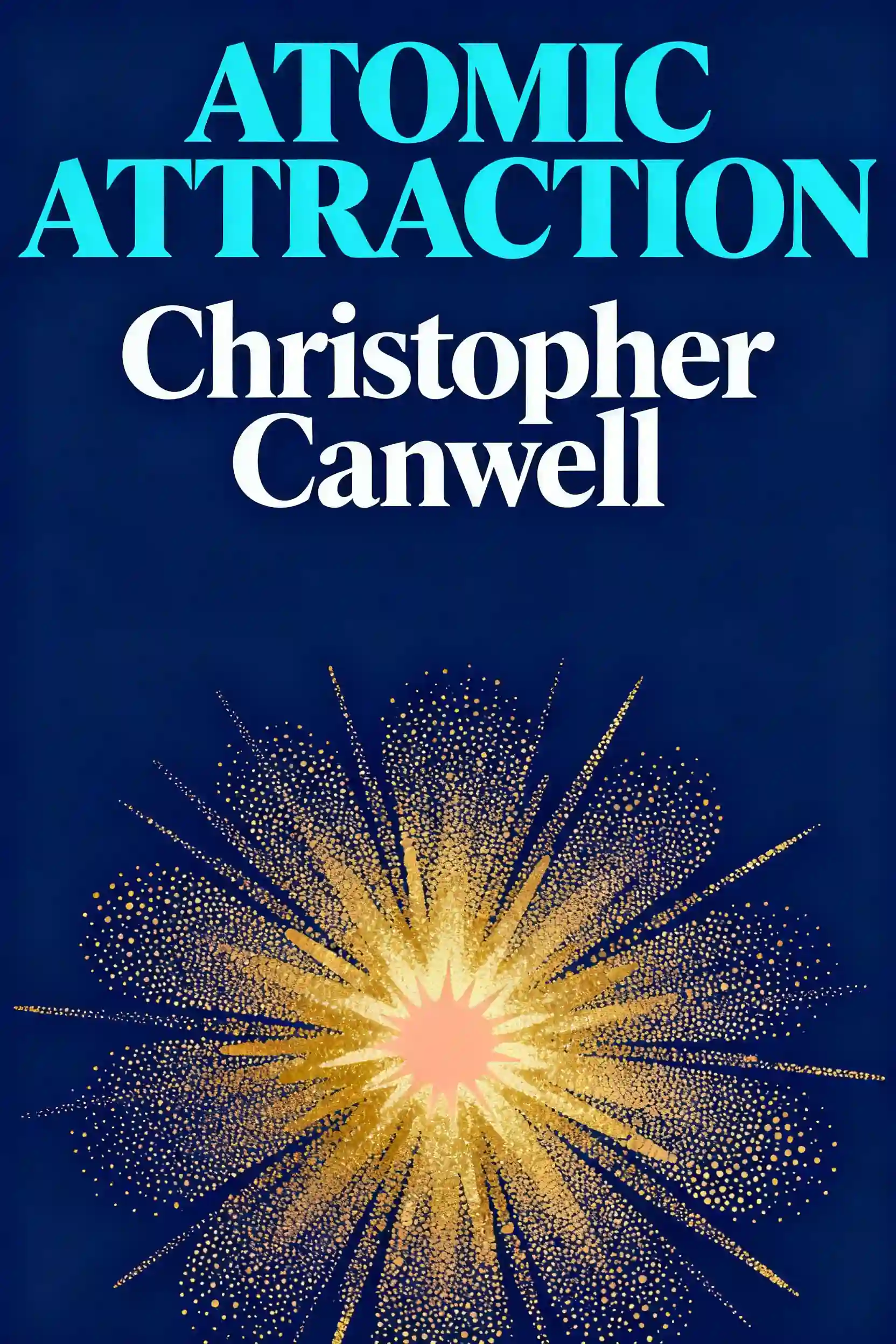

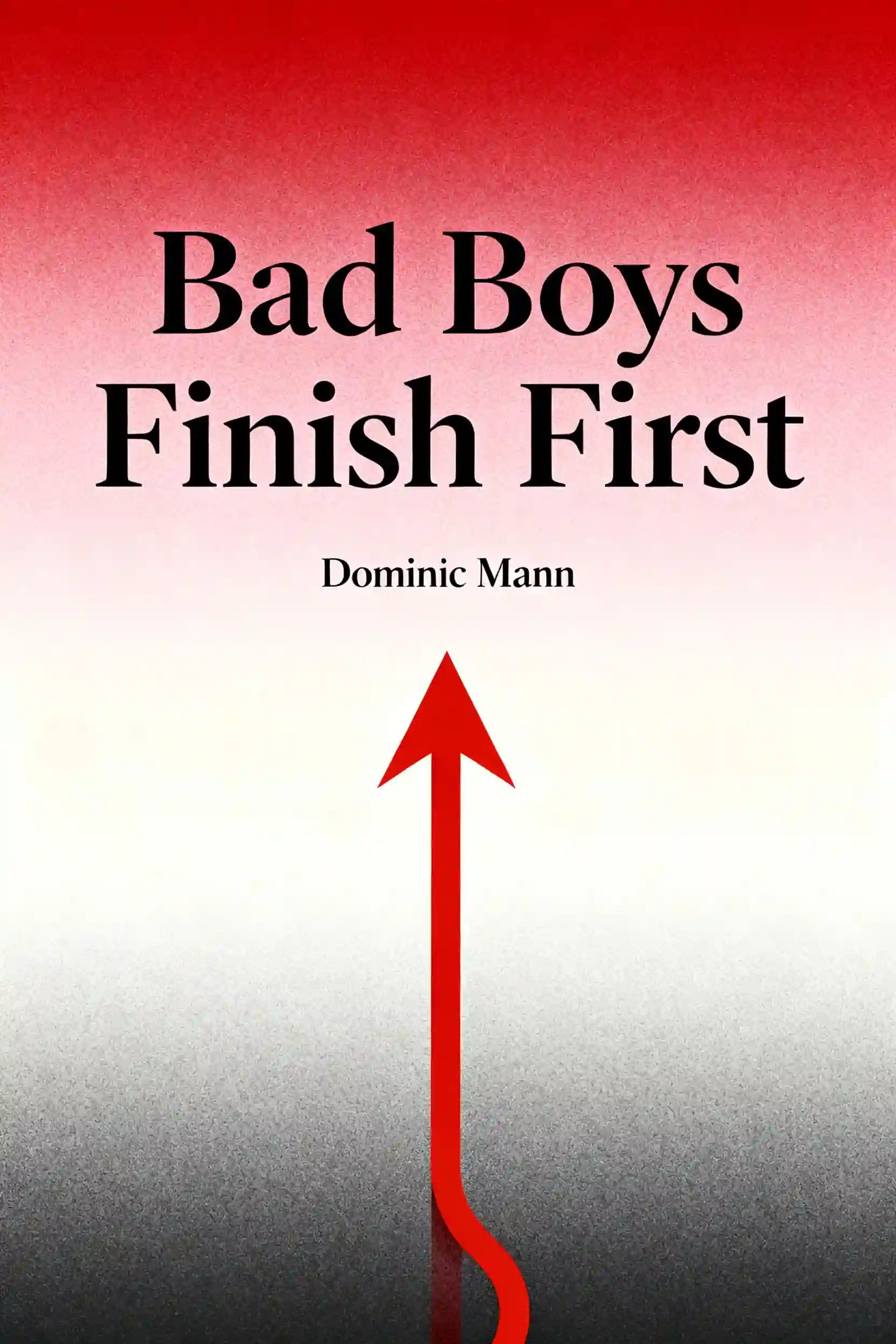
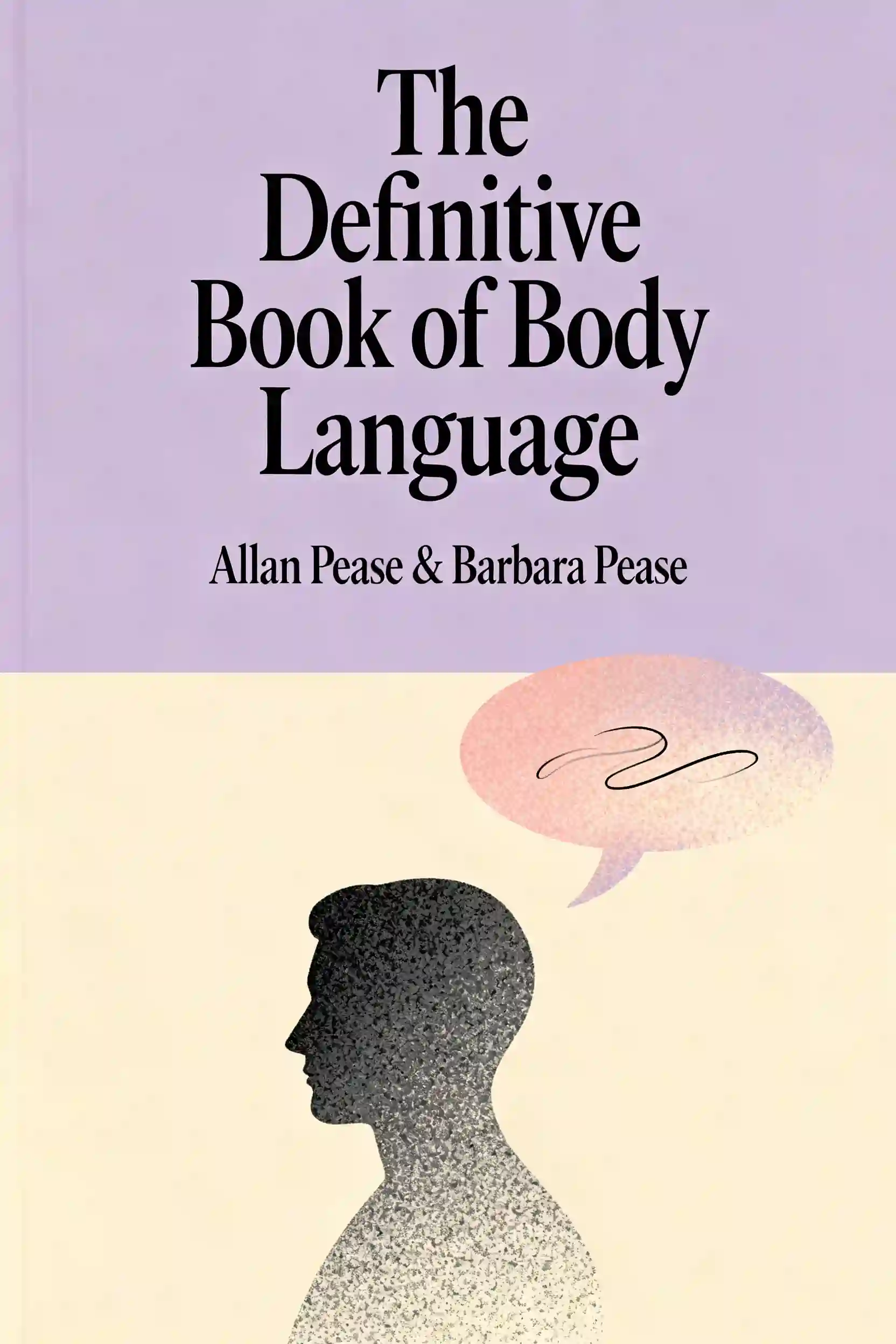
Часто задаваемые вопросы
A simple, honest approach is preferred because it removes the "performance" aspect of an interaction. When you use a script or a flashy one-liner, it can feel calculated or transactional, which creates pressure for both people. Moving from a "winning" mindset to a "connecting" mindset allows you to show up as a real person rather than someone auditioning for a role. Women often value the honesty of a straightforward introduction because it demonstrates genuine self-respect and an interest in a human connection rather than a sales pitch.
Reading the room is essential for a respectful approach. "Green lights" include signs that a person is open to interaction, such as lounging leisurely in a park, browsing a bookstore without a rush, or making eye contact and smiling. Once a conversation starts, engagement is signaled by leaning in and mirroring posture. Conversely, "red lights" are clear "do not disturb" signs, such as wearing headphones, being buried in a laptop, or giving short, one-word answers while turning the torso away. Recognizing these cues allows you to respect boundaries and exit a conversation gracefully if the vibe isn't there.
Triangulation is a technique used to create a low-pressure opening by focusing on a third point of interest in the shared environment rather than the person themselves. Instead of a direct compliment, you might comment on the music playing in a café, a long line at the grocery store, or a book the person is holding. This creates a sense of shared experience—a "we are in this together" feeling—which makes the interaction feel much less intrusive and allows a natural dialogue to flow before the conversation shifts to anything more personal.
Approach anxiety is a natural "fight or flight" response where the brain treats a social risk like a physical threat. To manage this, you can use the "Three Second Rule," which encourages moving toward the person within three seconds of spotting them to bypass overthinking. Somatic techniques, such as slow nasal breathing, can also signal to your nervous system that you are safe. Additionally, the "But" technique helps balance fearful thoughts by acknowledging the nerves but choosing to act anyway, helping you realize that even if you face rejection, it is just data rather than a fatal outcome.
If a conversation is going well and you have used the "Ping Pong Method" of active listening, you can end the interaction with a clear purpose. You might say that you enjoyed the chat and ask if they would be open to grabbing coffee sometime. If the answer is no, the script emphasizes the importance of the "victory lap" exit: smiling and wishing them a lovely day. This respectful exit protects your dignity and proves to your nervous system that you can handle discomfort, which ultimately builds more long-term confidence than any single phone number.
Создано выпускниками Колумбийского университета в Сан-Франциско
"Instead of endless scrolling, I just hit play on BeFreed. It saves me so much time."


"I never knew where to start with nonfiction—BeFreed’s book lists turned into podcasts gave me a clear path."


"Perfect balance between learning and entertainment. Finished ‘Thinking, Fast and Slow’ on my commute this week."
"Crazy how much I learned while walking the dog. BeFreed = small habits → big gains."
"Reading used to feel like a chore. Now it’s just part of my lifestyle."

"Feels effortless compared to reading. I’ve finished 6 books this month already."
"BeFreed turned my guilty doomscrolling into something that feels productive and inspiring."

"BeFreed turned my commute into learning time. 20-min podcasts are perfect for finishing books I never had time for."
"BeFreed replaced my podcast queue. Imagine Spotify for books — that’s it. 🙌"

"It is great for me to learn something from the book without reading it."
"The themed book list podcasts help me connect ideas across authors—like a guided audio journey."
"Makes me feel smarter every time before going to work"
Создано выпускниками Колумбийского университета в Сан-Франциско
"Instead of endless scrolling, I just hit play on BeFreed. It saves me so much time."
"I never knew where to start with nonfiction—BeFreed’s book lists turned into podcasts gave me a clear path."
"Perfect balance between learning and entertainment. Finished ‘Thinking, Fast and Slow’ on my commute this week."
"Crazy how much I learned while walking the dog. BeFreed = small habits → big gains."
"Reading used to feel like a chore. Now it’s just part of my lifestyle."
"Feels effortless compared to reading. I’ve finished 6 books this month already."
"BeFreed turned my guilty doomscrolling into something that feels productive and inspiring."
"BeFreed turned my commute into learning time. 20-min podcasts are perfect for finishing books I never had time for."
"BeFreed replaced my podcast queue. Imagine Spotify for books — that’s it. 🙌"
"It is great for me to learn something from the book without reading it."
"The themed book list podcasts help me connect ideas across authors—like a guided audio journey."
"Makes me feel smarter every time before going to work"
"Instead of endless scrolling, I just hit play on BeFreed. It saves me so much time."
"I never knew where to start with nonfiction—BeFreed’s book lists turned into podcasts gave me a clear path."
"Perfect balance between learning and entertainment. Finished ‘Thinking, Fast and Slow’ on my commute this week."
"Crazy how much I learned while walking the dog. BeFreed = small habits → big gains."
"Reading used to feel like a chore. Now it’s just part of my lifestyle."
"Feels effortless compared to reading. I’ve finished 6 books this month already."
"BeFreed turned my guilty doomscrolling into something that feels productive and inspiring."
"BeFreed turned my commute into learning time. 20-min podcasts are perfect for finishing books I never had time for."
"BeFreed replaced my podcast queue. Imagine Spotify for books — that’s it. 🙌"
"It is great for me to learn something from the book without reading it."
"The themed book list podcasts help me connect ideas across authors—like a guided audio journey."
"Makes me feel smarter every time before going to work"
"Instead of endless scrolling, I just hit play on BeFreed. It saves me so much time."
"I never knew where to start with nonfiction—BeFreed’s book lists turned into podcasts gave me a clear path."
"Perfect balance between learning and entertainment. Finished ‘Thinking, Fast and Slow’ on my commute this week."
"Crazy how much I learned while walking the dog. BeFreed = small habits → big gains."
"Reading used to feel like a chore. Now it’s just part of my lifestyle."
"Feels effortless compared to reading. I’ve finished 6 books this month already."
"BeFreed turned my guilty doomscrolling into something that feels productive and inspiring."
"BeFreed turned my commute into learning time. 20-min podcasts are perfect for finishing books I never had time for."
"BeFreed replaced my podcast queue. Imagine Spotify for books — that’s it. 🙌"
"It is great for me to learn something from the book without reading it."
"The themed book list podcasts help me connect ideas across authors—like a guided audio journey."
"Makes me feel smarter every time before going to work"