Gnosticism vs. Agnostic: Religious Origins and New Age Influence
Explore the differences between Gnosticism and being agnostic. Learn about religious origins, spiritual philosophy, and modern New Age interpretations.

Лучшая цитата из Gnosticism vs. Agnostic: Religious Origins and New Age Influence
We are these strange creatures who are capable of asking infinite questions but are stuck in finite bodies. Whether you lean toward the Gnostic’s inner fire or the Agnostic’s careful silence, both are responses to the same mystery.
Generated by Doug
Difference between gnosticism and gnostic and agnostic. Religious / spiritual aspects and influences as well as modern day interpretations, especially new age.

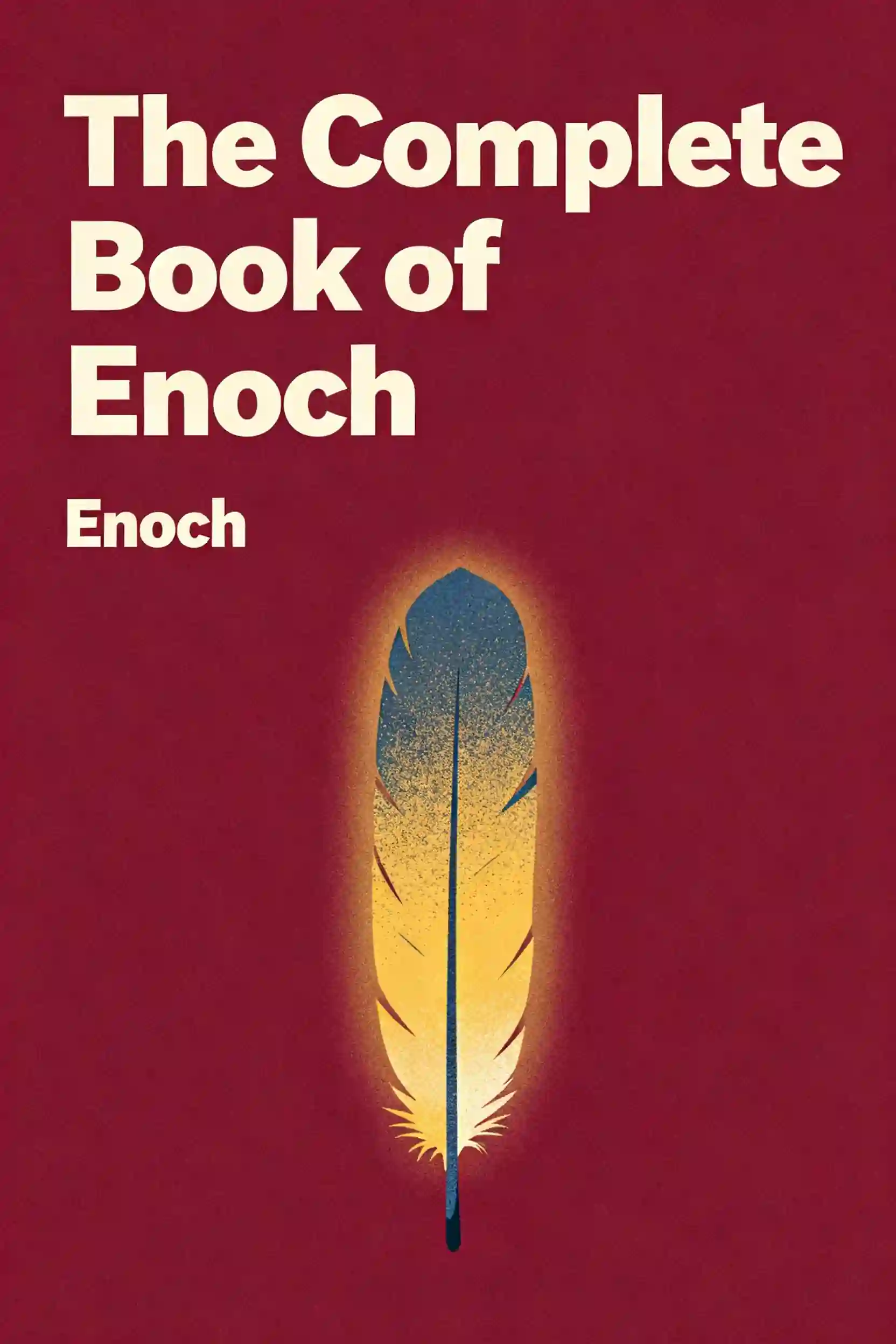
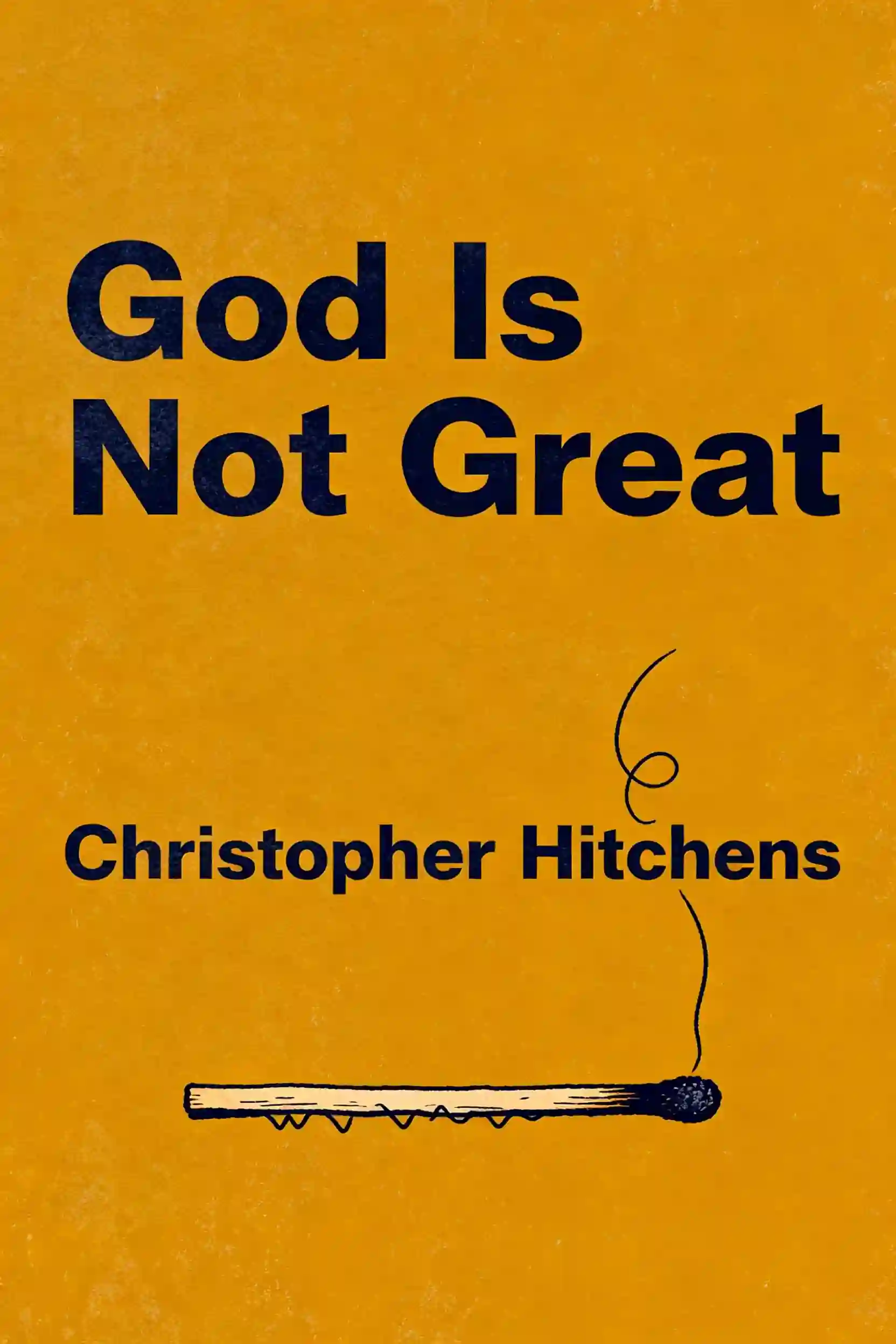
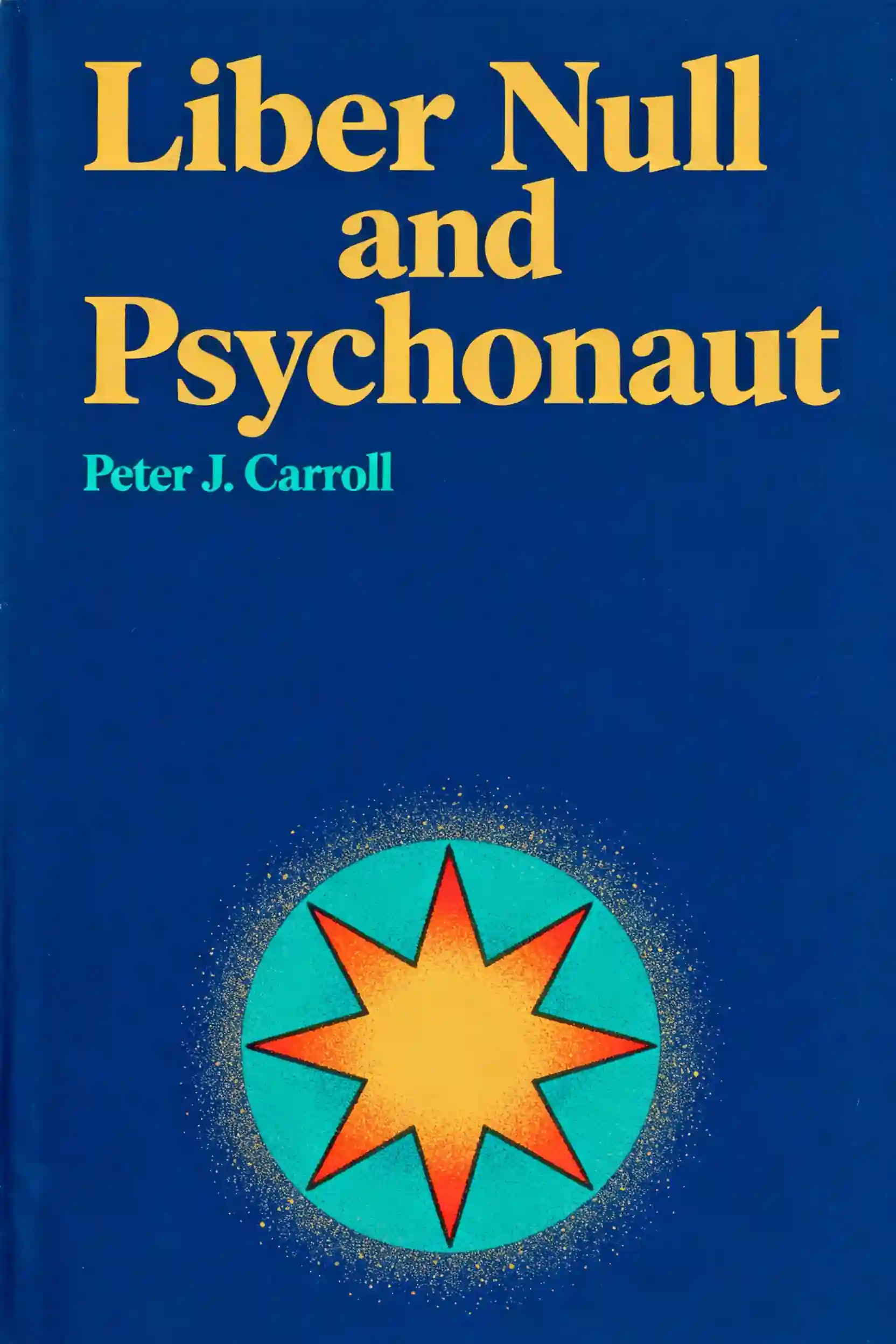
Часто задаваемые вопросы
The difference lies in the approach to knowledge and divinity. Gnosticism is a spiritual philosophy rooted in ancient religious history that claims direct, experiential knowledge of the divine, often referred to as 'gnosis.' In contrast, being agnostic refers to the belief that the existence of God or the supernatural is unknown or inherently unknowable. While a Gnostic claims to possess specific spiritual insight, an agnostic maintains a position of skepticism or uncertainty regarding ultimate truths.
Modern Gnosticism has a significant impact on New Age spirituality by emphasizing personal enlightenment and internal divinity over traditional religious dogma. Many contemporary spiritual seekers adopt Gnostic themes, such as the idea that the physical world is an illusion and that individuals must awaken their inner spark to achieve liberation. This shift focuses on subjective experience and self-discovery, blending ancient esoteric teachings with modern psychological and holistic practices to create a personalized spiritual path.
In a strict philosophical sense, Gnostic and agnostic are opposites regarding the certainty of knowledge. However, in modern interpretations, some people explore these concepts as a spectrum of spiritual philosophy. One might be agnostic about organized religious doctrines while remaining Gnostic in their pursuit of personal, mystical experiences. Understanding Gnostic vs. Agnostic definitions helps clarify whether a person believes spiritual truths are attainable through direct experience or if they remain fundamentally beyond human comprehension.
Gnosticism emerged during the early centuries of religious history, often intertwining with early Christianity and various Hellenistic philosophies. These ancient groups believed in a dualistic universe where a supreme, hidden deity exists apart from a lesser, often flawed creator of the material world. Their teachings focused on the soul's journey to escape the physical realm through secret knowledge. Today, these origins provide the foundation for studying how spiritual movements evolve from ancient traditions into modern belief systems.
Создано выпускниками Колумбийского университета в Сан-Франциско
"Instead of endless scrolling, I just hit play on BeFreed. It saves me so much time."


"I never knew where to start with nonfiction—BeFreed’s book lists turned into podcasts gave me a clear path."


"Perfect balance between learning and entertainment. Finished ‘Thinking, Fast and Slow’ on my commute this week."
"Crazy how much I learned while walking the dog. BeFreed = small habits → big gains."
"Reading used to feel like a chore. Now it’s just part of my lifestyle."

"Feels effortless compared to reading. I’ve finished 6 books this month already."
"BeFreed turned my guilty doomscrolling into something that feels productive and inspiring."

"BeFreed turned my commute into learning time. 20-min podcasts are perfect for finishing books I never had time for."
"BeFreed replaced my podcast queue. Imagine Spotify for books — that’s it. 🙌"

"It is great for me to learn something from the book without reading it."
"The themed book list podcasts help me connect ideas across authors—like a guided audio journey."
"Makes me feel smarter every time before going to work"
 Ask ChatGPT
 Ask Claude
Создано выпускниками Колумбийского университета в Сан-Франциско
"Instead of endless scrolling, I just hit play on BeFreed. It saves me so much time."
"I never knew where to start with nonfiction—BeFreed’s book lists turned into podcasts gave me a clear path."
"Perfect balance between learning and entertainment. Finished ‘Thinking, Fast and Slow’ on my commute this week."
"Crazy how much I learned while walking the dog. BeFreed = small habits → big gains."
"Reading used to feel like a chore. Now it’s just part of my lifestyle."
"Feels effortless compared to reading. I’ve finished 6 books this month already."
"BeFreed turned my guilty doomscrolling into something that feels productive and inspiring."
"BeFreed turned my commute into learning time. 20-min podcasts are perfect for finishing books I never had time for."
"BeFreed replaced my podcast queue. Imagine Spotify for books — that’s it. 🙌"
"It is great for me to learn something from the book without reading it."
"The themed book list podcasts help me connect ideas across authors—like a guided audio journey."
"Makes me feel smarter every time before going to work"
"Instead of endless scrolling, I just hit play on BeFreed. It saves me so much time."
"I never knew where to start with nonfiction—BeFreed’s book lists turned into podcasts gave me a clear path."
"Perfect balance between learning and entertainment. Finished ‘Thinking, Fast and Slow’ on my commute this week."
"Crazy how much I learned while walking the dog. BeFreed = small habits → big gains."
"Reading used to feel like a chore. Now it’s just part of my lifestyle."
"Feels effortless compared to reading. I’ve finished 6 books this month already."
"BeFreed turned my guilty doomscrolling into something that feels productive and inspiring."
"BeFreed turned my commute into learning time. 20-min podcasts are perfect for finishing books I never had time for."
"BeFreed replaced my podcast queue. Imagine Spotify for books — that’s it. 🙌"
"It is great for me to learn something from the book without reading it."
"The themed book list podcasts help me connect ideas across authors—like a guided audio journey."
"Makes me feel smarter every time before going to work"
"Instead of endless scrolling, I just hit play on BeFreed. It saves me so much time."
"I never knew where to start with nonfiction—BeFreed’s book lists turned into podcasts gave me a clear path."
"Perfect balance between learning and entertainment. Finished ‘Thinking, Fast and Slow’ on my commute this week."
"Crazy how much I learned while walking the dog. BeFreed = small habits → big gains."
"Reading used to feel like a chore. Now it’s just part of my lifestyle."
"Feels effortless compared to reading. I’ve finished 6 books this month already."
"BeFreed turned my guilty doomscrolling into something that feels productive and inspiring."
"BeFreed turned my commute into learning time. 20-min podcasts are perfect for finishing books I never had time for."
"BeFreed replaced my podcast queue. Imagine Spotify for books — that’s it. 🙌"
"It is great for me to learn something from the book without reading it."
"The themed book list podcasts help me connect ideas across authors—like a guided audio journey."
"Makes me feel smarter every time before going to work"












![[461a2042-5359-413f-bab8-2b162f45ca14:c0001] Mysticism_ Secrets of the Mystics, Occultism, Alchemy and Hermeticism.epub p1-1](/_next/image?url=https%3A%2F%2Fd1y2du6z1jfm9e.cloudfront.net%2Fassets%2Fpodcast%2Fpurple.png&w=1024&q=50)