From Backyard Weeds to Clinical Herbalism
Discover how to bridge ancient folk wisdom with modern phytochemistry to transform common plants into a sophisticated personal apothecary for lifelong vitality.

Лучшая цитата из From Backyard Weeds to Clinical Herbalism
Clinical herbalism is about matching the 'energy' of the plant to the 'energy' of the person’s imbalance. We are looking for 'herbal allies'—plants that work synergistically with the body’s innate healing process rather than just acting as substances that override our natural signals.
Generated by Joe
I would like to explore my passion of herbal health and natural foods. My goal is to have deep knowledge of this topic.

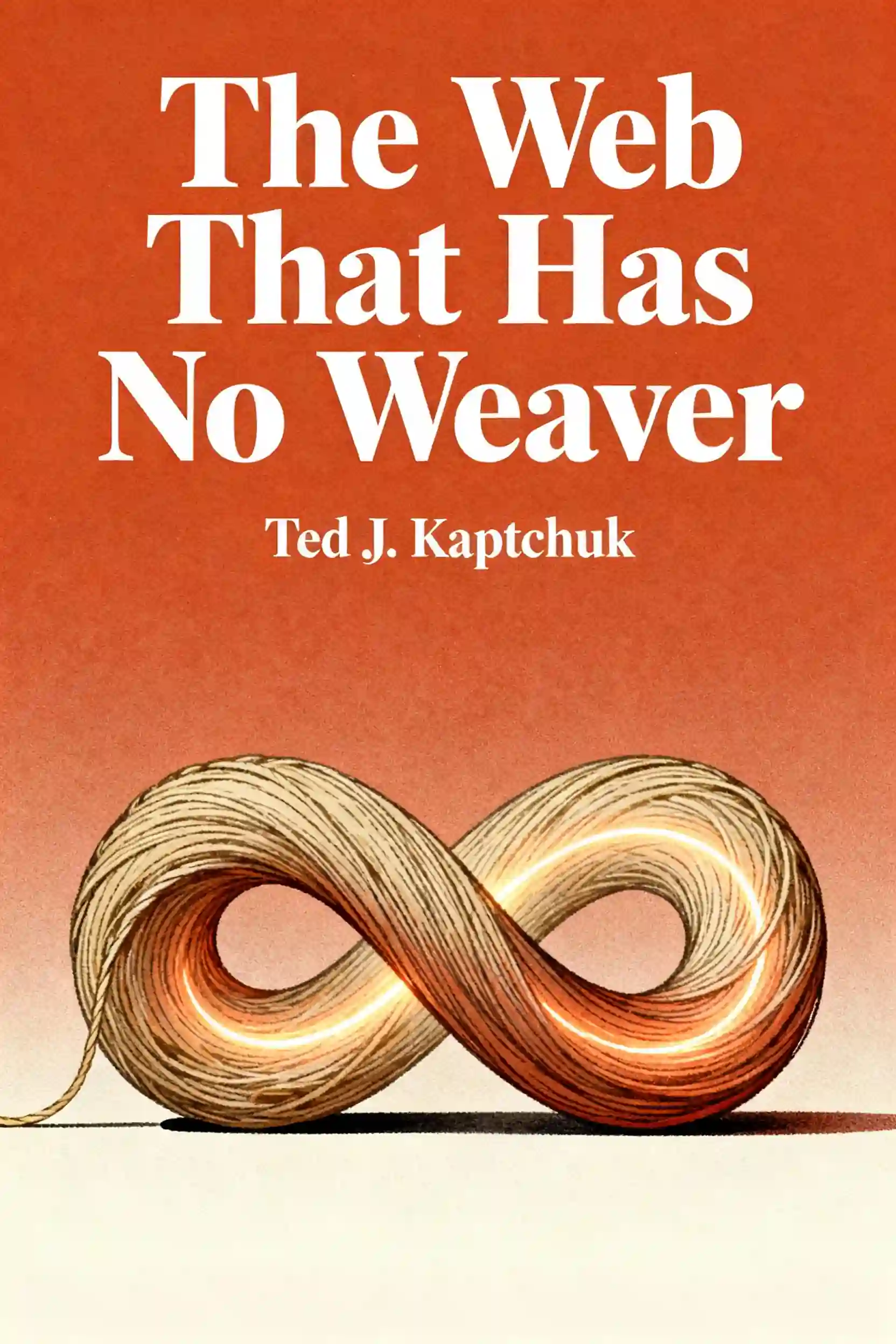
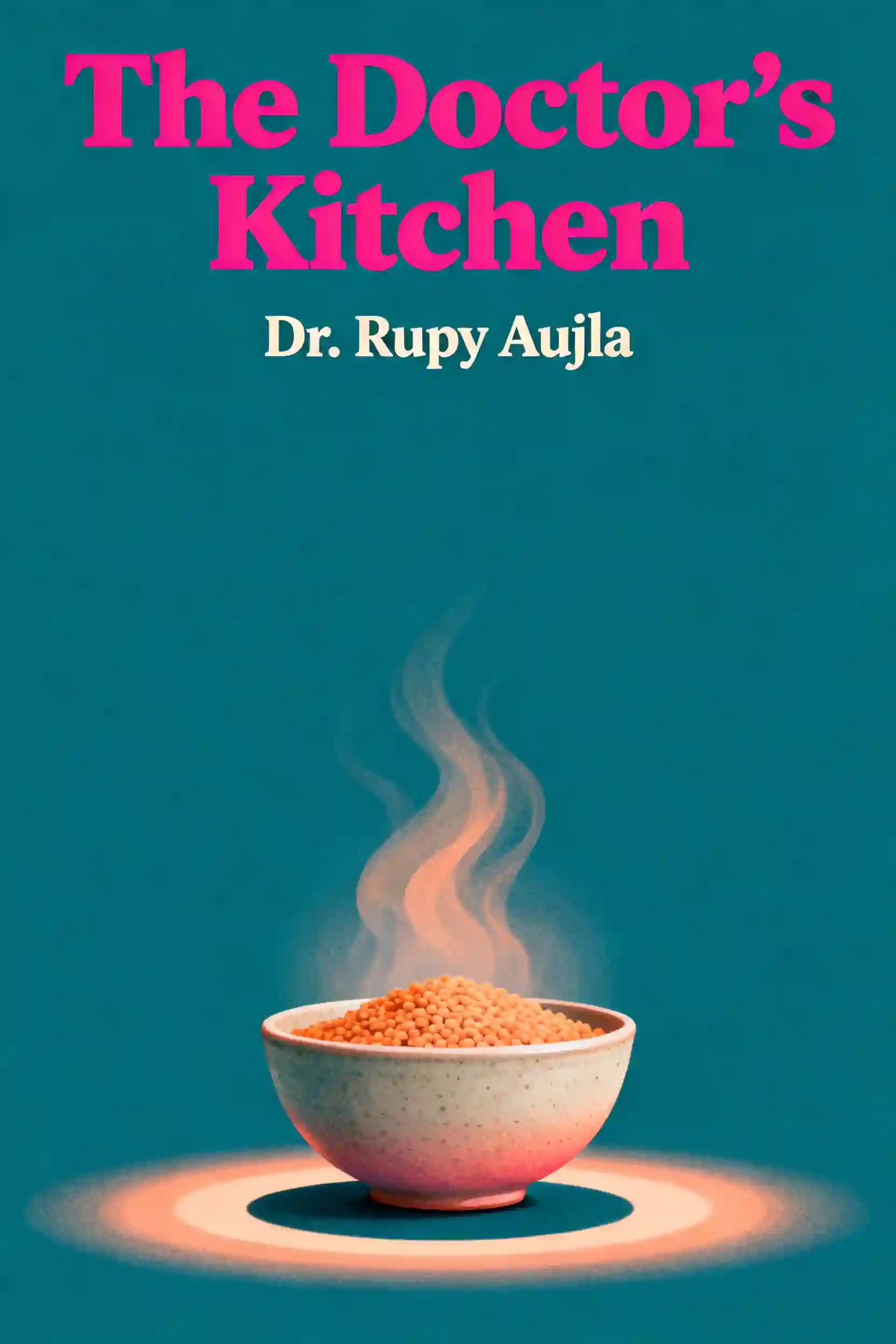
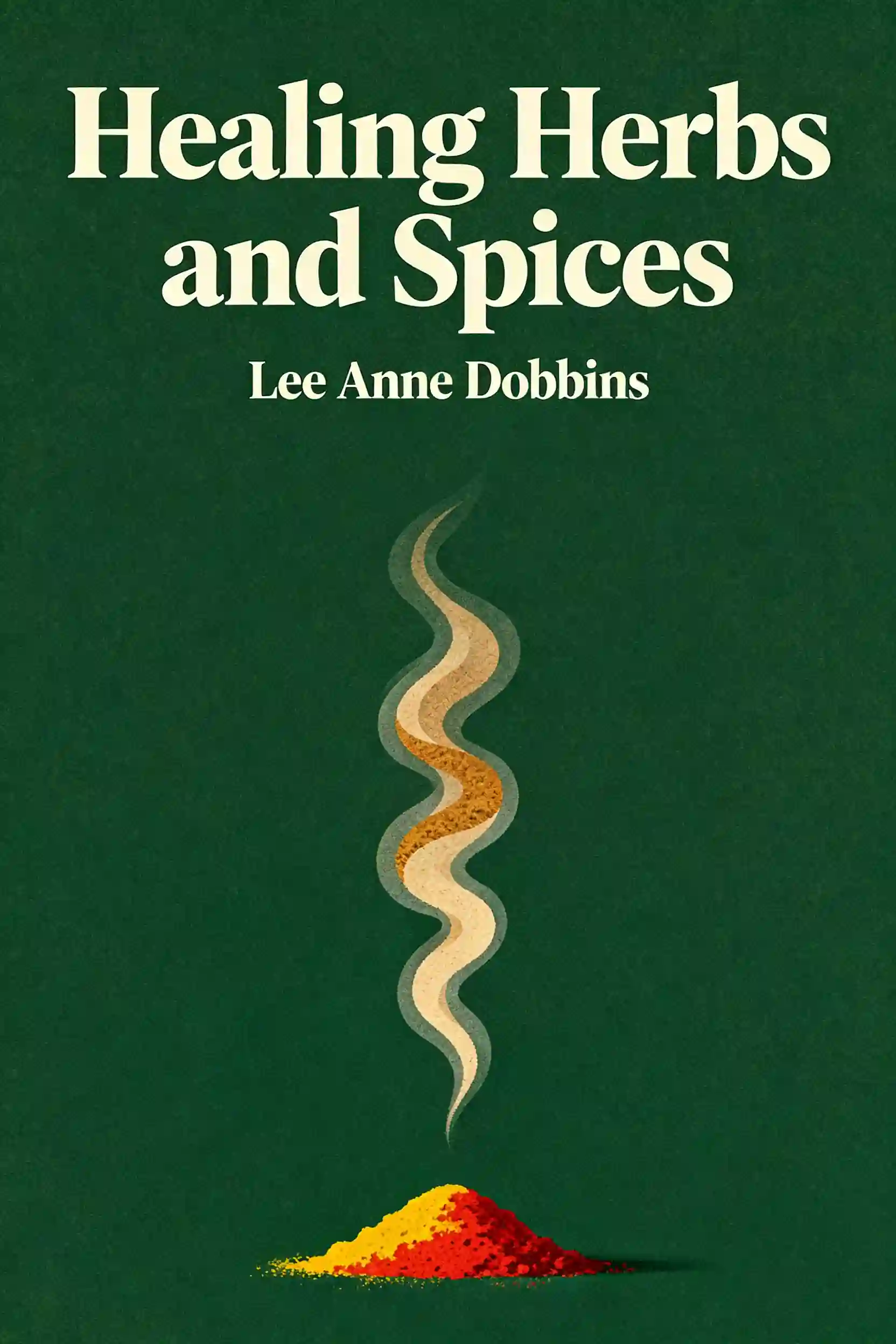
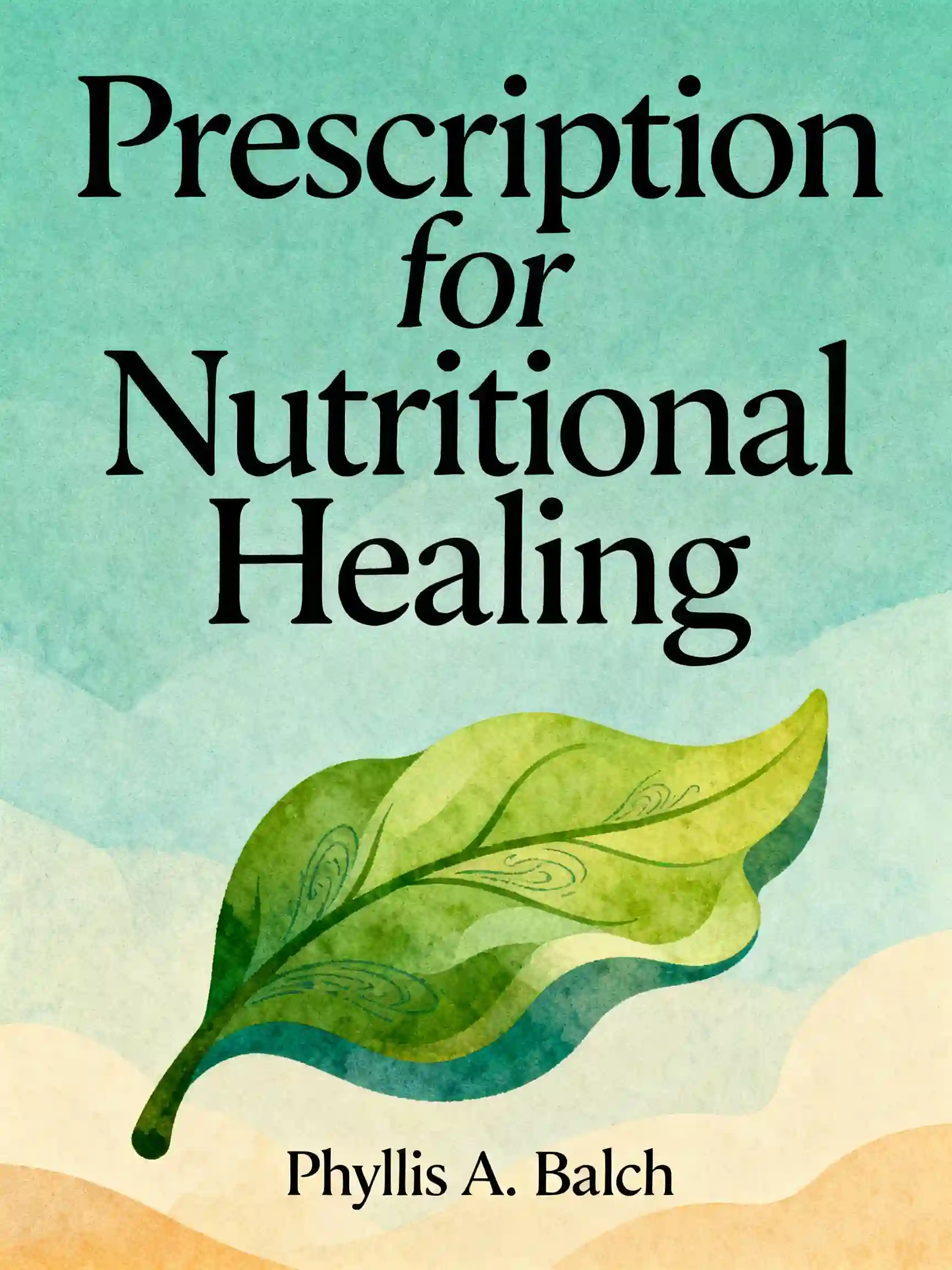
Часто задаваемые вопросы
Mechanistic healing views the human body as a machine with broken parts that require specific chemicals to fix, often leading people to swap a synthetic pill for a plant extract without changing their mindset. In contrast, clinical herbalism looks at the whole person to understand why an imbalance is occurring. Instead of just treating a symptom like a headache, a clinical herbalist investigates the individual's unique constitution and internal environment to determine if the root cause is related to factors like exhaustion, stagnation, or inflammation.
Herbal energetics is a system used to describe the internal environment of the body using terms like hot, cold, dry, damp, tense, or lax. Clinical herbalism matches the "energy" of a plant to the specific "energy" of a person’s imbalance; for example, a cooling herb would be used to treat a hot, inflammatory condition. This approach prevents the "one-size-fits-all" mistake, ensuring that a person with a "dry" constitution doesn't accidentally take an herb that increases dryness, which could make their symptoms worse.
The preference for the whole plant is based on the concept of synergy, where hundreds of compounds like tannins and volatile oils work together to balance the effects of the primary active constituent. While modern medicine often isolates a single chemical, which can lead to harsher side effects, the whole plant provides built-in "buffers" that make the medicine gentler. In this framework, herbs act as catalysts that support the body’s innate ability to heal itself rather than overriding natural biological signals.
A Materia Medica is a personal encyclopedia of healing allies where you study one herb at a time to build deep, clinical knowledge. To start one, you choose a single plant and create a "monograph" that includes its botanical description, history, preferred growing conditions, and safety information. This process involves both scientific research into chemical constituents and hands-on experience, such as "tea meditations," where you drink a simple infusion of the herb to personally observe how it affects your body’s temperature, tension, and mood.
Nature follows a "calendar of healing" where a plant's vitality moves to different parts depending on the season. In the spring, energy is concentrated in young shoots, making them ideal for vitamins and cleansing. By autumn, the energy moves into the roots; for example, a dandelion root harvested in autumn is high in the prebiotic inulin for gut health, whereas a spring-harvested root is more suited for liver support. Understanding these cycles ensures the herbalist harvests the plant when it has the specific potency required for the intended remedy.
Создано выпускниками Колумбийского университета в Сан-Франциско
"Instead of endless scrolling, I just hit play on BeFreed. It saves me so much time."


"I never knew where to start with nonfiction—BeFreed’s book lists turned into podcasts gave me a clear path."


"Perfect balance between learning and entertainment. Finished ‘Thinking, Fast and Slow’ on my commute this week."
"Crazy how much I learned while walking the dog. BeFreed = small habits → big gains."
"Reading used to feel like a chore. Now it’s just part of my lifestyle."

"Feels effortless compared to reading. I’ve finished 6 books this month already."
"BeFreed turned my guilty doomscrolling into something that feels productive and inspiring."

"BeFreed turned my commute into learning time. 20-min podcasts are perfect for finishing books I never had time for."
"BeFreed replaced my podcast queue. Imagine Spotify for books — that’s it. 🙌"

"It is great for me to learn something from the book without reading it."
"The themed book list podcasts help me connect ideas across authors—like a guided audio journey."
"Makes me feel smarter every time before going to work"
Создано выпускниками Колумбийского университета в Сан-Франциско
"Instead of endless scrolling, I just hit play on BeFreed. It saves me so much time."
"I never knew where to start with nonfiction—BeFreed’s book lists turned into podcasts gave me a clear path."
"Perfect balance between learning and entertainment. Finished ‘Thinking, Fast and Slow’ on my commute this week."
"Crazy how much I learned while walking the dog. BeFreed = small habits → big gains."
"Reading used to feel like a chore. Now it’s just part of my lifestyle."
"Feels effortless compared to reading. I’ve finished 6 books this month already."
"BeFreed turned my guilty doomscrolling into something that feels productive and inspiring."
"BeFreed turned my commute into learning time. 20-min podcasts are perfect for finishing books I never had time for."
"BeFreed replaced my podcast queue. Imagine Spotify for books — that’s it. 🙌"
"It is great for me to learn something from the book without reading it."
"The themed book list podcasts help me connect ideas across authors—like a guided audio journey."
"Makes me feel smarter every time before going to work"
"Instead of endless scrolling, I just hit play on BeFreed. It saves me so much time."
"I never knew where to start with nonfiction—BeFreed’s book lists turned into podcasts gave me a clear path."
"Perfect balance between learning and entertainment. Finished ‘Thinking, Fast and Slow’ on my commute this week."
"Crazy how much I learned while walking the dog. BeFreed = small habits → big gains."
"Reading used to feel like a chore. Now it’s just part of my lifestyle."
"Feels effortless compared to reading. I’ve finished 6 books this month already."
"BeFreed turned my guilty doomscrolling into something that feels productive and inspiring."
"BeFreed turned my commute into learning time. 20-min podcasts are perfect for finishing books I never had time for."
"BeFreed replaced my podcast queue. Imagine Spotify for books — that’s it. 🙌"
"It is great for me to learn something from the book without reading it."
"The themed book list podcasts help me connect ideas across authors—like a guided audio journey."
"Makes me feel smarter every time before going to work"
"Instead of endless scrolling, I just hit play on BeFreed. It saves me so much time."
"I never knew where to start with nonfiction—BeFreed’s book lists turned into podcasts gave me a clear path."
"Perfect balance between learning and entertainment. Finished ‘Thinking, Fast and Slow’ on my commute this week."
"Crazy how much I learned while walking the dog. BeFreed = small habits → big gains."
"Reading used to feel like a chore. Now it’s just part of my lifestyle."
"Feels effortless compared to reading. I’ve finished 6 books this month already."
"BeFreed turned my guilty doomscrolling into something that feels productive and inspiring."
"BeFreed turned my commute into learning time. 20-min podcasts are perfect for finishing books I never had time for."
"BeFreed replaced my podcast queue. Imagine Spotify for books — that’s it. 🙌"
"It is great for me to learn something from the book without reading it."
"The themed book list podcasts help me connect ideas across authors—like a guided audio journey."
"Makes me feel smarter every time before going to work"