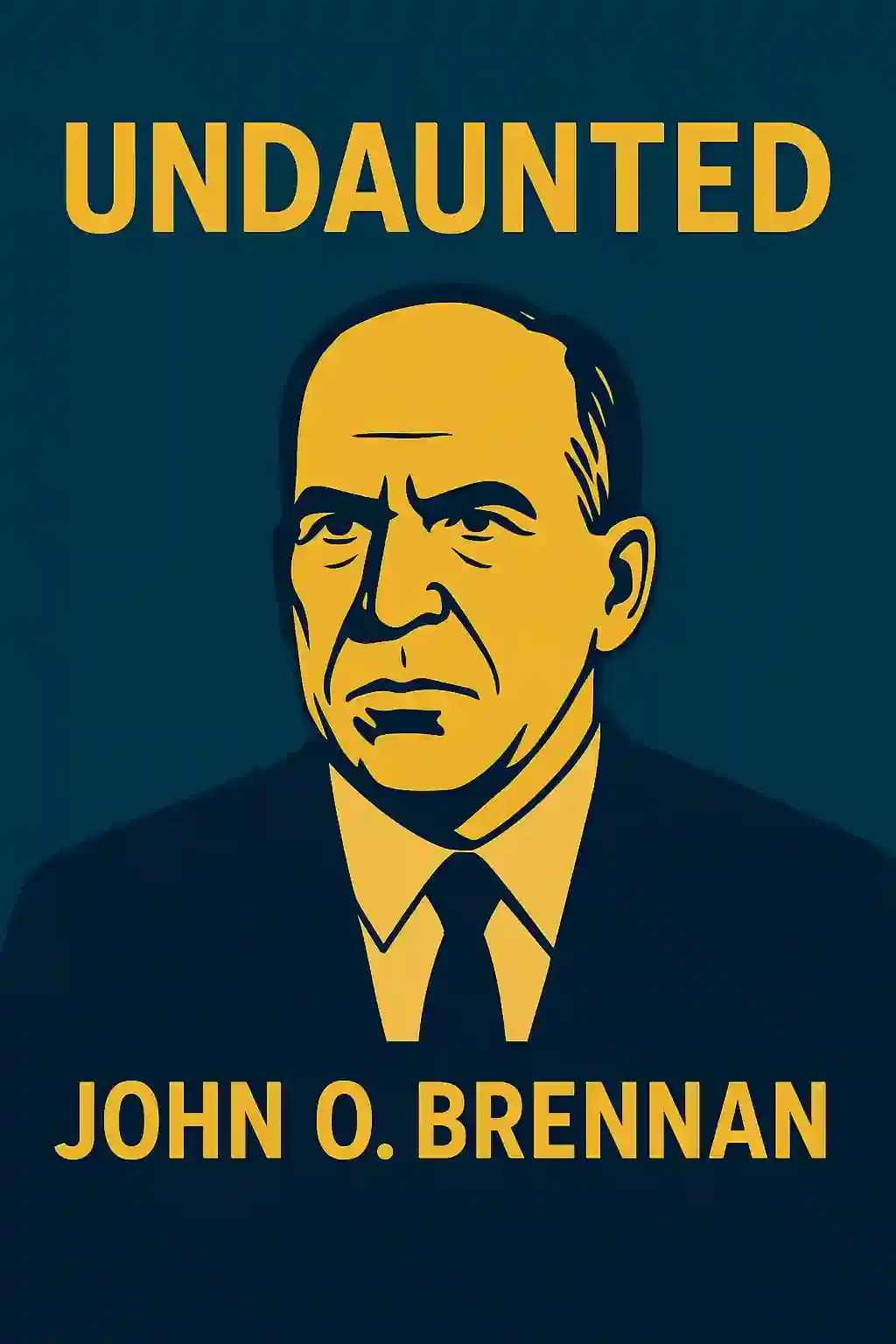
Decoding National Security Policy
Explore how national security has evolved beyond military defense to include economic strength, cybersecurity, and pandemic responses. Learn how these complex policies are developed and why they impact every citizen.

Лучшая цитата из Decoding National Security Policy
National security is no longer just about military defense; it is a holistic approach to protecting our economy, technological edge, and industrial base, as the definition has been stretched to encompass everything from cybersecurity to economic stability.

Этот аудиоурок был создан участником сообщества BeFreed
Explain National security policy



Узнать больше

DevSecOps
As cyber threats evolve, security can no longer be a final checkpoint; it must be embedded into every stage of the software lifecycle. This plan is essential for developers, DevOps engineers, and security professionals looking to build resilient, automated, and compliant delivery pipelines.

Politics
This plan provides a comprehensive overview of the forces that drive global and domestic stability. It is ideal for students, aspiring policymakers, or any citizen looking to understand the mechanics of power and the roots of modern political conflict.

Cybersecurity Defender Roadmap
This roadmap is essential for aspiring security professionals who want to transition from basic IT to advanced defensive leadership. It provides a comprehensive path from technical fundamentals to strategic management, making it ideal for those seeking a career in SOC operations or security engineering.

Economic development and politics
This plan is essential for understanding the complex interplay between government policy and global market dynamics. It is ideal for aspiring policymakers, economists, and global business leaders seeking to drive sustainable national growth.

Become security leader via tech & exec skills
As cyber threats evolve and digital transformation accelerates, organizations need security leaders who combine technical expertise with business acumen. This learning plan bridges the gap between cybersecurity knowledge and executive leadership, ideal for technical security professionals looking to advance into leadership positions.
Learn Network Security, Auth & Auth Basics
In an era of increasing cyber threats, understanding the intersection of network integrity and identity management is essential for any technical professional. This plan is ideal for aspiring security analysts and developers looking to build resilient systems from the ground up.

The Psychology of National Myths
In an era of deep polarization, understanding the cognitive roots of national identity is essential for navigating modern propaganda. This plan is designed for sociologists, political strategists, and curious minds seeking to decode how ideologies hijack the human brain.

The Digital Power Grab
In an era where data is the new oil, understanding the intersection of technology and political power is essential for maintaining democratic integrity. This plan is designed for policy advocates, tech ethics students, and concerned citizens who want to understand how surveillance capitalism reshapes our social and political institutions.
Создано выпускниками Колумбийского университета в Сан-Франциско
"Instead of endless scrolling, I just hit play on BeFreed. It saves me so much time."


"I never knew where to start with nonfiction—BeFreed’s book lists turned into podcasts gave me a clear path."


"Perfect balance between learning and entertainment. Finished ‘Thinking, Fast and Slow’ on my commute this week."
"Crazy how much I learned while walking the dog. BeFreed = small habits → big gains."
"Reading used to feel like a chore. Now it’s just part of my lifestyle."

"Feels effortless compared to reading. I’ve finished 6 books this month already."
"BeFreed turned my guilty doomscrolling into something that feels productive and inspiring."

"BeFreed turned my commute into learning time. 20-min podcasts are perfect for finishing books I never had time for."
"BeFreed replaced my podcast queue. Imagine Spotify for books — that’s it. 🙌"

"It is great for me to learn something from the book without reading it."
"The themed book list podcasts help me connect ideas across authors—like a guided audio journey."
"Makes me feel smarter every time before going to work"
Создано выпускниками Колумбийского университета в Сан-Франциско
"Instead of endless scrolling, I just hit play on BeFreed. It saves me so much time."
"I never knew where to start with nonfiction—BeFreed’s book lists turned into podcasts gave me a clear path."
"Perfect balance between learning and entertainment. Finished ‘Thinking, Fast and Slow’ on my commute this week."
"Crazy how much I learned while walking the dog. BeFreed = small habits → big gains."
"Reading used to feel like a chore. Now it’s just part of my lifestyle."
"Feels effortless compared to reading. I’ve finished 6 books this month already."
"BeFreed turned my guilty doomscrolling into something that feels productive and inspiring."
"BeFreed turned my commute into learning time. 20-min podcasts are perfect for finishing books I never had time for."
"BeFreed replaced my podcast queue. Imagine Spotify for books — that’s it. 🙌"
"It is great for me to learn something from the book without reading it."
"The themed book list podcasts help me connect ideas across authors—like a guided audio journey."
"Makes me feel smarter every time before going to work"
"Instead of endless scrolling, I just hit play on BeFreed. It saves me so much time."
"I never knew where to start with nonfiction—BeFreed’s book lists turned into podcasts gave me a clear path."
"Perfect balance between learning and entertainment. Finished ‘Thinking, Fast and Slow’ on my commute this week."
"Crazy how much I learned while walking the dog. BeFreed = small habits → big gains."
"Reading used to feel like a chore. Now it’s just part of my lifestyle."
"Feels effortless compared to reading. I’ve finished 6 books this month already."
"BeFreed turned my guilty doomscrolling into something that feels productive and inspiring."
"BeFreed turned my commute into learning time. 20-min podcasts are perfect for finishing books I never had time for."
"BeFreed replaced my podcast queue. Imagine Spotify for books — that’s it. 🙌"
"It is great for me to learn something from the book without reading it."
"The themed book list podcasts help me connect ideas across authors—like a guided audio journey."
"Makes me feel smarter every time before going to work"
"Instead of endless scrolling, I just hit play on BeFreed. It saves me so much time."
"I never knew where to start with nonfiction—BeFreed’s book lists turned into podcasts gave me a clear path."
"Perfect balance between learning and entertainment. Finished ‘Thinking, Fast and Slow’ on my commute this week."
"Crazy how much I learned while walking the dog. BeFreed = small habits → big gains."
"Reading used to feel like a chore. Now it’s just part of my lifestyle."
"Feels effortless compared to reading. I’ve finished 6 books this month already."
"BeFreed turned my guilty doomscrolling into something that feels productive and inspiring."
"BeFreed turned my commute into learning time. 20-min podcasts are perfect for finishing books I never had time for."
"BeFreed replaced my podcast queue. Imagine Spotify for books — that’s it. 🙌"
"It is great for me to learn something from the book without reading it."
"The themed book list podcasts help me connect ideas across authors—like a guided audio journey."
"Makes me feel smarter every time before going to work"



![[PDF] Comparing Political Systems - Higher Education | Pearson](/_next/image?url=https%3A%2F%2Fd1y2du6z1jfm9e.cloudfront.net%2Fassets%2Fpodcast%2Fyellow.png&w=1024&q=50)