Stop the cycle of misunderstanding by mastering the 'Double Empathy Problem.' Learn to translate different neurological blueprints into a shared language using practical frameworks and communication contracts.
Лучшая цитата из Bridging the Neurodiverse Communication Gap
“
Neurodiversity isn't a 'problem' to be solved; it’s a 'reality' to be navigated with curiosity and respect. When we move away from the 'Deficit Model' and toward the 'Intercultural Model,' we stop seeing 'flaws' and start seeing 'styles.'
”
L
Generated by Lloyd
Вопрос для ввода
Improving my communication to overcome problems in relationships caused autistic communication barriers
Голоса ведущих
Lena
Miles
Источники знаний
Часто задаваемые вопросы
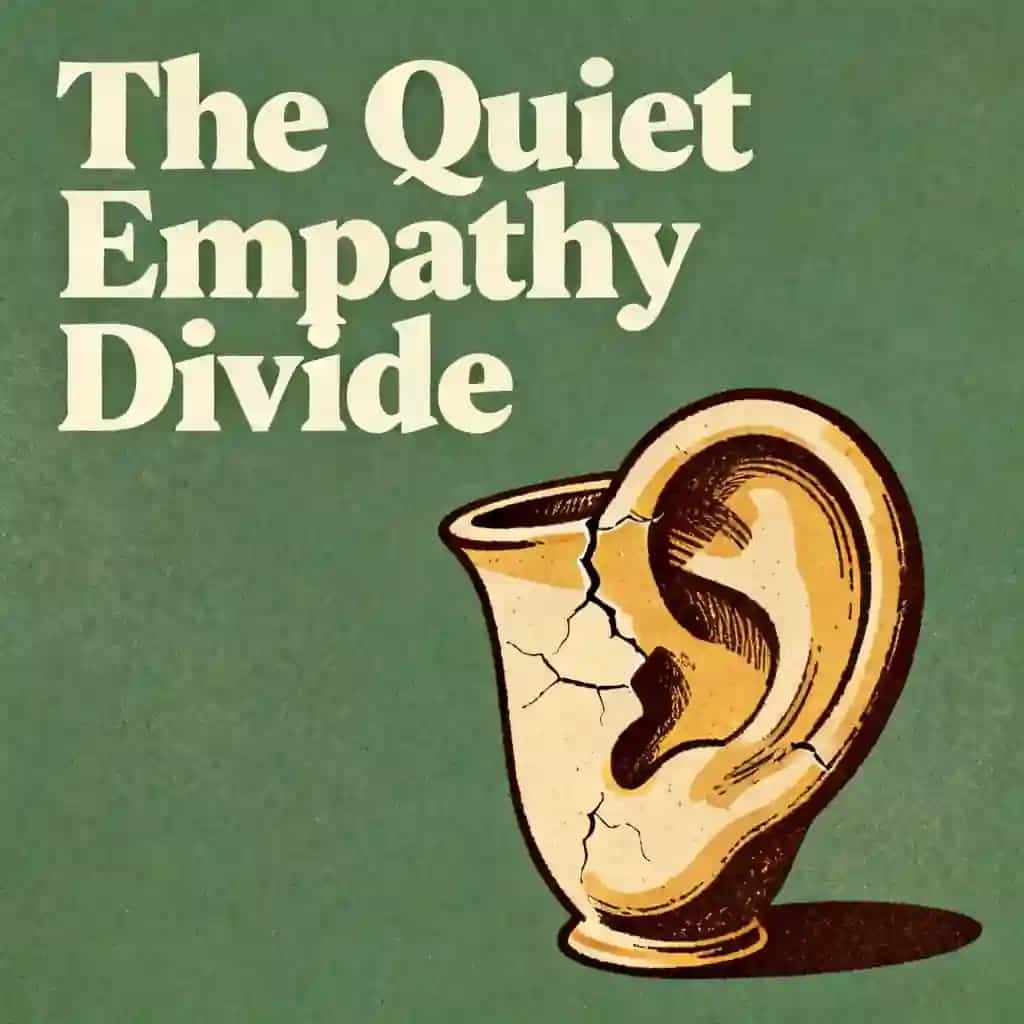
The Double Empathy Problem suggests that communication breakdowns in neurodiverse relationships are not caused by one person having a "deficit" or being "broken." Instead, it is a two-way gap that occurs when two people with different neurological blueprints or "operating systems" try to interact. It reframes the struggle from a solo failure to a mutual mismatch between two equally valid communication styles, such as an autistic partner’s literal style and a neurotypical partner’s implied style.
Meta-communication involves talking about how you talk before addressing the actual subject matter. By using specific scripts like "Do you want the detail version or the summary?" or "Do you need listening, empathy, or problem-solving?", couples can set clear operating parameters. This reduces the need for "mind-reading" and helps align expectations, which saves cognitive energy and prevents one partner from feeling overwhelmed while the other feels unheard.
A Translation Key is a practical exercise where couples identify phrases that cause confusion and rewrite them into literal, direct language. For example, a vague statement like "The trash is full" might be translated into a direct request: "Could you please take the trash out before dinner?" This tool helps bridge the gap between "High Context" (implied) and "Low Context" (literal) communication, removing the ambiguity that often triggers anxiety or resentment.
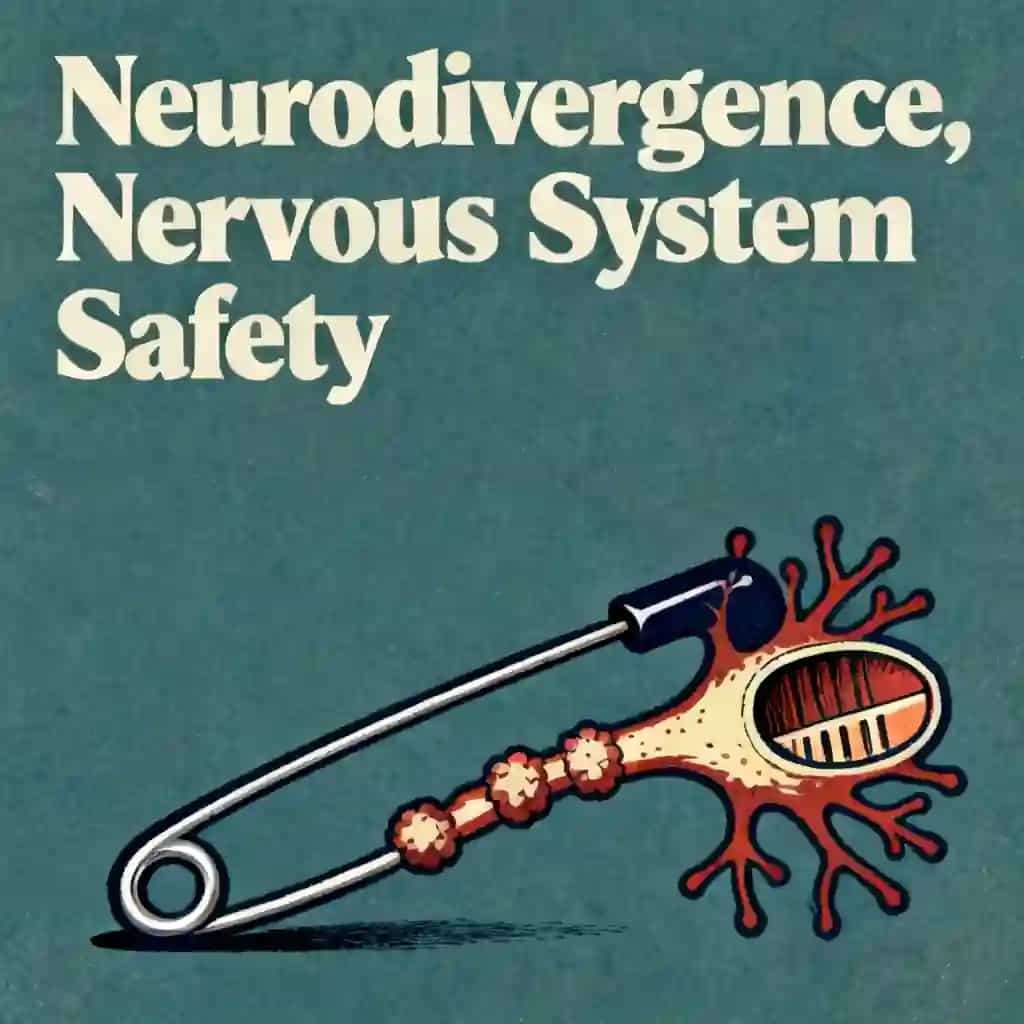
In neurodiverse relationships, conflict can lead to "sensory-emotional ruptures" where one partner may experience sensory overload while the other experiences rejection sensitivity. A predictable, agreed-upon 10-minute pause allows both partners to regulate their nervous systems using physiological grounding techniques. By including a specific "return time" in the script, the couple ensures that the break is viewed as a tool for regulation rather than an act of abandonment.
Executive-Function Scaffolding involves using external structures—like shared digital calendars, visual whiteboards, and automated alerts—to manage daily logistics instead of relying on memory or willpower. This approach treats challenges like "time-blindness" or forgetfulness as systems problems rather than personality flaws. By moving the "prompting" to a neutral system, it reduces the "Nag-Manage" dynamic and allows both individuals to interact as equal partners.
Создано выпускниками Колумбийского университета | в Сан-Франциско
BeFreed объединяет глобальное сообщество любознательных людей
4.7
средняя оценка
Более 7,84 тыс. оценок приложения
Сообщество BeFreed
Честно говоря, я ещё даже не изучила приложение полностью, но за последние несколько дней оно меня по-настоящему впечатлило… BeFreed — совсем другой уровень по сравнению с любыми учебными приложениями, которыми я пользовалась. Оно невероятно увлекает и действительно улучшает концентрацию — то, что нужно всем, кто бесконечно листает ленту!
@ladyInfinity
Я купил BeFreed ровно 23 дня назад и с тех пор пользуюсь им каждый день. Оно полностью встроилось в мой рабочий процесс и привычку учиться.
@jayallen
Честно говоря, приложение превзошло все мои ожидания. Я могу попросить его сгенерировать аудио на любую тему, какой бы она ни была, и результат впечатляет. Моя профессиональная область — специализация в психотерапии, она мультидисциплинарная, но ответы очень точные.
@Raguipa
Больше всего я ценю то, насколько меньше я стал листать ленту: меньше времени уходит на поиск и больше — на усвоение информации. Сочетание полных аудиокниг, подкастов и планов обучения — блестящее.
@colonyofcreatorsNGO
Я уже 24 года работаю инструктором ускоренного обучения PhotoReading… книги, чтение и обучение — моя стихия, и BeFreed отлично справился, предложив инновационный подход к подаче информации в лёгкой для восприятия форме.
@BeFreed user
Это не просто приложение с кратким содержанием книг: я попробовал режим «весёлого чтения», и это гораздо лучший пересказ и способ схватывать идеи, чем традиционный. Уже ради одного этого оно того стоит.
@austinakon
Обожаю это приложение. Пользуюсь несколько дней и не могу перестать слушать. Отличный способ начать.
@jcrules328
Мне очень нравится это приложение; я тестирую его уже около месяца и считаю настоящей находкой. Оно отлично работает, потому что в BeFreed можно создавать собственные темы, а голос замечательный — с безграничным выбором озвучек.
@DanielCZ
Честно говоря, я ещё даже не изучила приложение полностью, но за последние несколько дней оно меня по-настоящему впечатлило… BeFreed — совсем другой уровень по сравнению с любыми учебными приложениями, которыми я пользовалась. Оно невероятно увлекает и действительно улучшает концентрацию — то, что нужно всем, кто бесконечно листает ленту!
@ladyInfinity
Я купил BeFreed ровно 23 дня назад и с тех пор пользуюсь им каждый день. Оно полностью встроилось в мой рабочий процесс и привычку учиться.
@jayallen
Честно говоря, приложение превзошло все мои ожидания. Я могу попросить его сгенерировать аудио на любую тему, какой бы она ни была, и результат впечатляет. Моя профессиональная область — специализация в психотерапии, она мультидисциплинарная, но ответы очень точные.
@Raguipa
Больше всего я ценю то, насколько меньше я стал листать ленту: меньше времени уходит на поиск и больше — на усвоение информации. Сочетание полных аудиокниг, подкастов и планов обучения — блестящее.
@colonyofcreatorsNGO
Я уже 24 года работаю инструктором ускоренного обучения PhotoReading… книги, чтение и обучение — моя стихия, и BeFreed отлично справился, предложив инновационный подход к подаче информации в лёгкой для восприятия форме.
@BeFreed user
Это не просто приложение с кратким содержанием книг: я попробовал режим «весёлого чтения», и это гораздо лучший пересказ и способ схватывать идеи, чем традиционный. Уже ради одного этого оно того стоит.
@austinakon
Обожаю это приложение. Пользуюсь несколько дней и не могу перестать слушать. Отличный способ начать.
@jcrules328
Мне очень нравится это приложение; я тестирую его уже около месяца и считаю настоящей находкой. Оно отлично работает, потому что в BeFreed можно создавать собственные темы, а голос замечательный — с безграничным выбором озвучек.
@DanielCZ
Мне очень нравится, что полезную, сжатую информацию и идеи можно получить в виде аудио в стиле подкаста на 8–15 минут. Я не большой фанат подкастов из-за «воды», но здесь её нет совсем.
@BeFreed user
Я заканчиваю докторскую и вынужден читать много незнакомого материала… В BeFreed достаточно ввести запрос — приложение само находит источники и создаёт аудиоподкаст. Мне процесс в BeFreed кажется удобнее, чем в NotebookLM.
@Brad
Я часто ищу на YouTube, что послушать за завтраком, на прогулке или по дороге на работу, и BeFreed предлагает ещё более точный подход — без рекламы и без «воды»!
@BeFreed user
Самое лучшее в этой платформе — её универсальность. Нет буквально ни одной темы, которая была бы ей не по зубам. Она справляется со всем, что ей даёшь… Редко встретишь учебный инструмент без ограничений, который действительно выполняет обещания.
@jayallen
BeFreed — потрясающее приложение. Благодаря удобному дизайну я трачу меньше времени на навигацию и больше — на учёбу. Сочетание аудиокниг, подкастов и планов обучения — гениальная комбинация, которая полностью изменила мой распорядок дня.
@BeFreed user
Сначала мне понадобилось время, чтобы разобраться, как создавать подкасты на итальянском, а потом — бум! Это же великолепно! Можно попросить объяснить любую тему, и он делает это отлично и очень умно!
@matteo77
BeFreed стал моим ежедневным приложением для аудиокниг… Больше всего мне нравится, что ты вставляешь свой текст — и получаешь аудио, которое можно слушать на ходу.
@kotanzu1
Мне очень нравится, что полезную, сжатую информацию и идеи можно получить в виде аудио в стиле подкаста на 8–15 минут. Я не большой фанат подкастов из-за «воды», но здесь её нет совсем.
@BeFreed user
Я заканчиваю докторскую и вынужден читать много незнакомого материала… В BeFreed достаточно ввести запрос — приложение само находит источники и создаёт аудиоподкаст. Мне процесс в BeFreed кажется удобнее, чем в NotebookLM.
@Brad
Я часто ищу на YouTube, что послушать за завтраком, на прогулке или по дороге на работу, и BeFreed предлагает ещё более точный подход — без рекламы и без «воды»!
@BeFreed user
Самое лучшее в этой платформе — её универсальность. Нет буквально ни одной темы, которая была бы ей не по зубам. Она справляется со всем, что ей даёшь… Редко встретишь учебный инструмент без ограничений, который действительно выполняет обещания.
@jayallen
BeFreed — потрясающее приложение. Благодаря удобному дизайну я трачу меньше времени на навигацию и больше — на учёбу. Сочетание аудиокниг, подкастов и планов обучения — гениальная комбинация, которая полностью изменила мой распорядок дня.
@BeFreed user
Сначала мне понадобилось время, чтобы разобраться, как создавать подкасты на итальянском, а потом — бум! Это же великолепно! Можно попросить объяснить любую тему, и он делает это отлично и очень умно!
@matteo77
BeFreed стал моим ежедневным приложением для аудиокниг… Больше всего мне нравится, что ты вставляешь свой текст — и получаешь аудио, которое можно слушать на ходу.
Struggling to connect? Learn to identify the patterns behind your social walls and build authentic bridges by understanding neurodivergence and avoidance.
Discover how to effectively communicate facts to feelings-based partners by validating emotions first, creating safety, and building bridges between logical and emotional processing styles.
Stop trying to fit the mold and start communicating with confidence. This episode explores practical strategies for autistic self-advocacy, managing sensory load, and bridging the neurotype gap without losing yourself.
Struggling to fit into a neurotypical world often leads to burnout. Learn to map your sensory profile and build a low-friction life that fits your brain.