Bitcoin’s Crossroads: AI Predictions vs. Institutional Power
Explore the clash between bearish AI models and bullish institutional signals as Bitcoin faces extreme market fear. We break down technical indicators and expert forecasts to help you navigate the road to 2026.

Лучшая цитата из Bitcoin’s Crossroads: AI Predictions vs. Institutional Power
The machines are looking at the trees—the day-to-day volatility—while the math is looking at the entire forest. The choice of which one to trust defines how you navigate these drawdowns.
Generated by Jon
Bitcoin price prediction

Часто задаваемые вопросы
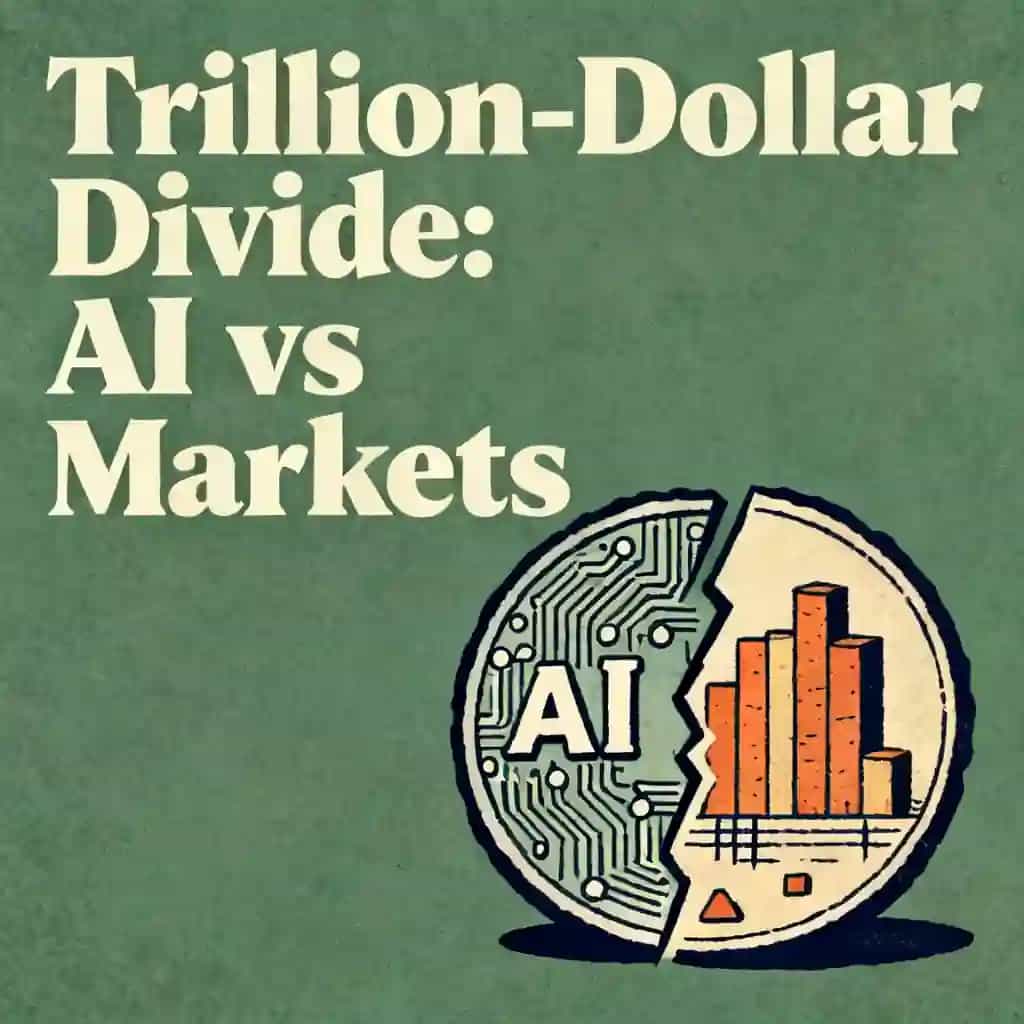
The Power Law is a physics-based model, popularized by astrophysicist Giovanni Santostasi, that views Bitcoin’s growth as a natural phenomenon similar to the expansion of a city or an earthquake. It suggests that Bitcoin follows a predictable mathematical trajectory based on its age from the Genesis Block, projecting long-term prices like $210,000 by 2026 and $1 million by 2033. In contrast, AI-driven "Machine" models like CNN-GRU or LSTM focus on short-term technical indicators and market volatility, often providing more bearish or cautious outlooks based on current "Extreme Fear" or specific chart patterns like the "Death Cross."
While one might expect miners to increase activity when the economy is booming, the script notes that the S&P 500 can actually have a negative impact on the Bitcoin hash rate. This happens because miners are running high-stakes businesses; when the traditional stock market offers "easy mode" returns, these operators may divert their capital and resources away from expensive mining rigs and into traditional investments. Despite this, a climbing hash rate during price drawdowns is generally viewed as a sign of long-term network health and security.
The "Cycle Break" theory suggests that the massive influx of institutional capital through spot Bitcoin ETFs is creating a "slow bull" phase that may dampen the extreme boom-and-bust cycles of the past. Because institutions and 401(k) investors tend to provide "sticky" capital—automated, long-term contributions—they create a higher price floor and reduce the likelihood of 80% retail-driven crashes. However, some analysts argue that market psychology remains unchanged and that 2026 could still result in a "Lame Year" of consolidation regardless of institutional presence.
Expected to occur around March 2026, the mining of the 20 millionth Bitcoin represents a major supply-side catalyst and a psychological milestone for the market. With a hard cap of 21 million coins ever to exist, reaching the 20 million mark highlights the asset's programmatic scarcity. This event reinforces the "scarcity play" for investors, especially as global money supplies expand, making Bitcoin’s fixed supply a more prominent hedge against currency debasement.
The script suggests that instead of trying to predict which case is "right," investors should focus on their own "Time Horizon" and risk tolerance. A short-term focus might prioritize AI models predicting drops to $41,000, while a long-term focus (looking toward 2033 or 2035) might rely on the Power Law’s million-dollar trajectory. The recommended practical approach is Dollar-Cost Averaging (DCA), which involves buying small amounts regularly to remove emotion from the process and manage the "price of admission"—the inherent volatility of the asset.
Создано выпускниками Колумбийского университета в Сан-Франциско
"Instead of endless scrolling, I just hit play on BeFreed. It saves me so much time."


"I never knew where to start with nonfiction—BeFreed’s book lists turned into podcasts gave me a clear path."


"Perfect balance between learning and entertainment. Finished ‘Thinking, Fast and Slow’ on my commute this week."
"Crazy how much I learned while walking the dog. BeFreed = small habits → big gains."
"Reading used to feel like a chore. Now it’s just part of my lifestyle."

"Feels effortless compared to reading. I’ve finished 6 books this month already."
"BeFreed turned my guilty doomscrolling into something that feels productive and inspiring."

"BeFreed turned my commute into learning time. 20-min podcasts are perfect for finishing books I never had time for."
"BeFreed replaced my podcast queue. Imagine Spotify for books — that’s it. 🙌"

"It is great for me to learn something from the book without reading it."
"The themed book list podcasts help me connect ideas across authors—like a guided audio journey."
"Makes me feel smarter every time before going to work"
 Ask ChatGPT
 Ask Claude
Создано выпускниками Колумбийского университета в Сан-Франциско
"Instead of endless scrolling, I just hit play on BeFreed. It saves me so much time."
"I never knew where to start with nonfiction—BeFreed’s book lists turned into podcasts gave me a clear path."
"Perfect balance between learning and entertainment. Finished ‘Thinking, Fast and Slow’ on my commute this week."
"Crazy how much I learned while walking the dog. BeFreed = small habits → big gains."
"Reading used to feel like a chore. Now it’s just part of my lifestyle."
"Feels effortless compared to reading. I’ve finished 6 books this month already."
"BeFreed turned my guilty doomscrolling into something that feels productive and inspiring."
"BeFreed turned my commute into learning time. 20-min podcasts are perfect for finishing books I never had time for."
"BeFreed replaced my podcast queue. Imagine Spotify for books — that’s it. 🙌"
"It is great for me to learn something from the book without reading it."
"The themed book list podcasts help me connect ideas across authors—like a guided audio journey."
"Makes me feel smarter every time before going to work"
"Instead of endless scrolling, I just hit play on BeFreed. It saves me so much time."
"I never knew where to start with nonfiction—BeFreed’s book lists turned into podcasts gave me a clear path."
"Perfect balance between learning and entertainment. Finished ‘Thinking, Fast and Slow’ on my commute this week."
"Crazy how much I learned while walking the dog. BeFreed = small habits → big gains."
"Reading used to feel like a chore. Now it’s just part of my lifestyle."
"Feels effortless compared to reading. I’ve finished 6 books this month already."
"BeFreed turned my guilty doomscrolling into something that feels productive and inspiring."
"BeFreed turned my commute into learning time. 20-min podcasts are perfect for finishing books I never had time for."
"BeFreed replaced my podcast queue. Imagine Spotify for books — that’s it. 🙌"
"It is great for me to learn something from the book without reading it."
"The themed book list podcasts help me connect ideas across authors—like a guided audio journey."
"Makes me feel smarter every time before going to work"
"Instead of endless scrolling, I just hit play on BeFreed. It saves me so much time."
"I never knew where to start with nonfiction—BeFreed’s book lists turned into podcasts gave me a clear path."
"Perfect balance between learning and entertainment. Finished ‘Thinking, Fast and Slow’ on my commute this week."
"Crazy how much I learned while walking the dog. BeFreed = small habits → big gains."
"Reading used to feel like a chore. Now it’s just part of my lifestyle."
"Feels effortless compared to reading. I’ve finished 6 books this month already."
"BeFreed turned my guilty doomscrolling into something that feels productive and inspiring."
"BeFreed turned my commute into learning time. 20-min podcasts are perfect for finishing books I never had time for."
"BeFreed replaced my podcast queue. Imagine Spotify for books — that’s it. 🙌"
"It is great for me to learn something from the book without reading it."
"The themed book list podcasts help me connect ideas across authors—like a guided audio journey."
"Makes me feel smarter every time before going to work"









![[58fbcc90-6393-404d-883e-75d02cc9c7f1:c0000] I want to be scared, you know. I don't want to feel like … p1-1](/_next/image?url=https%3A%2F%2Fd1y2du6z1jfm9e.cloudfront.net%2Fassets%2Fpodcast%2Fyellow.png&w=1024&q=50)