ACT scores aren't about what you know
Struggling to raise your ACT score? Learn why the test is a strategy game and how simple patterns like concision can help you beat the clock.

Лучшая цитата из ACT scores aren't about what you know
The biggest mistake is thinking the ACT is just a knowledge test; it’s actually a strategy test. High achievers have an internal 'eject button'—if they don't see a clear path to the answer within thirty seconds, they mark it, move on, and don't let their ego get in the way of the points.
Generated by Freedee_EA0A003B
The key to getting high Act Scores to get into prestigious colleges and Universities summed up

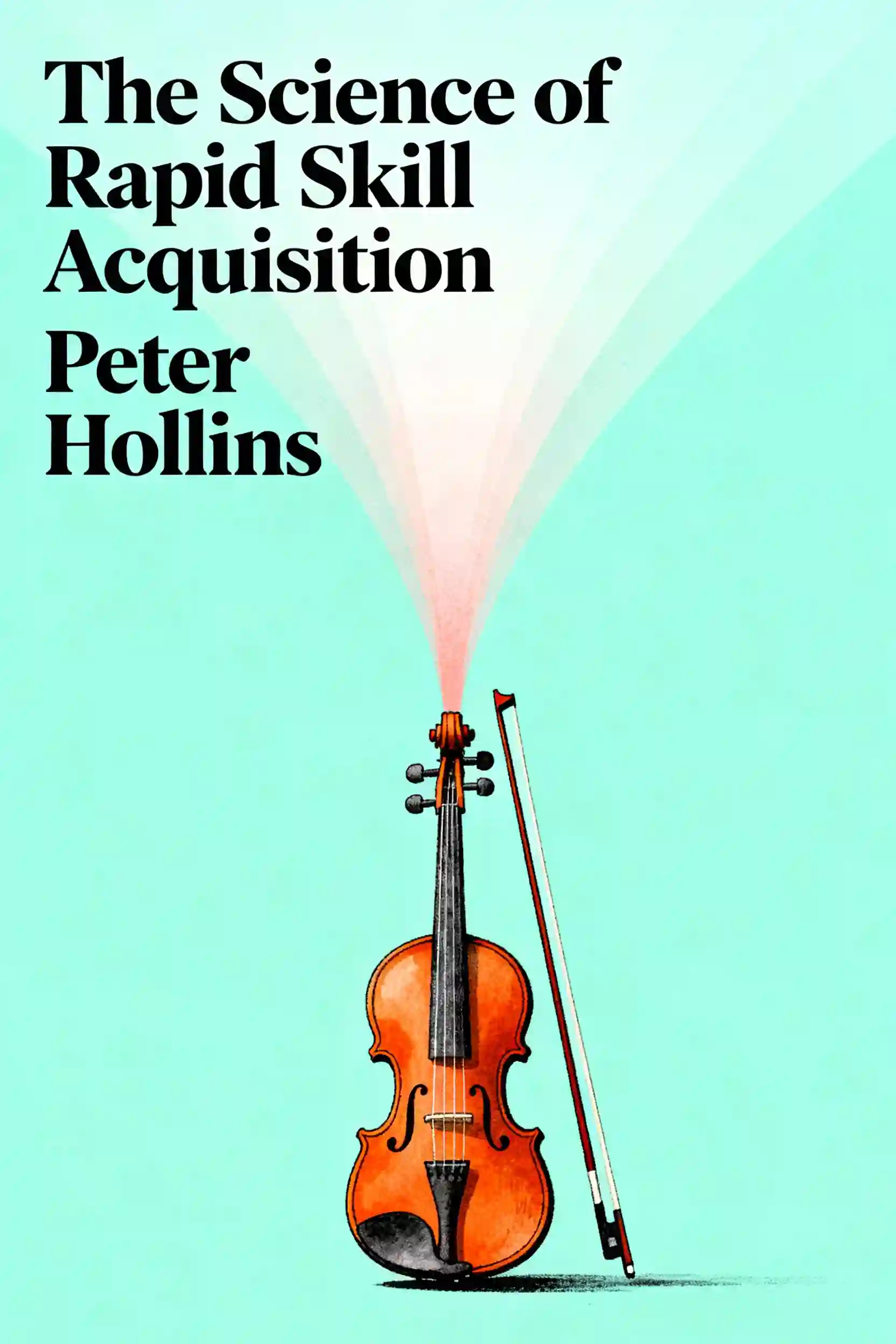
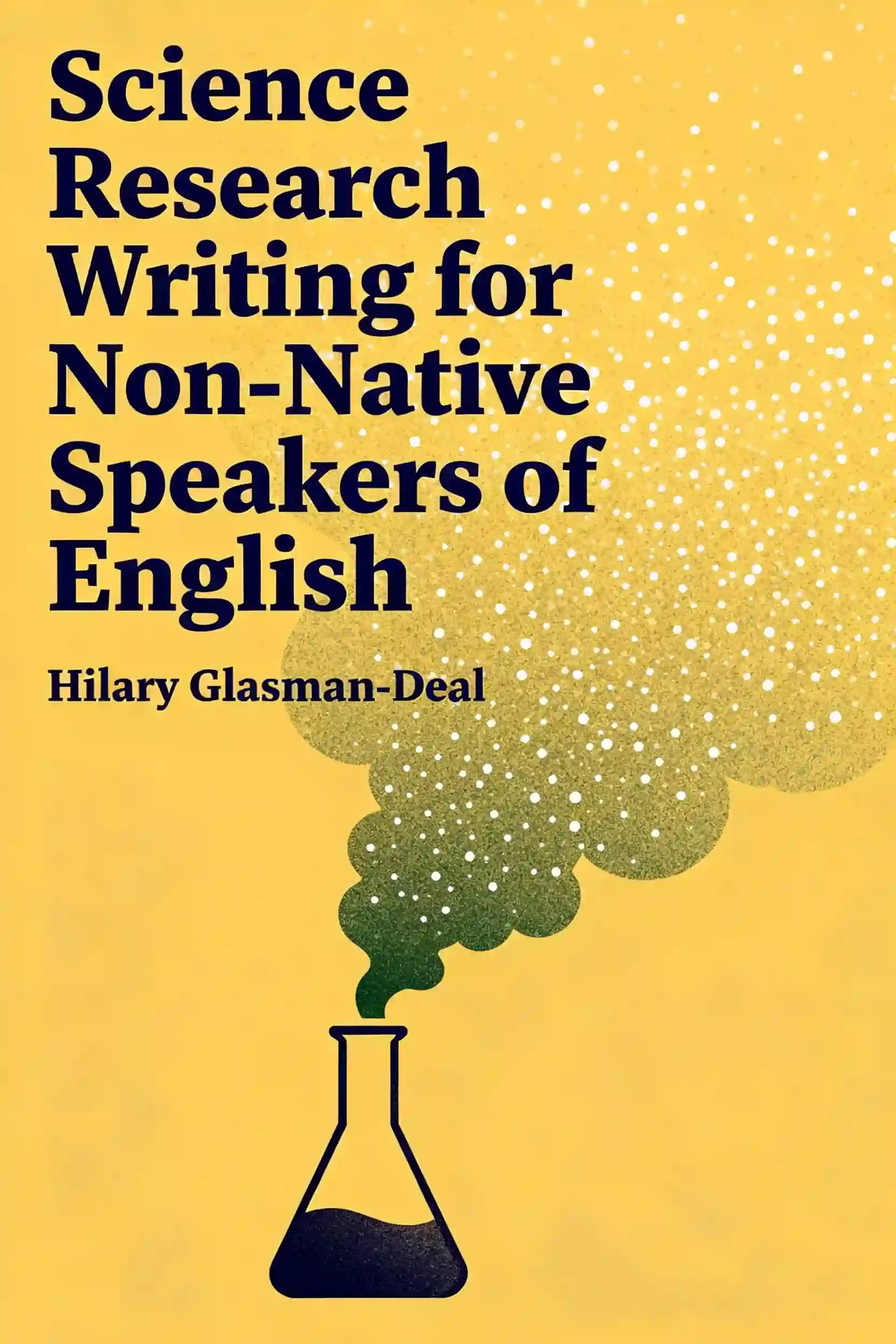
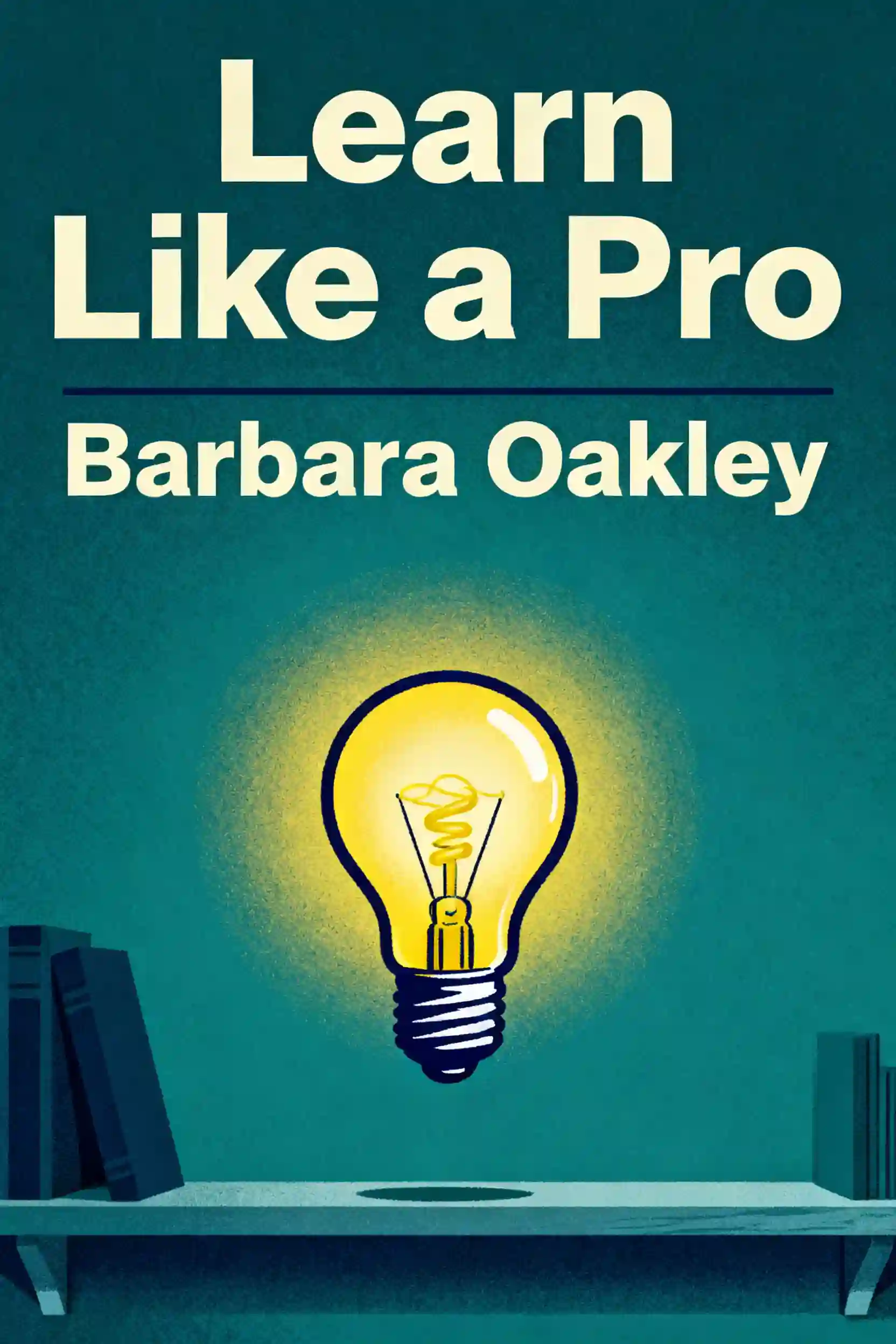
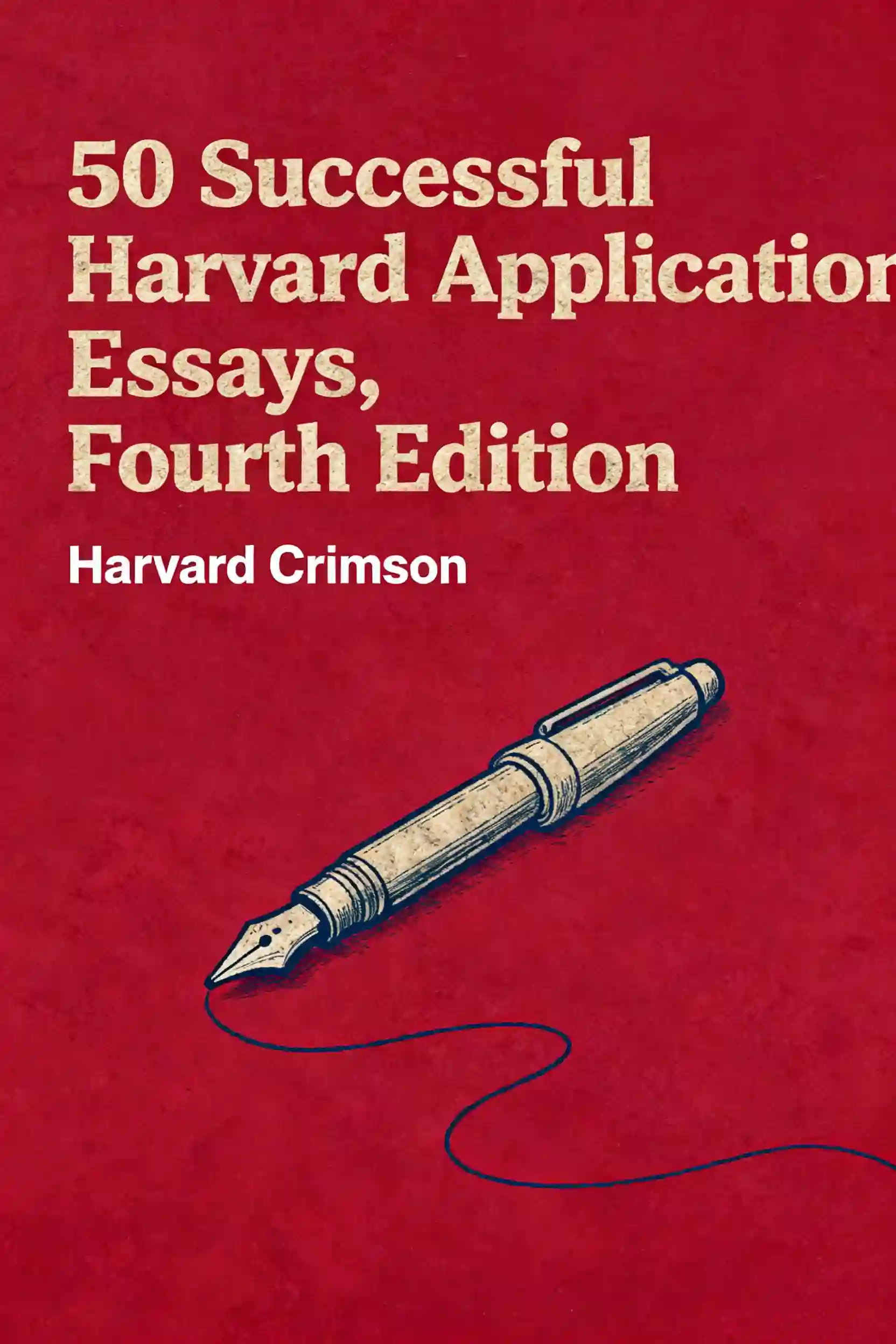
Часто задаваемые вопросы
A score plateau usually occurs because the student is treating the ACT like a traditional school test rather than a strategy-based performance. High-achieving students move beyond "what" is on the test to "how" to take it, accounting for the extreme time pressure. Plateaus often happen when students fail to prioritize easy questions over hard ones or lack the "testing stamina" required for a four-hour marathon, which can only be built through full-length, simulated practice exams.
The ACT English section rewards economy of language and clarity over complex "vivid" writing. Statistically, the shortest grammatically correct answer choice is right over 70% of the time because the test makers actively penalize redundancy. For example, phrases like "annual yearly gala" are incorrect because they repeat the same meaning; students should look for the most concise option that maintains the core meaning of the sentence.
No, the Science section is actually a "technical reading" and data literacy test rather than a knowledge-based science quiz. Most questions can be answered by going straight to the provided graphs and tables to locate specific "coordinates" or trends without reading the dense introductory text. The script suggests acting like a "detective" who identifies data points rather than a scientist who has memorized facts like the periodic table or photosynthesis.
An Error Log is a dedicated notebook where a student records every mistake made during practice. Instead of just checking the correct answer and moving on, the student must document the specific question, the reason for the error (such as a content gap, a careless mistake, or a timing issue), and a "patch" or strategy to prevent that specific mistake in the future. This process of "debugging" one's own thinking is a primary habit of students who score 34 or higher.
The Academic Index is a formula used by many elite universities to combine a student's GPA, class rigor, and test scores into a single numerical value. This index often acts as a preliminary screening tool; if a student's score is too low, their qualitative materials—like essays and leadership experience—might not be fully reviewed. A strong ACT score serves to validate a high GPA, proving to admissions officers that the student's grades are not the result of local grade inflation.
Создано выпускниками Колумбийского университета в Сан-Франциско
"Instead of endless scrolling, I just hit play on BeFreed. It saves me so much time."


"I never knew where to start with nonfiction—BeFreed’s book lists turned into podcasts gave me a clear path."


"Perfect balance between learning and entertainment. Finished ‘Thinking, Fast and Slow’ on my commute this week."
"Crazy how much I learned while walking the dog. BeFreed = small habits → big gains."
"Reading used to feel like a chore. Now it’s just part of my lifestyle."

"Feels effortless compared to reading. I’ve finished 6 books this month already."
"BeFreed turned my guilty doomscrolling into something that feels productive and inspiring."

"BeFreed turned my commute into learning time. 20-min podcasts are perfect for finishing books I never had time for."
"BeFreed replaced my podcast queue. Imagine Spotify for books — that’s it. 🙌"

"It is great for me to learn something from the book without reading it."
"The themed book list podcasts help me connect ideas across authors—like a guided audio journey."
"Makes me feel smarter every time before going to work"
Создано выпускниками Колумбийского университета в Сан-Франциско
"Instead of endless scrolling, I just hit play on BeFreed. It saves me so much time."
"I never knew where to start with nonfiction—BeFreed’s book lists turned into podcasts gave me a clear path."
"Perfect balance between learning and entertainment. Finished ‘Thinking, Fast and Slow’ on my commute this week."
"Crazy how much I learned while walking the dog. BeFreed = small habits → big gains."
"Reading used to feel like a chore. Now it’s just part of my lifestyle."
"Feels effortless compared to reading. I’ve finished 6 books this month already."
"BeFreed turned my guilty doomscrolling into something that feels productive and inspiring."
"BeFreed turned my commute into learning time. 20-min podcasts are perfect for finishing books I never had time for."
"BeFreed replaced my podcast queue. Imagine Spotify for books — that’s it. 🙌"
"It is great for me to learn something from the book without reading it."
"The themed book list podcasts help me connect ideas across authors—like a guided audio journey."
"Makes me feel smarter every time before going to work"
"Instead of endless scrolling, I just hit play on BeFreed. It saves me so much time."
"I never knew where to start with nonfiction—BeFreed’s book lists turned into podcasts gave me a clear path."
"Perfect balance between learning and entertainment. Finished ‘Thinking, Fast and Slow’ on my commute this week."
"Crazy how much I learned while walking the dog. BeFreed = small habits → big gains."
"Reading used to feel like a chore. Now it’s just part of my lifestyle."
"Feels effortless compared to reading. I’ve finished 6 books this month already."
"BeFreed turned my guilty doomscrolling into something that feels productive and inspiring."
"BeFreed turned my commute into learning time. 20-min podcasts are perfect for finishing books I never had time for."
"BeFreed replaced my podcast queue. Imagine Spotify for books — that’s it. 🙌"
"It is great for me to learn something from the book without reading it."
"The themed book list podcasts help me connect ideas across authors—like a guided audio journey."
"Makes me feel smarter every time before going to work"
"Instead of endless scrolling, I just hit play on BeFreed. It saves me so much time."
"I never knew where to start with nonfiction—BeFreed’s book lists turned into podcasts gave me a clear path."
"Perfect balance between learning and entertainment. Finished ‘Thinking, Fast and Slow’ on my commute this week."
"Crazy how much I learned while walking the dog. BeFreed = small habits → big gains."
"Reading used to feel like a chore. Now it’s just part of my lifestyle."
"Feels effortless compared to reading. I’ve finished 6 books this month already."
"BeFreed turned my guilty doomscrolling into something that feels productive and inspiring."
"BeFreed turned my commute into learning time. 20-min podcasts are perfect for finishing books I never had time for."
"BeFreed replaced my podcast queue. Imagine Spotify for books — that’s it. 🙌"
"It is great for me to learn something from the book without reading it."
"The themed book list podcasts help me connect ideas across authors—like a guided audio journey."
"Makes me feel smarter every time before going to work"