Глава 2
Rethink and Rewire Risk in Your Brain
The human brain-our most complex organ-constantly assesses risk to keep us safe, using sensory systems as perimeter defenses against threats. But COVID-19 presented the perfect challenge: an invisible, novel threat our brains couldn't detect or recall from memory, leaving us "flying blind" without guidance.
Individual risk tolerance varies dramatically. When told of a 0.1% chance of COVID complications for his asthmatic child, Jake Tapper immediately canceled family travel plans. Similarly, when presented with a 0.5% case fatality rate, one school superintendent was alarmed that "1 in 200 people will die," while another person interpreted it as "we are 99.5% good."
The "Moral Machine" experiment, which gathered 40 million ethical decisions worldwide about autonomous vehicle crash scenarios, revealed our hierarchical valuing of human life. Babies, children and pregnant women were most likely to be saved, while the elderly ranked just above cats and criminals in the sacrifice hierarchy. This raises profound questions: Would America's pandemic response have differed if COVID primarily killed young people?
When faced with novel threats like COVID-19, our brains struggle to process truly new experiences. Infectious disease doctors initially placed the virus in a "SARS box," assuming it would spread only symptomatically and disappear-a terrible mistake. Adult brains reflexively try to fit new experiences into existing frameworks, while children more easily accept novelty.
Our brains often default to emotional responses when calculating risk, based on limited or biased information. Common risk assessment traps include optimism bias ("it won't happen to me"), false sense of control, confusion from mixed messaging, confirmation bias (seeking information that supports what we want to believe), and habituation through exposure therapy. These mental shortcuts explain why people continued risky behaviors during COVID despite rising infection rates.
Ahmad Ayyad, a 40-year-old fitness enthusiast who ran marathons and managed multiple businesses, became one of the first COVID patients on a ventilator at Johns Hopkins Hospital in March 2020. Despite his exceptional physical condition, the virus devastated him-he lost 60 pounds of muscle during his 25-day medically induced coma. Doctors repeatedly told his parents he wouldn't survive the night, but his father insisted, "My son is a fighter, he's not going to die." His shocking case served as a wake-up call that even the extremely fit weren't immune to COVID's devastating effects.
During the pandemic, people responded to stress in various ways-becoming either "chunks" (gaining weight), "monks" (finding spirituality), "drunks" (increasing alcohol consumption), or "hunks" (getting fitter). While comfort food and alcohol sales soared initially, with 22% drinking more alcohol and one in five stress eating, about one-third of consumers-particularly those under 45-pivoted toward healthier eating habits. The pandemic highlighted America's obesity epidemic, which affects 40% of adults and 20% of children, significantly increasing COVID risks-obese patients were 74% more likely to need intensive care and 48% more likely to die from the virus.
Remaking your metabolism requires rethinking food entirely-not as mere fuel but as information that communicates with your genes. While supplement sales surged during the pandemic (multivitamin use increased by 28% in the US), we lack evidence that specific supplements fortify immunity against COVID. The scientific consensus is that nutrients work best when consumed through food rather than pills, creating an "entourage effect" where micronutrients work synergistically.
The microbiome is the critical biological hinge connecting our environment to our immune system. While we're still in the "we don't know yet" phase of understanding the ideal microbiome composition, what's clear is that diversity matters most-the more diverse your gut bacteria, the healthier. Probiotics can be consumed through fermented foods like yogurt, kimchi, and kombucha, where lactic acid fermentation allows beneficial bacteria to multiply while creating an acidic environment that kills harmful pathogens.
Three fundamental pillars support optimal immunity: movement, quality sleep, and stress management. Just twenty-two minutes of daily moderate exercise strengthens immune function and reduces COVID severity so significantly that the CDC lists inactivity as a risk factor. Sleep acts as natural medicine, recalibrating our body and refreshing cells down to the molecular level. During sleep, circulating immune cells actually peak, explaining sleep's defensive power. Finally, managing toxic stress is crucial, as unrelenting stress hormones compromise immunity and damage the microbiome by stalling digestion and allowing unfriendly bacteria to flourish.
As we learn to live with COVID, which may remain in our environment indefinitely, families must organize themselves differently than before the pandemic. While the world focused on COVID-19, attention shifted away from chronic health issues like heart disease, cancer, diabetes, and dementia. Regular checkups and screenings must resume, along with staying current on COVID booster shots to maintain community immunity.
Rather than focusing on "learning loss," we should address the "thriving gap" created by the pandemic in children's education. While disadvantaged students faced greater challenges with remote learning, educators view the pandemic as an interruption rather than permanent regression. The thriving gap includes not just academics but social and emotional development, especially for teenagers. Psychologist Angela Duckworth emphasizes children's natural resilience and the importance of framing the pandemic as a learning opportunity rather than dwelling on losses.
The pandemic depleted many families' emergency savings. Financial experts now recommend prioritizing the rebuilding of emergency funds-ideally accumulating up to a full year's worth of living expenses-even before paying off debt or resuming discretionary spending. This approach provides maximum flexibility to weather another potential pandemic, focusing first on essential bills while directing remaining funds toward emergency savings.
The pandemic dramatically increased the rate at which people filled out advance directives-five times higher than before-yet fewer than a third of healthy US adults have one. These legal documents specify preferred medical care if you become seriously ill, including end-of-life decisions and designating someone to ensure your healthcare wishes are followed. Without these documents, families face crisis-mode decisions about treatments like dialysis, chest compressions, or defibrillation, potentially triggering enormous unexpected medical costs.
The pandemic devastated long-term care facilities, with nearly 1 in 12 residents dying of COVID-and closer to 1 in 10 in nursing homes. These deaths constituted over a third of all US COVID fatalities. Factors making these facilities vulnerable include frequent physical contact, staff working across multiple locations, and residents sharing close quarters. Infection control problems predated the pandemic, with 80% of nursing homes cited for deficiencies between 2013-2017. When considering facilities, ask about testing protocols, vaccination mandates for staff, outbreak procedures, and safety measures.
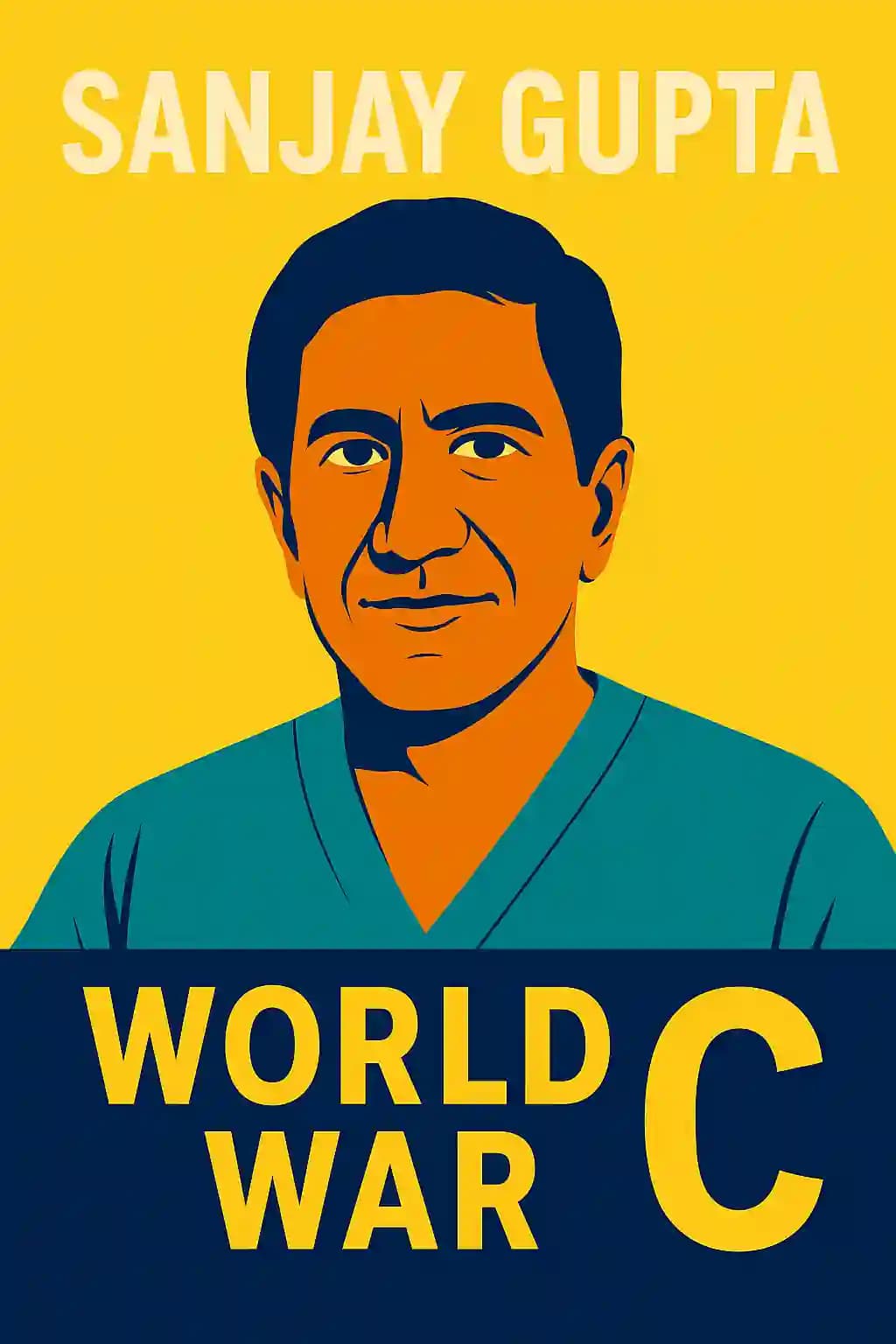
Fighting for our collective health requires understanding that disease anywhere threatens people everywhere. Drawing on twenty years covering global outbreaks, Gupta shares how pathogens like SARS (10% fatality rate), H5N1 avian flu (40%+ fatality), H1N1 swine flu (very contagious but 0.02% fatality), and Ebola demonstrate different pandemic threats. The chapter emphasizes that while wealthy nations can better protect their citizens, true safety requires global cooperation and equitable resource distribution.
In Guinea during the 2014 Ebola outbreak, Gupta witnessed firsthand the devastation of a disease with 50-90% mortality. Unlike COVID, Ebola only becomes contagious after symptoms appear, requiring direct contact with bodily fluids. Despite being harder to transmit, Ebola kills efficiently by disarming the immune system and causing catastrophic internal and external bleeding. When Ebola reached America, all eleven infected people survived because they received treatment at specialized facilities, highlighting how geography determines survival rates for infectious diseases.
In April 2021, while Americans began returning to normal life, India faced a devastating COVID surge that claimed Gupta's uncle. Despite weathering 2020 relatively well, India's health minister had prematurely declared victory in March 2021. By mid-April, India recorded the world's highest single-day case count (400,000+), overwhelming hospitals and crematoriums. This catastrophe stemmed from leadership failures, public fatigue after harsh lockdowns, massive religious gatherings, political rallies, and new variants. Though vaccines remained effective against these variants, only 3% of Indians were fully vaccinated when the surge hit, including Gupta's uncle who would have been prioritized in America.
Pandemics unmask our true humanity-our values, morals, and ethics. Despite hardships, the best of humanity has emerged through rekindled friendships, deeper family connections, and newfound purposes. As an eternal optimist, Gupta believes we'll rise to future challenges, drawing parallels to the 1918 pandemic that killed 200,000 Americans in October alone and continued through three waves until summer 1919. The COVID crisis propelled medical advances like mRNA vaccines while stripping life to its essentials. Though the pandemic will leave a painful scar, Gupta believes we'll learn, grow, and develop in ways that strengthen our future resilience.