Глава 1
Love's Neural Pathways: Rewiring Your Brain for Relationship Success
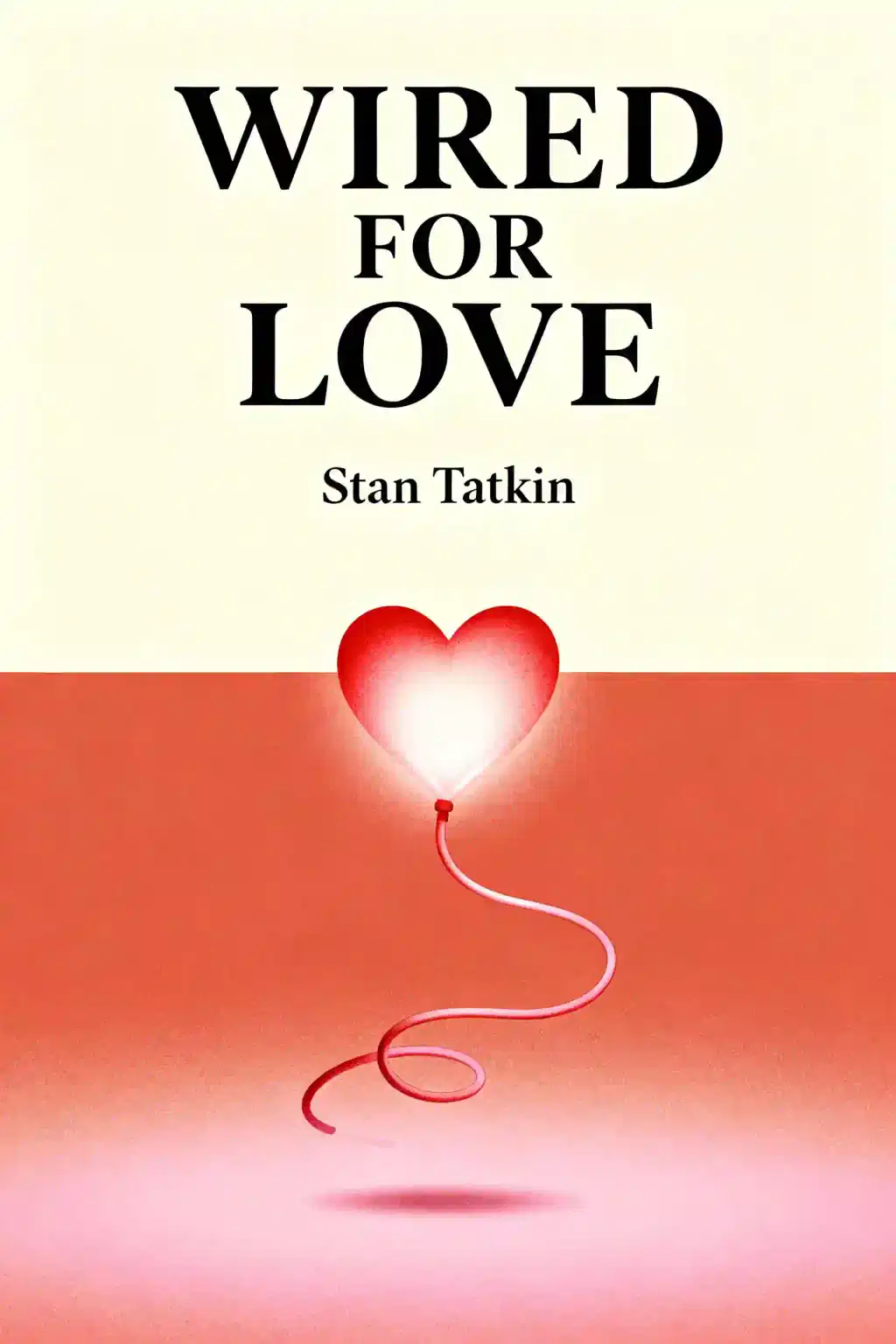
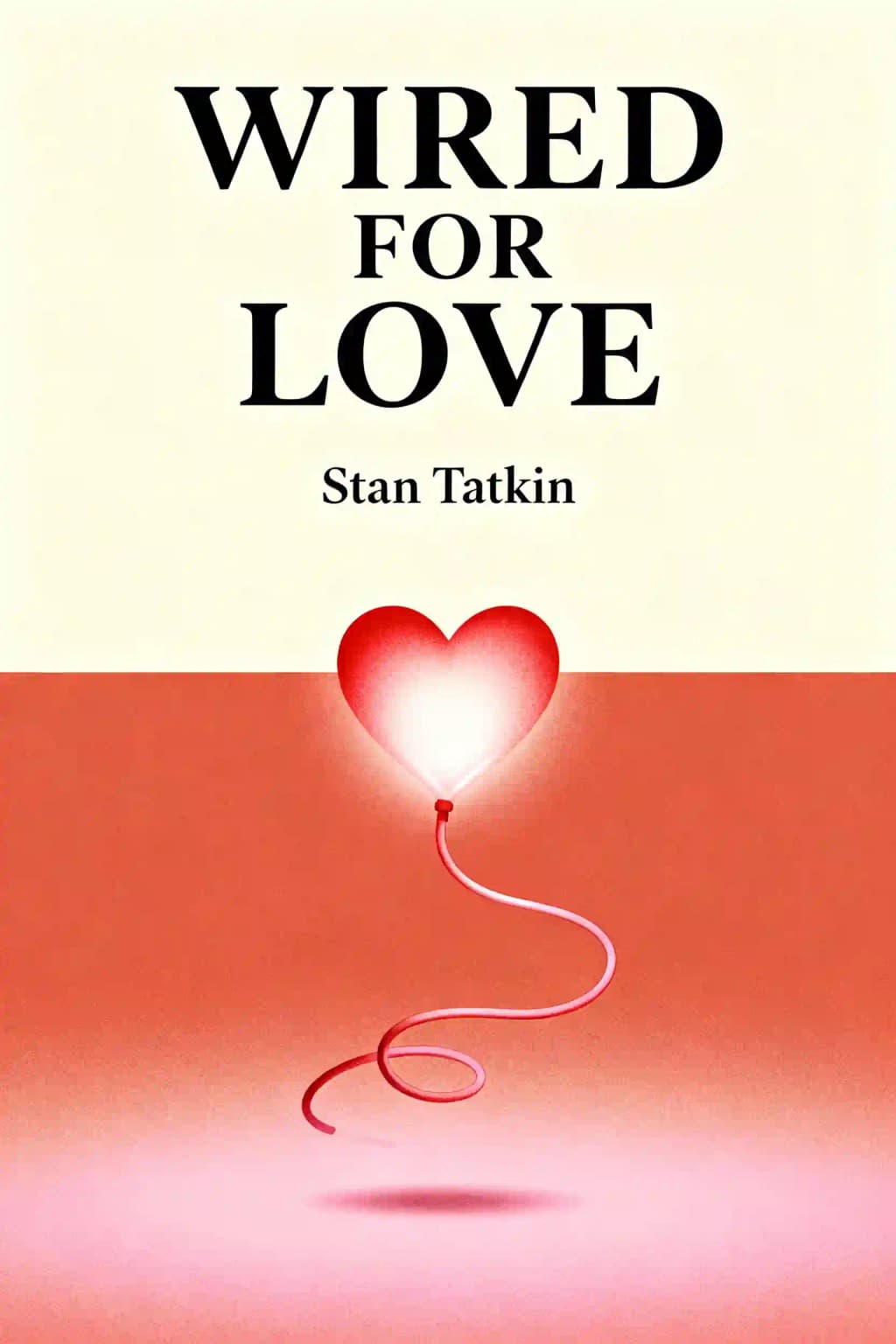
Have you ever wondered why some couples seem to navigate life's challenges with ease while others struggle through constant conflict? The answer may lie not in compatibility or luck, but in the intricate wiring of our brains. Stan Tatkin's groundbreaking work "Wired for Love" has transformed how we understand romantic relationships, becoming a cornerstone text for couples therapists worldwide. This neuroscience-based approach has gained such popularity that even celebrities like Kristen Bell and Dax Shepard have publicly credited these principles with saving their marriage. What makes this book so revolutionary is how it translates complex brain science into practical relationship strategies that anyone can apply. Rather than viewing relationship problems as character flaws, Tatkin shows us how our neural circuitry-shaped by early experiences-influences our capacity for love, and more importantly, how we can rewire these pathways to create deeper, more satisfying connections.
Глава 2
The Couple Bubble: Your Relationship's Protective Shield
Imagine having a force field around your relationship-a protective membrane that shields you both from life's storms and provides a sanctuary where you feel truly safe. This is what Tatkin calls the "couple bubble," and it's the foundation for relationship security.
The concept becomes clear when comparing two couples with drastically different approaches. Jenny and Bradley operate from autonomy, each prioritizing individual needs over couple needs. They abandon each other at social gatherings, then feel victimized when roles reverse. Their "you do your thing, I'll do mine" philosophy isn't true independence but rather a fear of dependency disguised as freedom.
In stark contrast, Greta and Bram exemplify mutuality. They anticipate each other's needs and protect one another in public settings. Their couple bubble guarantees certain non-negotiables: "I will never leave you," "I have your back," and "Our relationship is more important than my need to be right."
Why do we pair up at all? While some mammals mate for life, human monogamy isn't necessarily nature's mandate. Our early attachment experiences significantly influence our adult partnerships-secure early bonds enable us to form trusting relationships later. Creating a couple bubble requires putting the relationship before everything else, with both partners prioritizing each other's wellbeing.
This doesn't mean codependency but rather mutual agreement on principles. Partners must fully commit to each other's sense of safety, avoid popping the bubble through ambivalence, maintain it together, and actively use it as protection in difficult situations. Within this bubble, you can ask for help, rely on each other, and share vulnerabilities without fear of judgment or abandonment.
Have you ever noticed how quickly a loving conversation can transform into a heated argument? This isn't coincidence-it's your brain's wiring at work, and understanding this mechanism is the first step toward changing it.
Глава 3
The Warring and Loving Brain: Managing Your Inner Beasts
We've all experienced those moments when love suddenly turns to war-when a simple conversation with our partner erupts into conflict within seconds. This happens because our brains prioritize survival over love, operating on a "shoot first, ask questions later" principle that's effective for staying alive but problematic for relationships.
Our brains contain two competing systems: the "primitives" (our inner beasts focused on survival) and the "ambassadors" (our more evolved social brain wired for love). When threats appear-real or perceived-our primitives follow a military-like chain of command: Red alert, Ready the troops, and All-out war.
In the Red Alert stage, our amygdalae constantly scan for danger without analyzing whether threats are real. This explains why partners can shift from calm conversation to defensive posturing instantly when certain trigger words or tones appear. Once the alarm sounds, the hypothalamus prepares us for battle by releasing stress hormones like adrenaline and cortisol, giving us three options: fight, flee, or momentarily freeze while deciding.
If the conflict escalates to All-out War, primitives completely take over while ambassadors shut down. Partners display telling signs-some become excited while others slow down or collapse. They recycle the same complaints, often expanding battles to include historical grievances and unrelated topics. Even after visible fighting ends, primitives often remain in control, creating lingering stress.
Fortunately, our ambassadors-the rational, social parts of our brain-can help maintain peace. The "smart vagus" nerve counterbalances its "dumb" counterpart by slowing us down without shutting us down completely. Simple actions like deep, slow breaths stimulate this system, enabling sustained connection. Other key ambassadors include the hippocampus (which tracks relationship events in time and context), the insula (which generates empathy), and the orbitofrontal cortex (our moral and empathic center).
When you notice your primitives taking over-racing heart, muscle tension, narrowed thinking-pause and invite your ambassadors back. Learn to identify your partner's primitives too, sharing these observations in non-threatening ways. This mutual understanding forms a crucial ingredient of your couple bubble and helps you make love, not war.
Глава 4
Know Your Partner: Decoding Your Relationship Style
Partners can spend decades together yet still feel they don't truly know each other. Our relating styles remain remarkably stable over time, shaped by early childhood experiences that wire our brains for particular patterns of connection. Despite our best intentions not to repeat our parents' mistakes, under stress we often revert to these ingrained patterns.
While no one enjoys being classified, understanding relationship styles can help partners develop an "owner's manual" for each other. The three main styles are:
Anchors ("Two can be better than one"): These securely attached individuals experienced attentive, responsive caregiving in childhood. They maintain eye contact during conversations, communicate honestly about feelings, value their relationship above individual preferences, and quickly repair misunderstandings. They're comfortable with both closeness and separation, respond quickly to each other's distress signals, and maintain a strong couple bubble. Though imperfect, anchors are generally happy, grateful people who adapt easily and maintain mutually satisfying relationships without fearing vulnerability or conflict.
Islands ("I want you in the house, just not in my room...unless I ask you"): Islands often mistake their adaptation to childhood neglect for genuine independence. They typically experience more interpersonal stress due to heightened threat perception in social situations. When asked about conflicts or past relationships, they often respond with "I don't remember" or "That's the past." Islands can hold emotional distance longer than others, like holding breath underwater. Without understanding partners, islands rarely recognize their deep-seated existential loneliness or overcome intimacy anxiety.
Waves ("If only you loved me like I love you"): Waves constantly seek connection but often react with anger upon reuniting. Unlike islands who disappear during conflict, waves create turbulence. They typically remember childhood vividly-receiving affection but focusing on times caregivers were frustrated or unavailable. Whereas islands deny dependency, waves acknowledge it but believe they're "too much" for anyone. They often remain stuck in past injustices, unable to move forward without resolution.
Under stress, islands rely excessively on verbal processing, appearing overly logical or unemotional. They focus on the future while avoiding present and past issues. Waves, conversely, demand verbal assurances of love and security, becoming dramatically emotional and fixated on past issues, refusing to move forward without resolution.
Understanding your partner's style is crucial-you must become an expert who knows how to move, shift, motivate, influence, soothe, and inspire them. The degree to which you must work to get what you need while avoiding what you fear reflects your fundamental insecurity. Yet we can only become more secure by being in relationships-we are hurt by people and can only be healed by people.
Глава 5
Becoming Experts on One Another: The Art of Mutual Care
Partners in successful couple bubbles excel at caring for, influencing, and managing one another like expert parents. They've studied each other's "owner's manual" and know operational details outsiders don't. They instantly recognize what pushes their partner's buttons and know precisely how to remedy distress with the right words or actions.
We all carry a handful of issues from childhood that have particular power to make us feel bad. Despite what many believe, these vulnerabilities typically boil down to just three or four core issues that persist throughout our lives. Consider Peggy and Simon, a couple in their sixties who met after being widowed. During a European trip, Simon panicked when Peggy disappeared to get coffee, triggering his abandonment fears. His angry outburst activated her withdrawal response, leading to hours of silent treatment. Neither recognized that they were triggering each other's childhood wounds-both were abandoned as children, Simon through his mother's death and subsequent adoption complications, Peggy through her father's departure and emotional neglect.
To become an expert on your partner, first understand your own vulnerabilities by reflecting on issues that have deeply affected you from childhood to present. Recall specific incidents when you felt angry, depressed, or rejected, and identify the underlying vulnerability. Then compile what you know about issues affecting your partner by recalling specific incidents when they became distressed. Look for patterns to narrow down to three or four main areas.
Beyond knowing what distresses your partner, you must also know what uplifts them. The ability to spontaneously elevate your partner's mood is crucial to being an expert on them. Most people don't actually want their partner to change fundamentally, but they do want to know how to positively influence and motivate them.
Effective partners know exactly which emotional "itches" to scratch. Peggy and Simon fail at this-he compliments her beauty when she craves recognition of her intelligence, while she praises his smarts when he needs reassurance of his worth and lovability. In contrast, Paul and Barbara excel at addressing each other's vulnerabilities. Paul knows Barbara's fears about abandonment and loss, while Barbara understands Paul's need for trust and validation. They provide precisely what the other needs, making themselves indispensable to each other while maintaining their protective couple bubble.
The true test of your expertise is visible in your partner's face, voice, and mood shifts-if you're not getting the desired results, you need to learn more about scratching the right emotional itch.
Глава 6
Launchings and Landings: The Power of Daily Rituals
The transitions between sleep and wakefulness-our morning launchings and nighttime landings-significantly impact our mental and physical health and relationships. Partners should serve as each other's best antidepressants and anti-anxiety agents, providing the soothing comfort that may have been missing in childhood.
Consider Noah and Isabella, busy parents in their thirties with opposite sleep schedules who have grown unhappy in their marriage. Isabella (an island) goes to bed early while Noah (a wave) stays up late, and they rarely see each other in the mornings. Though they blame their dissatisfaction on external factors like work and finances, their disparate sleep-wake patterns contribute significantly to their problems. Research shows men and women experience sleep differently-women's sleep is more disrupted by partners, yet both genders report feeling more secure sleeping together than alone.
In contrast, couples who coordinate sleep schedules and create bedtime and morning rituals report much higher relationship satisfaction. Rebecca and Vince, despite similar stresses to Noah and Isabella, prioritize nighttime and morning rituals. They put their children to bed together, spend quality time afterward, and resist work distractions. They create meaningful bedtime transitions-gazing into each other's eyes, reading to one another, or expressing gratitude before sleep. They wake together and spend several minutes connecting before starting their day. These rituals energize them and maintain their connection despite busy schedules.
Even partners with different internal clocks can benefit from creating brief connection rituals. When Carrie (night owl, island) accidentally went to bed before Marcia (early bird, anchor) one night and experienced Marcia's soothing bedtime presence, she realized her late-night habits stemmed from feeling abandoned. By adjusting her schedule, Carrie slept better, stopped late-night snacking, and strengthened their connection.
Daily separations and reunions function similarly to waking and sleeping transitions. How partners launch each other into the world affects their energy and confidence throughout the day. How they land and reunite impacts the couple bubble and wellbeing at home. Rebecca and Vince prioritize their "Welcome Home Ritual," seeking each other out before greeting anyone else and embracing until they feel each other relax. These brief moments of attunement prevent conflicts and strengthen their connection.
In a mutual relationship, you must seek opportunities to care for your partner. Both benefit when you put your partner to bed, even if you don't sleep at the same time. Create variety in your rituals-watching TV together (while maintaining contact), listening to audio content, praying, gazing into each other's eyes, reading aloud, back tickling, or sharing intimacy. Morning rituals might include breakfast in bed, eye gazing, discussing the day ahead, or making nighttime plans. When separating, give your partner a proper send-off with eye contact, embrace, and affirming words.
Глава 7
The Go-To People: Creating an Unbreakable Bond
Near death, people rarely regret missed travels or financial achievements-they lament relationship shortcomings. Throughout human history, we've sought answers to existential questions through various means, but perhaps the most powerful sustenance is having a go-to person who cares and remains available.
Marsha and Brian, a childless couple devoted to careers and being surrogate parents to nieces and nephews, face a brewing problem: neither serves as the primary confidant for the other. When Marsha loses her job and faces uncertainty, their lack of mutual support becomes apparent. Brian believes some things should remain private, revealing his island-like tendencies. What they lack is a secure tethering to one another-a consistent connection that provides comfort through life's challenges.
While childhood tethering was asymmetric (one-way), adult tethering should be symmetric (mutual). Islands resist tethering, believing they're self-sufficient, while waves desire one-sided tethering without reciprocation. Our brains influence our capacity for tethering. During courtship, the brain floods with excitatory neurotransmitters like noradrenaline and dopamine, activating addiction-related brain regions. Couples who progress beyond courtship-especially anchors-develop more active raphe nuclei, producing serotonin that helps them calm down together.
In secure adult relationships, maintaining private compartments is counterproductive-partners feel safer when they fully know each other. Eden and David have vowed complete transparency with each other. They share everything-even bathroom habits-which reflects their deep commitment to vulnerability. When Eden confesses judging an unkempt woman at the market (before feeling ashamed when the woman smiled at her), David responds with his own candid admission. Their openness extends to potential threats-when Eden tells David about a coworker coming onto her, he skips jealousy and focuses on her safety. This radical honesty eliminates trust issues and jealousy that plague many couples.
Partners can function as auxiliary brains for each other, creating a shared mental space where two minds work better than one. Tethered partners essentially lend each other their brains and nervous systems, expanding their capabilities. Even during disagreements, their commitment to honesty provides a foundation for working together.
Partners in a couple bubble commit to being available to each other 24 hours a day, 7 days a week. This means answering calls cheerfully anytime, even for seemingly trivial matters. It extends to waking each other for comfort during sleepless nights without resentment. While practical limitations exist, the principle ensures partners feel secure knowing they can reach out anytime and receive a receptive response. This mutual availability creates security that no one outside the bubble can provide.
Being "high maintenance" is reframed as positive when both partners willingly go the extra mile for each other. Unlike the pejorative use of the term, this describes partners who expect and provide exceptional care, knowing they'll receive the same in return.
Глава 8
Protecting Your Couple Bubble: Navigating Outside Relationships
Humans naturally form twosomes, beginning with our birth mothers. As adults, we choose one primary partner for comfort and care, forming a secure twosome. However, couples must navigate "thirds"-people, objects, or tasks that can intrude on their couple bubble. These thirds include children, family members, friends, work colleagues, and even hobbies or work commitments.
Couples who handle thirds poorly typically establish problematic patterns before even entering their relationship. They marginalize their primary partner by forming exclusive relationships with others or things-a sister taking precedence over a partner, addiction to wine over a spouse, or unholy alliances with children.
Consider in-laws as thirds. Suzanne and Klaus's relationship deteriorated when Suzanne's father became their babysitter. Initially, Klaus admired his father-in-law, but grew hostile when Suzanne began sharing private matters with her father before discussing them with him. Their arguments revealed deeper issues-Suzanne resented Klaus's work focus and absence from childcare, while Klaus felt betrayed and displaced by his father-in-law. Neither effectively included this third in their relationship, leading Suzanne to let her father in while pushing Klaus out.
In contrast, Perry and Landa demonstrate effective third management with family gatherings. Despite difficult relationships with Perry's mother and sister, they've developed strategies for family dinners: planning ahead, discussing potential problems, maintaining an "us and them" stance, creating escape plans, and using eye contact to check in with each other. They control seating arrangements to stay physically close for support, and celebrate their teamwork afterward.
Couples who struggle with one type of third often struggle with all types. How parents include children in their relationship is particularly critical. Klaus and Suzanne's children have become wedges in their relationship. When bedtime battles erupt, the children pit parents against each other. Klaus undermines Suzanne's authority by questioning whether the children heard her warnings, leading Suzanne to storm out, leaving Klaus to handle bedtime. Both parents feel abandoned while their children effectively control the situation.
In contrast, Perry and Landa maintain their couple bubble while parenting. When Perry comes home, they reunite first-embracing until relaxed and making sustained eye contact-before greeting the children. They support each other during parenting challenges, presenting a united front that prevents their children from becoming divisive thirds.
Affairs represent perhaps the most obvious form thirds can take in relationships. For couples who can't properly include outsiders, adding a third person often destroys their twosome. Even anchors like Landa have affairs, though they handle them differently. Early in her relationship with Perry, Landa made out with an ex-boyfriend after dinner. The next morning, she immediately confessed to Perry, expressed shame, and acknowledged he might end their relationship. Perry, though shocked, recognized the ex wasn't a real threat and appreciated Landa's honesty. This early transgression actually strengthened their relationship.
The key principle is that partners should prevent each other from becoming a third wheel when relating to outsiders. Always make your partner number one through words and actions, not just assumption. Don't avoid thirds-friends and activities enrich life when properly integrated into your twosome. Even when interests aren't shared equally, being there for your partner matters more than personal enjoyment.
Глава 9
Fighting Well: Conflict as a Pathway to Intimacy
The brain is wired first for war, not peace. While creating a couple bubble reduces conflict, even secure relationships face inevitable disagreements. Success isn't avoiding all fights but learning to fight well-strengthening rather than destroying your connection.
While not all fights need avoiding, unnecessary ones can be prevented. Waving the flag of friendliness-making the first move toward peace-can stop conflict before it escalates. A smile, touch, or reassuring voice can prevent many conflicts. When primitives are threatened, words become useless "blah-blah-blah"-defensive garbage that only causes damage requiring later repair. Sometimes the most effective strategy is simply to stop talking until ambassadors return.
Many couples who fight poorly never learned rough-and-tumble play as children. All mammals engage in this play, though humans uniquely begin with face-to-face play with caregivers. Later rough-and-tumble play with siblings teaches us about physical boundaries and impact. Secure couples keep fights in the "play zone"-maintaining friendliness without declaring winners or losers. Ambassadors remind us: "We're okay. Everyone will survive. You're in love, remember?"
Fighting well requires accurately reading your partner's feelings, thoughts, and intentions. While our bodies sense discomfort, visual cues provide the most reliable information-eye moisture, flinches, smiles, lip movements. Distressed couples often look away, depriving ambassadors of vital information and allowing primitives to dominate. Text messaging and emails are particularly dangerous for sensitive discussions. Without tone, intention or feeling cues, messages are easily misinterpreted.
Beyond individual management of primitives, partners must take responsibility for managing each other's emotional states. Smart fighting is managed by ambassadors (rational brain), not primitives (reactive brain). Partners should negotiate win-win solutions where both feel good about outcomes. When taking breaks during fights, make them mutually acceptable with clear timeframes. Secure couples can acknowledge problems while maintaining their connection: "We are okay, but what just happened is not."
Many couples mistakenly expect partners to share identical values and desires. Instead of manipulating through fear or threats, partners should use positive influence based on knowledge from their relationship's "owner's manual." Effective couples fold self-interests into the greater good of the relationship so nobody loses. The key is negotiating solutions that feel meaningful and worthwhile for both partners, even if compromises aren't perfectly symmetrical.
Some issues between partners can be resolved eventually, while others may remain perpetual sources of conflict. As researcher John Gottman notes, couples don't need to solve all conflicts, but they must deal with them effectively. Expert fighters like Dennis and Kathleen pay close attention to each other during sensitive topics and never avoid difficult conversations. They competently manage each other's emotions and know how to shift, soothe and inspire one another, treating fights as minor speed bumps rather than roadblocks.
Глава 10
Rekindling Love: The Science of Sustained Connection
While fighting well prevents heightened alert states, couples must also know how to rekindle love when it wanes. Most couples already know what intimate connection feels like from early relationship stages, but maintaining it requires understanding that lust operates at a distance while love happens up close. The key to rekindling romance isn't found in creating artificial distance but in close proximity and connection.
Viktor and Tatiana, empty nesters in their fifties, illustrate how couples can drift apart without realizing it. Despite Viktor's attempts to "woo" his wife with gifts and plan an extravagant vacation, they've become like strangers. Viktor intentionally cultivates unfamiliarity, believing it generates excitement, while Tatiana craves intimacy. Their relationship demonstrates how settling for love at a distance creates only tepid excitement rather than true connection.
Our brain uses different systems to assess potential partners depending on distance. At a distance, we use our far visual system working with our amygdalae to determine safety and attraction. Our primitives prefer familiarity with just enough "stranger-ness" to create attraction. Too much unfamiliarity creates threat, while the right balance draws us into closer proximity where our ambassadors can engage in deeper assessment.
True love, unlike lust or fantasy, develops in close proximity. When we're close, our near visual stream engages, allowing us to see facial expressions, skin tone changes, and especially the eyes, which reveal our partner's inner emotional landscape. Unlike other body parts that show aging, eyes remain vibrant and beautiful throughout life, providing a permanent means to fall in love again and again through sustained gazing.
Real love ignites through eye contact, not fantasy or lust. Gazing into a partner's eyes reveals their essence and nervous system's live, changing landscape. Sustained gazing creates relaxation, safety, and full presence-what attachment expert Daniel Stern calls "moments of meeting." Kent and Sandra, married twenty-five years, demonstrate how eye gazing maintains love. When Kent looks into Sandra's eyes, he experiences meeting her anew. Unlike friends who avoid close gazing and complain of relationship boredom, this couple understands that close eye contact prevents dulling familiarity by revealing each other's inherent "stranger-ness"-the novelty and unpredictability that rekindles love and excitement.
Islands and waves face particular challenges with close proximity. Islands typically struggle with close-up interactions due to childhood experiences lacking physical contact or proper eye gazing. They often feel intruded upon by close contact and develop aversions to gazing, smell, taste and touch. Waves crave physical proximity but may become hypersensitive to perceived rejection. Consuela, a wave married to Jose (also a wave), began noticing what she interpreted as Jose withdrawing from their close contact. During dinner when discussing visiting her parents, she noticed he broke eye contact momentarily. Though she initially said nothing, later she confronted him, demanding to know why he "pulled away." Jose was baffled, explaining he was simply removing bones from his fish.
Even those who feel shy about extended eye contact should push their limits while easing into the practice. Beyond eye contact, other near senses like touch, smell and taste can be powerful reconnection tools. The key is practicing when tensions are low rather than waiting until conflicts erupt, allowing the more loving response to become second nature.
Глава 11
Your Partnership as Medicine: Healing Through Connection
Our partnerships directly impact our physical and mental health through what scientists call "allostatic load"-the accumulated physiological cost of adapting to life's stresses. This load affects cardiovascular, autoimmune, inflammatory, and metabolic systems, potentially leading to serious illness. While some avoid relationships to reduce stress, and others endure unhealthy relationships that increase it, the healthiest option is a relationship that helps partners thrive and destress together.
Many couples fail to recognize relationship stress as a significant health hazard. Ralph and Lorraine exemplify this blind spot-after thirty years together, they routinely threatened their relationship during conflicts with statements like "If you don't quit yelling, you won't have anyone to yell at anymore!" or "I'm out of here!" This constant threat environment manifested physically: their children developed depression and anxiety, Lorraine experienced immune system problems and depression, and Ralph suffered heart palpitations despite having no actual heart disease. Only through therapy did they recognize how their threatening behavior was increasing each other's allostatic load. When they stopped these behaviors, their health improved dramatically.
Within a couple bubble, partners can be annoying but never threatening. Threatening behaviors-including rage, violence, relationship threats, extended withdrawal, contempt, and disgust-undermine fundamental security. Research by Katz and Gottman shows that contempt (including disgust, disrespect, condescension, and sarcasm) not only predicts divorce but disrupts children's behavior. Since partners are neurologically wired together, threatening behavior harms both individuals and requires immediate elimination.
Relationships should actively promote health and well-being, not merely minimize stress. Susi and Tamara, both raised without physical affection, maintained a friendly but physically distant relationship as adults. Despite never threatening each other, they suffered continuous anxiety and serious health problems (fibromyalgia, Epstein-Barr syndrome, irritable bowel syndrome, diabetes). When therapy helped them recognize their lack of physical contact as contributing to their health issues, they began sleeping in the same room and cuddling at night. Though never becoming highly affectionate, these small changes quickly reduced their physical complaints.
Scientific research since the 1950s confirms that physical touch, holding and rocking are essential human needs from infancy through adulthood. Studies by Harlow, Prescott, Bowlby, Mahler and Stern all demonstrate that our primitives cannot fully settle under stress without touch. Recent research on Gulf War veterans shows chronic stress actually shrinks the hippocampus, impairing its ability to regulate stress hormones. Physical contact serves as actual medicine-both healing and preventative-with measurable neurobiological benefits.
Partners should spend at least ten minutes daily in close physical contact-hugging, holding, cuddling, hand-holding, kissing, or massage (not sex). Even those averse to touch should try this practice, as the health benefits often appear within days. This physical connection serves as actual medicine for both healing and prevention.
Most of us enter relationships with good intentions, trying our best to love and be loved. When things go wrong, it's typically because we've overlooked or dismissed the principles outlined here. But there's always hope-relationships aren't like baseball with three strikes and you're out. The universe continually offers opportunities to redo, repair, and reinvent ourselves with another person, even the same one. What's needed is a principled reason to be together, a life-enhancing purpose based on true mutuality, full commitment, and willingness to accept each other completely, irritating qualities and all.





![[wired-for-love-by-stan-tatkin:c0000] Wired for Love p1-1](/_next/image?url=https%3A%2F%2Fd1y2du6z1jfm9e.cloudfront.net%2Fassets%2Fpodcast%2Fblue.png&w=1024&q=50)
![[wired-for-love-by-stan-tatkin:c0001] Wired for Love p1-1](/_next/image?url=https%3A%2F%2Fd1y2du6z1jfm9e.cloudfront.net%2Fassets%2Fpodcast%2Fpurple.png&w=1024&q=50)
![[wired-for-love-by-stan-tatkin:c0002] Wired for Love p1-1](/_next/image?url=https%3A%2F%2Fd1y2du6z1jfm9e.cloudfront.net%2Fassets%2Fpodcast%2Fgreen.png&w=1024&q=50)