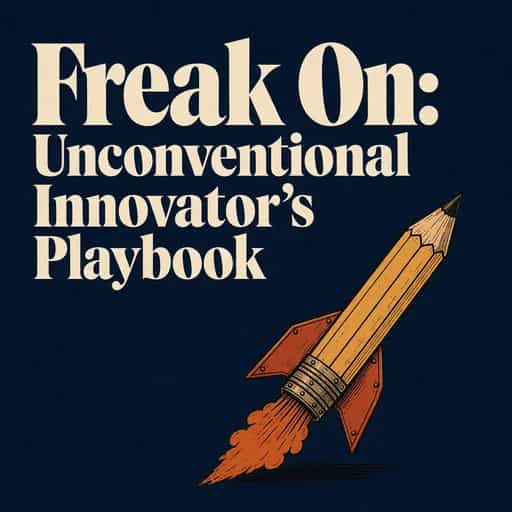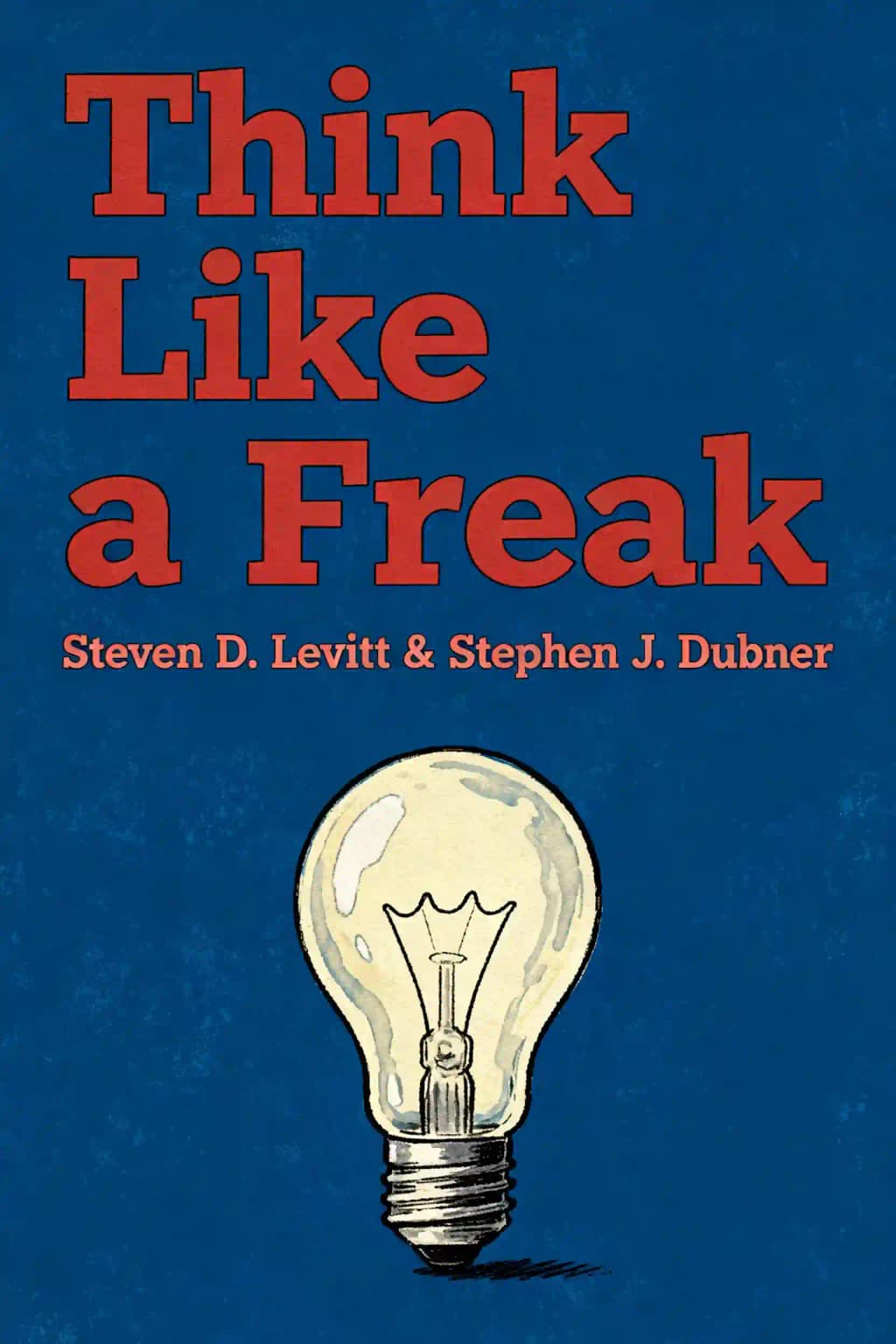
Unlock the revolutionary problem-solving toolkit from the Freakonomics masterminds. This New York Times bestseller teaches you to think like a child, understand incentives, and embrace quitting. Beloved by business leaders for its counterintuitive wisdom that transforms complex problems into solvable puzzles.
Почувствуйте книгу через голос автора
Превратите знания в увлекательные, богатые примерами идеи
Захватите ключевые идеи мгновенно для быстрого обучения
Наслаждайтесь книгой в весёлой и увлекательной форме
Ever notice how the most educated people sometimes hold the most extreme views? A fascinating study revealed that individuals with higher scientific literacy weren't more moderate about climate change-they were actually more likely to hold extreme positions in either direction. This counterintuitive finding exposes a fundamental flaw in how we think: intelligence doesn't protect us from bias; it often amplifies it. We use our smarts to defend what we already believe rather than discover what's actually true. The real barrier to clear thinking isn't lack of knowledge-it's our inability to say three simple words: "I don't know." We confuse facts (scientifically verifiable truths) with beliefs (things we hold true without easy verification). This distinction becomes stark when examining how 84.5% of Maltese believe in the devil compared to just 9.1% of Latvians, or how expert predictions routinely fail. Political forecasters in Philip Tetlock's 20-year study performed barely better than "dart-throwing chimps," achieving 47.4% accuracy. Even Nobel laureate Paul Krugman embarrassingly claimed "the Internet's impact on the economy has been no greater than the fax machine's." Why do brilliant people make such terrible predictions? Because the personal cost of saying "I don't know" exceeds the cost of being wrong. When Harold Camping predicted the world would end in May 2011, causing widespread panic, he faced zero consequences when his prophecy failed. Bold predictions bring huge rewards if correct, while failures are quickly forgotten.
Разбейте ключевые идеи Think Like a Freak на понятные тезисы, чтобы понять, как инновационные команды создают, сотрудничают и растут.
Выделите из Think Like a Freak быстрые подсказки для запоминания, подчёркивающие ключевые принципы открытости, командной работы и творческой устойчивости.

Погрузитесь в Think Like a Freak через яркие истории, превращающие уроки инноваций в запоминающиеся и применимые моменты.
Задавайте любые вопросы, выбирайте голос и совместно создавайте идеи, которые действительно находят у вас отклик.

Создано выпускниками Колумбийского университета в Сан-Франциско
"Instead of endless scrolling, I just hit play on BeFreed. It saves me so much time."
"I never knew where to start with nonfiction—BeFreed’s book lists turned into podcasts gave me a clear path."
"Perfect balance between learning and entertainment. Finished ‘Thinking, Fast and Slow’ on my commute this week."
"Crazy how much I learned while walking the dog. BeFreed = small habits → big gains."
"Reading used to feel like a chore. Now it’s just part of my lifestyle."
"Feels effortless compared to reading. I’ve finished 6 books this month already."
"BeFreed turned my guilty doomscrolling into something that feels productive and inspiring."
"BeFreed turned my commute into learning time. 20-min podcasts are perfect for finishing books I never had time for."
"BeFreed replaced my podcast queue. Imagine Spotify for books — that’s it. 🙌"
"It is great for me to learn something from the book without reading it."
"The themed book list podcasts help me connect ideas across authors—like a guided audio journey."
"Makes me feel smarter every time before going to work"
Создано выпускниками Колумбийского университета в Сан-Франциско

Получите резюме книги «Think Like a Freak» в формате PDF или EPUB бесплатно. Распечатайте или читайте офлайн в любое время.