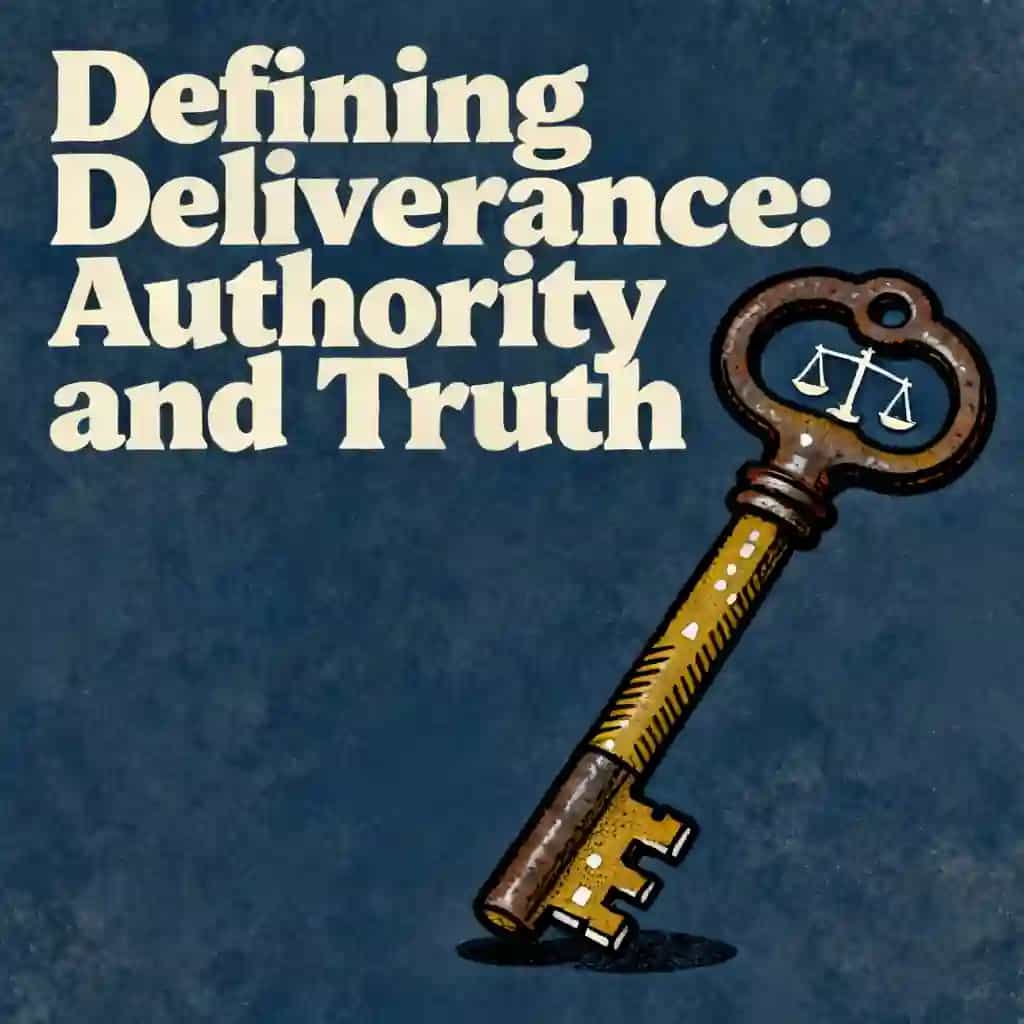
Truth War: Fighting for Certainty in an Age of Deception

Обзор книги Truth War
In "The Truth War," John MacArthur boldly defends biblical truth against postmodernism's relativistic tide. This controversial 2007 manifesto sparked fierce theological debates, galvanizing evangelical leaders worldwide. What dangerous compromise might you be making without even realizing it?
- Truth is absolute and rooted in God’s character, not human perception.
- Postmodernism’s relativism threatens biblical truth by promoting doctrinal ambiguity.
- Spiritual warfare demands defending truth against Satan’s lies and deception.
- Discernment requires evaluating teachings against Scripture to combat heresy.
- Apostasy emerges when churches compromise truth for cultural relevance.
- Bold proclamation of biblical truth triumphs over false teachings.
- The Emerging Church Movement risks diluting doctrine for modern appeal.
- Early church battles against Gnosticism model confronting doctrinal error.
- Pastors must lead as generals in the Truth War.
- Sound doctrine anchors Christian identity and spiritual transformation.
- Salvation hinges on embracing God’s truth as revealed in Christ.
Об авторе книги Truth War
John Fullerton MacArthur Jr., author of The Truth War: Fighting for Certainty in an Age of Deception, is a renowned pastor, theologian, and bestselling author recognized for his uncompromising commitment to biblical exposition. A leading voice in evangelical Christianity, MacArthur has served as pastor of Grace Community Church in Sun Valley, California, since 1969 and is chancellor emeritus of The Master’s Seminary.
His expertise in expository preaching and doctrinal clarity underpins The Truth War, which confronts modern challenges to biblical authority with rigorous scriptural analysis.
MacArthur’s extensive body of work includes over 150 books, such as the Gold Medallion Award-winning MacArthur Study Bible (over one million copies sold) and influential titles like Twelve Ordinary Men and A Tale of Two Sons. As host of the nationally syndicated program Grace to You, he reaches millions through radio, television, and digital platforms.
His writings, translated into more than two dozen languages, continue to shape Christian theology and practice worldwide, cementing his legacy as one of Christianity Today’s most influential preachers of his era.
Часто задаваемые вопросы о Truth War
What is The Truth War by John F. MacArthur Jr. about?
The Truth War confronts modern challenges to biblical authority, advocating for unwavering commitment to Scripture amid postmodern relativism. MacArthur critiques the Emerging Church Movement, exposes historical and contemporary heresies, and urges Christians to defend doctrinal purity. The book emphasizes the necessity of truth in faith, addressing pitfalls like moral ambiguity and counterfeit teachings infiltrating churches.
Who is John F. MacArthur Jr.?
John F. MacArthur Jr. (born 1939) is a pastor, author, and chancellor of The Master’s Seminary. As the longtime leader of Grace Community Church, he’s known for expository preaching and writings like the MacArthur Study Bible. A staunch defender of biblical inerrancy, he’s authored over 150 books and hosts the Grace to You media program.
Who should read The Truth War?
This book is essential for Christians seeking clarity on doctrinal integrity, church leaders combating false teachings, and readers interested in Reformed theology. It’s particularly relevant for those navigating postmodernism’s influence on faith or concerned about compromises in evangelical circles.
Is The Truth War worth reading?
Yes—MacArthur’s rigorous biblical analysis and historical insights make it a vital resource for doctrinal defense. Its critique of theological laxity and practical guidance for discernment resonate in an era of shifting cultural values. The book’s Gold Medallion Award and over 150 authorial works underscore MacArthur’s credibility.
How does The Truth War address postmodernism?
MacArthur argues postmodernism undermines absolute truth, fostering spiritual apathy. He critiques its rejection of biblical certainty, showing how this mindset dilutes gospel urgency and enables false doctrines. The book contrasts postmodern relativism with Scripture’s clarity, urging believers to reclaim propositional truth.
What does The Truth War say about the Emerging Church Movement?
MacArthur identifies the movement as flawed for prioritizing experience over doctrine and accommodating cultural trends at Scripture’s expense. He warns against its ambivalence toward sin and salvation, advocating instead for theology rooted in explicit biblical teaching.
What historical church conflicts does The Truth War examine?
The book analyzes early church battles against Gnosticism, which distorted Christ’s nature, and Reformation-era confrontations with corrupt practices. These examples illustrate enduring patterns of heresy and the necessity of vigorously defending orthodoxy.
Why does The Truth War emphasize certainty?
MacArthur asserts certainty anchors faith, enabling believers to withstand cultural pressures and deceptive teachings. He ties this to Jude 3’s mandate to “contend for the faith,” arguing that uncertainty erodes evangelism and spiritual resilience.
How can readers identify false teachings using The Truth War’s framework?
The book provides tools like Scripture-based discernment, scrutiny of doctrinal coherence, and awareness of historical heresies. It highlights red flags such as denying Christ’s divinity, redefining salvation, or prioritizing subjective experience over biblical truth.
What critiques exist about The Truth War?
Some argue MacArthur’s confrontational tone risks divisiveness, particularly in secondary doctrinal matters. However, supporters praise his clarity in distinguishing essential truths from disputable issues, aligning with his call for principled, grace-filled defense of core beliefs.
How does The Truth War relate to MacArthur’s Study Bible?
Both resources prioritize expository faithfulness, with The Truth War expanding on theological defense themes introduced in the Study Bible’s notes. Together, they offer a comprehensive toolkit for scriptural literacy and heresy resistance.
Why is The Truth War relevant in 2025?
Its themes remain urgent as cultural shifts accelerate doctrinal compromise. The rise of AI, misinformation, and moral relativism amplifies the need for MacArthur’s advocacy of truth-centered faith and vigilant discernment in digital spaces.
Почувствуйте книгу через голос автора
Превратите знания в увлекательные, богатые примерами идеи
Захватите ключевые идеи мгновенно для быстрого обучения
Наслаждайтесь книгой в весёлой и увлекательной форме
Персонажи в Truth War
- John MacArthurAuthor and pastor defending objective truth
- Brian McLarenEmerging Church leader who embraces ambiguity
- Rob BellLeader in the Emerging Church movement
- PolycarpEarly Christian martyr who refused to curse Christ
- IgnatiusMartyr who was thrown to wild beasts for his faith
Ключевые темы в Truth War
- biblical absolute truth
- critique of postmodernism
- doctrinal compromise
- emerging church movement
- objective divine revelation
Цитаты из Truth War
God and truth are inseparable.
Truth is determined by the very being of God.
Postmodernism has no positive agenda.
Doubt and skepticism have been canonized as humility.
Исследуйте Свой Способ Обучения
 Режим Краткое резюме
Прочитайте или прослушайте краткое содержание Truth War за 9 минут
Разбейте ключевые идеи Truth War на понятные тезисы, чтобы понять, как инновационные команды создают, сотрудничают и растут.

 Режим Развлекательно
Уроки из Truth War в 25-минутных историях
Погрузитесь в Truth War через яркие истории, превращающие уроки инноваций в запоминающиеся и применимые моменты.
 Режим Персонализация
Изучайте Truth War в своем собственном стиле обучения
Задавайте любые вопросы, выбирайте свой стиль обучения и создавайте идеи, которые действительно вам подходят.
Создано выпускниками Колумбийского университета в Сан-Франциско
"Instead of endless scrolling, I just hit play on BeFreed. It saves me so much time."


"I never knew where to start with nonfiction—BeFreed’s book lists turned into podcasts gave me a clear path."


"Perfect balance between learning and entertainment. Finished ‘Thinking, Fast and Slow’ on my commute this week."
"Crazy how much I learned while walking the dog. BeFreed = small habits → big gains."
"Reading used to feel like a chore. Now it’s just part of my lifestyle."

"Feels effortless compared to reading. I’ve finished 6 books this month already."
"BeFreed turned my guilty doomscrolling into something that feels productive and inspiring."

"BeFreed turned my commute into learning time. 20-min podcasts are perfect for finishing books I never had time for."
"BeFreed replaced my podcast queue. Imagine Spotify for books — that’s it. 🙌"

"It is great for me to learn something from the book without reading it."
"The themed book list podcasts help me connect ideas across authors—like a guided audio journey."
"Makes me feel smarter every time before going to work"
Создано выпускниками Колумбийского университета в Сан-Франциско
"Instead of endless scrolling, I just hit play on BeFreed. It saves me so much time."
"I never knew where to start with nonfiction—BeFreed’s book lists turned into podcasts gave me a clear path."
"Perfect balance between learning and entertainment. Finished ‘Thinking, Fast and Slow’ on my commute this week."
"Crazy how much I learned while walking the dog. BeFreed = small habits → big gains."
"Reading used to feel like a chore. Now it’s just part of my lifestyle."
"Feels effortless compared to reading. I’ve finished 6 books this month already."
"BeFreed turned my guilty doomscrolling into something that feels productive and inspiring."
"BeFreed turned my commute into learning time. 20-min podcasts are perfect for finishing books I never had time for."
"BeFreed replaced my podcast queue. Imagine Spotify for books — that’s it. 🙌"
"It is great for me to learn something from the book without reading it."
"The themed book list podcasts help me connect ideas across authors—like a guided audio journey."
"Makes me feel smarter every time before going to work"
"Instead of endless scrolling, I just hit play on BeFreed. It saves me so much time."
"I never knew where to start with nonfiction—BeFreed’s book lists turned into podcasts gave me a clear path."
"Perfect balance between learning and entertainment. Finished ‘Thinking, Fast and Slow’ on my commute this week."
"Crazy how much I learned while walking the dog. BeFreed = small habits → big gains."
"Reading used to feel like a chore. Now it’s just part of my lifestyle."
"Feels effortless compared to reading. I’ve finished 6 books this month already."
"BeFreed turned my guilty doomscrolling into something that feels productive and inspiring."
"BeFreed turned my commute into learning time. 20-min podcasts are perfect for finishing books I never had time for."
"BeFreed replaced my podcast queue. Imagine Spotify for books — that’s it. 🙌"
"It is great for me to learn something from the book without reading it."
"The themed book list podcasts help me connect ideas across authors—like a guided audio journey."
"Makes me feel smarter every time before going to work"
"Instead of endless scrolling, I just hit play on BeFreed. It saves me so much time."
"I never knew where to start with nonfiction—BeFreed’s book lists turned into podcasts gave me a clear path."
"Perfect balance between learning and entertainment. Finished ‘Thinking, Fast and Slow’ on my commute this week."
"Crazy how much I learned while walking the dog. BeFreed = small habits → big gains."
"Reading used to feel like a chore. Now it’s just part of my lifestyle."
"Feels effortless compared to reading. I’ve finished 6 books this month already."
"BeFreed turned my guilty doomscrolling into something that feels productive and inspiring."
"BeFreed turned my commute into learning time. 20-min podcasts are perfect for finishing books I never had time for."
"BeFreed replaced my podcast queue. Imagine Spotify for books — that’s it. 🙌"
"It is great for me to learn something from the book without reading it."
"The themed book list podcasts help me connect ideas across authors—like a guided audio journey."
"Makes me feel smarter every time before going to work"

Скачать резюме книги «Truth War»
Получите резюме книги «Truth War» в формате PDF или EPUB бесплатно. Распечатайте или читайте офлайн в любое время.