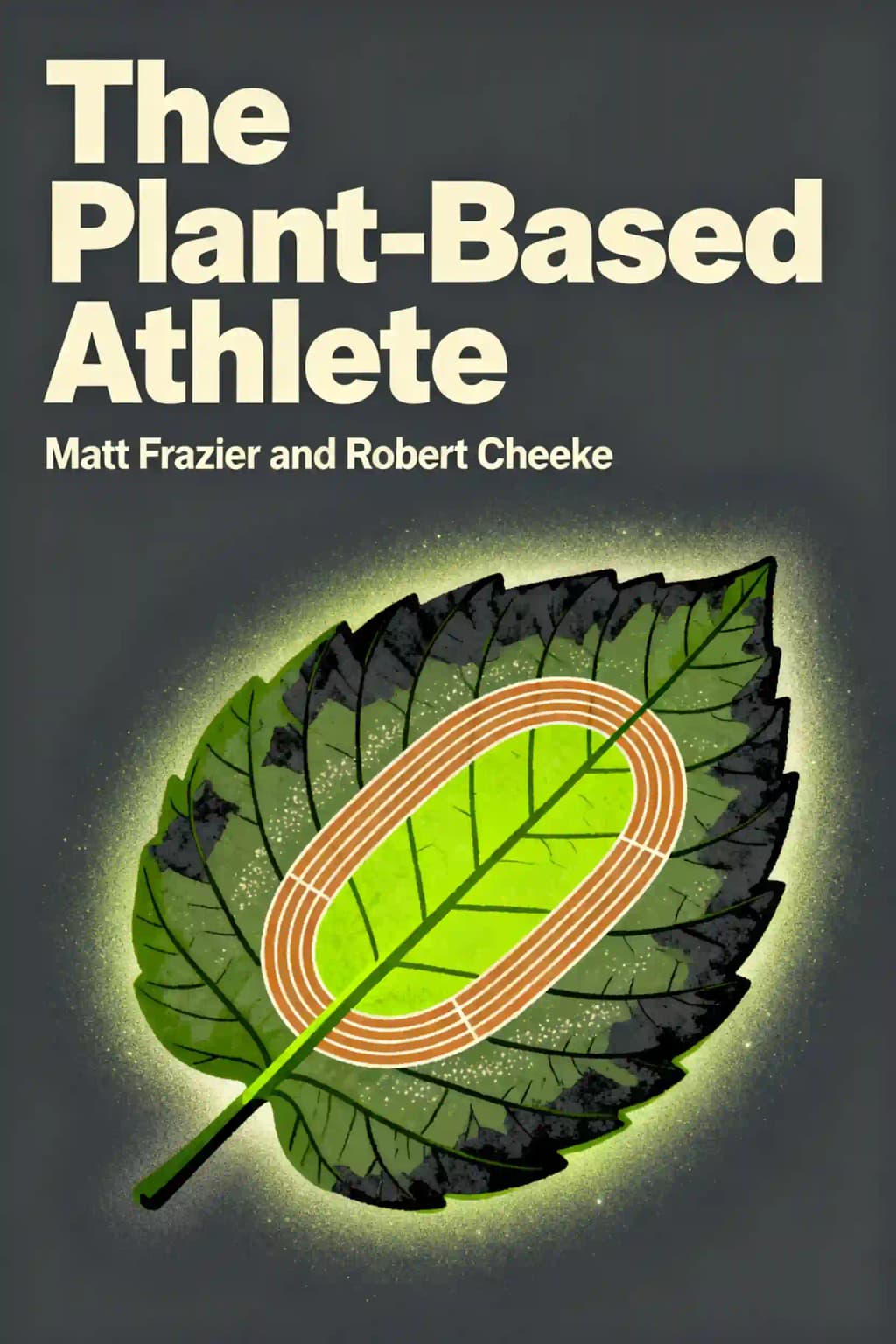
The Plant-Based Athlete
A Game-Changing Approach to Peak Performance
Обзор книги The Plant-Based Athlete
Discover how elite athletes shatter the protein myth. The Plant-Based Athlete reveals how Rich Roll transformed from addiction to ultramarathoner through plants alone. This NY Times bestseller, endorsed by 60+ pros, rewrites everything you thought about performance nutrition.

Ключевые темы в The Plant-Based Athlete
- vegan muscle building
- athletic recovery optimization
- plant-powered endurance
- sports nutrition myths
- elite performance longevity
Цитаты из The Plant-Based Athlete
The secret weapon transforming elite sports...it's plants.
The reality? Most people need far less protein than marketing has led us to believe.
Animal protein consumption is directly linked to America's top killers.
Carbohydrates-not protein-should be the foundation of an athlete's diet.
Персонажи в The Plant-Based Athlete
- Matt FrazierAuthor and founder of No Meat Athlete
- Robert CheekeAuthor and champion vegan bodybuilder
- Scott JurekRecord-breaking ultramarathon runner
- Venus WilliamsOlympic gold medalist and tennis champion
- Rich RollElite ultramarathoner and endurance athlete
Об авторе
Об авторе книги The Plant-Based Athlete
Matt Frazier and Robert Cheeke, co-authors of The Plant-Based Athlete: A Game-Changing Approach to Peak Performance, are pioneering voices in plant-based sports nutrition and performance. Frazier, founder of the No Meat Athlete movement and host of the No Meat Athlete Radio podcast, is a vegan ultramarathoner who qualified for the Boston Marathon after adopting a plant-based diet. His No Meat Athlete Cookbook was named a Sports Illustrated Best Health and Wellness Book.
Cheeke, often called the "godfather of vegan bodybuilding," is a two-time natural bodybuilding champion and founder of Vegan Bodybuilding & Fitness, with bestselling books like Vegan Bodybuilding & Fitness and Shred It!
Their collaboration blends decades of expertise in endurance and strength training, addressing athletic performance, recovery, and plant-based nutrition. The book features insights from elite athletes like Scott Jurek and Rich Roll, along with 60+ recipes.
Frazier’s work has sold over 125,000 copies in five languages, while Cheeke’s platforms and speaking tours have shaped vegan fitness globally. The Plant-Based Athlete became a New York Times bestseller, solidifying their status as definitive authorities in the field.
Скачать резюме книги «The Plant-Based Athlete»
Получите резюме книги «The Plant-Based Athlete» в формате PDF или EPUB бесплатно. Распечатайте или читайте офлайн в любое время.
Часто задаваемые вопросы об этой книге
The Plant-Based Athlete by Matt Frazier and Robert Cheeke is a research-backed guide demonstrating how a plant-based diet enhances athletic performance. It combines scientific evidence on recovery, injury prevention, and nutrition with over 60 recipes, protein strategies, and interviews with elite athletes like Scott Jurek and Rich Roll. The book debunks myths about plant-based diets lacking protein or strength, offering actionable advice for optimizing training and results.
This book is ideal for athletes at all levels—elite competitors, weekend warriors, and fitness enthusiasts—interested in leveraging plant-based nutrition. It’s also valuable for vegans seeking performance tips, coaches designing training plans, or anyone curious about reducing meat consumption without sacrificing energy or muscle gains. The authors emphasize accessibility, ensuring even non-vegans benefit from its strategies.
Yes, especially for athletes prioritizing sustainable performance. As a New York Times bestseller, it provides science-based meal plans, recovery techniques, and success stories from Olympians, NFL players, and ultrarunners. Its blend of actionable recipes (like High-Energy Smoothies and Vegan Mac & Cheese) and protein optimization frameworks makes it a practical resource for long-term health and athletic success.
The book highlights reduced inflammation, faster recovery, and enhanced endurance due to nutrient-dense plant foods. Studies cited show plant-based diets improve blood flow, reduce oxidative stress, and optimize glycogen storage. Athletes report better sleep, fewer injuries, and sustained energy levels, debunking the need for animal proteins to build strength or speed.
Key tips include prioritizing whole foods like legumes, grains, and leafy greens; timing carbohydrate intake around workouts; and ensuring sufficient calories for energy demands. The authors stress balancing macronutrients without obsessive tracking and using snacks like nuts or dates for quick fuel. Oil-free cooking options and protein-rich meals (e.g., Veggie Burger Patties) are also emphasized.
Yes, it features 60+ recipes tailored for athletes, such as Garden Meatballs, Acai Bowls, and Summer Pasta Salad. Each recipe includes oil-free alternatives and macros. The “Day in the Life” sections outline meal timing for endurance training, strength sessions, and rest days, providing adaptable frameworks for diverse schedules.
Frazier and Cheeke clarify that plants like lentils, tofu, and quinoa provide ample protein for muscle growth and repair. They debunk myths about “incomplete” plant proteins, explaining how varied diets meet amino acid needs. Supplements are optional, and the book includes protein-rich meal examples to hit targets without powders.
Interviews feature Olympians, NFL players, and bodybuilders crediting plant-based diets for career longevity and peak performance. For example, ultrarunner Scott Jurek discusses improved stamina, while boxer Cam Awesome highlights faster recovery. These testimonials reinforce the book’s evidence with real-world success.
Absolutely. The authors designed the book for all dietary stages, offering gradual transition tips and flexible approaches. Even partial adoption of plant-based meals—like post-workout smoothies or meatless Mondays—can enhance performance, making it accessible for omnivores exploring plant-forward eating.
Unlike generic guides, it merges peer-reviewed research with athlete-tested strategies specific to plant-based diets. It contrasts with meat-centric manuals by focusing on anti-inflammatory benefits and sustainability. The inclusion of athlete stories and recipes also sets it apart, offering both inspiration and practicality.
Some critics argue the book oversimplifies nutrition for elite athletes with extreme calorie needs. Others note limited discussion on adapting diets for medical conditions. However, most reviews praise its balance of science and accessibility, making it a standout resource despite niche limitations.
Yes, the book features profiles like cyclist Dotsie Bausch (Olympic medalist) and NBA player Chris Paul, detailing their transitions to plant-based eating. These case studies highlight measurable improvements in speed, recovery, and mental clarity, providing relatable benchmarks for readers.