Глава 1
Embracing the Lenten Journey: A Spiritual Odyssey
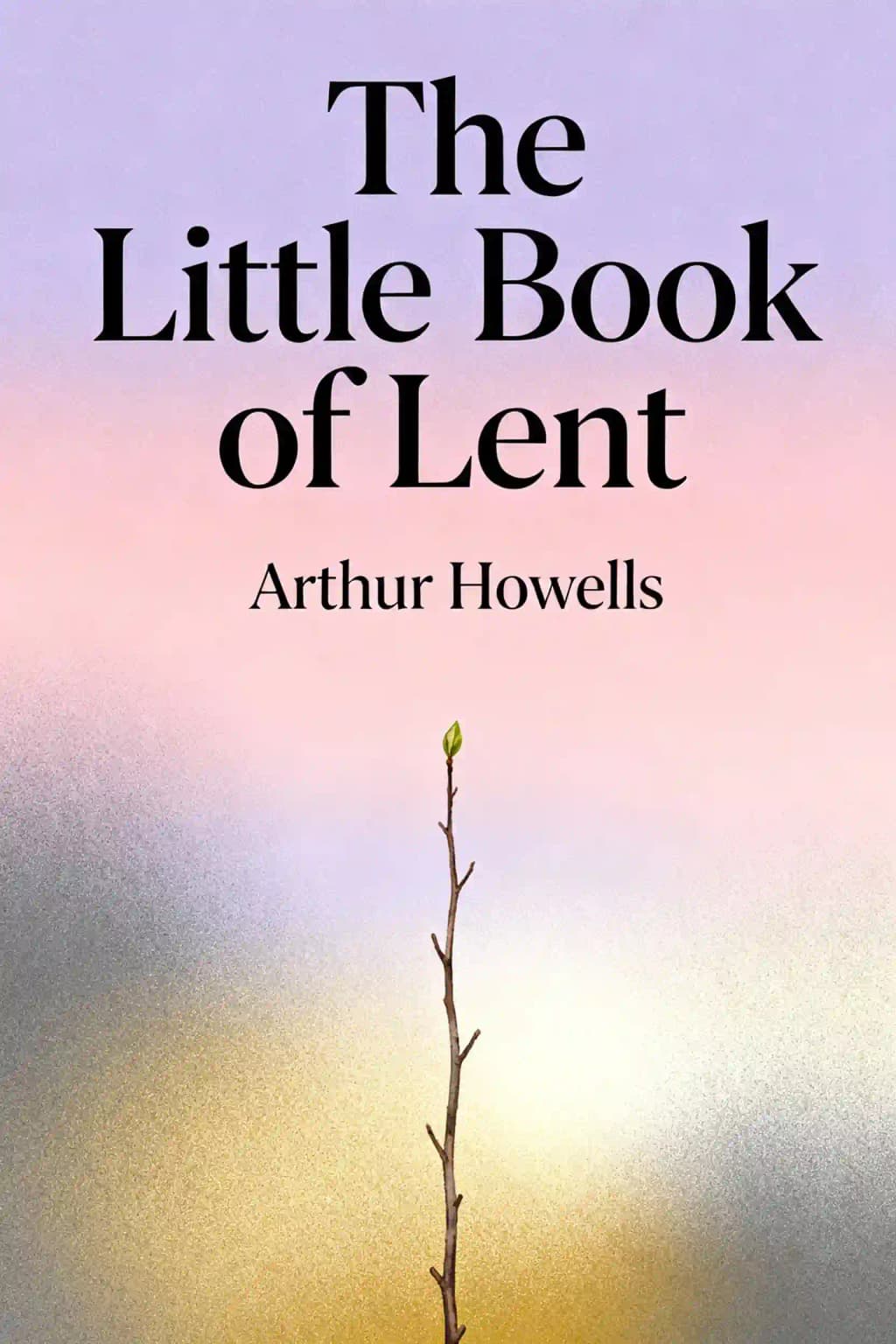
The Little Book of Lent, compiled by retired Anglican priest Arthur Howells, has become a quiet phenomenon in spiritual circles. This unassuming anthology has found its way onto the bookshelves of celebrities like Oprah Winfrey and Russell Brand, who have publicly praised its accessible wisdom. What makes this collection remarkable is how it weaves together diverse Christian voices into a tapestry of reflection that speaks to contemporary spiritual seekers. Since its publication, study groups across denominations have adopted it as their Lenten companion, with thousands finding in its pages a daily touchstone for spiritual growth. Howells, with his background in Celtic Christianity, has created not just a devotional but a journey - one that invites readers to pause in the rushing current of modern life and rediscover the transformative potential of this ancient season.
Глава 2
The Heart of Lent: Rediscovering Joy in the Desert
Lent often conjures images of somber reflection and sacrifice, but this anthology reveals a surprisingly different perspective. Brother Alois sets the tone by emphasizing that Lent is not about wallowing in guilt but about rediscovering joy and forgiveness. "Turn toward God rather than turning inward on yourself," he advises, inviting us to see the desert not as a place of punishment but renewal.
This perspective transforms how we might approach the forty days. Rather than focusing on what we give up, we're encouraged to look at what we might gain: a deeper connection with the divine and with others. The desert, traditionally seen as barren and hostile, becomes a place of spiritual rejuvenation where we can strip away distractions and find clarity.
Consider how this applies to our modern lives, constantly bombarded with notifications, deadlines, and demands. The Lenten desert offers a counterpoint to this chaos - a space where silence can speak and where simplicity reveals what truly matters. When we step back from the noise, we create room for joy to emerge, not from external stimulation but from an inner wellspring of peace.
The book reminds us that Lent is communal as well as personal. "Share with one another," Brother Alois suggests, highlighting that spiritual growth happens not in isolation but in relationship. What if we approached this season not as a solitary trek through the wilderness but as a shared journey where we support one another? This reframing of Lent as a season of joy, community, and renewal offers a refreshing alternative to more austere interpretations.
Глава 3
Following the Shepherd: The Call to Discipleship
Tom Wright's reflection on Jesus as the Good Shepherd offers a profound meditation on what it means to follow Christ. This image, beloved since the early Church, speaks to our deep human need for guidance and protection. But Wright pushes us beyond the comforting aspects of this metaphor to its more challenging implications.
Following the Shepherd means more than seeking comfort; it means embracing a call to serve others with the same dedication Christ shows us. "Feed my sheep," Jesus tells Peter, establishing a pattern of ministry rooted in grace rather than obligation. This ministry isn't about power or prestige but about love expressed through service.
What does this mean for us today? Perhaps it suggests that authentic discipleship isn't measured by theological knowledge or religious activities but by how we care for others. The Shepherd-disciple relationship transforms us from mere followers into active participants in Christ's ongoing work of restoration and healing.
Wright doesn't shy away from acknowledging the cost of this path. Following Jesus may indeed lead to suffering, even death. Yet paradoxically, this path of self-giving love is also described as one of profound joy. Have you ever noticed how people who give themselves most generously to others often radiate a contentment that self-focused individuals rarely achieve?
This section challenges us to examine our own discipleship. Are we following Jesus for what we can get, or are we willing to embrace the full journey, including its demands and sacrifices? The shepherd imagery reminds us that we're never alone on this path - we're guided by one who knows every step of the way and carries us when we falter.
Глава 4
Here Am I: Answering the Divine Call
Evelyn Underhill's reflection on Isaiah's calling presents one of the most dramatic encounters with the divine in scripture. Isaiah's vision in the temple - complete with seraphim and the overwhelming sense of God's holiness - leads to a profound awareness of his own unworthiness. Yet this recognition becomes the very ground from which his ministry springs.
"Here am I; send me!" These five simple words represent the essence of spiritual awakening - moving from encounter to response. What's striking is that Isaiah doesn't first try to make himself worthy. He doesn't request time for spiritual preparation or ask for a detailed job description. The encounter with divine holiness is itself transformative, and his immediate response flows from that transformation.
This pattern challenges our tendency to postpone commitment until we feel "ready." How often do we delay answering calls to service or deeper spiritual engagement because we feel inadequate? Isaiah's example suggests that readiness comes not from self-improvement but from divine encounter.
Underhill also makes a provocative connection between spirituality and politics, arguing that they're inseparably linked. This challenges the common modern assumption that faith should remain private, disconnected from public engagement. What if, like Isaiah, our spiritual awakening necessarily leads to engagement with the social and political realities of our world?
The prayer attributed to St. Columba that follows this reflection beautifully captures the essence of responding to divine calling: "Be thou a bright flame before me, be thou a guiding star above me." It acknowledges our need for ongoing guidance as we step into the unknown territory of service. The calling isn't a one-time event but the beginning of a journey where divine presence remains essential at every step.
Глава 5
Better Together: The Communal Journey
Christian life finds its fullest expression not in isolation but in community. The reflection on Jesus sending disciples in pairs emphasizes this fundamental truth: we are designed to journey together. This pairing wasn't merely practical but deeply theological, reflecting the understanding that faith flourishes in relationship.
Consider how different this is from our culture's emphasis on individualism and self-sufficiency. We celebrate the "self-made" person and often view dependence on others as weakness. Yet the biblical pattern consistently shows people called into community, supporting one another through challenges and celebrations alike.
The calling of the first disciples illustrates this beautifully. When Jesus calls Peter and Andrew, James and John, he doesn't invite them to private discipleship but into a community of followers. "Follow me," he says, "and I will make you fishers of men." Notice the plural - this is a collective enterprise from the beginning.
What might change if we approached our spiritual lives more communally? Perhaps we'd find strength in shared wisdom, accountability in mutual commitment, and comfort in knowing we're not alone in our struggles. The Lenten journey, with its challenges and revelations, becomes richer when walked alongside others who can offer perspective and encouragement.
This communal emphasis doesn't diminish personal responsibility. Rather, it places our individual journeys within the context of a larger story. We're not isolated pilgrims but part of a caravan moving through history, connected to those who've gone before and those who will follow. This shift from "my faith journey" to "our faith journey" can be profoundly liberating, reminding us that we don't need to have all the answers or strength on our own.
Глава 6
God's Inexhaustible Love: The Wellspring of Action
True Christian action flows not from duty or guilt but from an encounter with God's infinite love. This reflection emphasizes that our capacity to love others depends entirely on our openness to receiving divine love first. Like a reservoir that must be filled before it can overflow, our hearts need the constant replenishment of God's love to sustain genuine care for others.
Jesus models this pattern perfectly. His ministry didn't emerge from religious obligation but from his intimate connection with the Father. "As the Father has loved me, so I have loved you," he tells his disciples, establishing a flow of love that begins with God and extends through us to others.
This perspective challenges the common tendency to exhaust ourselves in service without attending to our spiritual nourishment. Have you ever felt burned out in your attempts to care for others? Perhaps the issue wasn't insufficient commitment but neglecting the source of love that sustains all giving.
The passage from John's Gospel reinforces this theme: "Abide in my love." This abiding isn't passive but the active cultivation of relationship with Christ. It's like tending a garden that produces fruit not through forced effort but through natural growth when properly nourished.
What would change if we prioritized receiving God's love as the foundation of all our actions? Perhaps we'd find greater sustainability in our service, more authenticity in our relationships, and deeper joy in our giving. The inexhaustible nature of divine love means we never need to fear depletion - there's always more available than we could possibly contain or express.
This reflection invites us to examine the source of our actions. Are we running on the fumes of our own determination, or are we connected to the endless wellspring of God's love? Lent offers an opportunity to realign ourselves with this source, allowing divine love to flow through us more freely.
Глава 7
The Sacrament of the Present Moment: Finding God Now
In our rush toward the future or rumination on the past, we often miss the most sacred reality: God's presence in this very moment. This reflection highlights the "sacrament of the present moment" - the understanding that each instant offers a unique opportunity for divine encounter.
Think about how rarely we're fully present. Our minds wander to tomorrow's meeting while we're with our children. We scroll through social media during conversations. We mentally rehearse responses instead of truly listening. This fragmentation of attention doesn't just diminish our human connections; it prevents us from recognizing God's presence here and now.
The reflection reminds us that time consists of a series of "nows," each holding potential for communion with the divine. This isn't abstract theology but practical spirituality. When we learn to inhabit the present moment fully, we discover it's the only place where we can actually meet God. The past exists only in memory, the future only in imagination, but this moment is where reality - including divine reality - can be experienced.
Colossians reinforces this theme by urging believers to embody virtues of compassion, forgiveness, and love in their daily interactions. These qualities can only be expressed in the present. You can't be patient tomorrow or kind yesterday - these virtues exist only as they're practiced in each moment.
What practices might help us become more present? Perhaps beginning with simple awareness of our breath, noticing the sensations in our body, or giving full attention to the person before us. These aren't esoteric spiritual techniques but basic human capacities that we've largely forgotten in our distracted age.
The sacrament of the present moment transforms ordinary time into holy encounter. A conversation becomes communion. A meal becomes eucharistic. A walk becomes pilgrimage. This shift doesn't require changing our activities but changing our awareness, recognizing that God isn't waiting for us somewhere else but is fully available right here, right now.
Глава 8
Precious Spikenard: The Value of Extravagant Love
Mary's anointing of Jesus with expensive perfume stands as one of the most moving expressions of devotion in scripture. This act - pouring out a year's wages in a single gesture - challenges our calculated approach to love and service. What would it mean to love with such abandon?
The reflection draws a parallel between Mary's act and our treatment of vulnerable people. Both assert the inherent value of what society often deems worthless. Mary's "waste" of perfume and our care for those considered burdens both declare: value isn't determined by utility or productivity but by love.
Consider how this challenges our efficiency-obsessed culture. We constantly evaluate actions by their outcomes, investments by their returns. Yet Mary's gesture defies such calculation. Its value lies not in what it achieves but in what it expresses - a love beyond measurement or justification.
Jesus' defense of Mary - "The poor you will always have with you" - is often misunderstood as dismissing concern for poverty. In context, it's actually affirming the value of both practical service and symbolic devotion. Both matter. Both express love in different but essential ways.
This story invites us to examine our own expressions of love. Have they become too measured, too cautious? What would it look like to love God and others with Mary's extravagance? Perhaps it means giving time we "can't afford" to someone in need, offering forgiveness that seems "undeserved," or expressing devotion that appears "impractical" to observers.
The fragrance of Mary's perfume filled the entire house, John tells us. Similarly, acts of extravagant love have a way of permeating beyond their immediate context, affecting more than their intended recipient. They create an atmosphere where others can breathe more freely, where the scent of grace lingers long after the act itself.
Глава 9
The Wilderness Experience: Finding God in Silence
Heather Ward explores the concept of a spiritual desert - not as a place of abandonment but as a setting where we encounter God beyond emotional responses. This wilderness experience strips away comfortable religious feelings to reveal a deeper relationship with the divine.
Many of us build our spiritual lives on emotional experiences - the warmth of community worship, the inspiration of beautiful music, the comfort of familiar rituals. These aren't wrong, but they can become substitutes for God Himself. The desert removes these supports, leaving us face to face with the essential question: Do we seek God or merely the good feelings that sometimes accompany spiritual practice?
The Psalmist captures this yearning beautifully: "As the deer pants for streams of water, so my soul pants for you, my God." This isn't poetic exaggeration but the raw expression of spiritual thirst that becomes apparent only when comfortable sources of satisfaction are removed.
Ward suggests that contemplation and prayer guide us through this desert, helping us confront our resistance to divine truths. This resistance often stems from our difficulty accepting unconditional love. Paradoxically, we struggle more with receiving love than with earning approval. The desert experience confronts us with a love so vast and unmerited that it challenges our deep-seated belief that we must somehow deserve what we receive.
Have you noticed how uncomfortable it can be to receive a gift you know you haven't earned? Multiply that discomfort infinitely, and you begin to understand the challenge of accepting divine grace. The wilderness strips away our pretenses of worthiness, leaving us with the stark choice: reject this unearned love or surrender to it completely.
This reflection invites us to embrace rather than avoid spiritual dryness. Those times when God seems distant may actually be opportunities for deeper intimacy - not with our ideas about God but with God Himself, encountered beyond feelings, beyond concepts, in the silence of the heart.
Глава 10
Indifference: The Enemy of Compassion
Jane Williams confronts us with one of humanity's most insidious spiritual ailments: indifference. Looking at the crucifixion scene, she notes how many simply went about their business while the Son of God suffered. This casual disregard for others' pain continues today, allowing injustice to flourish unchallenged.
Indifference operates through assumptions - about who deserves our concern, whose suffering matters, what problems are "too big" to address. These assumptions create distance between us and others' pain, allowing us to walk past without engagement. We tell ourselves, "Someone else will help" or "Nothing can be done" or "It's not my problem."
Williams challenges these rationalizations by pointing to Jesus, who never passed by human suffering with indifference. Even from the cross, he attended to the needs of others - arranging care for his mother, offering paradise to the thief beside him, praying for his executioners. His compassion remained active even in his own agony.
This reflection invites us to examine where indifference has crept into our own lives. Have we become desensitized to certain forms of suffering? Do we scroll past news of tragedy without letting it touch our hearts? Have we convinced ourselves that some problems are simply too entrenched to warrant our engagement?
The antidote to indifference is not guilt but empathy - truly seeing others as Christ sees them. This vision doesn't overwhelm us with the world's pain but connects us to specific individuals and situations where we can make a difference. It transforms abstract "issues" into encounters with persons deserving dignity and care.
Lent offers an opportunity to practice this seeing, to let our hearts be softened toward suffering we might otherwise ignore. Each act of attention, each refusal to look away, becomes a small victory over the indifference that crucified Christ and continues to crucify his beloved children today.
Глава 11
From Mind to Heart: The Journey of Prayer
Moving from intellectual understanding to heartfelt prayer represents one of the most significant spiritual transitions we can experience. This reflection explores how silence and repetition of sacred texts can facilitate this shift, directing attention inward and allowing us to absorb God's healing presence.
Many of us approach faith primarily through the mind - studying theology, analyzing scripture, debating interpretations. While intellectual engagement has value, it can remain disconnected from the heart, where transformation actually occurs. Knowledge about God isn't the same as knowing God intimately.
The practice of repetitive prayer - whether through the Our Father, Psalm 23, or other sacred texts - helps bridge this gap. As words move from conscious recitation to heart-level absorption, they begin to work on us in ways beyond intellectual understanding. Like rain slowly penetrating dry soil, these prayers gradually saturate our inner landscape.
Matthew's passage beautifully complements this theme, with Jesus inviting the weary to find rest in him. Notice he doesn't offer intellectual solutions to life's burdens but relationship: "Come to me... learn from me." This learning isn't academic but apprentice-like, absorbed through presence and practice rather than study alone.
What might this journey from mind to heart look like in practice? Perhaps it begins with setting aside time for silence, allowing the constant chatter of thoughts to gradually settle. It might involve praying familiar texts slowly, pausing to let each phrase resonate beyond its literal meaning. Or it could mean engaging scripture not just to extract information but to encounter the living Word.
This reflection challenges our tendency to keep faith at a safe intellectual distance. The heart space, where we're most vulnerable, is precisely where God seeks to meet us. When we allow divine truth to move from concepts we grasp to realities that grasp us, we begin to experience the transformation that intellectual assent alone cannot produce.
Глава 12
Christ, the Good Shepherd: A Guide Through Life's Valleys
The image of Christ as the Good Shepherd has comforted Christians across centuries, offering assurance of divine guidance through life's darkest valleys. This reflection explores how this ancient metaphor speaks to our contemporary need for leadership we can trust completely.
From the early Church through today, believers have found solace in Psalm 23's promise: "The Lord is my shepherd; I shall not want." This isn't mere poetic language but a profound theological statement about relationship. The shepherd knows each sheep individually, leads them to nourishment, protects them from danger, and seeks them when lost.
Joseph Ratzinger highlights how Christ fulfills this role by journeying across life's deserts and ultimately through death itself. Unlike human leaders who may guide only where they've already been, Christ has traversed every terrain of human experience, including suffering and death. This qualifies him uniquely as our shepherd through life's most challenging passages.
Luke's parable of the lost sheep powerfully illustrates the shepherd's heart. While conventional wisdom might write off one lost sheep as an acceptable loss, the good shepherd's mathematics operates differently. Each individual matters infinitely, worth the effort of searching and the joy of restoration.
This reflection invites us to consider how we respond to Christ's shepherding in our lives. Do we follow trustingly or resist his guidance? Do we recognize his voice among the many competing voices calling for our allegiance? Are we willing to be carried when our own strength fails?
The shepherd imagery also challenges our self-sufficient tendencies. Sheep aren't known for their independence or self-reliance; they flourish only under proper care. Similarly, our flourishing depends not on autonomy but on right relationship with the one who knows exactly what we need and where we should go.
In a world of unreliable leaders and broken trust, the Good Shepherd offers a relationship we can count on absolutely. This isn't blind following but trusting response to one whose love has been proven through sacrifice and whose wisdom encompasses all of life's journey.
Глава 13
Easter People: Living the Resurrection
The Easter Day reflection brings our Lenten journey to its culmination, reminding us that Christians are fundamentally "Easter people" - those whose identity is shaped by the resurrection. This isn't just a historical event we commemorate but a living reality that transforms how we engage with the world.
Every baptism, communion, and act of evangelism bears witness to the new life Christ's resurrection makes possible. These aren't empty rituals but embodied declarations that death doesn't have the final word - that renewal and transformation remain possible even in the most hopeless circumstances.
The tradition we uphold isn't static but dynamic, continuously renewed by the same power that raised Jesus from the dead. This challenges religious tendencies toward mere preservation or repetition. If we're truly Easter people, our faith should exhibit the freshness and vitality of spring rather than the musty preservation of a museum.
Mary Magdalene's encounter with the risen Christ exemplifies this transformative meeting. Standing weeping at the empty tomb, her grief is interrupted by a voice speaking her name. In that moment of recognition, everything changes. She becomes the first apostle of the resurrection, running to tell others, "I have seen the Lord!"
This pattern continues today. Authentic witness flows not from theological arguments but from personal encounter with the living Christ. When we've genuinely met the risen Lord - whether through scripture, prayer, community, or service - we can't help but share the good news. Our lives become testimonies to resurrection possibility.
What does it mean to live as Easter people in a world still marked by death and suffering? Perhaps it means bringing hope where despair seems reasonable, working for justice when injustice seems entrenched, and loving freely when fear would counsel caution. It means living as though the future God promises is already breaking into the present, because in Christ, it is.
The Lenten journey doesn't end with Easter but finds its purpose there. All the reflection, repentance, and renewal of these forty days prepares us to more fully embrace and embody the resurrection life - not just on one Sunday but every day, in every circumstance, as witnesses to the God who makes all things new.