Глава 1
The Anxiety Workbook: Your Path to Freedom from Fear and Panic
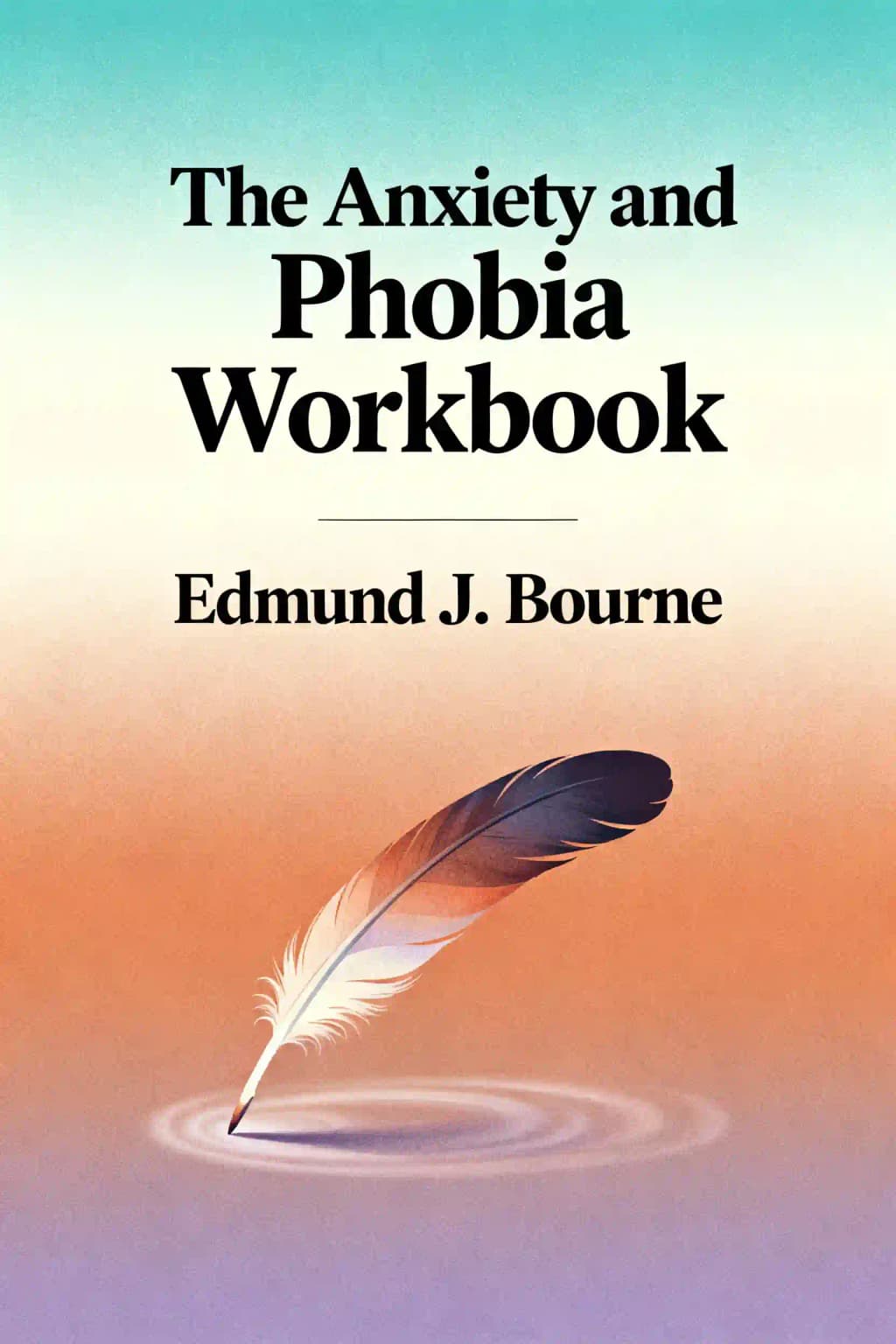
Have you ever felt your heart racing, palms sweating, and mind spinning with terrifying "what-ifs" for no apparent reason? You're not alone. Edmund J. Bourne's "The Anxiety & Phobia Workbook" has become the definitive guide for millions seeking relief from debilitating anxiety, selling over a million copies and being translated into numerous languages worldwide. What makes this resource so powerful? It offers a comprehensive, step-by-step approach to recovery that combines cutting-edge science with practical tools anyone can implement. Celebrities like Emma Stone and Ryan Reynolds have openly discussed using cognitive-behavioral techniques similar to those in this workbook to manage their anxiety. As anxiety rates continue to climb in our increasingly stressful world, Bourne's integrative approach-addressing physical, emotional, behavioral, and cognitive dimensions of anxiety-remains more relevant than ever.
Глава 2
Understanding the Epidemic of Anxiety
Anxiety disorders have reached epidemic proportions, affecting approximately 18 percent of Americans-over fifty million people-with nearly a quarter of adults experiencing them during their lifetime. These numbers have increased significantly over the past decade, with young adults and teenagers showing particularly alarming rates of anxiety. Yet despite being the most common mental health problem among American women and second only to substance abuse among men, fewer than 37% of those affected receive proper treatment.
Why this surge in anxiety? Our collective anxiety has increased dramatically due to multiple intersecting factors: economic instability, environmental deterioration, political polarization, and global terrorism. Social media and 24/7 news cycles amplify these concerns, creating a constant stream of worry-inducing information. These disorders largely result from cumulative stress over time, with Western society currently experiencing unprecedented stress levels. While humans have always faced stressful conditions, today's stress is heightened because our environment and social order have changed more dramatically in thirty years than in the previous three centuries. Digital technology has transformed our lives in less than twenty years, introducing concepts like "digital burnout," "doom scrolling," and "FOMO" (fear of missing out), leaving people insufficient time to adjust to these rapid changes.
Anxiety differs fundamentally from normal fear in several key aspects. While fear focuses on specific external threats within the realm of possibility - like encountering a dangerous animal or walking alone at night - anxiety typically involves undefined worries about "losing control" or "something bad happening." It manifests as a complete physiological, behavioral, and psychological reaction. Physically, it affects the body through symptoms like rapid heartbeat, muscle tension, sweating, and digestive issues. Behaviorally, it leads to avoidance patterns, procrastination, and inability to act decisively. Psychologically, it creates persistent apprehension, difficulty concentrating, and overwhelming uneasiness.
Effective recovery must address all three levels through an integrated approach: reducing physiological reactivity through relaxation techniques and possibly medication, eliminating avoidance behaviors through gradual exposure and behavioral activation, and changing the negative self-talk that maintains apprehension through cognitive restructuring. This comprehensive approach recognizes that anxiety exists on a spectrum, ranging from mild uneasiness to full-blown panic attacks characterized by heart palpitations, dizziness, shortness of breath, and intense fears of dying or losing control.
The good news? Recovery is possible through a multi-faceted approach that addresses the physical, emotional, behavioral, and cognitive dimensions of anxiety. Research shows that combining therapeutic approaches like Cognitive Behavioral Therapy (CBT), mindfulness practices, and lifestyle modifications can significantly reduce anxiety symptoms in 60-80% of patients. This workbook provides a detailed roadmap for that journey, offering evidence-based tools and strategies that have helped millions reclaim their lives from anxiety's grip.
Глава 3
The Complex Origins of Anxiety Disorders
Understanding what causes anxiety disorders requires recognizing two key points: first, knowing the causes isn't necessary for recovery, and second, anxiety disorders rarely have a single cause. The most effective approach avoids both the biological fallacy (assuming anxiety disorders are solely caused by physiological imbalances) and the psychological fallacy (assuming they're purely the result of upbringing or psychological factors).
Instead, anxiety disorders typically result from interactions between nature (heredity, biology) and nurture (upbringing, life experiences). These causes can be categorized as predisposing factors (setting you up from birth/childhood), recent triggers, or maintaining factors (keeping anxiety going once established).
Long-term predisposing factors include heredity and childhood circumstances. Twin studies show identical twins have a 31-88% chance of sharing anxiety disorders compared to 0-38% for fraternal twins, suggesting a significant genetic component. What's inherited appears to be a reactive, excitable personality type rather than specific disorders. Recent research has identified specific genes like SERT on chromosome 17 that influence predisposition to anxiety.
Childhood factors that predispose someone to anxiety disorders include parents who communicate an overly cautious worldview, overly critical parents who set excessively high standards, experiences causing emotional insecurity and dependence, and parents who suppress the child's expression of feelings and self-assertiveness.
Cumulative stress over time can also contribute significantly. Persistent stress that continues without relief over months or years can accumulate and eventually lead to anxiety disorders. The Life Events Survey developed by Drs. Holmes and Rahe measures cumulative stress by assigning scores to various life changes, with scores over 150-300 indicating potential chronic stress effects.
Biological causes refer to physiological imbalances in the body or brain associated with anxiety disorders. These imbalances aren't necessarily ultimate causes but may themselves result from hereditary vulnerability, cumulative stress, or a combination of both. During a panic attack, the sympathetic nervous system rapidly triggers several bodily reactions: the adrenal glands release adrenaline, causing a sudden "jolt" with feelings of dread, racing heart, rapid shallow breathing, and other physical symptoms.
Various medical conditions can trigger panic or anxiety symptoms that mimic anxiety disorders, including hyperventilation syndrome, hypoglycemia, hyperthyroidism, mitral valve prolapse, premenstrual syndrome, and inner ear disturbances.
Short-term triggering causes include specific stressors preceding first panic attacks (like personal loss or major life changes), conditioning processes that produce phobias, and trauma's role in certain phobias and PTSD.
Understanding these complex origins helps explain why effective treatment requires a comprehensive approach addressing multiple levels of experience.
Глава 4
The Comprehensive Road to Recovery
Since anxiety disorders have varied causes-from heredity and brain chemistry to childhood experiences and stress-an effective recovery approach must be equally comprehensive. Single-focus treatments, whether medication-based, childhood-focused, or purely behavioral, typically provide only temporary relief. Lasting recovery requires fundamental changes in habits, attitudes, and lifestyle that address all contributing factors.
At the physical level, causes include brain chemistry imbalances, shallow breathing, muscle tension, cumulative stress effects, and dietary factors like excess caffeine. The workbook addresses these through breathing techniques to modify shallow chest-breathing patterns, deep relaxation methods to reduce muscle tension, regular aerobic exercise (which many clients find most effective for reducing anxiety), dietary modifications to eliminate stimulants, treatment of health conditions that exacerbate anxiety, and appropriate medication when necessary.
On the emotional level, suppressed feelings-especially withheld anger-can be a major contributor to both chronic anxiety and panic attacks. Often panic masks buried feelings of anger, frustration, grief, or desperation. Many anxiety sufferers grew up in families that discouraged emotional expression, making it difficult to even identify feelings, let alone express them.
Behaviorally, phobias persist because of one critical behavior: avoidance. As long as you avoid feared situations like driving on freeways or speaking in public, your fear will persist, reinforced by the relief that comes from avoidance. Effective strategies for confronting phobias include both imagery exposure (mentally confronting fears) and real-life exposure (facing fears in small, manageable steps with support).
For panic attacks, trying to fight or resist them typically makes them worse. Instead, learning strategies to minimize panic when it first develops, emphasizing the importance of observing and "going with" bodily symptoms rather than reacting against them, proves much more effective.
At the mental level, self-talk-your internal dialogue-profoundly affects anxiety levels. Anxiety sufferers typically engage in excessive "what-if" thinking, imagining worst-case scenarios. Self-critical thinking and perfectionist self-talk ("I should," "I have to") also fuel anxiety. Learning to recognize and counter destructive thinking patterns by reconstructing negative self-talk into supportive, confidence-building statements is essential.
Much anxiety stems from interpersonal relationship difficulties. When you struggle to communicate feelings and needs or set boundaries, you may internalize frustration until you become chronically tense and anxious. Developing assertive communication-expressing wants and feelings while maintaining respect for others-helps resolve these tensions.
Low self-esteem is among the deepest contributors to anxiety disorders. Growing up in a dysfunctional family with deprivation, abuse, or neglect often creates deep-seated feelings of insecurity, shame, and inadequacy that manifest as panic attacks, agoraphobia, social phobia, or generalized anxiety. Building self-esteem involves developing positive body image, achieving concrete goals, and countering negative self-talk with validating affirmations.
Some people improve on all other levels yet remain anxious, experiencing a vague sense of emptiness or dissatisfaction. For these individuals, finding broader purpose or meaning often provides the ultimate solution. Rather than viewing anxiety merely as a reaction to negative factors, it can sometimes represent a call to realize your full potential.
This comprehensive approach works across multiple levels simultaneously, as illustrated by case examples representing common anxiety disorders: panic disorder, agoraphobia, social phobia, and obsessive-compulsive disorder. Each recovery program combines physical interventions, behavioral strategies, emotional work, and mental approaches tailored to the specific condition.
Глава 5
Mastering the Physical Foundations of Calm
Relaxation forms the foundation of any anxiety recovery program, serving as a powerful antidote to our stress-filled modern lives. Beyond casual unwinding, deep relaxation produces specific physiological changes that directly counteract those experienced during stress or panic attacks. These include decreased heart rate (often by 10-20 beats per minute), slower respiration (from 15-20 breaths per minute to 5-7), reduced blood pressure, diminished muscle tension, lowered metabolic rate, decreased analytical thinking, and increased skin resistance and alpha brain waves. These changes create what Herbert Benson termed the "relaxation response" - the body's natural healing state.
Regular daily practice for 20-30 minutes creates a generalization effect, helping you feel more relaxed throughout your day. Research shows that consistent practice can reduce baseline anxiety levels by 30-50% within 8-10 weeks. The benefits extend far beyond anxiety reduction to include preventing cumulative stress, increasing energy and productivity, improving concentration by up to 40%, reducing insomnia, preventing psychosomatic disorders like tension headaches and IBS, boosting self-confidence, and increasing emotional awareness and regulation.
Abdominal breathing (also called diaphragmatic breathing) directly counteracts the shallow, rapid, chest-centered breathing that accompanies tension. When practiced correctly, the belly should expand on inhalation and contract on exhalation, moving like a balloon. It's physiologically difficult to remain anxious while breathing deeply from the abdomen at 6-8 breaths per minute. Key benefits include increased oxygen delivery to the brain and muscles (up to 20% more), stimulation of the calming parasympathetic nervous system (which counteracts the panic-inducing sympathetic system), greater mind-body connection, improved toxin excretion through enhanced lymphatic flow, enhanced concentration, and triggering the relaxation response within 3-5 minutes.
Progressive muscle relaxation (PMR) is a systematic technique developed by Edmund Jacobson that produces deep relaxation by tensing and releasing various muscle groups throughout the body. The technique involves tensing each muscle group vigorously for 7-10 seconds before releasing abruptly, then allowing 15-20 seconds of relaxation before moving to the next group. Starting from the feet and moving upward through 16 major muscle groups creates a comprehensive relaxation experience. Regular daily practice for 15-20 minutes produces significant reduction in overall anxiety (40-60% decrease reported in studies), decreased panic attacks, and reduced anticipatory anxiety when facing phobic situations.
Regular, vigorous exercise is one of the most powerful methods for reducing generalized anxiety and preventing panic attacks, with studies showing it to be as effective as medication for many people. It provides a natural outlet for the body's fight-or-flight arousal, making clients less vulnerable to panic attacks and diminishing anticipatory anxiety toward phobic situations by 30-50%. Exercise directly impacts physiological factors underlying anxiety by reducing muscle tension, metabolizing excess adrenaline and thyroxine, releasing endorphins, increasing GABA neurotransmitter levels, and discharging pent-up frustration.
To effectively reduce anxiety, exercise must be aerobic (swimming, cycling, running, brisk walking), performed four to five times weekly for twenty to thirty minutes or more per session, and maintain a heart rate of (220 - your age) x 0.75 for at least ten minutes. This "training zone" ensures maximum anxiety-reducing benefits. Exercising only once weekly should be avoided as infrequent exercise bursts create more stress than benefit, potentially increasing cortisol levels and muscle tension.
Without regular periods of downtime, stress becomes cumulative, potentially worsening anxiety or phobias. Research indicates that optimal stress management requires one hour daily, one day weekly, and one week every 12-16 weeks of dedicated downtime. Three essential types of downtime include: rest time (passive activities like meditation, reading, or simply being), recreation time (activities that replenish energy and are experienced as fun, such as hobbies or sports), and relationship time (enjoying meaningful connections with others through conversation, shared activities, or intimate moments). Each type serves a unique function in maintaining emotional balance and preventing anxiety buildup.
Глава 6
Confronting Panic and Phobias
A panic attack involves a sudden surge of physiological arousal occurring unexpectedly or in response to phobic situations. Physical symptoms include heart palpitations, chest tightness, breathing difficulties, dizziness, sweating, and trembling, while psychological reactions include feelings of unreality, urges to escape, and fears of losing control or dying. Though intensely uncomfortable and potentially traumatic, panic attacks aren't dangerous.
People prone to panic attacks differ from others by catastrophically interpreting normal bodily sensations-seeing heart palpitations as signs of heart attack or dizziness as precursors to collapse. This heightened internal monitoring makes you more likely to notice and magnify slight physiological changes.
Research shows that eliminating these catastrophic interpretations alone can be sufficient to relieve panic attacks. Three effective processes can help break this connection: recognition of specific symptom-thought patterns, writing down alternative explanations for symptoms (such as understanding that rapid heartbeat is caused by adrenaline, not heart attack), and interoceptive exposure-deliberately inducing panic symptoms in a controlled setting to learn experientially that these sensations are harmless.
Fighting against panic symptoms typically makes them worse. Claire Weekes' four-step approach offers a better alternative: face the symptoms rather than running from them; accept what your body is doing instead of fighting it; float with the wave of panic rather than forcing your way through; and allow time to pass, knowing that panic attacks are time-limited.
For phobias, exposure is the most effective treatment, involving directly facing feared situations to unlearn the connection between those situations and anxiety. Phobias develop through sensitization-learning to associate anxiety with particular situations-and are maintained through avoidance. Exposure works by gradually confronting feared situations in small increments, allowing you to gain confidence in handling anxiety and eventually overcome avoidance.
Effective exposure therapy begins with setting clear goals and developing a hierarchy of increasingly challenging situations. Start by identifying specific parameters that affect your anxiety levels (distance, duration, proximity to exits, complexity, time of day) and use these to create graduated exposure steps from least anxiety-provoking (1/10) to most challenging (10/10).
The exposure process consists of two fundamental steps. First, enter and endure the phobic situation, starting with your initial hierarchy step. Stay in the situation even as anxiety rises, allowing time to pass. Second, systematically work through your hierarchy step by step. If you need to retreat temporarily, that's acceptable-simply return and continue progressing. Accept anxiety symptoms as they arise and pass, without self-criticism if your performance varies.
Approaching fearful situations with the right attitude is as crucial as learning specific exposure strategies. Five key attitudes can significantly enhance your ability to face and overcome fears: accepting bodily symptoms of anxiety rather than fighting them; staying grounded in the present moment through techniques like abdominal breathing; knowing that fear always passes (excess adrenaline metabolizes within 5-10 minutes); recognizing that anxiety during exposure is actually a positive sign of progress; and trusting that exposure always works with persistent practice, as familiarity inevitably diminishes fear.
Глава 7
Transforming Your Mind: Self-Talk, Beliefs, and Emotions
Self-talk refers to our internal monologue that largely determines our emotional responses to situations. Our emotions follow a sequence: external events trigger interpretations and self-talk, which then produce feelings and reactions. This understanding is empowering as it places responsibility for our emotional states within our control.
People with anxiety disorders frequently engage in negative self-talk, particularly "what if" statements that generate anticipatory anxiety. Controlling anxiety begins with noticing these patterns and replacing negative thoughts with positive, self-supportive statements like "I can handle this" or "I can breathe, let go, and relax."
Four common subpersonalities drive anxiety-producing self-talk: the Worrier, who imagines worst-case scenarios and constantly asks "what if"; the Critic, who judges and emphasizes flaws; the Victim, who feels helpless and believes recovery is impossible; and the Perfectionist, who pushes for impossible standards with "should" statements.
The most effective way to handle negative self-talk is to counter it with positive, supportive statements. This involves writing down and rehearsing positive statements that directly refute your negative thoughts. While this requires practice to overcome ingrained habits, consistent effort will change both your thinking and feelings.
Beyond self-talk, deeper mistaken beliefs-the fundamental assumptions we hold about ourselves, others, and life-form the foundation of negative self-talk. These beliefs, absorbed from parents, teachers, peers, and society while growing up, often operate unconsciously; we don't recognize them as beliefs but take them as reality. Examples include "I'm powerless," "Life is a struggle," or "I should always look good and act nice regardless of how I feel."
To dismantle mistaken beliefs, ask five key questions: (1) What evidence supports this belief? (2) Does this belief always hold true? (3) Does it consider the whole picture, including positive and negative aspects? (4) Does it promote well-being and peace of mind? (5) Did you choose this belief or did it develop from family experiences?
People with anxiety disorders often have an excessive need for approval stemming from an inner sense of being flawed or unworthy. This leads to constantly seeking validation, conforming to others' expectations, and difficulty setting boundaries-ultimately creating withheld frustration and resentment that fuel chronic anxiety.
For emotionally reactive phobic people, learning to express rather than withhold feelings is crucial. This involves a three-stage process: first identifying what you're feeling (developing awareness), then expressing those feelings (sharing with others, writing them out, or physically discharging them), and finally communicating them to whoever triggered them.
Of all emotions triggering anxiety, anger is the most common and pervasive. People with phobias and obsessive-compulsive tendencies often withhold anger, and their symptoms typically worsen during periods of frustration or thwarted desires. Three key reasons anxiety-prone individuals suppress anger: they're "people pleasers" wanting to appear nice; they're often dependent on relationships and fear alienating others; and they have high needs for control, while anger feels uncontrollable.
Глава 8
Building a Life Beyond Anxiety
Self-esteem involves accepting, respecting, trusting, and believing in yourself. When you accept yourself, you live comfortably with both strengths and weaknesses. Self-respect means acknowledging your dignity and value as a unique person. Self-trust provides inner coherence despite external changes. Believing in yourself means feeling deserving of life's good things and confident in your ability to fulfill your needs and goals.
Taking care of yourself forms the foundation for all other pathways to self-esteem. Without the willingness and ability to care for yourself, lasting self-worth remains elusive. The inner child represents the childlike part of yourself that carries both your emotional needs and childhood traumas. Embracing your inner child allows for playfulness, spontaneity, creativity, vulnerability, and emotional expression.
Assertiveness is an approach to situations where you need to express feelings, ask for what you want, or decline something unwanted. It requires self-awareness, knowing your desires, and believing in your right to make requests. Acting assertively builds self-respect and self-worth. For those with anxiety or phobias, assertiveness may be challenging with family or close friends, especially if you grew up feeling pressured to please others.
Nutrition significantly impacts physiology and biochemistry. Certain foods and substances can increase stress and anxiety, while others promote calm and stability. Caffeine is identified as the most significant dietary factor that can trigger and worsen anxiety and panic attacks. It stimulates the brain by increasing norepinephrine levels and produces the same physiological arousal response as stress-activating the sympathetic nervous system and releasing adrenaline.
While medication helps many people, it can complicate recovery for others through potential addiction or side effects. The author advocates exploring natural methods before turning to prescription drugs, recommending a comprehensive health program including nutritional changes, exercise, relaxation practices, cognitive adjustments, social support, and lifestyle simplification. For mild anxiety that doesn't significantly impair functioning, these approaches may suffice.
Meditation trains and calms the mind by helping you step back from automatic thoughts and reactive patterns. It works through expanding awareness-accessing a pure, unconditioned consciousness beneath mental chatter and emotional reactions. This unconditioned awareness brings deep peace and allows other states like unconditional love, wisdom, and joy to emerge. As meditation practice enlarges your awareness, you become able to witness fearful thoughts rather than being consumed by them.
For some people, techniques addressing physical, emotional, behavioral, and mental aspects may not fully resolve their anxiety. The underlying issue may be "existential anxiety"-tension arising from unfulfilled potential and lack of life purpose. For some, panic attacks and phobias may reflect a deeper fear of being trapped in unfulfilling circumstances. Finding meaning and purpose can be essential to complete recovery from anxiety disorders.
Spirituality involves recognizing a Higher Power beyond your own intelligence and will that can provide inspiration, joy, security, peace, and guidance. Cultivating spirituality can heal the basic fear underlying anxiety disorders by developing unshakable trust. Many clients experienced major turnarounds through spiritual development, which provided moral support, courage, hope, and faith to follow their recovery programs.
Recovery from anxiety is a journey that encompasses all dimensions of being-physical, emotional, mental, behavioral, interpersonal, and spiritual. By addressing each of these areas with the comprehensive tools provided in this workbook, you can gradually build a life of greater calm, confidence, and fulfillment-a life where anxiety no longer dictates your choices or limits your potential.