Глава 1
Anxiety: The Body's Warning System We've Been Ignoring
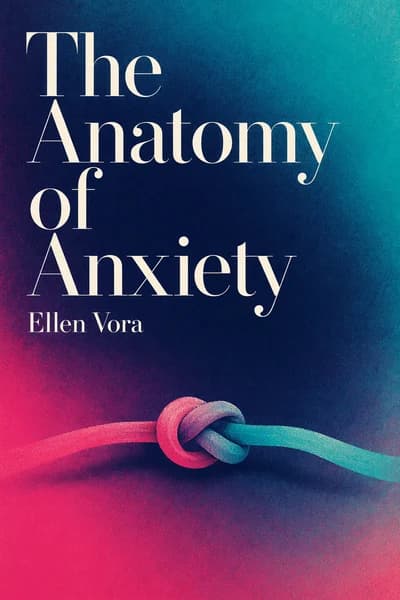
In a world where anxiety disorders affect nearly 300 million people worldwide, Ellen Vora's groundbreaking approach offers a paradigm shift as significant as the SSRI revolution. As a holistic psychiatrist who trained at Yale and Columbia, Vora discovered through her own health struggles that anxiety isn't just psychological-it's deeply physical. Her book has become a favorite among celebrities like Gwyneth Paltrow and functional medicine practitioners, challenging conventional wisdom that anxiety is merely a chemical imbalance in the brain. What makes her work revolutionary is the simple yet profound insight: anxiety isn't what's wrong with you-it's your body and mind alerting you that something else requires attention. By distinguishing between "false anxiety" (physiological imbalances triggering stress responses) and "true anxiety" (essential messages about our lives), Vora offers a comprehensive roadmap to not just manage anxiety but transform it into a guide toward greater purpose and fulfillment.
Глава 2
The Age of Anxiety: A Modern Epidemic with Ancient Roots
We're experiencing an unprecedented mental health crisis, with anxiety disorders affecting one-third of Americans during their lifetime and increasing 30% in just a decade. The COVID-19 pandemic accelerated this trend, with anxiety symptoms skyrocketing 270%. Yet these rapid increases suggest environmental rather than genetic causes-offering hope that lifestyle changes can significantly impact our mental wellbeing.
Anxiety has been recognized since ancient times. Cicero noted the connection between troubled mind and diseased body in 45 BC, and the term itself derives from Latin "angor" meaning "to constrict." While modern psychiatry has clinicalized anxiety into numerous classifications in the DSM-5, this approach often creates limiting labels that narrow people's life narratives rather than opening them to recovery.
The key insight is distinguishing between "false" and "true" anxiety. False anxiety stems from physiological imbalances creating stress responses that our minds rationalize. When our bodies experience blood sugar crashes or gut inflammation, our brains construct narratives blaming work, relationships, or world events. This doesn't invalidate the suffering-it can still hurt terribly-but recognizing its physiological origins offers a clear path forward.
True anxiety, conversely, communicates essential messages about our lives-what Kierkegaard called "the dizziness of freedom." This anxiety keeps us safe and arrives with intuition about bringing our lives into alignment with our purposes, essentially guiding us toward fulfillment.
This distinction is critical because conventional psychiatry treats mental health by addressing only the mind while ignoring the body. Yet mounting evidence shows many anxiety symptoms stem from physiological processes. The SMILES trial demonstrated that dietary improvements achieved 32% remission in depression compared to 8% with social support alone. Often, brain chemistry changes result from bodily imbalances-the root cause of false anxiety begins in the body and should be treated there.
Глава 3
The Body's Alarm System: How Physical Imbalances Create Mental Distress
While conventional psychiatry views anxiety as a genetic chemical imbalance focusing on serotonin, the neurotransmitter GABA plays an equally critical yet underappreciated role in calming our nerves. False anxiety stems less from genetic destiny and more from modern lifestyle circumstances. Two main physiological processes that provoke anxiety are the stress response and gut-related systemic inflammation.
The stress response isn't just triggered by external threats but by internal bodily imbalances like sleep deprivation or caffeine consumption. This evolutionary mechanism redirects blood flow from digestive organs to muscles and brain, pumping out hormones like epinephrine and cortisol to prepare for fight-or-flight. Modern life subjects us to chronic, low-grade stressors rather than acute dangers, yet our bodies respond identically. Whether from blood sugar crashes, late-night doom scrolling, or inflammatory foods, these triggers make us feel perpetually under siege.
The gut's function extends far beyond digestion-it houses 70% of our immune cells, connects to the endocrine system, and contains our "second brain" that produces 95% of the body's serotonin. Communication between gut and brain works bidirectionally through the vagus nerve, with 80% of its fibers sending information upward from organs to the brain. A healthy gut signals "all clear" to the brain, while imbalances trigger anxiety.
When the gut is irritated, inflammatory molecules like cytokines spread throughout the body, causing systemic inflammation that signals anxiety to the brain. Endotoxins passing through a compromised intestinal barrier-"leaky gut"-trigger immune responses that inflame both body and brain. The gut's diverse ecosystem of microbes educates the immune system about tolerance and threat; without beneficial bacteria, the immune system misfires, directly inflaming the brain through the glymphatic system.
While psychiatric medications provide essential relief for many people, their efficacy varies widely-from tremendous help to minimal effect to debilitating withdrawal symptoms. Vora describes false anxiety as the body's "check engine light"-a warning that shouldn't be covered up but investigated. Addressing physiological sources of anxiety is often quicker, less expensive, and more effective than medication alone.
Глава 4
Sleep: The Foundation of Mental Wellness
Sleep and anxiety maintain a critical two-way relationship: anxiety contributes to insomnia, while chronic sleep deprivation makes us more anxious. Sleep serves vital functions including brain detoxification through the glymphatic system, which clears metabolic waste and toxic by-products during rest. Without adequate sleep, these toxins accumulate, causing cognitive impairment and anxiety.
Our circadian rhythm depends on light cues-we evolved to wake with sunlight and sleep in darkness-but modern life disrupts this pattern with artificial lighting and screens. Melatonin production requires genuine darkness, yet even brief light exposure at night can disrupt it. Our bodies function best with bedtimes aligned to natural cycles-ideally around three hours after sunset. Pushing past natural tiredness triggers cortisol release, creating an "overtired" state that makes sleep difficult.
Many patients who fall asleep easily still struggle to stay asleep through the night, often due to blood sugar fluctuations. The overnight period represents our longest time between meals, and when blood sugar crashes, the body counters with a stress response that can jolt us from deeper sleep stages into wakefulness. This manifests as 3 a.m. awakenings with racing thoughts-the nighttime equivalent of daytime "hanger." The solution is maintaining stable blood sugar overnight, either through a blood sugar-stabilizing diet or by taking a spoonful of almond butter or coconut oil before bed.
Many of us are trapped in caffeine's vicious cycle: exhausted mornings require coffee, afternoon energy dips demand more, leading to difficulty sleeping at night, perpetuating the cycle. What feels like needing caffeine to function is often just withdrawal from the previous day's dose. Most underestimate caffeine's lingering effects-with a five-hour half-life, morning coffee still affects sleep fifteen hours later.
While conventional wisdom suggests humans need seven to nine hours of sleep, our individual requirements follow a bell curve distribution. Only a tiny percentage of people genuinely function well on less than seven hours, despite how many claim to. Rather than choosing how much sleep we need, we each have a unique "sleep shoe size"-a constitutional requirement as individual as our foot size.
Глава 5
Digital Disconnection: How Technology Fuels Our Anxiety
Our modern digital interactions create an illusion of social connection while failing to nourish our fundamental human need for genuine contact. Even before COVID-19, public health experts were warning about a "loneliness epidemic," with around 60% of American adults experiencing some degree of loneliness. Gen Z appears most affected, having grown up with smartphones as constant companions. Studies show adolescents and young adults today experience more depression and anxiety than previous generations, correlating with increased social media use.
Without traditional community structures like churches, villages, and extended family, we're increasingly isolated and crave being witnessed through life's experiences. Social media has become our surrogate village, where we post photos as modern rites of passage-"Pics or it didn't happen." Yet this digital witnessing provides only a hollow substitute for genuine connection, like artificial sweetener that tricks our brain but leaves an unsatisfying aftertaste.
Our physical posture during screen use may physiologically trigger anxiety. The hunched position we maintain while using computers and phones restricts blood flow to the brain and creates tension in neck, upper back, and jaw muscles connected to our sympathetic nervous system. Even our widened eyes when focusing on screens mimic a fear state.
We live in an attention economy where our focus is the commodity being harvested by media and advertisers. As Facebook's founding president Sean Parker admitted, these platforms were designed to "consume as much of your time and conscious attention as possible." They exploit our fear response and reward circuitry, triggering dopamine releases through unpredictable validation (like getting "likes"), similar to slot machines. Media companies know that fear-inducing headlines and controversy capture our attention, boosting their revenue while damaging our mental health.
While cancel culture serves as necessary accountability for bad behavior, prolonged exposure to criticism and relational aggression on social media undermines our sense of community safety, triggering anxiety. Though important conversations are happening online, we must balance awareness with self-care-as activist Brittany Packnett Cunningham notes, "We need rested warriors."
Глава 6
Nutrition: The Overlooked Foundation of Mental Health
We're navigating a confusing landscape of contradictory nutrition advice-from low-fat to low-carb, egg-white omelets to grass-fed steaks, butter as villain to butter in coffee. Unlike indigenous cultures that passed down traditional food wisdom through generations, American dietary guidance comes from industry-influenced food pyramids and serving-size recommendations, leaving individuals to determine healthy eating for themselves.
I approach anxiety as a blood sugar issue until proven otherwise. Most people operate somewhere on a spectrum of dysglycemia-not diabetic but experiencing subtle blood sugar regulation impairments that cause daily swings. Each crash generates a stress response, creating what I call "hanxiety" (anxiety when blood sugar is low). When blood sugar drops, our adrenal glands release adrenaline and cortisol, triggering our liver to convert stored glycogen to glucose while creating a sense of urgency to find food. This survival mechanism creates a stress response identical to anxiety.
Though caffeine isn't inherently bad-it provides antioxidants and may reduce risks of certain diseases-it's a common anxiety trigger that's often overlooked. Caffeine promotes cortisol release, activating our fight-or-flight response and amplifying our reactions to stressors. For slow metabolizers especially, caffeine acts as an anxiogenic drug. Many patients take anti-anxiety medications while simultaneously consuming the very substance causing their anxiety.
Alcohol initially works beautifully for anxiety by modulating GABA receptors, creating feelings of relaxation and confidence. But the body, prioritizing survival over relaxation, compensates by reabsorbing GABA and converting it to glutamate, an excitatory neurotransmitter. The result? Rebound anxiety worse than before. This creates a vicious cycle where alcohol temporarily relieves the very anxiety it ultimately worsens.
In America, we've forgotten the fundamental connection between food and nourishment. Our brain function depends on getting proper raw materials from our diet. Neurotransmitters like serotonin and GABA require specific nutrients-tryptophan from turkey, glycine from bone broth-to be manufactured. When our bodies detect nutritional deficiencies, they trigger feelings of scarcity and unease, essentially anxiety that motivates us to seek missing nutrients.
For optimal mental health, structure your plate with quarter protein, quarter starch, and half vegetables, incorporating healthy fats throughout. Think of meat more as a condiment than centerpiece, and if vegetarian, rely on rice and beans combinations, eggs, and full-fat dairy if tolerated. Prioritize starchy vegetables like sweet potatoes and squash for carbohydrates rather than refined options, as they provide steady blood sugar without spikes and crashes.
Глава 7
Inflammation: The Hidden Driver of Anxiety
Inflammation in the body plays a central role in depression and anxiety according to the cytokine or inflammatory hypothesis. Our evolutionary response to inflammation produces symptoms remarkably similar to mood disorders-fatigue, malaise, and withdrawal-which are designed to make us rest and heal. Research shows that cytokines (inflammatory markers) can cross the blood-brain barrier and directly impact regions involved in fear and threat detection, suggesting that anxiety may stem from the brain's response to inflammation.
The human immune system is a sophisticated defense network that has historically protected us against pathogens. However, modern life has changed its functioning in two key ways: medical advances have reduced its active engagement with major infections, while simultaneously our bodies are bombarded with unrecognizable chemicals and processed foods that provoke immune responses. This creates a dysregulated, hypervigilant immune system that remains in a state of constant inflammation, contributing to feelings of depression and anxiety.
Autoimmune conditions have reached epidemic levels in America, affecting between 10-40 million people with increasing numbers each year. These conditions occur when a misinformed immune system attacks the body's own cells, typically requiring a stressor (physical or mental), genetic predisposition, and compromised intestinal barrier. Depression and anxiety occur at higher rates with autoimmune diseases than with other serious illnesses, suggesting they're not just reactions to being sick but direct results of chronic immune provocation.
Approximately 70 percent of our immune activity is stationed in the gut, which serves as a primary contact point with the outside world. The gut-brain connection operates through the vagus nerve, creating bidirectional communication where the brain can trigger gut symptoms and the gut can signal the brain to produce anxiety when something is wrong digestively. Studies show certain bacterial species like Lactobacillus help improve stress resilience and alleviate anxiety, while antibiotics that kill beneficial bacteria are associated with increased risk for depression and anxiety.
The connection between gluten, Roundup pesticide, and anxiety runs deep. When we consume gluten alongside Roundup (which is heavily sprayed on American wheat), it creates a perfect storm: Roundup causes leaky gut, allowing partially digested gluten proteins to enter the bloodstream and trigger antibody responses. These antibodies attack the intestinal lining when more gluten is consumed, creating a vicious inflammatory cycle. Some evidence suggests these antibodies may even attack thyroid tissue through "molecular mimicry," potentially linking gluten to both thyroid conditions and anxiety disorders.
Глава 8
Women's Health: The Overlooked Connection to Anxiety
Throughout history, women's normal behaviors have been pathologized as mental illness, from ancient beliefs about the "wandering uterus" causing hysteria to modern doctors dismissing legitimate physical concerns as anxiety. This gender-based bias continues in medical settings today, where women's symptoms are often attributed to being "high-maintenance" rather than investigated properly.
When women's legitimate health concerns are dismissed or they're unable to communicate their needs, their bodies often speak through physical symptoms. This "somaticizing" of buried emotions manifests in conditions like fibromyalgia and chronic fatigue syndrome - disorders that disproportionately affect women and exist at the intersection of physical and psychospiritual health.
Thyroid disorders affect approximately twenty million Americans, predominantly women - one in eight American women will develop a thyroid disorder in her lifetime, with about 20% of women over sixty-five having an underactive thyroid, many undiagnosed. Despite medical textbooks presenting hypothyroidism and hyperthyroidism as distinct conditions, clinical reality is more complex. Some patients experience excess thyroid activity before developing underactivity, and many with diagnosed hypothyroidism have symptoms from both categories, including anxiety.
Hormonal birth control can significantly impact mental health, with research showing exogenous hormones contribute to mood changes, particularly in adolescents. The pill may increase long-term depression risk when started in adolescence, regardless of continued use, suggesting youth is a sensitive period for hormonal intervention. Beyond mood disorders, oral contraceptives cause inflammation, deplete essential B vitamins linked to anxiety and depression, potentially alter the microbiome, and increase binding proteins that reduce available androgens-affecting energy, libido, and mood.
The United States offers some of the worst conditions for mothers among developed countries, with alarming maternal mortality rates (17.4 deaths per 100,000 pregnancies) that disproportionately affect Black women. New mothers face unequal pay, unequal household labor division, inadequate healthcare coverage, insufficient parental leave, and unaffordable childcare. It's unsurprising that 74% of new or expecting mothers score positive for moderate to severe mental health conditions. Postpartum anxiety (PPA) affects 17% of mothers-more than postpartum depression at 4.8%-yet receives far less attention.
Глава 9
Finding Balance: Practical Tools for Managing Anxiety
Managing false anxiety requires both preventing its onset and addressing it when it occurs. Two key approaches are cultivating the relaxation response (like taking an anti-anxiety multivitamin that raises your stress threshold) and completing the stress cycle (expelling charged energy after unavoidable stressors). The goal is to enhance the parasympathetic nervous system's relaxation response while reducing the sympathetic nervous system's stress response.
The autonomic nervous system has two branches: the sympathetic (stress) response and parasympathetic (relaxation) response. The sympathetic system, which many experience as anxiety, communicates through stress hormones like cortisol and adrenaline to prioritize immediate survival. Conversely, the relaxation response occurs when the parasympathetic system activates with neurotransmitters like acetylcholine, serotonin, and GABA, allowing the body to rest and recover.
Stephen Porges's polyvagal theory offers a more nuanced understanding of our nervous system beyond the simple sympathetic/parasympathetic dichotomy. While the sympathetic system still corresponds to mobilization (fight-or-flight), the parasympathetic system is divided into two branches: ventral vagal and dorsal vagal. The ventral vagal complex handles rest, digestion, and relaxation, creating states where we feel safe, capable, and connected. The dorsal vagal complex governs immobilization responses (freeze and dissociation), leading to hypoarousal where we feel numb, hopeless, and disconnected.
Unlike animals who naturally complete their stress cycles (like rabbits who shake after danger passes), humans often suppress these natural responses due to social conditioning. When we don't finish the stress cycle, tension accumulates in our bodies, keeping our limbic system activated even when threats are gone. There are three primary ways to discharge stress: movement (dancing, exercising, or intentional shaking), self-expression (journaling, singing, or making art without self-criticism), and connection (hugging, laughing, crying, or being authentically witnessed by others).
Research consistently shows exercise effectively treats anxiety through multiple mechanisms: reducing inflammation, decreasing stress hormones, and triggering endogenous opioid release. But exercise doesn't require an all-or-nothing approach-even small amounts significantly reduce anxiety. For those with busy lives, "microcize" offers a practical solution: brief, enjoyable movement that fits realistically into your schedule.
Глава 10
True Anxiety: The Wisdom Behind Our Discomfort
Even after optimizing every aspect of your physiology, you may still experience discomfort or an inability to relax. This is true anxiety-an emotional compass signaling that something isn't right. Rather than trying to eradicate these feelings, we must recognize them as valuable messengers containing important information about our insights, traumas, vulnerabilities, and purpose.
Our bodies communicate anxiety's messages before our minds can articulate them. When we ignore anxiety's initial whispers, they eventually develop into shouts. With false anxiety, like blood sugar instability, the progression is straightforward-mild unease becomes panic attacks at predictable times. True anxiety follows similar patterns but with consistent themes rather than timing. The metaphors of our anxiety-panicking on elevators (feeling stuck), fearing being alone (needing community)-offer clues to unconscious issues.
When faced with mortality, our instinct is often to control rather than connect. We try managing the "worst-case scenario" instead of embracing vulnerability. But the only path through anxiety about death is radical acceptance: acknowledging that everything we love, we will eventually lose. By accepting this reality while remaining present, we can experience both the gift and poignant anguish of loving deeply.
Meditation serves as both an escape from anxiety and a tool for listening to it. Each time your mind wanders during meditation, returning to your breath builds your present-awareness muscle. This practice isn't about becoming blissed out but reaching unadulterated truth. When practiced regularly, meditation permeates your whole life. You begin observing rather than identifying with anxious thoughts, creating space between stimulus and response.
The concept of "true yes" and "true no" from Nonviolent Communication helps us identify when we're betraying ourselves-often a source of true anxiety. Our bodies communicate through physical sensations on a spectrum between contraction and expansion. A true "no" manifests as physical contraction-clenched muscles, tight breathing, or stomach knots. A true "yes" creates warmth, release, and ease in the body. Most of us frequently fall into the trap of the false "yes," ignoring our body's warnings to please others or avoid confrontation.
Глава 11
Connection: The Ultimate Antidote to Modern Anxiety
The chapter opens with an epigraph from George Vaillant summarizing the Grant Study's findings after seventy-five years and twenty million dollars of research: "Happiness is love. Full stop." This sets up the chapter's exploration of how human connection relates to anxiety reduction. Despite all the focus on sleep deprivation and inflammation, few things matter more for mental well-being than our relationships. Even if it means staying up late with loved ones eating "forbidden" foods, genuine connection often provides greater health benefits than perfect sleep hygiene.
When we feel misaligned with those around us or lack meaningful connections, anxiety increases. We should seek communities where people are actively trying to improve themselves, like meditation groups or Twelve-Step meetings. Simultaneously, we must use our true anxiety to discern relationship limits - neither remaining loyal to unhealthy friendships nor being too quick to label worthwhile relationships as "toxic."
We waste energy expecting people to do what they "should" - apologize, send thank-you cards, or share our political views. This waiting for others to behave "correctly" is resistance to reality that causes suffering. Byron Katie wisely notes, "I am a lover of what is, not because I'm a spiritual person, but because it hurts when I argue with reality." By accepting people as they are rather than how they should be, we can actually start enjoying our relationships again.
Our childhood shapes our attachment style - secure, avoidant, anxious, or disorganized - which influences adult relationships. When caregivers are sensitive and responsive, children develop secure attachment. The author commonly sees patients whose caregivers failed to attune to their emotional needs, creating anxious attachment that manifests as difficulty with trust and fear of abandonment.
We've been sliding into isolation for decades, accelerated by technology that pulls us away from real community into digital spaces. This disconnection extends beyond social relationships to a broader detachment from our spiritual selves-what the author calls "source," that which stirs our sense of wonder. This progressive detachment carries a psychic cost, bringing with it a rising swell of anxiety. To counter this isolation, we must reconnect with a sense of mystery and awe to find our way back to each other and feel part of something larger and all-encompassing.
Creative expression satisfies our fundamental human need to "enrich life," yet it often drops low on our priority list in adulthood. When we don't manifest what's alive in us, we experience the true anxiety of unexpressed creative impulse. Creativity extends beyond traditional arts to any activity eliciting authentic self-expression pursued for its own sake. Research shows that free play is crucial for neural development in children, with play deprivation linked to anxiety and depression.