Run Your Butt Off!: A Breakthrough Plan to Shed Pounds and Start Running (No Experience Necessary!)

Обзор книги Run Your Butt Off!
Transform from couch potato to confident runner with "Run Your Butt Off!" - the beginner-friendly program that's helped thousands shed pounds sustainably. "I wish I had read this before starting," admits one reviewer. No gimmicks, just proven results.
- Start with 30-minute walks, gradually adding running intervals to build endurance safely.
- Track workouts and meals in a journal to stay accountable and monitor long-term progress.
- Leslie Bonci’s program emphasizes calorie deficit through diet and incremental running progress.
- Adjust running pace to maintain conversation, preventing burnout and ensuring sustainable habit formation.
- Join a running community for motivation and shared milestones during weight-loss journeys.
- Repeat each training stage 3-4 times before advancing, prioritizing consistency over speed.
- Celebrate small victories like continuous 5-minute runs to maintain psychological momentum.
- Leslie Bonci advises nutrient-dense foods to fuel workouts without sabotaging weight loss.
- The test panel approach proves gradual progression prevents injury and program dropout.
- Incorporate rest days and body-awareness to avoid overtraining and ensure long-term success.
- Transform walking into lifelong running habits with Budd Coates’ 12-week beginner blueprint.
- Balance calorie intake with running milestones to shed weight without extreme restrictions.
Об авторе книги Run Your Butt Off!
Leslie Bonci, MPH, RD, CSSD, co-author of Run Your Butt Off!, is a renowned sports dietitian and nutrition consultant for elite teams including the Kansas City Chiefs, Pittsburgh Steelers, and Pittsburgh Penguins. With over 30 years in sports nutrition, she combines evidence-based dietary strategies with practical fitness advice.
This expertise is reflected in this weight-loss guide co-written with Runner’s World experts, Sarah Lorge Butler, a seasoned running journalist who contributes her deep knowledge of training and performance, and Budd Coates, MS, who brings exercise physiology expertise from his role on the Runner’s World advisory board.
Bonci’s authority extends to media partnerships like her weekly “The Winning Plate” TV segment, US News blogging, and appearances on Dr. Oz and the Today Show. The book merges calorie management with beginner-friendly running plans, emphasizing sustainable health.
Published by Rodale, a leader in wellness content, Run Your Butt Off! leverages the authors’ collective experience to empower readers through science-backed fat-loss methods. Bonci’s programs, including Camp Delicious and Root Camp, further showcase her commitment to nutrition education.
Часто задаваемые вопросы о Run Your Butt Off!
What is Run Your Butt Off! by Leslie Bonci about?
Run Your Butt Off! is a beginner-friendly weight-loss and running program that combines calorie management with a gradual running plan. Authored by sports dietitian Leslie Bonci and Runner’s World experts, it emphasizes burning more calories than consumed through structured workouts and nutrition tips. The book features real test-panel experiences, pacing strategies, and meal ideas to help users build sustainable fitness habits.
Who should read Run Your Butt Off!?
This book targets sedentary individuals or new runners aiming to lose weight while learning to run. It’s ideal for those seeking a no-gimmick approach to fitness, with step-by-step guidance on running form, calorie tracking, and overcoming common beginner challenges like motivation and injury prevention.
How does Run Your Butt Off! help with weight loss?
The program focuses on creating a calorie deficit through incremental running progressions and mindful eating. It provides tools to calculate personal calorie needs, suggests nutrient-dense meals, and emphasizes slow-paced running to maximize fat burning. Test-panel success stories illustrate practical adjustments for long-term weight management.
What makes Run Your Butt Off! different from other running plans?
Unlike rigid programs, Run Your Butt Off! encourages self-paced progression, allowing users to repeat workout stages until comfortable. It uniquely integrates nutrition advice from Leslie Bonci, a sports dietitian for NFL and NBA teams, ensuring dietary recommendations align with exercise goals.
Does Run Your Butt Off! include meal plans or recipes?
Yes, the book offers flexible eating strategies rather than strict meal plans. It highlights portion control, balanced macros, and snacks to fuel workouts. Examples include pre-run carbohydrates like potatoes and post-run protein-rich recovery options, tailored for beginners.
What are the criticisms of Run Your Butt Off!?
Some reviewers note the program’s slow progression might frustrate naturally active learners. Others mention the calorie-tracking approach feels basic for those already familiar with weight-loss fundamentals. However, most praise its accessibility for true beginners.
How long does the Run Your Butt Off! program take?
The plan is self-paced but structured around 12 weekly stages, starting with 30-minute walks and progressing to continuous running. Users can extend phases as needed, with the average participant transitioning from walking to running in 3–4 months.
Can Run Your Butt Off! work for non-runners?
Absolutely. The book is designed for non-runners, with tips on proper running form, shoe selection, and overcoming mental barriers. Test-panel members included former couch potatoes, emphasizing adaptability for all fitness levels.
What quotes or lessons stand out in Run Your Butt Off!?
Key lessons include:
- “Run slowly to build endurance without burnout”
- “Small dietary swaps, like choosing nutrient-dense snacks, compound over time.”
The book reinforces that “consistency beats intensity” for sustainable results.
How does Run Your Butt Off! compare to Couch to 5K?
Both target new runners, but Run Your Butt Off! adds a stronger weight-loss component with nutrition guidance from a sports dietitian. While Couch to 5K focuses on race readiness, this program prioritizes fat loss through heart-rate-based running and calorie awareness.
Is Run Your Butt Off! backed by scientific research?
Yes, Leslie Bonci integrates exercise physiology principles, such as heart-rate zones for fat burning, and evidence-based nutrition strategies. The program’s test-panel outcomes were monitored by Runner’s World, adding real-world validation.
Why is Run Your Butt Off! relevant for 2025?
With obesity rates rising, its balanced approach to diet and exercise remains timely. The book’s emphasis on at-home workouts and minimal equipment aligns with post-pandemic fitness trends, while its digital-friendly format suits app-based calorie trackers.
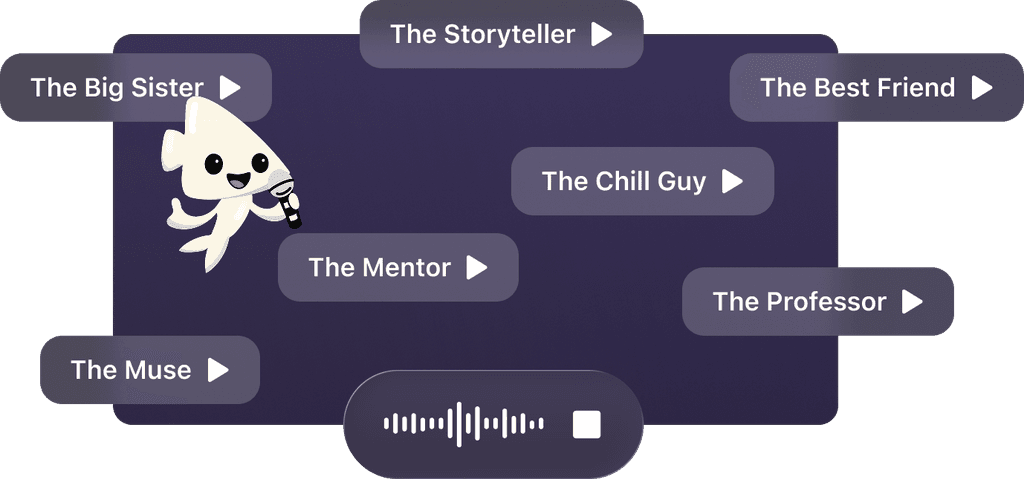
Почувствуйте книгу через голос автора
Превратите знания в увлекательные, богатые примерами идеи
Захватите ключевые идеи мгновенно для быстрого обучения
Наслаждайтесь книгой в весёлой и увлекательной форме
Персонажи в Run Your Butt Off!
- Leslie BonciCo-author and weight loss expert
- Sarah ButlerCo-author and fitness writer
- Budd CoatesCo-author and running coach
- Amby Burfoot1968 Boston Marathon champion and foreword author
Ключевые темы в Run Your Butt Off!
- gradual running progression
- mindful eating habits
- sustainable weight management
- calorie deficit tracking
- beginner fitness routine
Цитаты из Run Your Butt Off!
Running emerges as the ideal exercise because it's accessible.
Consistency matters more than speed.
Running burns calories more efficiently than other exercises.
The key is starting slowly-very slowly.
Your food log is your detective tool for uncovering eating habits.
Исследуйте Свой Способ Обучения
 Режим Краткое резюме
Прочитайте или прослушайте краткое содержание Run Your Butt Off! за 8 минут
Разбейте ключевые идеи Run Your Butt Off! на понятные тезисы, чтобы понять, как инновационные команды создают, сотрудничают и растут.

 Режим Развлекательно
Уроки из Run Your Butt Off! в 20-минутных историях
Погрузитесь в Run Your Butt Off! через яркие истории, превращающие уроки инноваций в запоминающиеся и применимые моменты.
 Режим Персонализация
Изучайте Run Your Butt Off! в своем собственном стиле обучения
Задавайте любые вопросы, выбирайте свой стиль обучения и создавайте идеи, которые действительно вам подходят.
Создано выпускниками Колумбийского университета в Сан-Франциско
"Instead of endless scrolling, I just hit play on BeFreed. It saves me so much time."


"I never knew where to start with nonfiction—BeFreed’s book lists turned into podcasts gave me a clear path."


"Perfect balance between learning and entertainment. Finished ‘Thinking, Fast and Slow’ on my commute this week."
"Crazy how much I learned while walking the dog. BeFreed = small habits → big gains."
"Reading used to feel like a chore. Now it’s just part of my lifestyle."

"Feels effortless compared to reading. I’ve finished 6 books this month already."
"BeFreed turned my guilty doomscrolling into something that feels productive and inspiring."

"BeFreed turned my commute into learning time. 20-min podcasts are perfect for finishing books I never had time for."
"BeFreed replaced my podcast queue. Imagine Spotify for books — that’s it. 🙌"

"It is great for me to learn something from the book without reading it."
"The themed book list podcasts help me connect ideas across authors—like a guided audio journey."
"Makes me feel smarter every time before going to work"
Создано выпускниками Колумбийского университета в Сан-Франциско
"Instead of endless scrolling, I just hit play on BeFreed. It saves me so much time."
"I never knew where to start with nonfiction—BeFreed’s book lists turned into podcasts gave me a clear path."
"Perfect balance between learning and entertainment. Finished ‘Thinking, Fast and Slow’ on my commute this week."
"Crazy how much I learned while walking the dog. BeFreed = small habits → big gains."
"Reading used to feel like a chore. Now it’s just part of my lifestyle."
"Feels effortless compared to reading. I’ve finished 6 books this month already."
"BeFreed turned my guilty doomscrolling into something that feels productive and inspiring."
"BeFreed turned my commute into learning time. 20-min podcasts are perfect for finishing books I never had time for."
"BeFreed replaced my podcast queue. Imagine Spotify for books — that’s it. 🙌"
"It is great for me to learn something from the book without reading it."
"The themed book list podcasts help me connect ideas across authors—like a guided audio journey."
"Makes me feel smarter every time before going to work"
"Instead of endless scrolling, I just hit play on BeFreed. It saves me so much time."
"I never knew where to start with nonfiction—BeFreed’s book lists turned into podcasts gave me a clear path."
"Perfect balance between learning and entertainment. Finished ‘Thinking, Fast and Slow’ on my commute this week."
"Crazy how much I learned while walking the dog. BeFreed = small habits → big gains."
"Reading used to feel like a chore. Now it’s just part of my lifestyle."
"Feels effortless compared to reading. I’ve finished 6 books this month already."
"BeFreed turned my guilty doomscrolling into something that feels productive and inspiring."
"BeFreed turned my commute into learning time. 20-min podcasts are perfect for finishing books I never had time for."
"BeFreed replaced my podcast queue. Imagine Spotify for books — that’s it. 🙌"
"It is great for me to learn something from the book without reading it."
"The themed book list podcasts help me connect ideas across authors—like a guided audio journey."
"Makes me feel smarter every time before going to work"
"Instead of endless scrolling, I just hit play on BeFreed. It saves me so much time."
"I never knew where to start with nonfiction—BeFreed’s book lists turned into podcasts gave me a clear path."
"Perfect balance between learning and entertainment. Finished ‘Thinking, Fast and Slow’ on my commute this week."
"Crazy how much I learned while walking the dog. BeFreed = small habits → big gains."
"Reading used to feel like a chore. Now it’s just part of my lifestyle."
"Feels effortless compared to reading. I’ve finished 6 books this month already."
"BeFreed turned my guilty doomscrolling into something that feels productive and inspiring."
"BeFreed turned my commute into learning time. 20-min podcasts are perfect for finishing books I never had time for."
"BeFreed replaced my podcast queue. Imagine Spotify for books — that’s it. 🙌"
"It is great for me to learn something from the book without reading it."
"The themed book list podcasts help me connect ideas across authors—like a guided audio journey."
"Makes me feel smarter every time before going to work"

Скачать резюме книги «Run Your Butt Off!»
Получите резюме книги «Run Your Butt Off!» в формате PDF или EPUB бесплатно. Распечатайте или читайте офлайн в любое время.