Глава 1
When Pen Pals Become Something More
Punk 57 has taken the romance world by storm, becoming a viral sensation among readers seeking intense, emotionally complex new adult fiction. Penelope Douglas's enemies-to-lovers tale resonated particularly with younger readers, who propelled it to bestseller status through passionate TikTok recommendations. The book's exploration of identity, belonging, and the masks we wear has made it a cultural touchstone, with celebrities like Megan Fox citing it among their favorite contemporary romances. What makes this story so compelling isn't just its steamy moments, but the raw authenticity of its characters as they navigate the treacherous waters between adolescence and adulthood, questioning who they truly are versus who they pretend to be.
Глава 2
Seven Years of Letters, A Lifetime of Connection
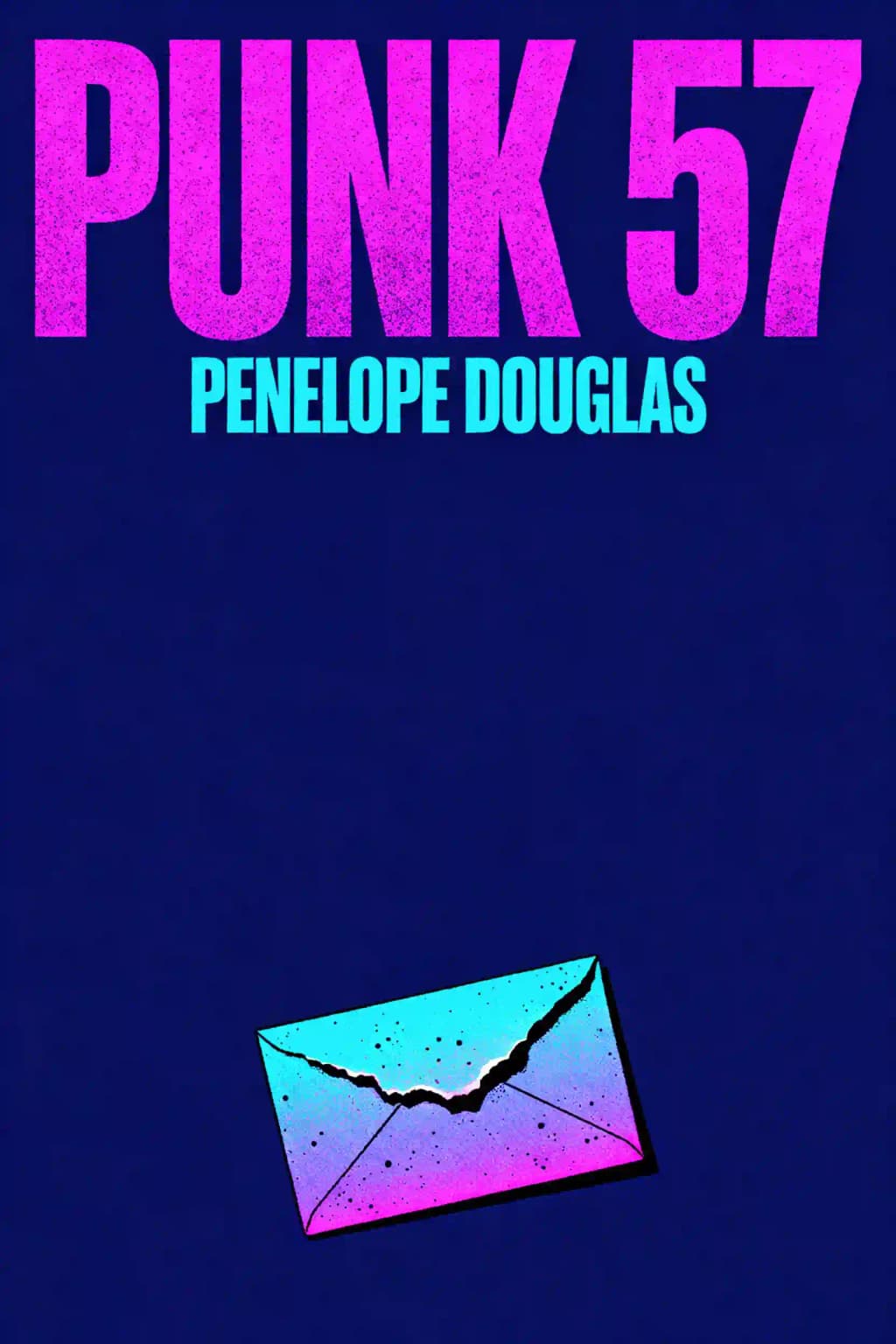
For seven years, Misha and Ryen have maintained an unusual friendship. Connected through a classroom pen pal assignment in fifth grade, they've never met in person, never exchanged photos, never even spoken on the phone. Their relationship exists purely through handwritten letters exchanged between Thunder Bay and Falcon's Well-black envelopes from him, decorated with a skull stamp she gifted him, and pink envelopes from her.
Their correspondence began accidentally when their teachers mixed up their names, assuming Ryen was a boy and Misha was a girl. Despite the mistake, they continued writing, creating a sanctuary where they could be completely honest with each other. In their letters, they shared everything-their dreams, fears, family troubles, and the daily dramas of adolescent life. Misha, a talented musician with his band Cipher Core, would send Ryen lyrics he was working on, while she would offer feedback and inspiration. They promised never to look each other up online, preserving the purity of their connection.
This epistolary relationship became the foundation of their identities. For Ryen, Misha represented the one person she could be authentic with, while maintaining a carefully constructed popular persona at school. For Misha, Ryen was his creative muse and emotional anchor, the person who understood him when no one else did. Their letters created a private world where they could be their true selves, free from judgment or social expectations.
The depth of their connection transcended physical presence. They knew each other's souls in a way that surpassed ordinary friendships. Their letters weren't just communication-they were lifelines, connecting two people who felt fundamentally misunderstood by everyone else in their lives. This is what makes their eventual meeting so explosive; they've shared their deepest truths with each other, yet they're essentially strangers when they finally come face to face.
Глава 3
The Warehouse Encounter: First Meeting, Hidden Identities
The fateful night at the warehouse fundraiser becomes a pivotal moment that shatters perceptions and sets tragic events in motion. Misha, the lead singer of Tralse, finds himself working security - a task he'd normally avoid - while his band performs at the charity scavenger hunt. Scrolling through his phone between shifts, his heart nearly stops when he sees Ryen Trevarrow's social media post about attending the very same event. After seven years of letters, his anonymous pen pal is suddenly, impossibly, within reach.
From his vantage point near the entrance, Misha observes her long before she notices him. The beautiful girl with light brown hair and bright blue eyes, wearing ripped jeans and a vintage concert tee, defies every mental image he'd constructed. Instead of the somewhat awkward, bookish girl who confides her deepest insecurities in letters, he watches a confident cheerleader commanding attention from everyone around her. She moves through the crowd with practiced ease, laughing and flirting - a social butterfly who seems worlds away from the person who writes about feeling like an outsider.
When Ryen approaches him for help with her scavenger hunt challenges, the universe seems to be playing an elaborate joke. Their task - sharing a marshmallow Lady and the Tramp-style - creates an intimacy that feels both right and wrong. Their chemistry crackles with electricity, their faces inches apart, while Misha wrestles with an impossible choice. Every fiber of his being wants to tell her who he is, but watching her perform for her friends - the casual cruelty, the calculated charm - makes him question everything about their relationship.
This encounter brilliantly establishes the novel's central theme about authenticity versus performance. Each character wears multiple masks: Misha hiding behind his security badge rather than revealing himself as both performer and pen pal; Ryen shape-shifting between vulnerable letter-writer and queen bee. The warehouse becomes a stage where identities blur and truth seems increasingly elusive. Their brief interaction raises devastating questions: How well can we really know someone through words alone? Which version of a person is real - the private or the public self?
The night takes an even darker turn when tragedy strikes. While Misha grapples with his discovery about Ryen, his sister Annie repeatedly tries to reach him. Lost in his own emotional turmoil, he misses her desperate calls for help. Hours later, he learns she died from a drug-induced heart attack - alone, when she needed him most. The guilt of this moment becomes a weight he carries throughout the story, inextricably linking his crisis of trust in Ryen with the loss of his sister. In response to this double blow - the potential betrayal of his pen pal's true nature and Annie's death - Misha retreats completely, cutting off all communication with Ryen without explanation, leaving her to wonder what happened to the one person she thought truly knew her.
Глава 4
When Letters Stop: The Aftermath of Silence
Three months after their encounter, Ryen continues writing to Misha, her letters growing increasingly desperate as she receives no response. "What did I do?" she asks repeatedly, her handwriting becoming messier with each passing week, ink smudged with obvious tears. These unanswered letters - sometimes daily, sometimes multiple times per day - reveal not just her vulnerability but a deep-seated fear of abandonment. Without Misha as her emotional outlet, Ryen feels increasingly lost, trapped in the superficial world she's created for herself. Her letters evolve from confusion to anger, then to pleading, and finally to raw, unfiltered pain.
The silence between them creates a void that both characters struggle to fill in markedly different ways. Ryen doubles down on her popular facade at school, throwing herself into social activities with almost manic energy. She surrounds herself with her shallow friends Ten, Lyla, and Katelyn - girls who care more about Instagram likes than genuine connection. Her relationship with Trey Burrowes, the principal's son, becomes increasingly performative, a carefully choreographed dance of public displays of affection and staged social media posts. But inside, she's breaking. Without Misha to confide in, she begins expressing herself in a dangerous new way - by becoming "Punk," the mysterious vandal who leaves provocative messages on school walls. Her nighttime acts of rebellion range from spray-painted poetry to scathing social commentary about the school's hierarchy.
Meanwhile, Misha grapples with overwhelming grief and anger that manifests in both subtle and dramatic ways. Annie's death has shattered his world, leaving him unable to write to the one person who might understand. He spends sleepless nights composing songs he'll never perform, each lyric heavy with loss and betrayal. He's also processing his complicated feelings about Ryen, wondering if the girl he thought he knew - the one who wrote about feeling like an outsider, who shared his love for underground bands and obscure books - even exists. His silence isn't just about protecting himself - it's about figuring out who he is in the aftermath of tragedy while questioning everything he thought he knew about connection and trust.
This period of separation forces both characters to confront uncomfortable truths about themselves and their relationship. Ryen must acknowledge not only how much she needs Misha but also why she's built such elaborate walls around her true self. Her popular girl persona, once a comfortable mask, begins to feel like a prison. Every laugh with her friends rings hollow; every kiss with Trey feels like a betrayal of her authentic self. Misha must work through his grief while deciding whether to confront Ryen about the apparent disconnect between her letters and her actions. His silence becomes both a shield and a weapon, protecting him from further pain while inadvertently inflicting it on someone he cares about. Their mutual silence speaks volumes about fear, vulnerability, and the difficulty of maintaining authentic connections in a world that rewards superficial perfection over genuine emotion.
Глава 5
Masen Laurent: The Disguise That Changes Everything
Three months after Annie's death, Misha returns to Falcon's Well with a new identity-Masen Laurent. Using forged documents provided by his cousin, he enrolls in Ryen's high school, determined to discover who she really is before revealing himself. His disguise is complete with piercings, tattoos, and an attitude that immediately marks him as an outsider.
As Masen, Misha observes Ryen in her natural habitat. He watches her participate in bullying, laugh at cruel jokes, and maintain her relationship with Trey despite his obvious mistreatment of others. The disconnect between the compassionate, thoughtful girl from the letters and the conformist cheerleader he sees at school deepens his sense of betrayal.
Their first interaction as Masen and Ryen is charged with hostility. When she approaches him flirtatiously at lunch, sitting on his table and reminding him of their meeting at the warehouse, he humiliates her by pulling her onto his lap, licking her neck, and cruelly declaring she "tastes like shit" before dumping her on the floor. This calculated cruelty establishes their antagonistic dynamic, setting the stage for their complicated relationship.
The Masen persona allows Misha to interact with Ryen without the weight of their history. It's a shield that protects his wounded heart while allowing him to challenge her directly about her behavior. When he calls her out for participating in bullying or for caring too much about others' opinions, he's expressing the disappointment he feels as Misha but cannot articulate.
This disguise also creates dramatic irony throughout the narrative. Readers know Masen is actually Misha, creating tension as Ryen finds herself increasingly drawn to this new boy who seems to see through her carefully constructed facade. The more time they spend together, the more Ryen opens up to Masen, not realizing she's actually reconnecting with her beloved pen pal.
Глава 6
Masks We Wear: The Theme of Authentic Identity
At its core, Punk 57 explores the masks we wear and the price we pay for hiding our authentic selves. Both protagonists struggle with identity and belonging, though in different ways. Ryen has crafted a popular persona at the expense of her true self, while Misha hides behind the Masen disguise to protect himself from further hurt.
Ryen's character arc revolves around her journey from conformity to authenticity. Her letters to Misha reveal her awareness of her own duplicity: "I'm afraid nothing will change. I'll still make the same mistakes with friends and relationships." She knows her popular friends don't truly care about her, yet she continues the charade, terrified of being alone. Her secret graffiti as "Punk" represents her suppressed authentic voice-bold, questioning, and unwilling to accept the status quo.
When confronted about her behavior, Ryen explains, "I don't want to be alone." This simple admission reveals the fear driving her actions. She sacrificed her childhood friendship with Delilah to gain acceptance from the popular crowd, a decision she still regrets years later. Her relationship with Misha through letters was the one place she could be herself without fear of rejection.
Misha's struggle with identity is equally complex. As the grandson of Senator Grayson, he's always felt pressure to live up to his family name. His music became his authentic expression, but after Annie's death, even that feels tainted. By becoming Masen, he temporarily escapes both his grief and his family legacy, allowing himself to be defined solely by his actions in the present.
The novel suggests that true connection is only possible when we remove our masks. The most intimate moments between Misha and Ryen occur when they're completely honest with each other, whether in their letters or during their confrontations after his true identity is revealed. Their relationship heals only when both characters embrace vulnerability and authenticity, accepting each other's flaws rather than pretending perfection.
Глава 7
Dangerous Attraction: The Chemistry Between Enemies
Despite their antagonistic beginning as Masen and Ryen, the attraction between them is immediate and undeniable. Their interactions are charged with tension that frequently erupts into passionate encounters. From their first kiss in the physics lab to their intimate moment in the library while hiding from security guards, their physical connection defies their apparent hatred for each other.
This enemies-to-lovers dynamic creates a compelling push-pull throughout the narrative. Ryen is drawn to Masen despite his cruelty, sensing something familiar in him that she can't quite place. Meanwhile, Misha struggles with his growing desire for Ryen even as he judges her actions at school. Their attraction becomes a battleground where their conflicted feelings play out.
Their physical encounters are characterized by power struggles and vulnerability. When Masen corners Ryen in the physics lab, their heated exchange quickly escalates into a passionate kiss. He taunts her about what she really wants, while she calls him names even as she surrenders to her desire. This pattern continues throughout their relationship-verbal sparring followed by intense physical connection.
What makes their attraction so powerful is the underlying emotional current. Even before Ryen discovers Masen's true identity, she senses a deeper connection with him. He sees through her facade in a way no one else does, challenging her to be better while accepting her flaws. For Misha, being with Ryen as Masen creates cognitive dissonance-he's physically intimate with the girl he's loved through letters for years, yet she doesn't know who he really is.
Their relationship raises questions about intimacy and authenticity. Is it possible to truly connect with someone who doesn't know your real identity? Can physical chemistry overcome emotional deception? These questions come to a head when Ryen finally discovers that Masen is actually Misha, forcing both characters to confront the complex reality of their relationship.
Глава 8
Secrets Revealed: The Fallout of Truth
The revelation of Masen's true identity occurs when Ryen notices familiar phrases in his speech and writing. Searching online, she discovers a video of Cipher Core performing lyrics she and Misha created together. The truth hits her like a physical blow-the boy she's been falling for is actually her pen pal who disappeared without explanation three months ago.
Ryen's reaction is explosive. She feels violated and betrayed, especially considering their physical intimacy. "You fucked me!" she screams during their confrontation, the double meaning clear. Not only did they have sex under false pretenses, but she feels fundamentally deceived by someone she trusted completely.
In one of the novel's most powerful scenes, Misha removes his shirt to reveal numerous tattoos inspired by their letters-a cassette tape labeled "The Hand That Rules the World," black birds with a Hamlet quote, and "You're My Tribe" inked permanently on his skin. This physical manifestation of their connection forces Ryen to acknowledge that despite his deception, Misha's feelings for her were always genuine.
The truth about Annie's death also emerges during this confrontation. Misha explains how his sister died the night of the warehouse scavenger hunt, helping Ryen understand why he stopped writing. His grief and guilt become clear, adding another layer to their complex relationship.
The final secret revealed is Misha's true purpose in Falcon's Well-confronting his mother, Principal Gillian Burrowes, who abandoned him and Annie when they were children. This shocking connection explains why he was so interested in retrieving his grandfather's watch from Trey, who turns out to be his step-brother. The confrontation with Principal Burrowes provides Misha with closure, allowing him to finally move forward from his painful past.
These revelations force both characters to reevaluate everything they thought they knew about each other and themselves. The truth creates temporary devastation but ultimately clears the path for genuine healing and connection.
Глава 9
Finding Your Tribe: Belonging and Acceptance
Throughout Punk 57, both protagonists search for belonging-a place or person that feels like home. Misha frequently refers to Ryen as "my tribe," suggesting she represents his true sense of belonging. This theme of finding one's authentic community runs parallel to the characters' journey toward self-acceptance.
Ryen's desperate need for social acceptance drives her poor choices throughout much of the story. Her fear of being alone leads her to maintain friendships with people who don't truly care about her and participate in bullying behavior that contradicts her actual values. Her transformation begins when she stands up for Manny, a frequent target of Trey's bullying. By holding Manny's hand in the cafeteria despite knowing the social consequences, Ryen takes her first step toward authentic belonging.
This act of courage inspires others. J.D., previously part of Trey's friend group, joins Ryen and Manny at their table, admitting he was "afraid to stand alone" until he saw Ryen doing it. Ten follows, demonstrating how authentic action can create ripple effects. By the end of the novel, Ryen has formed a new tribe based on genuine connection rather than social hierarchy.
Misha's search for belonging is complicated by family trauma. Abandoned by his mother and devastated by his sister's death, he struggles to find his place in the world. His music provides one avenue of belonging, but his relationship with Ryen offers something deeper-acceptance of his complete self, including his pain and anger.
The epilogue, set five years later, shows how both characters have found their tribe in each other. Now married and expecting a child, Misha and Ryen have created the belonging they both craved. Their playful banter about her eccentric decorating choices demonstrates their comfort with each other's quirks and imperfections. Misha's contentment with making music with Ryen rather than chasing fame shows how completely she fulfills his need for connection.
The novel's final message emphasizes that true belonging comes from authenticity rather than conformity. As Penelope Douglas writes in her author's note, "it gets better, you are important, and you can't be replaced. Hang on. You'll find your tribe."
Глава 10
Letters That Last: The Power of Written Words
Letters form the foundation of Misha and Ryen's relationship, and written words remain significant throughout the narrative. Their seven-year correspondence created an intimate connection that transcended physical presence, starting with innocent childhood exchanges and evolving into deeply personal confessions. Through handwritten letters, they shared thoughts they couldn't express to anyone else, creating a private world where they could be completely honest about their fears, dreams, and insecurities. Each letter became a safe haven, allowing them to reveal layers of themselves they kept hidden from the world.
The power of written words extends beyond their letters in multiple meaningful ways. Ryen's graffiti as "Punk" represents her suppressed authentic voice, allowing her to express thoughts she can't share openly in her carefully maintained social facade. Her late-night messages on school walls become both art and rebellion, each word a declaration of her true self. Misha's song lyrics transform their shared experiences into art that touches others, crafting emotional narratives that resonate with audiences while maintaining the intimate connection to their personal story. Even Ryen's final letter to Delilah, apologizing for her childhood betrayal, demonstrates how writing can facilitate healing and closure - offering a path to redemption that spoken words alone couldn't achieve.
Written words in the novel often reveal truths that characters struggle to express verbally, serving as bridges across emotional gaps. When Misha shows Ryen the tattoos inspired by their letters, he's demonstrating how permanently her words have marked him - literally inscribing their connection onto his skin. The tattoos become physical manifestations of emotional impact, each word chosen carefully for its significance. When they expose Trey's predatory behavior by writing his threatening quotes on school walls, they're using written words as a tool for justice, turning his own language against him and giving voice to those he tried to silence.
The epilogue reveals that Misha continues to center his music around their relationship, believing that keeping Ryen at the heart of his lyrics is what matters most. His Oscar nomination for Best Original Song suggests their story has resonated far beyond their private correspondence, touching others through the power of written expression. The songs become a testament to how personal truth, when authentically expressed, can connect with universal human experience.
In a digital age where communication is often ephemeral - quick texts and disappearing messages - Punk 57 celebrates the lasting impact of written words. Letters can be saved, reread, treasured; they carry the weight of intention and permanence that digital communications often lack. They create tangible evidence of connection that transcends time and distance, preserving moments and emotions in a way that spoken words cannot. For Misha and Ryen, written words weren't just communication - they were the foundation of a love that ultimately saved them both, proving that sometimes the most powerful way to reach someone's heart is through carefully chosen words on paper.