Глава 1
When Magic and Grief Collide: A Modern Arthurian Tale
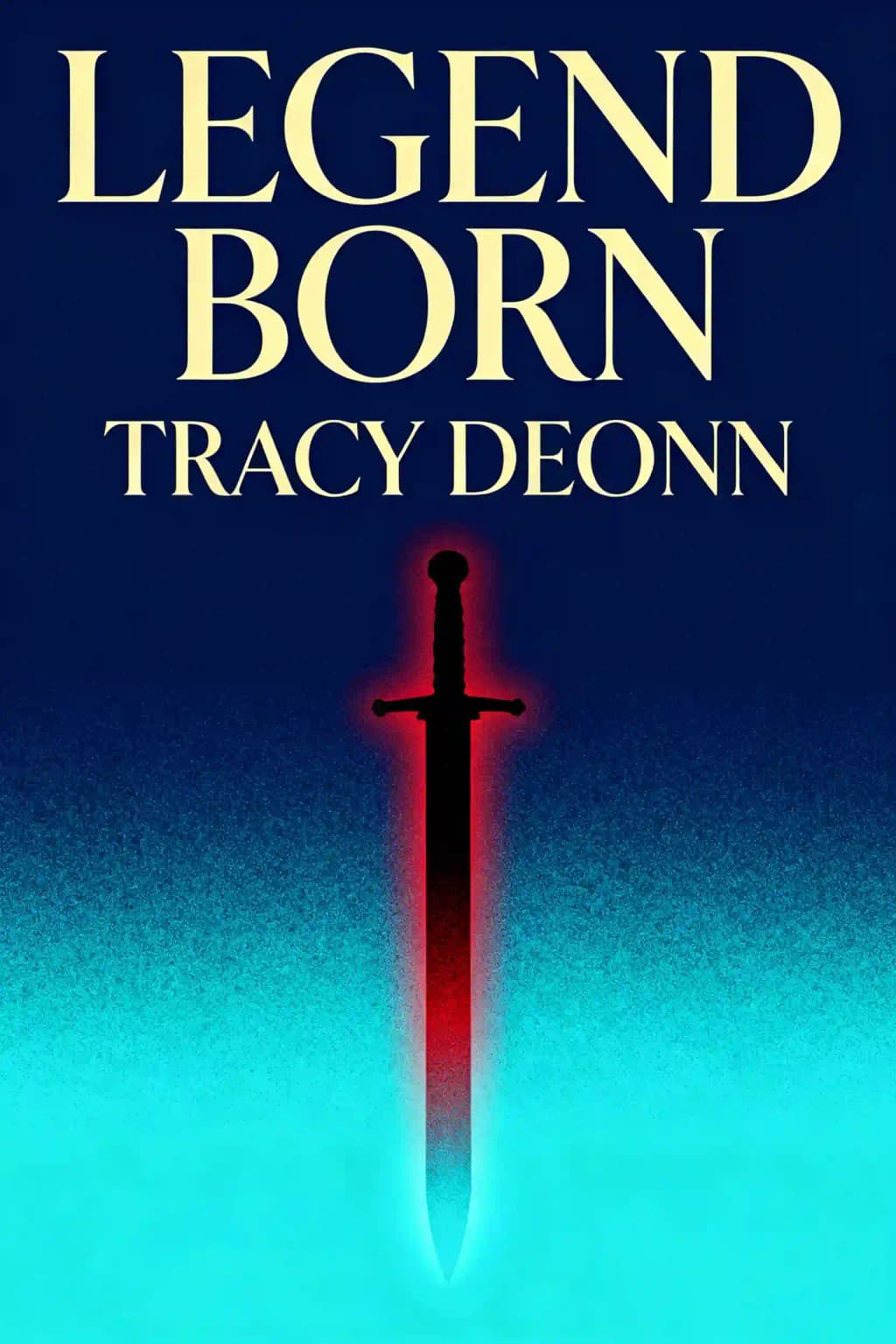
"Legendborn" has taken the literary world by storm, becoming a New York Times bestseller and capturing the hearts of readers who crave diverse fantasy with emotional depth. Tracy Deonn's debut novel masterfully weaves Arthurian legend with African American folklore, creating a unique magical system that resonates with readers across demographics. The book has been praised by cultural icons like Roxane Gay and has found its way onto numerous "Best of" lists. What makes this contemporary fantasy particularly compelling is how it tackles grief and intergenerational trauma while reimagining ancient legends through a fresh lens. In a literary landscape hungry for authentic diverse voices, Deonn's work stands as a testament to how classic mythology can be transformed when viewed through different cultural perspectives.
Глава 2
The Aftermath of Loss: Bree's Emotional Fortress
Three months after her mother's death in a car accident, sixteen-year-old Bree Matthews is a study in controlled grief. She's developed a mental wall to protect herself from the predictable sympathy of the "Sorry for Your Loss crowd." Inside this emotional fortress lives what she calls "After-Bree" - an angry, grief-stricken version of herself that she keeps hidden from everyone, even her father. This compartmentalization allows her to function but creates distance between her and her best friend Alice, who notices the change but can't breach Bree's defenses.
When Bree attends a college party at a quarry as part of UNC-Chapel Hill's Early College program, her carefully constructed world begins to unravel. She witnesses something impossible - a strange greenish-silver light that only she seems able to see, and two mysterious students capturing a winged creature they call an "isel." One of them, Selwyn Kane, uses some form of mind control to make her leave, but Bree manages to break free from his mental command.
The incident triggers a sense of deja vu she can't place, and suddenly Bree is questioning everything she thought she knew about reality. Could her mother's death be connected to this hidden supernatural world? The possibility that her mother's "accident" might not have been an accident at all ignites a determination in Bree that cuts through her grief. For the first time since her mother's death, she has a purpose beyond merely surviving each day - she needs answers, and she'll do whatever it takes to get them.
What makes Bree's emotional journey so compelling is how authentically her grief manifests - not as a straightforward progression through stages, but as a complex tangle of anger, denial, and desperate hope. Her emotional fortress isn't just a defense mechanism; it's a reflection of how grief can transform us into people we don't recognize, splitting our identities into "before" and "after" versions of ourselves.
Глава 3
Uncovering the Order: A Secret Society with Ancient Roots
After being caught trespassing at the quarry party, Bree is assigned a peer mentor - Nick Davis, a charming blond student who seems determined to keep her at arm's length from the supernatural world she glimpsed. But when they're attacked by a hellhound - a demon that feeds on negative human emotions - Nick is forced to reveal the truth: he's part of a secret society called the Order of the Round Table, descendants of King Arthur's knights who protect humanity from demons called Shadowborn.
The Order's headquarters, the Lodge, stands hidden in plain sight on campus - a historic building protected by magic and accessible only to those with permission. Inside, Bree discovers a hierarchy that has remained unchanged for centuries. At the top are the Legendborn - descendants of the original knights whose spirits are bound to their bloodlines through Merlin's Spell of Eternity. These Scions inherit supernatural abilities when they're Called to service, usually in their twenties. Below them are Squires who bond with Scions, sharing their powers but also their shortened lifespans. At the bottom are Pages - students competing for the honor of becoming Squires.
What fascinates Bree is learning that Nick is no ordinary member - he's the descendant of King Arthur himself, reluctantly positioned to become the next leader of the Order. His father, Lord Martin Davis, serves as the current Viceroy of the Southern Chapter, enforcing the Order's strict traditions and bloodline purity. Nick, however, has been rejecting his birthright for years, refusing to embrace the destiny his father has planned for him.
The Order's world is steeped in tradition and ritual, from the Oath of Fealty that grants supernatural Sight to worthy Pages to the sacred Wall of Ages that records every member throughout history. But beneath the veneer of noble purpose, Bree discovers troubling aspects - the Order's history of racism and sexism, their willingness to erase memories of outsiders who witness their activities, and their rigid adherence to bloodlines over merit.
When Bree learns that a Merlin officer - a sorcerer who enforces Order law - was present the night her mother died and altered her memories of the event, she becomes convinced that her mother's death is connected to this secret society. Despite Nick's warnings about the dangers, Bree formulates a bold plan: she'll infiltrate the Order by becoming a Page in their tournament system, using Nick as her sponsor to gain access to information about her mother.
Глава 4
Two Magical Traditions: Bloodcraft vs. Rootcraft
As Bree delves deeper into the Order's world, she begins experiencing strange phenomena - red mage flame erupting from her fingertips, resistance to memory manipulation, and an unusual connection to the earth. These manifestations lead her to Dr. Patricia Hartwood, a therapist who knew her mother at UNC and reveals a shocking truth: Bree's mother was a "Wildcrafter," someone who could manipulate plant energy through Rootcraft.
This revelation opens the door to an entirely different magical tradition than the one practiced by the Order. While the Legendborn use Bloodcraft - magic that binds power permanently to bloodlines through inheritance - Rootcrafters practice a form of magic that temporarily borrows energy from ancestors with their permission. The contrast between these systems reflects their cultural origins: Bloodcraft representing European traditions of conquest and ownership, Rootcraft embodying African American spiritual practices rooted in community and ancestral connection.
Through memory walks guided by Patricia and another practitioner named Mariah, Bree witnesses the history of Rootcraft - how it developed among enslaved people and their descendants as a means of protection and healing. She learns that her family possesses a unique and feared form of power - they can not only borrow ancestral energy but also manifest it physically as red mage flame, a rare ability that makes them targets for those who fear their potential.
The juxtaposition of these magical systems creates a powerful metaphor for cultural appropriation and resistance. The Order, with its emphasis on bloodlines and hereditary power, represents institutions that maintain power through exclusion and tradition. Rootcraft, with its emphasis on consent and community, represents traditions that survive through adaptation and shared knowledge. Bree stands at the intersection of these worlds, carrying both traditions in her blood and facing the challenge of reconciling them.
What makes this exploration of magical systems so compelling is how deeply they're tied to real historical and cultural contexts. The segregated cemetery where Patricia introduces Bree to Rootcraft, with its unmarked graves of enslaved people who built the university, isn't fictional - it's based on real burial grounds at UNC-Chapel Hill. The contrast between the polished marble headstones in the white section and the fieldstones marking Black graves creates a visceral image of how different traditions are valued and preserved.
Глава 5
Dangerous Alliances: Nick, Sel, and the Politics of Trust
As Bree navigates the treacherous waters of the Order, she forms complex relationships with two key figures: Nick Davis, the reluctant heir to King Arthur's legacy, and Selwyn Kane, a Merlin who serves as Nick's Kingsmage and protector. These relationships become the emotional core of her journey, challenging her assumptions about trust, power, and her own identity.
Nick initially tries to keep Bree at a distance, warning her about the dangers of the Order's world. But as they spend more time together, their connection deepens into something neither expected. Nick sees in Bree someone who understands his reluctance to embrace his destiny - the burden of leadership he never asked for. Bree sees in Nick someone who might help her uncover the truth about her mother while also offering a connection that breaks through her emotional walls.
Their growing attraction is complicated by Nick's position. As the Scion of Arthur, he's expected to choose a Squire based on bloodline and tradition, not personal feelings. Yet he's drawn to Bree's determination and strength, seeing in her qualities that the Order desperately needs - adaptability, questioning of outdated traditions, and fierce loyalty to those she loves rather than abstract principles.
Selwyn Kane presents a different kind of alliance. Initially antagonistic, Sel views Bree as a threat to Nick and the Order. His suspicion stems from her unusual abilities - particularly her resistance to mesmer (memory manipulation) - which lead him to believe she might be Shadowborn, a demon in disguise. Yet as the story progresses, Sel and Bree develop an unexpected understanding based on their shared status as outsiders.
The revelation that Sel is part-demon - a "cambion" born to a human mother and a demon father - shifts their dynamic dramatically. All Merlins throughout history have been cambions, their demon blood giving them enhanced physical abilities and affinity for aether (magical energy). This heritage makes them powerful but also feared and controlled through Oaths that bind their dual natures together. Without these Oaths and service to the Order, they would lose control of their souls.
This complex three-way relationship creates a fascinating exploration of power dynamics. Nick holds institutional power as Arthur's heir but feels trapped by it. Sel possesses tremendous magical ability but is bound by Oaths that limit his autonomy. Bree has abilities neither of them fully understand but lacks the protection of established position. Their interactions reveal how power operates within systems - who gets to make decisions, who must obey, and how relationships can subvert or reinforce existing hierarchies.
Глава 6
Uncovering Conspiracy: The True Nature of Camlann
As Bree advances through the Page trials, demonstrating unexpected fighting skills and determination, she begins piecing together a disturbing theory about her mother's death. Twenty-five years ago, when her mother was a student at UNC, a Shadowborn Gate opened on campus, allowing demons to cross into the human world. Her mother witnessed this event, and the Order altered her memories to protect their secrets.
But who opened that Gate, and why? The answer lies in the prophecy of Camlann - the great battle where the original King Arthur fell. According to Order tradition, Camlann repeats throughout history when the Line of Morgaine (rogue Merlins who split from the Order centuries ago) grows powerful enough to challenge the Legendborn. The increasing demon attacks suggest that a new Camlann is approaching, requiring Nick to take up Excalibur and fully Awaken as Arthur's Scion.
Through careful investigation with Sel's unexpected help, Bree discovers a shocking truth: Lord Martin Davis, Nick's father, orchestrated the current crisis. Twenty-five years ago, he opened the Gate that Bree's mother witnessed, attempting to force a Camlann that would allow him to claim glory. When that failed, he covered up his actions and continued plotting. Now, he's deliberately creating danger by opening new Gates, forcing Nick's Calling so he can control his son as a puppet king and restore the Order's traditional hierarchy with himself pulling the strings.
This conspiracy reveals the corrupting influence of power and tradition. Davis justifies his actions as necessary for the greater good, seeing war as an "opportunity" rather than a tragedy. His willingness to risk innocent lives, including his own son's, demonstrates how devotion to an institution can warp moral judgment. When he threatens Bree's friend Alice to force Bree's compliance, we see how systems of power maintain themselves by targeting those with the least protection.
The conspiracy also illuminates the danger of unquestioned traditions. The Order's emphasis on bloodlines over character, their secretive nature, and their willingness to alter memories all created the conditions that allowed Davis to operate unchecked. By controlling information and limiting who could question authority, the Order became vulnerable to corruption from within.
Глава 7
Ancestral Wisdom: The Power of Remembering
As Bree struggles to uncover the truth about her mother and the Order, she experiences another profound journey - connecting with her ancestral lineage through Rootcraft. Through memory walks guided by Patricia and Mariah, Bree witnesses pivotal moments in her family's history, learning that her magical abilities come with both power and cost.
The most significant revelation comes when Bree discovers her mother left her a memory-message, activated only after her death. In this message, her mother explains their family legacy: their Rootcraft abilities were bound to their bloodline through Bloodcraft generations ago, creating a curse where the power can only live in one daughter at a time. Each mother's final act is passing these abilities to her daughter, meaning "none of us get very long with our mothers."
This curse explains why Bree, her mother, and her grandmother all experienced maternal loss at young ages. It also reveals why Bree's abilities manifest differently from other Rootcrafters - her family's gift combines aspects of both magical traditions, allowing her to not just borrow ancestral energy but manifest it physically as red mage flame.
Through possession by her grandmother's spirit, Bree begins learning to control these abilities. The experience of sharing her body with an ancestor creates a powerful metaphor for intergenerational knowledge - how wisdom, trauma, and strength pass through bloodlines even when direct teaching isn't possible. Her grandmother serves as a "lighthouse," guiding an older ancestor who can show Bree how to control her power and understand its origins.
This ancestral connection provides Bree with resources beyond just magical ability. It gives her perspective on her grief, helping her understand that her mother's death is part of a larger pattern rather than random tragedy. It connects her to a community and tradition that survived despite attempts to erase it. Most importantly, it helps her integrate the parts of herself she had separated - there is no more "Before-Bree" and "After-Bree," just Bree with all her complexity and power.
The exploration of ancestral wisdom creates a powerful counternarrative to the Order's emphasis on bloodlines. While the Order uses blood to maintain exclusivity and hierarchy, Rootcraft uses ancestral connection to build community and resilience. Both traditions recognize the power of inheritance, but they channel it toward fundamentally different ends.
Глава 8
The Final Confrontation: Redefining Legacy
When Bree discovers Lord Davis's plot, she faces her greatest challenge yet. Davis has taken Alice hostage and forced Bree to agree to leave Carolina, the program, and never speak to Nick or any chapter members again. But with Alice's life at stake and Nick about to be manipulated into claiming Excalibur, Bree cannot simply walk away.
Instead, she gathers allies - including Alice, who insists on helping despite the danger - and ventures into the ancient tunnel system beneath the campus to reach "Ogof y ddraig" (cave of the dragon) where Excalibur is kept. The journey through these tunnels becomes both literal and metaphorical, as Bree descends into the earth to find truth, just as she's had to dig deep into her own history to understand her power.
The final battle in the cave brings together all the story's threads. Nick kneels in pain, resisting Arthur's Call while his father fights above him. Scions and Squires battle demons that Davis has summoned. And at the center stands the prize - Excalibur, its diamond-studded pommel gleaming as it protrudes from a boulder.
This climactic scene forces each character to make crucial choices about legacy and power. Nick must decide whether to accept his inheritance on his own terms or continue resisting. Sel must choose between his Oath to Nick and the Order's traditions. And Bree must determine how to use her unique abilities - a combination of Bloodcraft and Rootcraft - to protect those she loves while honoring her mother's legacy.
The resolution of this conflict doesn't simply defeat a villain; it challenges the foundations of the Order itself. By exposing Davis's corruption, Bree forces the organization to confront how their emphasis on tradition and bloodlines created the conditions for abuse. By demonstrating her power - neither purely Rootcraft nor Bloodcraft but something new - she suggests the possibility of integration rather than separation between magical traditions.
Глава 9
A New Chapter: Healing and Moving Forward
The aftermath of the final confrontation leaves Bree at a crossroads, facing decisions that will reshape not just her future but her understanding of her past. Having accepted Nick's offer to become his Squire, she's now permanently tied to the Order she initially infiltrated only to find answers about her mother's death. This decision carries profound weight - it represents both an ending and a beginning, echoing her mother's final words of wisdom: "Fight. Take risks. Follow your heart. And move forward." These words become more than just advice; they transform into a blueprint for navigating her new reality.
The journey forward proves complex and multifaceted. In quiet moments with her father, Bree discovers crucial insights about grief and healing. His wisdom - "Don't make your life about the loss. Make it about the love" - becomes a cornerstone of her healing process. This shift in perspective allows Bree to see that honoring her mother means more than seeking justice or carrying the weight of vengeance. It means embodying the qualities that made her mother extraordinary: her fierce protection of others, her unwavering integrity, and her ability to find joy even in difficult circumstances.
The network of relationships Bree has built becomes instrumental in her transformation. Nick, with his unwavering support and belief in systemic change, shows her how to work within established structures while maintaining one's principles. Their partnership evolves into a model of how tradition can be honored while still being challenged and reformed. Alice proves to be more than just a friend - she becomes a sister-in-arms, demonstrating how shared trauma can forge unbreakable bonds and create spaces for mutual healing. Even Sel, despite their complicated history, teaches Bree valuable lessons about the gray areas between right and wrong, and how sometimes the most unlikely alliances can drive meaningful change.
The discovery of Rootcraft adds a profound spiritual dimension to Bree's healing journey. Through this ancient practice, she develops a deeper understanding of what it means to be connected to her ancestors. The rituals and ceremonies become more than mere traditions - they're living bridges between past and present. Bree learns that her mother's presence continues not just in memories or physical mementos, but in the very energy that flows through her veins during spell-casting. This connection transforms her understanding of death itself; it's not an ending but a transformation, a different form of existence that continues to influence and guide the living.
This new chapter in Bree's life demonstrates that healing isn't linear - it's a spiral that sometimes brings us back to painful places but always with new perspective and strength. Her story becomes proof that moving forward doesn't mean leaving everything behind, but rather gathering the pieces of the past that serve us and weaving them into a stronger future.
Глава 10
The Power of Reimagining Legends
Tracy Deonn's "Legendborn" does more than tell an engaging story; it invites readers to reconsider how legends form and who gets to be legendary. By placing a Black teenage girl at the center of an Arthurian tale, Deonn challenges assumptions about who belongs in these narratives and who can reshape them.
The novel's exploration of two magical systems - one European-derived and one rooted in African American traditions - creates a powerful metaphor for cultural exchange and appropriation. Rather than suggesting one system should replace the other, the story points toward integration and mutual respect, with Bree embodying the possibility of honoring multiple traditions simultaneously.
Through its unflinching examination of grief, "Legendborn" also offers a nuanced portrait of how trauma affects individuals and communities across generations. Bree's journey from compartmentalizing her pain to integrating it into her understanding of herself mirrors larger social processes of acknowledging historical traumas rather than burying them.
Perhaps most powerfully, the novel suggests that legends themselves are not fixed but constantly evolving. As Deonn notes, Arthuriana has no definitive version or sacred text - it's a network of narratives spanning fifteen hundred years that has always invited reinvention. By contributing her own vision to this collection, she creates space for readers to see themselves in stories that might previously have seemed closed to them.
In this way, "Legendborn" becomes more than entertainment; it's an invitation to readers to consider what legends they carry within themselves and how they might reshape the stories that shape them. Like Bree discovering her own power, readers are encouraged to recognize their ability to transform tradition rather than simply inherit it - to become not just legend-bearers but legendborn.